



Vintage Chinoiserie Accent Light
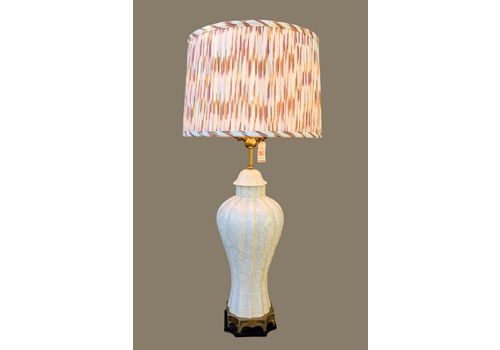
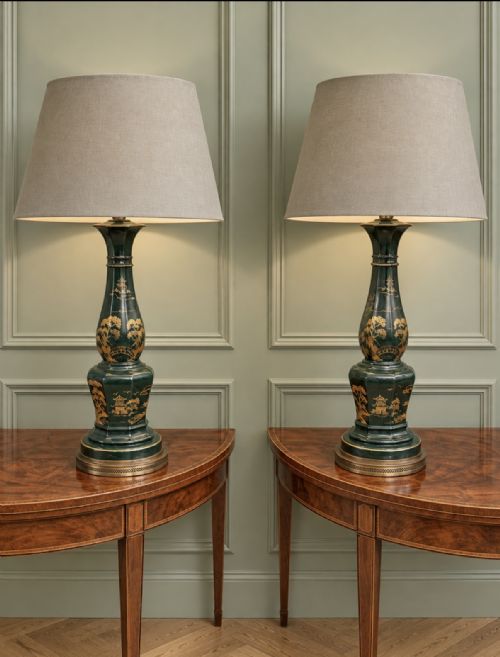
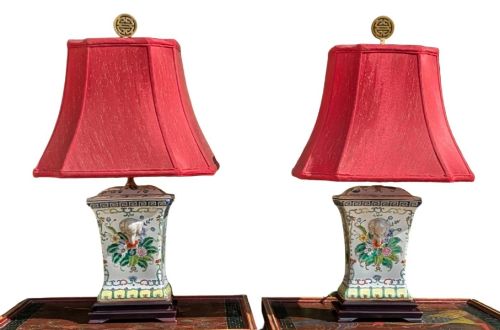
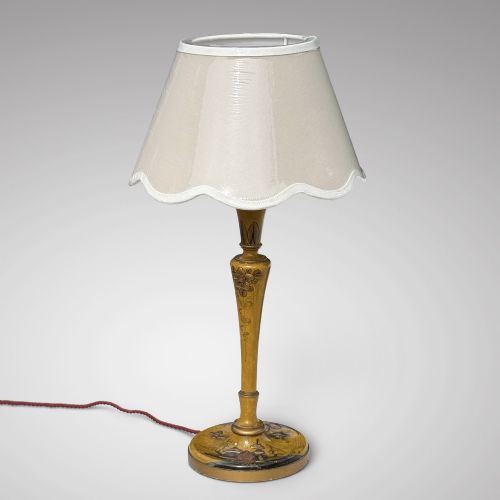
These vintage chinoiserie accent light pieces bring hand-painted motifs and rich lacquer to a corner.
Vintage Chinoiserie Accent Light
A vintage chinoiserie accent light brings decorative European interpretations of East Asian motifs into domestic interiors through functional illumination. Buyers seeking a vintage chinoiserie accent light encounter items designed primarily to sit on side tables and desks, providing ambient illumination while serving as sculptural decorative objects.
The selection here encompasses table lamps shaped from diverse materials alongside occasional supporting forms like side tables. Pieces date from the nineteenth century through the early twentieth century, spanning specific years such as 1890, 1900, 1920, and 1930.
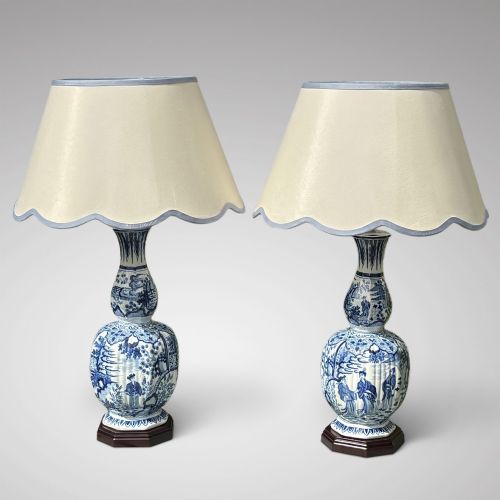
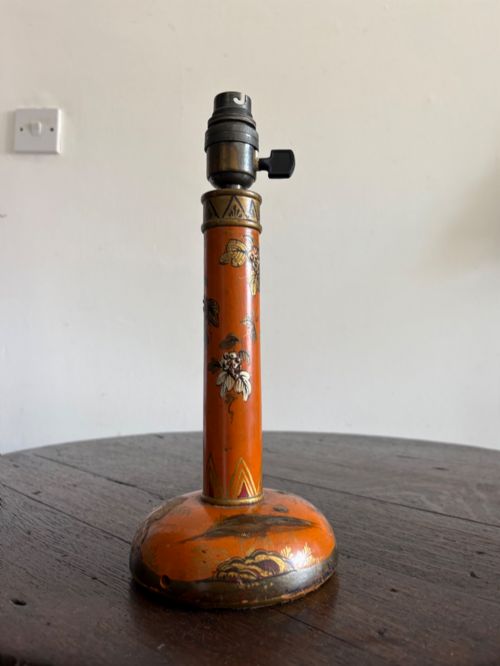
Most examples lean heavily into lacquer, porcelain, and metal construction, reflecting the sustained popularity of Chinoiserie alongside related styles like French Rococo Revival and Dutch Delftware. The typical object met on this page is a hand-painted table lamp finished in black, ochre, or mandarin orange lacquer.
How they were made
Construction relies upon traditional woodworking and ceramic arts adapted for domestic lighting during the nineteenth and early twentieth centuries. Artisans shaped bases from carved root wood, turned timber, and moulded porcelain before applying foundational coats of paint or lacquer.
Surface decoration frequently involves hand-painted motifs executed in gold and contrasting pigments over dark or brightly coloured lacquer grounds. Metal elements utilise cast brass and gilt bronze, while wiring and electrical fittings were typically added or updated during subsequent decades to suit contemporary standards.
Vintage Chinoiserie Accent Light Retail Price Guide 2026
Typical asking prices for vintage chinoiserie accent light among the pieces listed under this phrase on Sellingantiques today, from the lower quarter to the upper quarter. They describe what is for sale here now, not the wider market.
The listings on this site combine wood, porcelain, brass, and lacquer across pieces dated from the nineteenth century to 1930.
What varies in quality
The refinement of the hand-painted detailing dictates the distinction between standard production and superior execution in these lighting pieces. Crispness in the application of gold leaf and the depth of the lacquer finish indicate the level of care invested by the maker.
Substantial weight in the ceramic or metal bases provides better stability for tall forms, separating sturdier specimens from lighter alternatives. Preservation of the original painted surface without excessive overpainting preserves the integrity and character of the object.
The Vintage Chinoiserie Accent Light Glossary
- Chinoiserie
- European decorative style reflecting Chinese artistic influences, characterised by painted figures, pagodas, and landscapes.
- Lacquer
- Protective and decorative finish applied in multiple layers to wood or metal, providing a smooth, glossy surface suitable for hand-painted details.
- Toleware
- Painted or enamelled metalware, frequently finished in black and gold to imitate Asian lacquer techniques.
- Cloisonné
- Enamelling technique where wires are soldered to a metal base to create compartments filled with coloured paste and fired.
- Gilt Bronze
- Bronze object treated with a thin layer of gold or gold amalgam for decorative effect, common in nineteenth-century mounts.
Vintage Chinoiserie Accent Light: Frequently Asked Questions
How do I clean a lacquered lamp?
Dust gently with a dry, soft microfibre cloth to protect the delicate painted surface from abrasion.
Avoid chemical sprays and moisture, which can penetrate hairline cracks and lift the historic lacquer layers.
Are these lamps wired for modern use?
Most vintage lamps have been rewired at some point in their lifespan to meet contemporary safety standards.
Buyers should inspect the internal flex and plug upon arrival, consulting a qualified electrician if modern compliance is required.
What surfaces suit a table lamp?
Solid wooden side tables, chests of drawers, and desks provide stable platforms for heavier ceramic and wooden bases.
Ensure the surface area accommodates the footprint of the lamp safely without overhanging the edges.
How can I date an antique lamp?
Examine the materials, base construction, and mounting techniques against documented examples from the nineteenth and early twentieth centuries.
Wear patterns on the underside and the style of hand-painted decoration offer further clues to the manufacturing period.