
Antique Baroque Lighting
Antique baroque lighting brings dramatic carved surfaces and weighty metal candle forms into a room, offering centuries of regional European craftsmanship.
Antique Baroque Lighting
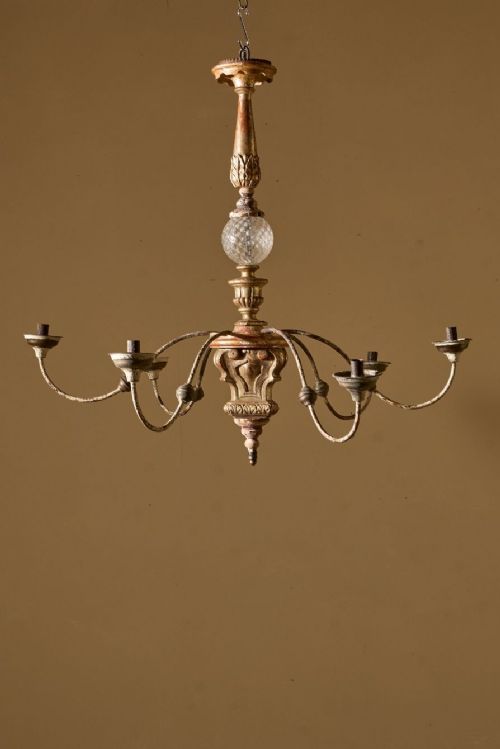
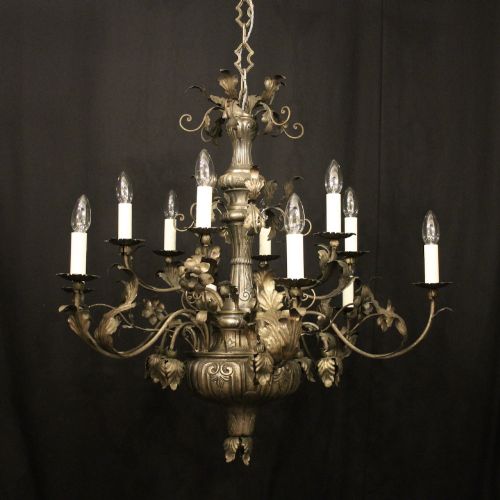
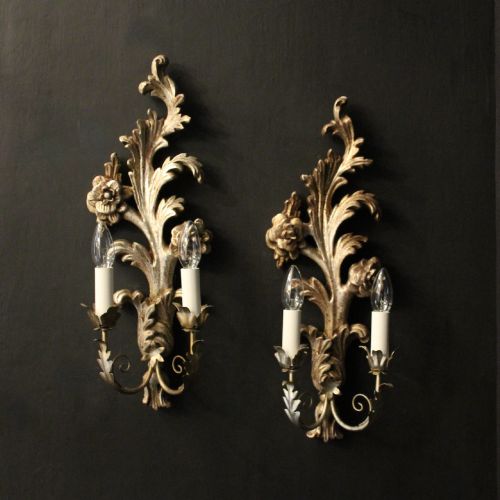
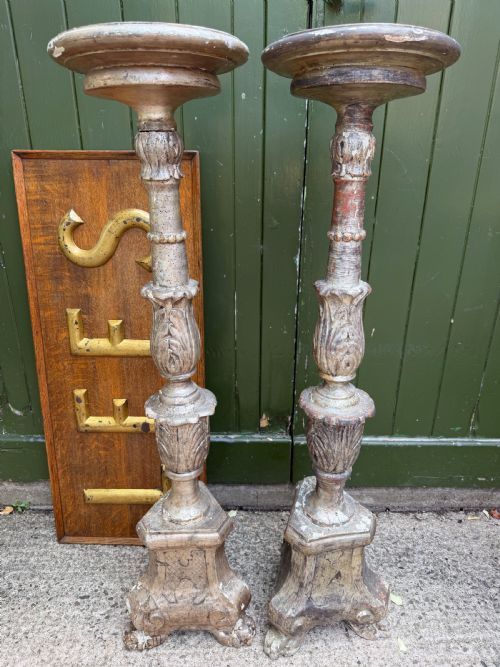
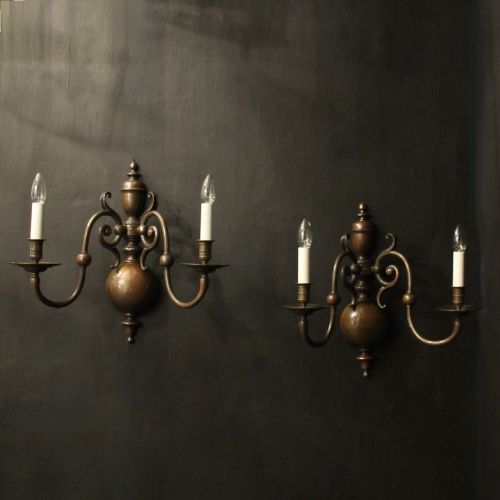
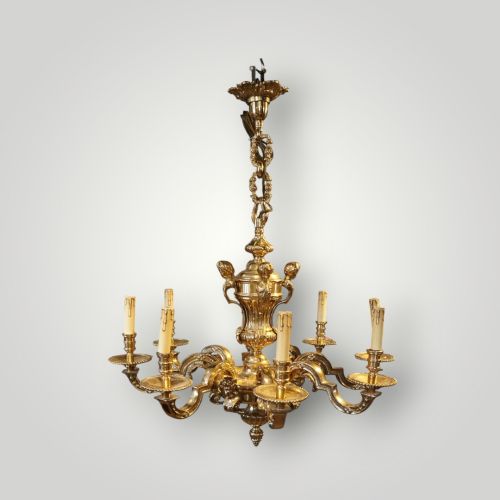
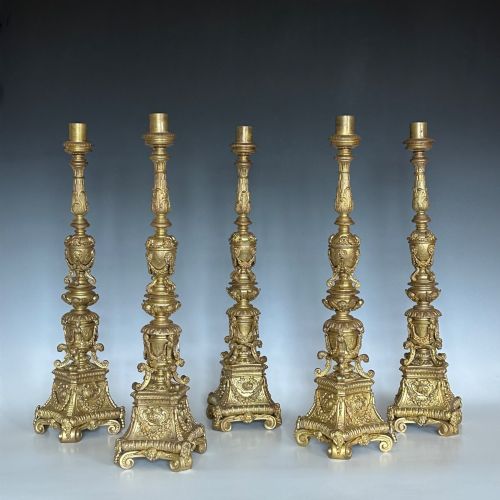
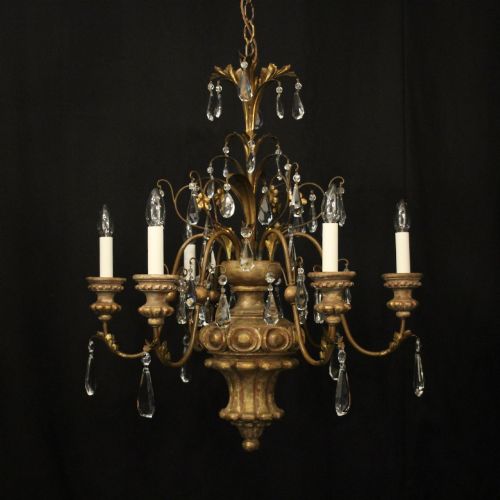
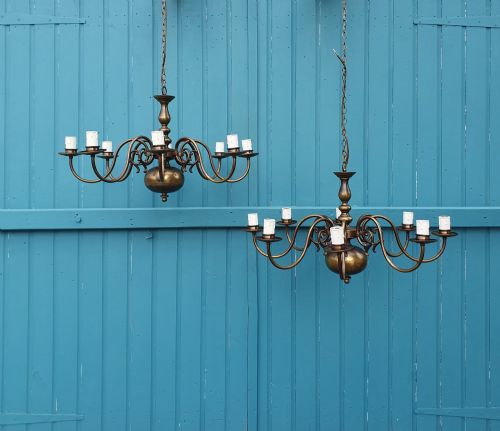
The most common forms meeting the eye are multi-armed chandeliers and matched pairs of wall sconces, often wired for electricity while retaining their historic silhouette. Candlesticks and towering torcheres also appear frequently, reflecting the shift from practical candle illumination to decorative domestic lamps.
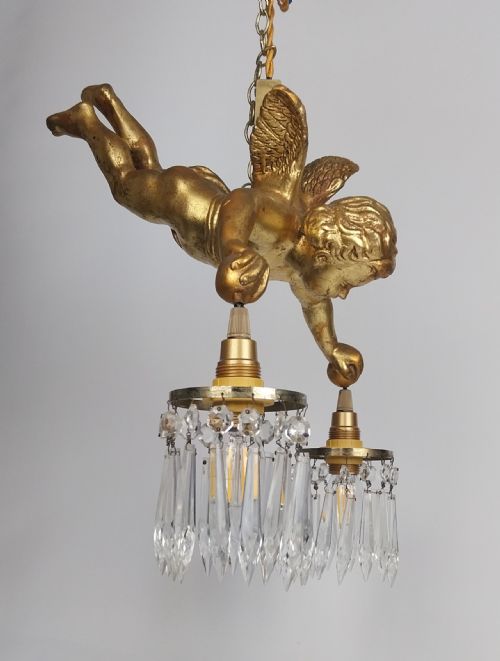
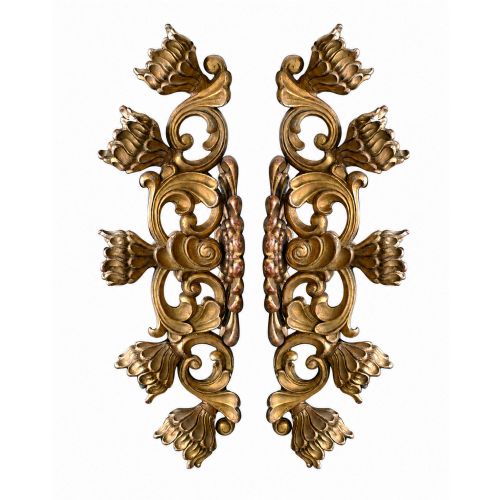
Pieces range from simple brass and bronze bracket fittings to monumental carved wooden lanterns and altarpiece figures. Regional traits distinguish the objects, from Venetian giltwood and putti motifs to Flemish oak construction.
Materials and Construction
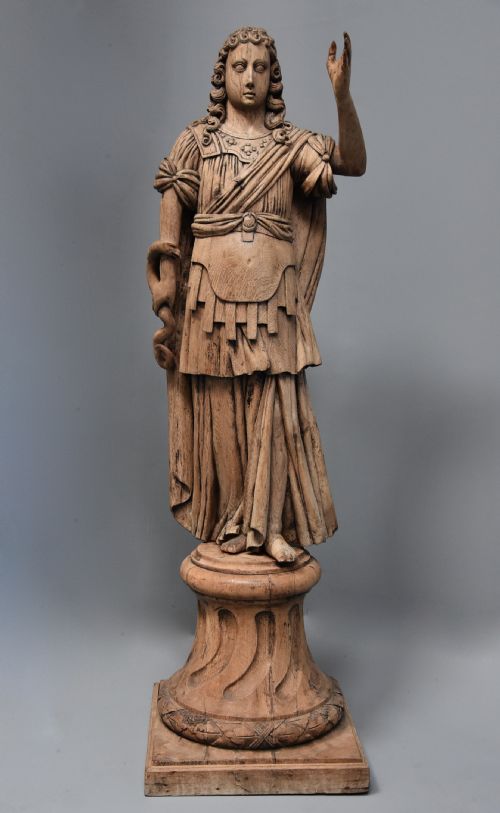
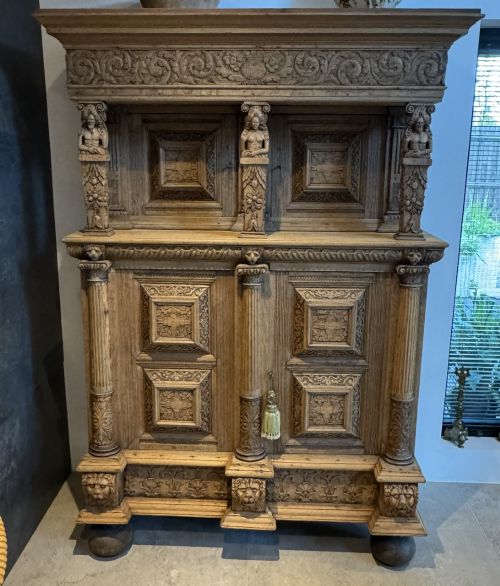
Makers relied on substantial hardwoods such as oak and walnut for large carved figures, torcheres, and wall brackets, often finishing the timber with gesso, gold leaf, or silvering. Metalwork relies heavily on cast bronze, brass, and ormolu, shaping heavy arms and drip pans for chandeliers and sconces.
Surface decoration defines the construction, utilising applied gold leaf over carved wood, polychrome paint, and occasionally coloured crystals or Murano glass elements. Many of these metal and wooden fittings show evidence of later adaptation for electric wiring while preserving their historic frames.
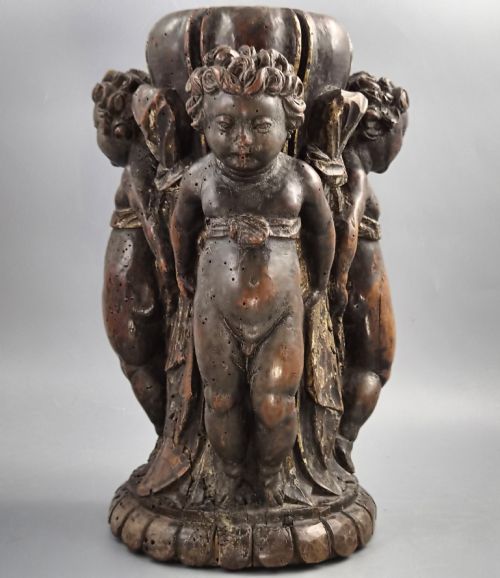
Several fixtures feature chubby carved putti clinging desperately to wooden columns.
Assessing Quality and Execution
Quality rests in the crispness and depth of the hand-carved detail, distinguishing spirited figural work like putti and cherubs from flat, mechanical reproduction. The weight and casting quality of the metal elements dictate the durability and presence of bronze and brass chandeliers and wall sconces.
The integrity of the original giltwood or silvered surface determines the visual success of wooden pieces, where worn gilding should reveal the red bole or gesso layer beneath rather than modern paint. Proportion and balance in multi-arm configurations separate masterwork assemblies from lesser workshop output.
The Antique Baroque Lighting Glossary
- Giltwood
- Wood that has been coated with a thin layer of gold leaf. It is a defining finish for decorative Italian wall lights and chandeliers.
- Torchiere
- A tall stand or floor lamp designed to hold a light source high. These often take the form of carved wooden columns or figures.
- Pricket
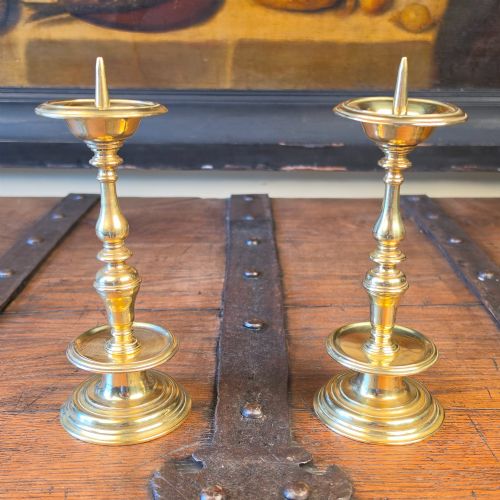
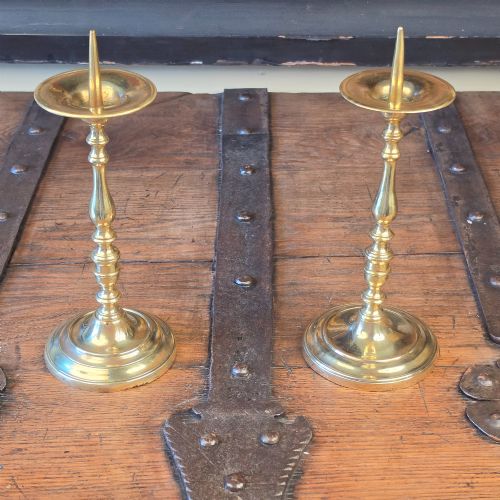
- A sharp metal spike on a candlestick or chandelier drip pan designed to secure a wax candle. This form is common in seventeenth and eighteenth-century ecclesiastical pieces.
- Ormolu
- Gilded bronze used for decorative mounts and lighting fixtures. The technique involves applying a mercury and gold amalgam to cast bronze.
- Gesso
- A plaster mixture applied to wood surfaces to create a smooth base for gilding or painting. It allows carvers to achieve fine detail before applying gold leaf.
Antique Baroque Lighting: Frequently Asked Questions
How do I wire antique baroque lighting for modern use?
Many metal and wooden wall lights arrive with modern wiring installed by previous handlers, but older fixtures may require a professional rewire to meet safety standards. Qualified electricians can thread modern flex through historic brass arms or wooden channels without damaging the structural integrity.
Care should be taken to preserve original sockets and candle tubes where possible, integrating modern internal components discreetly. Consulting a specialist ensures the fixture safely supports the weight of multi-arm chandeliers and heavy wooden brackets.
How do I distinguish 17th century pieces from later revivals?
Examining the construction joints, tool marks, and wear patterns helps separate genuine seventeenth-century items from nineteenth-century revival pieces. Early woodwork typically shows hand-adzed surfaces and iron fixings appropriate to the period rather than modern machine screws.
Revival pieces often combine historic styles with nineteenth-century manufacturing methods, such as uniform cast metal components. Comparing the patination of the giltwood or bronze across the entire object provides further clues to its true age.
Where were these lights used originally?
Grand European churches, palazzos, and wealthy merchant houses originally commissioned these heavy chandeliers, altarpieces, and torcheres to illuminate vast, high-ceilinged rooms. Altar candlesticks and pricket lights served religious functions before being converted into lamps or wall fittings in later centuries.
Domestic spaces utilised wall sconces and smaller chandeliers to reflect candlelight off polished wood and gilt surfaces, maximising the dim illumination available before electricity. Their imposing scale reflects the grand architecture they were built to inhabit.
How do I clean giltwood and bronze fixtures?
Dusting giltwood requires a very soft brush to avoid disturbing fragile gesso and gold leaf layers, steering clear of liquid cleaners and harsh chemicals. Bronze and brass components tolerate mild, non-abrasive metal cleaners where appropriate, though preserving the historic patina is generally preferred.
Professional conservation is recommended for pieces with flaking gesso or deteriorated gilding. Regular, gentle maintenance prevents dust accumulation without risking the historic surfaces.