
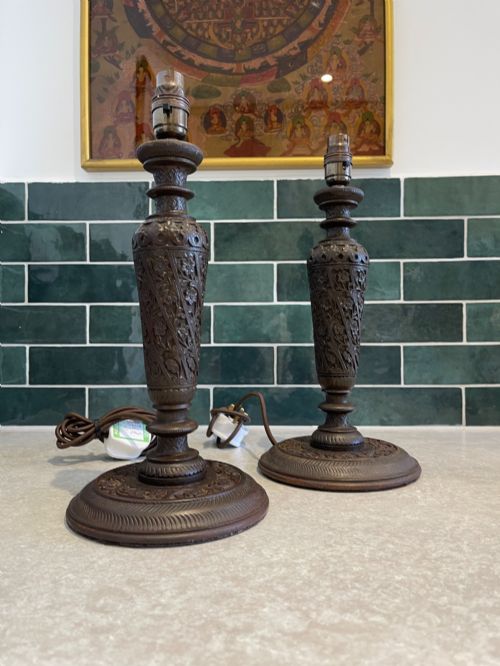
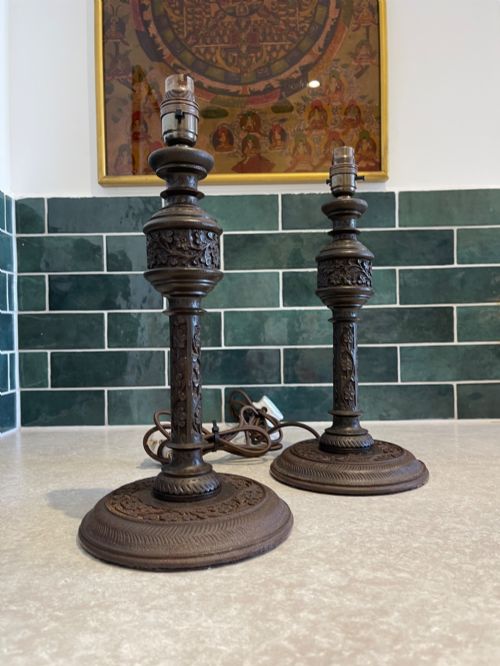
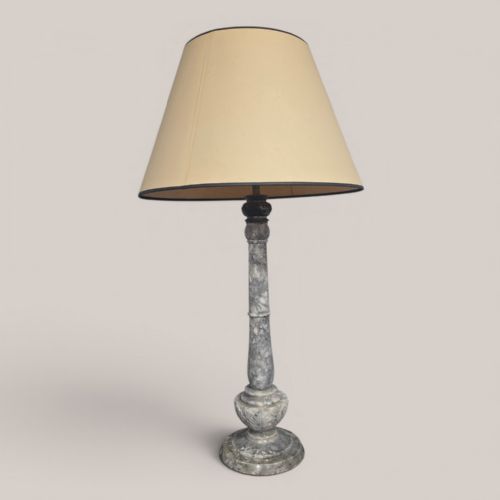

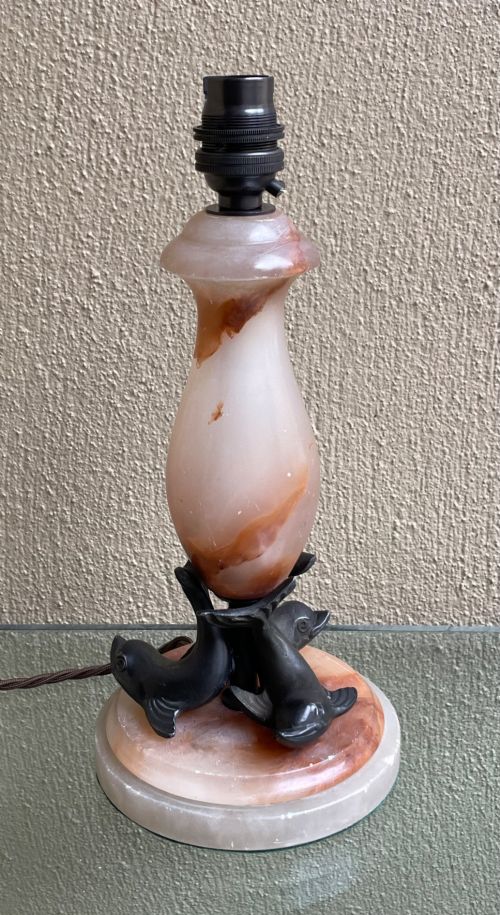
Antique Carved Lamp Base
An antique carved lamp base brings sculptural weight and tactile warmth to a room, bridging period craftsmanship and modern illumination.
Antique Carved Lamp Base
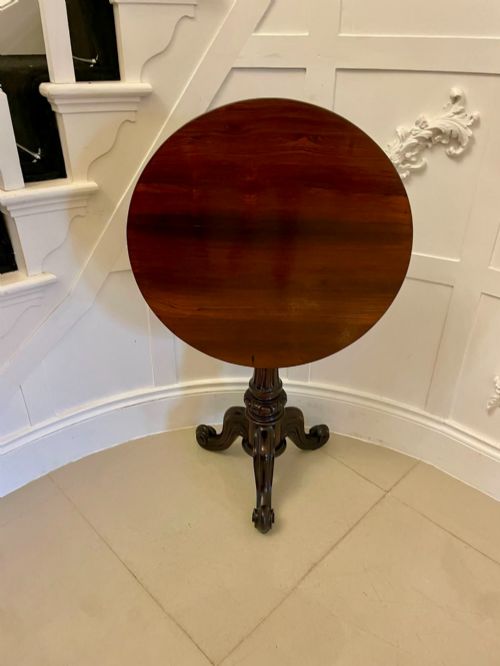
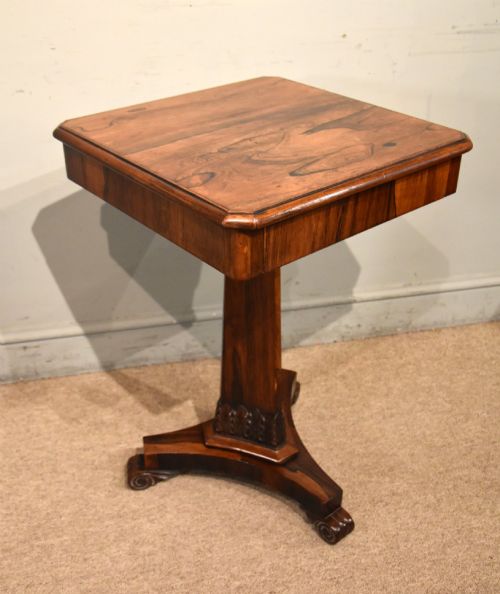
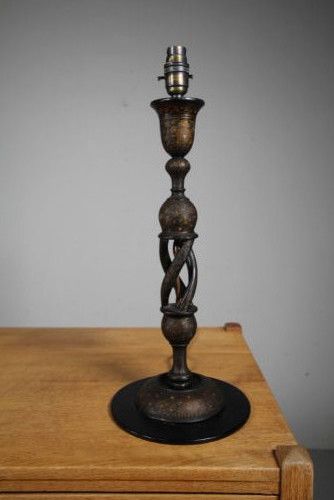
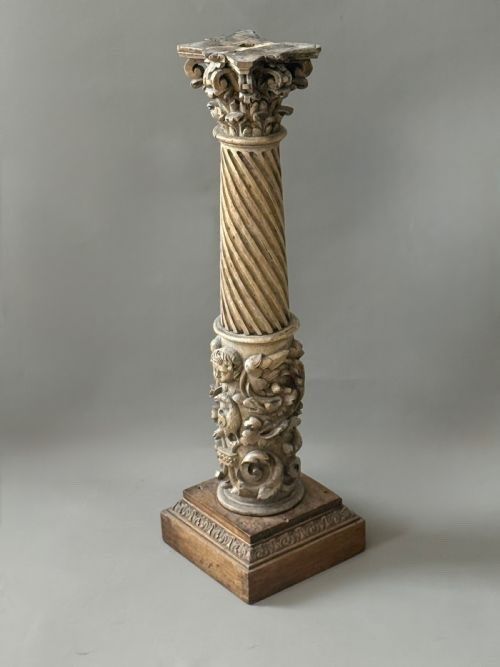
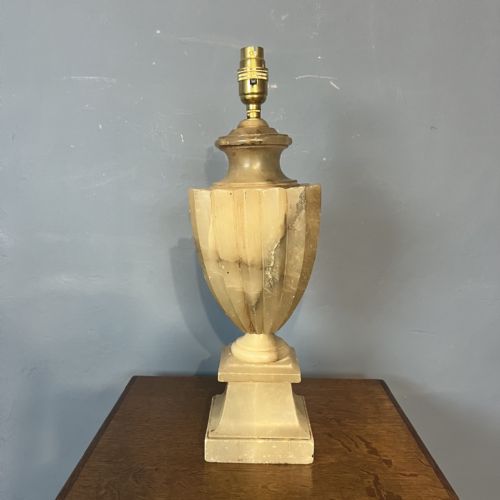
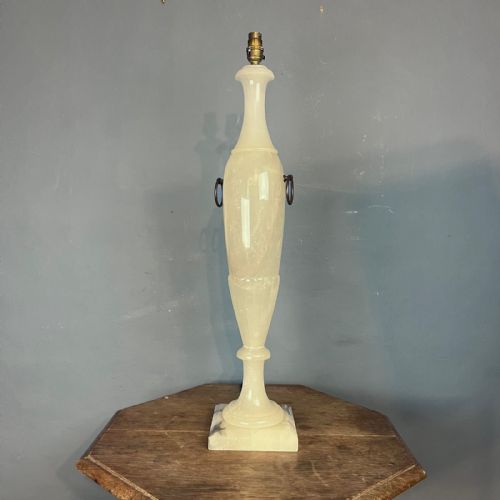
An antique carved lamp base takes many forms across this selection, appearing as table lamps, standard floor lamps, and converted tables or columns. Buyers seeking this phrase encounter pieces shaped from timber, stone, and metal, spanning the nineteenth and early twentieth centuries.
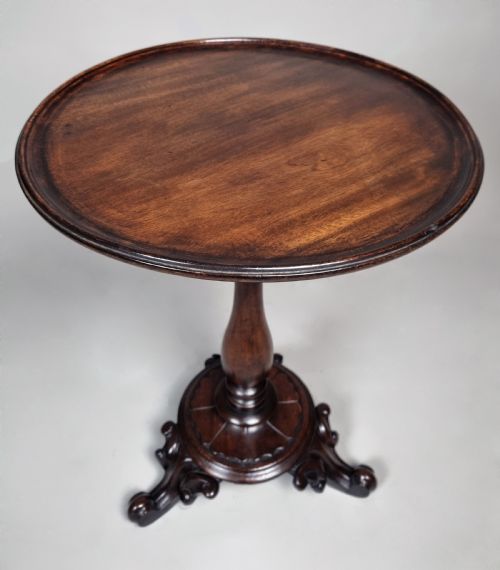
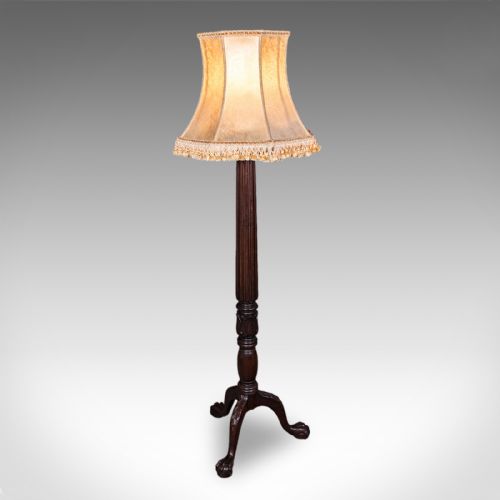
The most frequent examples on this page are carved wooden standard lamps and table lamps alongside occasional tables adapted for lighting. These items reflect periods from Regency and William IV through to Edwardian and Art Deco designs.
Origins vary widely, encompassing English workshops, continental European studios, Kashmiri artisans, and Japanese Meiji period bronzes. Each piece demonstrates how period furniture components and decorative objects transition into functional lighting.
Materials and methods of construction
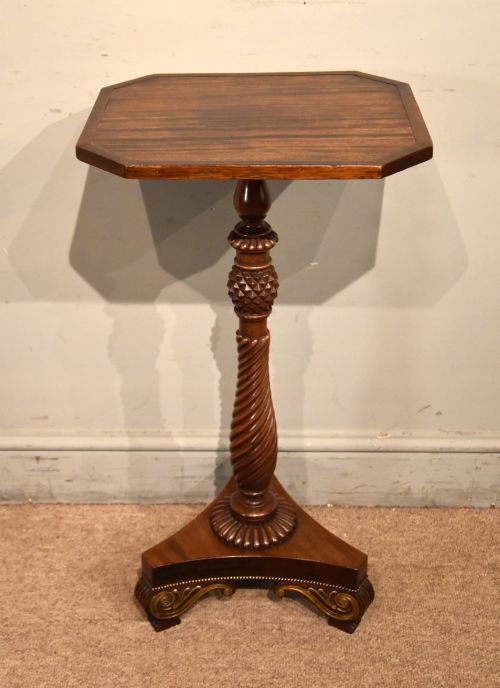
Makers shaped these items from dense hardwoods such as mahogany, rosewood, and oak, often employing hand-carving techniques to create twist columns, tripod supports, and floral motifs. Softer woods receive gilt finishes or limed treatments to alter their surface appearance.
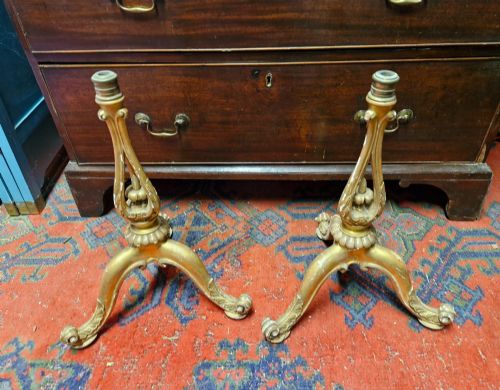
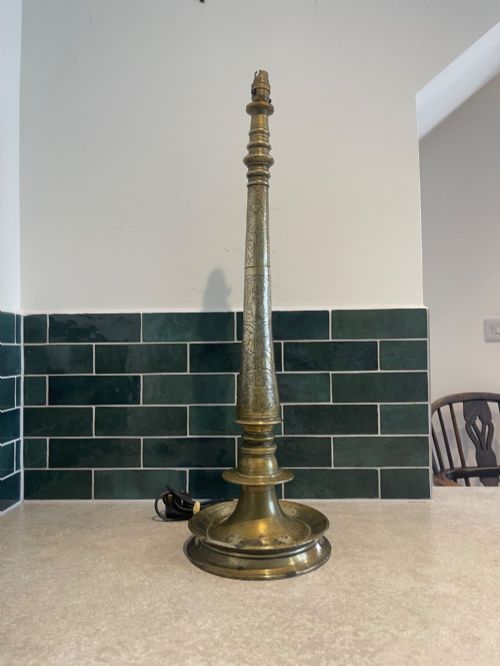
Stone and mineral materials like alabaster and marble undergo precise turning and carving to form smooth columnar or figural table lamps. Metal components in brass, bronze, and EPNS utilise casting and chasing methods to achieve intricate surface details like eagles, serpents, and dragons.
Regional origins span English workshops, French marble works, Kashmiri twist turnings, and Japanese Meiji bronzes.
Distinctions in quality
Quality rests upon the crispness and depth of the hand-carving, where sharp relief work and balanced proportions elevate a piece above simpler turned alternatives. The selection of timber grain, the weight of cast bronze or alabaster, and the integrity of original gilding dictate the overall caliber.
Integration of the electrical conversion also marks higher standards, particularly when wiring preserves the structural fabric of an older candlestick, pillar, or vase without compromising the original silhouette.
The Antique Carved Lamp Base Glossary
- Standard lamp
- A tall floor-standing lamp base designed to provide ambient room illumination. These often stand on heavy tripod or circular weighted bases to ensure stability.
- Tripod base
- A three-legged support structure commonly found on nineteenth-century standard lamps and occasional tables. This configuration provides a stable footprint for taller vertical shafts.
- Alabaster
- A fine-grained, translucent stone used for carved table lamps during the late nineteenth and early twentieth centuries. It diffuses light gently when illuminated from within or nearby.
- Giltwood
- Timber that has been coated with a thin layer of gold leaf or gesso preparation. This finish appears frequently on decorative standard lamps and revival furniture bases.
- Meiji period
- The era of Japanese history spanning from 1868 to 1912, noted here for intricate bronze animal sculptures later adapted into table lamps.
Antique Carved Lamp Base: Frequently Asked Questions
How do I choose the right height for a table lamp?
Consider the surface where the lamp sits and the eye level of anyone seated nearby. Taller alabaster or bronze columns suit sideboards, while shorter turned wooden bases fit smaller occasional tables.
Ensure the combined height of the base and shade places the bottom of the shade at eye level to avoid glare.
Can older lamp bases be safely rewired?
Most period bases require modern wiring to meet current safety standards. Professional electricians can thread modern flex through existing channels without altering the visible exterior.
Retaining original switches or brass lamp holders where possible maintains the historical integrity of the piece.
How do I distinguish William IV styles from later Victorian pieces?
William IV designs typically feature bold, heavy proportions with Greco-Roman motifs, robust scrollwork, and rich rosewood or mahogany timbers. Victorian interpretations often incorporate lighter scaling and greater variety in revival styles.
Examining the turning techniques and secondary woods helps clarify the manufacturing era.
What is the difference between a lamp table and a standard lamp?
A lamp table combines a small occasional tabletop with structural support designed to hold a light fitting or column. A standard lamp is a dedicated floor-standing vertical shaft without a functional surface for holding objects.
Both serve to introduce illumination into a seating area.