



Vintage Pewter Charger Plate
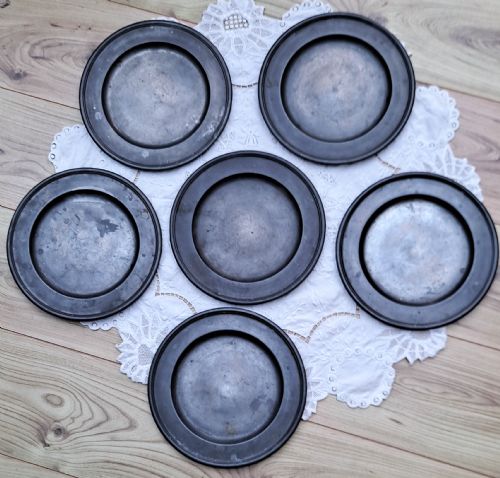
These vintage pewter charger plate examples offer solid metal surfaces and historic English craft, perfect for traditional displays.
Vintage Pewter Charger Plate
A vintage pewter charger plate sits at the larger end of historic metal tableware, serving as a decorative platter or dining base. Buyers seeking a vintage pewter charger plate encounter large flat dishes, wide rims, and substantial metal weights.
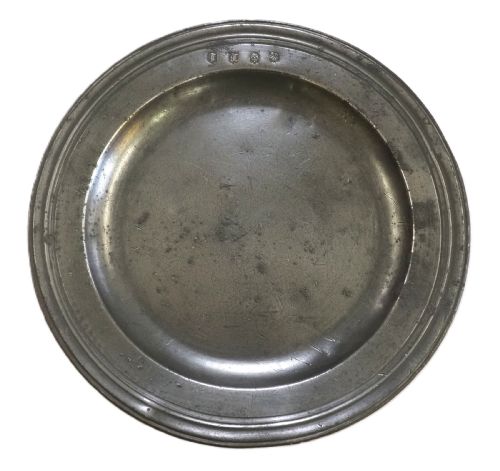
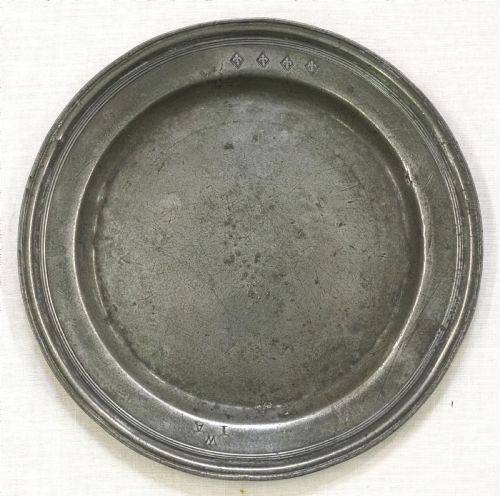
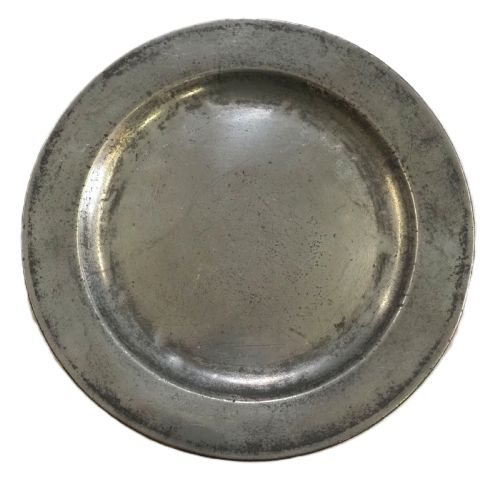
The pieces on this page span the seventeenth, eighteenth, and nineteenth centuries, alongside later Arts and Crafts interpretations. Forms include plain rims, triple reeded edges, and multiple reeded plates originating from English workshops.
Most examples function today as wall decor or large platters rather than everyday dining ware. The surfaces show the soft grey tones characteristic of historic tin alloys shaped by hand and lathe.
How they were made
Pewter makers cast molten metal alloys into flat moulds before hammering and turning the surface on a lathe. Craftsmen shaped the rims by hand, adding reeding or leaving the borders plain according to contemporary tastes.
Later Arts and Crafts examples utilise beaten metal techniques to create textured wall plates rather than smooth historical platters. Makers hammered the alloy from the reverse to build decorative relief patterns across the well and rim.
What varies in quality
The clarity and depth of maker touchmarks stamped into the metal distinguish standard workshop output from finer documented pieces. Clear ownership initials and maker hallmarks provide secure attribution to known English pewterers.
Rim profile definition and metal thickness dictate the structural integrity and visual presence of each charger. Crisp reeding and well-balanced proportions separate utilitarian kitchen items from grand dining hall display pieces.
William Wright·T and H Compton·John Tubb·Robert Moulins II·Humphrey Evans II·Nehemiah Cloudesley·S Duncomb
The Vintage Pewter Charger Plate Glossary
- Charger plate
- A large decorative platter or base plate placed beneath smaller dishes during formal dining. These substantial metal plates often measure twenty inches or more across.
- Reeded plate
- A metal plate featuring parallel raised rings or mouldings around the rim. Triple reeded and multiple reeded variants display distinct banded detailing.
- Pewter
- A malleable metal alloy consisting primarily of tin combined with copper, antimony, or lead. This historic material develops a soft grey patina over centuries of exposure.
- Touchmark
- A small stamp impressed into pewter by the maker or workshop to denote quality and origin. These marks often include initials and symbols registered with trade guilds.
- Plain rim
- A minimalist plate border lacking decorative mouldings or reeding. This understated style focuses attention on the flat expanse of the metal well.
Vintage Pewter Charger Plate: Frequently Asked Questions
How do I hang a pewter charger?
Heavy metal wall plates require specialised secure hangers that distribute weight evenly across the reverse rim without pinching the soft metal. Most collectors use coated wire display springs designed specifically for large platters.
Ensure the wall fixing anchors firmly into masonry or studs to support the considerable weight of seventeenth and eighteenth-century chargers safely.
Can I use antique pewter for dining?
Older pewter formulations frequently contained lead and other components that make modern food contact inadvisable. Historic plates display surface wear and softer metal integrity unsuited to regular culinary service.
Most buyers preserve these historic items as decorative wall art or sideboard centerpieces rather than functional tableware.
How do I clean historic pewter?
Gentle washing with mild soap and warm water removes dust without damaging the soft historic surface. Avoid aggressive metal polishes that strip away the centuries-old grey patina collectors value.
Dry the metal thoroughly with a soft cloth immediately after washing to prevent water spotting on the tin alloy.
How do I date an old charger?
Rim styles and manufacturing techniques offer the primary clues for dating historic metalwork. Plain rims and heavy hammering typically point to earlier periods, while touchmarks provide direct links to documented working dates of specific makers.
Comparing edge profiles against known seventeenth and eighteenth-century examples helps narrow the decade of production.