









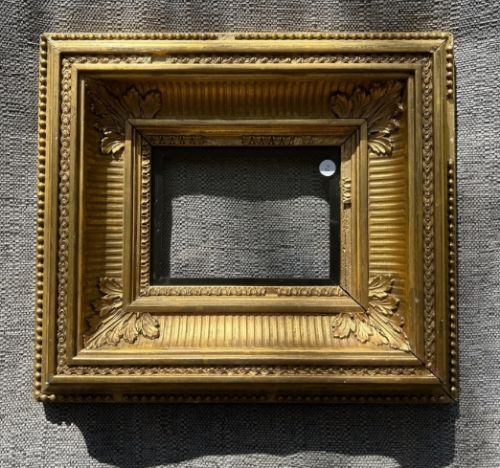
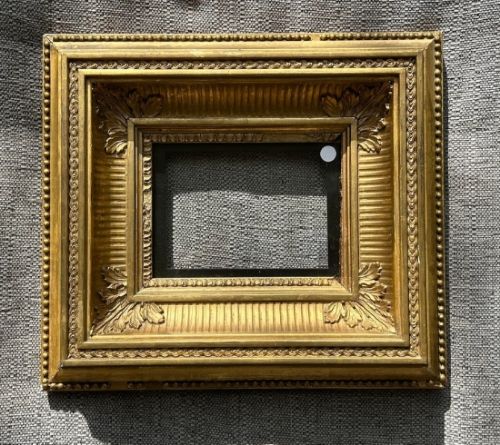

Vintage Painting Frame
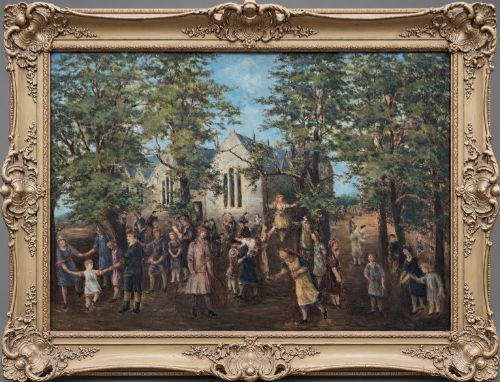
When buyers search for a vintage painting frame, they seek enclosures of wood and gilt that give older artworks their proper architectural boundary.
Vintage Painting Frame
A vintage painting frame serves as the protective and decorative perimeter for artworks originating across the nineteenth and twentieth centuries.
The selections encountered here encompass formats designed for oil paintings, watercolours, and panels, spanning Edwardian and Victorian eras through to the mid-twentieth century.
These pieces balance structural support with aesthetic presentation, often incorporating gilded mouldings, carved wood, or decorative crests suited to period interiors.
How They Were Made
Makers utilised timber as the foundational substrate, constructing robust wooden profiles designed to bear the tension of stretched canvases or support rigid panels.
Gilt finishes and applied ornamentation were frequently added to the wooden framework, creating reflective surfaces that caught ambient light and drew the eye toward the central artwork.
The archive includes oil paintings, watercolours, and wall mirrors housed within period surrounds.
What Varies in Quality
The standard of a frame rests upon the depth of its carving, the integrity of its joinery, and the harmony between its proportions and the period artwork it houses.
Subtlety in the application of surface gilding and the preservation of original patination separate standard commercial surrounds from finer examples of period craftsmanship.
Henry Barraud·Bruce Bairnsfather·Kenneth Cozens·Jozsef Molnar·Bernard Hailstone·Fred Lawson·Owen Bowen
The Vintage Painting Frame Glossary
- Gilt
- A thin layer of gold leaf or metallic paint applied to the wooden surface of a frame. This technique adds brightness and visual weight to the border.
- Moulding
- The shaped strip of wood or plaster that forms the profile of the frame. Profiles range from simple flat planes to heavily carved ogee curves.
- Panel
- A flat piece of wood or other rigid material used as a support for paintings instead of flexible canvas. Frames built for panels often require specific rebate depths.
- Rebate
- The recessed internal step at the back of a frame where the canvas, glass, and artwork sit securely. Proper depth ensures the painting rests flush within the assembly.
Vintage Painting Frame: Frequently Asked Questions
How do I choose the right frame?
Match the period and scale of the frame to the artwork it holds, ensuring the moulding weight complements the composition without overpowering the subject.
Consider the interior space where the piece will hang, as wooden and gilt finishes interact differently with natural light and wall colours.
Can I put a modern canvas inside?
Check the depth of the rebate to ensure the thickness of a modern stretcher bar fits comfortably within the antique wooden housing.
Securing contemporary works inside older surrounds requires careful measurement of both height and width dimensions.
How should I clean the wood and gilt?
Dust surfaces gently with a dry, soft brush to remove accumulated particles without disturbing delicate metallic leaf or aged patination.
Avoid liquid cleaners and moisture entirely, as water can lift fragile gesso and damage historical wooden finishes.
How do I date a frame?
Examine the construction methods visible at the reverse corners, noting the type of wood, fixings, and joinery techniques employed by the maker.
Stylistic cues such as ribbon crests, gesso ornamentation, and proportions often align with Victorian or Edwardian design periods.