



French Chateau Picture Frame
These French chateau picture frame pieces bring grand decorative presence into a room, offering authentic period character for framing art or mirrors.
French Chateau Picture Frame
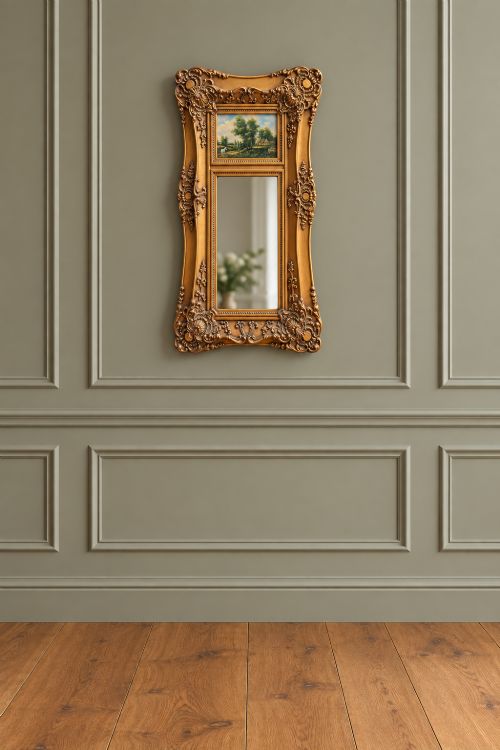
When you search for a French chateau picture frame, you encounter a selection of heavily ornamented surrounds, mirrors, and paintings spanning several centuries. The material evidence on this page demonstrates that these items frequently overlap with wall mirrors and oil paintings housed in elaborate historical housings.
The objects span from the seventeenth century through to the early twentieth century, showing distinct influences from the Baroque, Rococo, and Georgian styles. You are most likely to meet nineteenth-century gilt-wood examples and intricately carved frames that reflect traditional French chateau aesthetics.
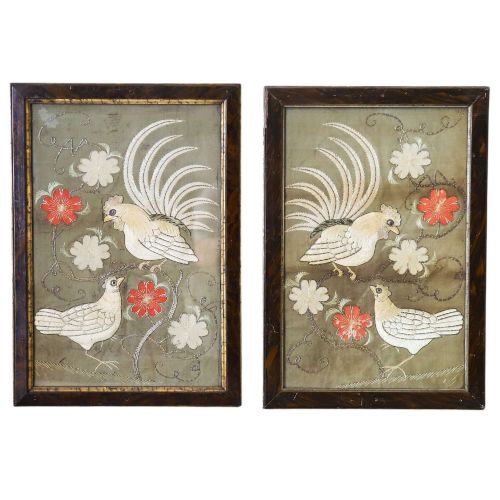
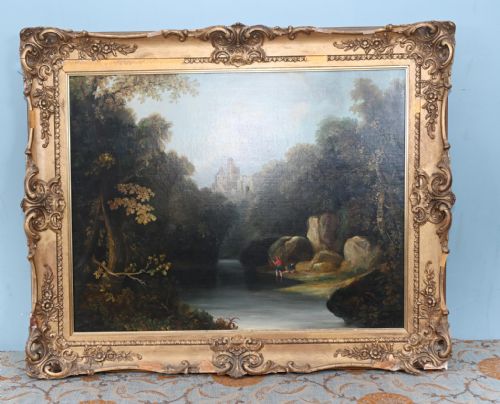
Beyond standard empty framing, the selection includes framed textiles, needlework panels, pastel portraits, and plein air oil paintings. Each piece carries the distinct artisanal craftsmanship associated with historic European domestic interiors.
How they were made
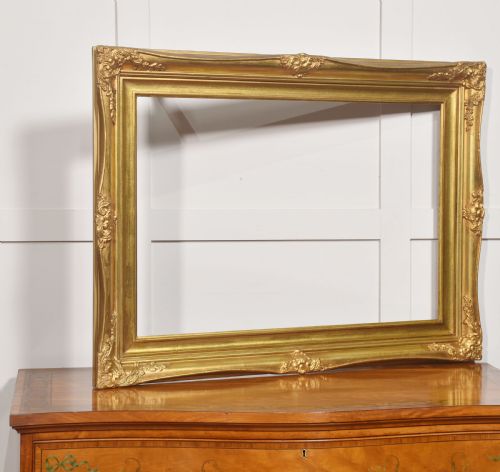
The construction of these pieces relies heavily on carved wood foundations finished with gesso and gold leaf or standard giltwood applications. Artisans shaped timber bases to support complex scrollwork, floral motifs, and architectural profiles characteristic of the period.
Surface decoration frequently involves layered gilding techniques applied over prepared gesso grounds to achieve a brilliant metallic sheen. Alternative frames utilise faux tortoiseshell finishes or plain wood structures designed to complement silk embroideries and tapestry panels.
What varies in quality
Quality in these items is determined by the depth and crispness of the hand-carved ornamentation across the wooden structure. Superior examples display sharply defined relief work in the gesso and precise joinery rather than generalized moulding.
The integrity of the original gilt surface also dictates the standing of a piece, with undisturbed gold leaf patination holding greater visual harmony than later repainted interventions.
The French Chateau Picture Frame Glossary
- Giltwood
- Wood that has been coated with gold leaf or a gold-colored metallic finish. This surface treatment was widely applied to frame mouldings and mirror surrounds to catch natural light in grand rooms.
- Gesso
- A plaster-like mixture applied to a wooden base as a smooth surface for gilding or painting. It allows craftsmen to carve intricate relief details before applying gold leaf.
- Rococo
- An ornate artistic style characterised by asymmetrical scrolls, C-curves, and naturalistic plant motifs. It heavily influences the decorative framing found on many eighteenth and nineteenth-century pieces.
- Baroque
- A flamboyant stylistic period preceding the Rococo, known for dramatic scale and rich, heavy ornamentation. Pieces from this era exhibit robust architectural presence.
- Plein air
- A French expression describing the act of painting outdoors. This technique is visible in period oil paintings captured directly in the landscape of regions like the Loire.
French Chateau Picture Frame: Frequently Asked Questions
What periods do these frames represent?
The selection spans from the seventeenth century to the early twentieth century, encompassing various revivals.
You will find examples reflecting Baroque, Rococo, and Georgian tastes alongside nineteenth-century French craftsmanship.
Are these items strictly empty frames?
While dedicated picture frames appear in the listings, many items include original contents.
The inventory frequently pairs historical frames with oil paintings, pastels, needlework panels, and wall mirrors.
What materials are typically used?
Construction primarily involves carved wood finished with gesso and gold leaf or giltwood.
Some variations incorporate glass, canvas, silk, and wool within textile artworks and painted panels.
How do I identify a Rococo style frame?
Rococo frames are defined by exuberant, asymmetrical scrollwork and shell-like motifs.
This style avoids strict symmetry in favor of flowing, organic curves derived from nature.