

19th Century Gilt Frame
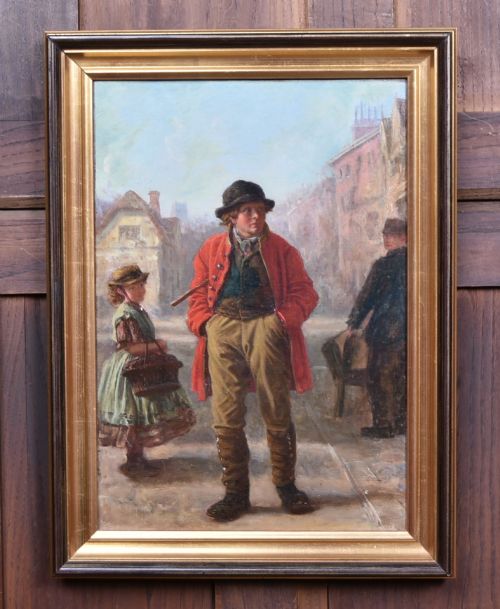
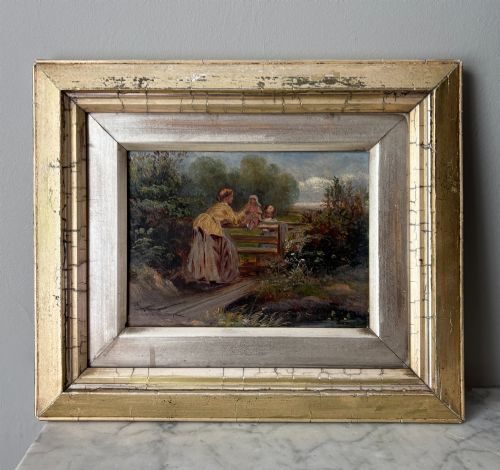
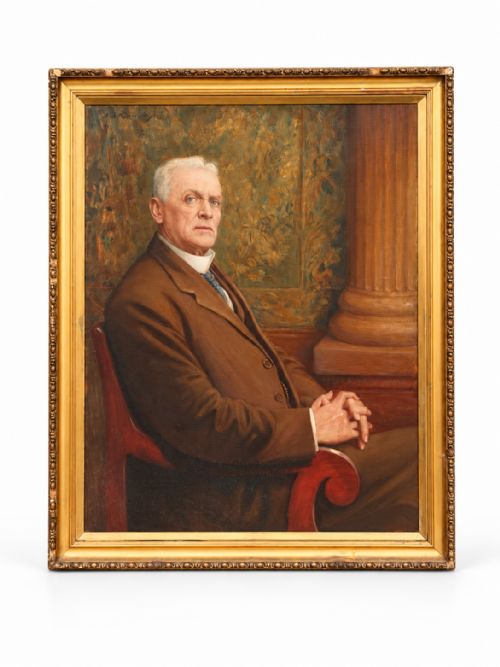
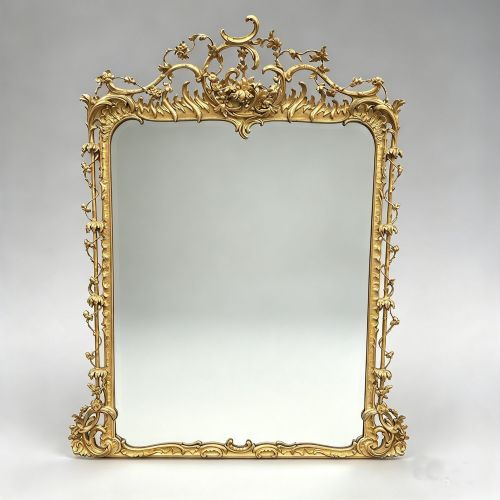
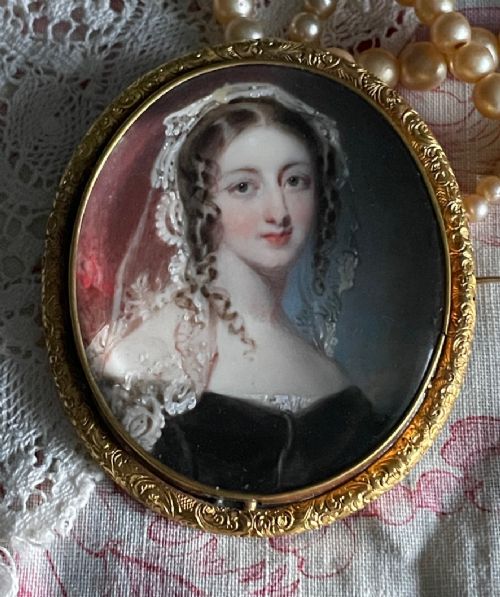
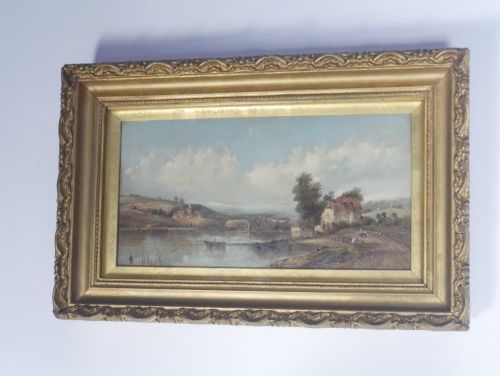
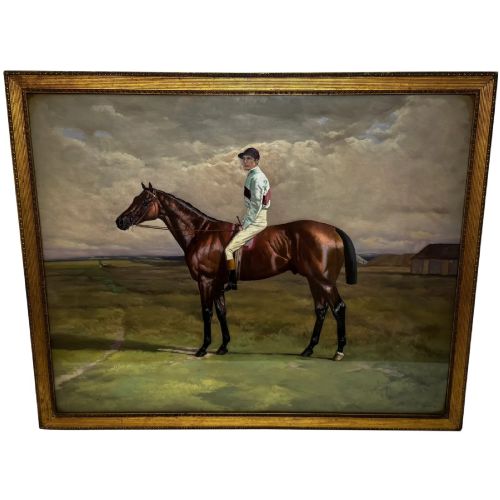
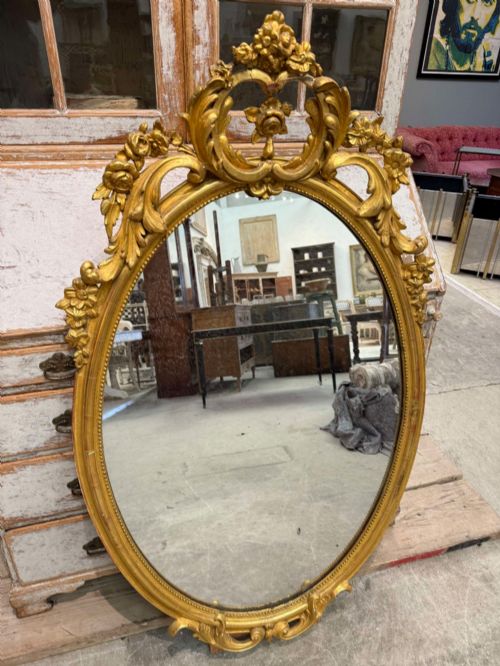
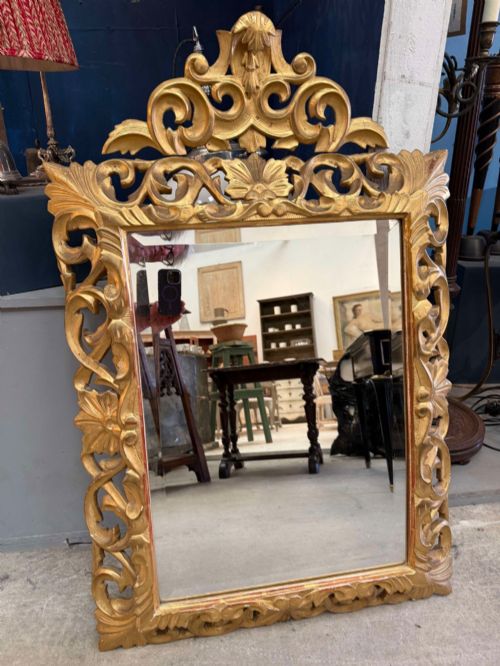
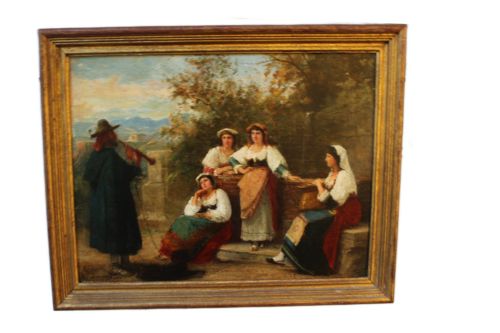
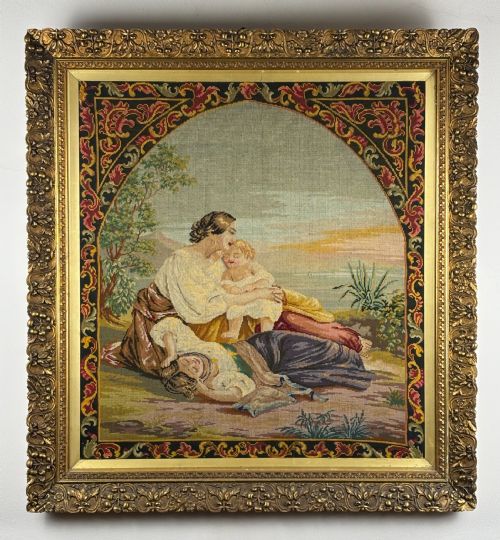
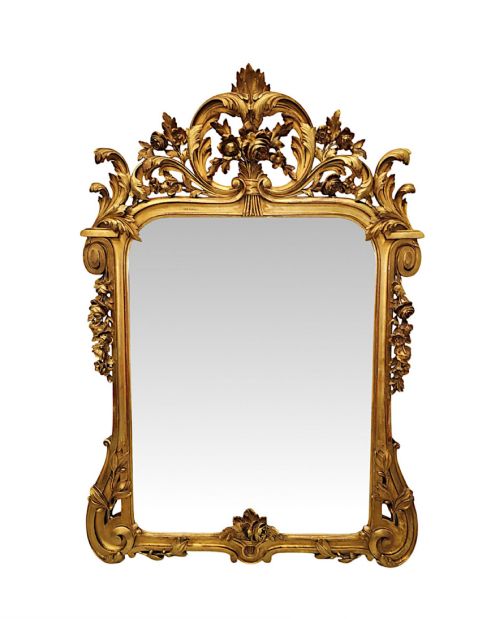
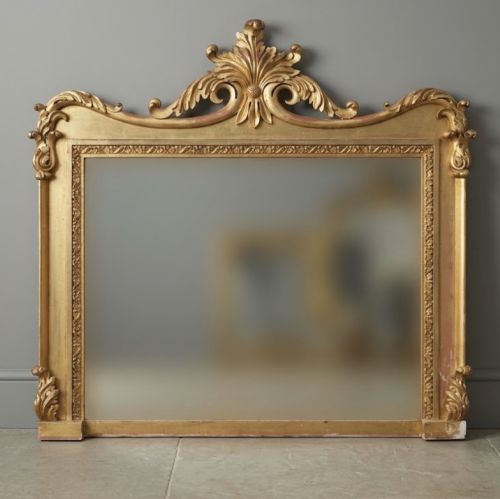
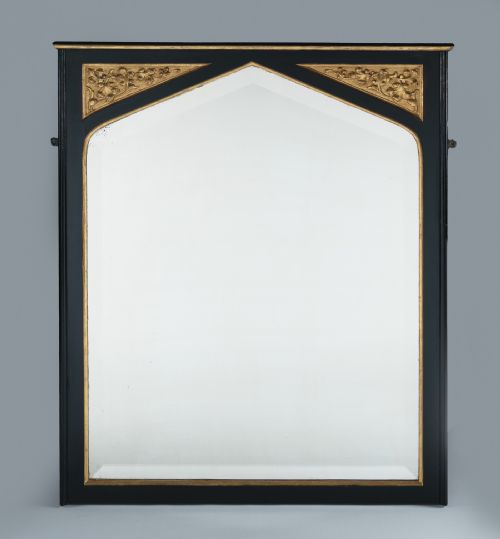
A 19th century gilt frame brings warmth and historic presence to any interior, housing fine oils, watercolours, and architectural mirrors alike.
How they were made
Makers constructed the structural carcass from timber, frequently utilising carved wood for primary support and intricate load-bearing elements. To achieve sculptural relief, artisans applied layers of gesso - a mixture of chalk and binder - directly onto the wooden base.
Gilded surfaces were finished using thin leaves of metal applied over bole, burnished to achieve varied lustres from matte to brilliant shine. Decorative motifs such as rope twists, tulip patterns, and ribbed moulding were hand-carved or moulded in relief before gilding took place.
What varies in quality
The standard of carving and the crispness of the gesso ornamentation dictate the baseline tier of craftsmanship. Superior examples display deeply undercut wooden carving and sharply defined relief work rather than softened, shallow moulding.
Originality of surface finish and the preservation of the gilding layers heavily influence overall merit. Pieces retaining their untouched period gold leaf display an authentic warmth that distinguishes them from later re-gilded or heavily restored alternatives.
19th Century Gilt Frame Retail Price Guide 2026
Typical asking prices for 19th century gilt frame among the pieces listed under this phrase on Sellingantiques today, from the lower quarter to the upper quarter. They describe what is for sale here now, not the wider market.
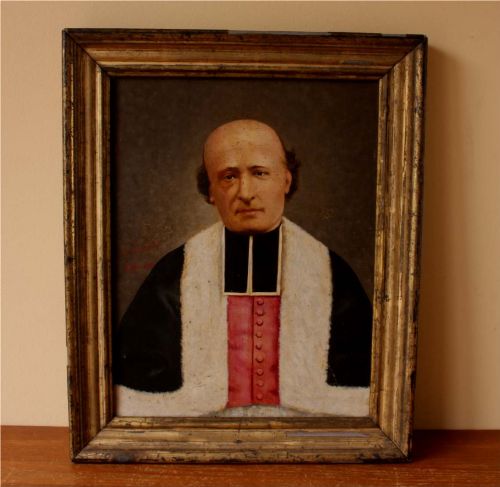
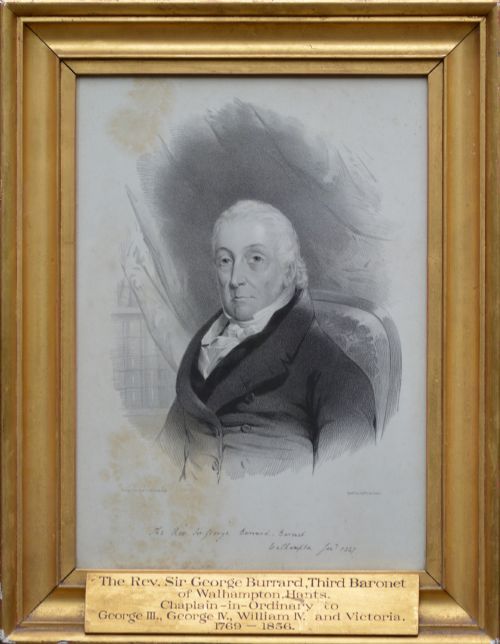
Some frames come complete with 19th-century portraits of horses, gentlemen, and aristocratic dogs who stare back across the centuries.
Charles Nosotti·Joseph Clover·Henry Barraud·William James Hubard·William Henry Williamson
The 19th Century Gilt Frame Glossary
- Gesso
- A prepared mixture of chalk, gypsum, and glue used as a base for moulding and gilding on wooden frames. Artisans built up this layer to carve intricate decorative details before applying gold leaf.
- Giltwood
- Timber that has been coated with gold leaf or powder. This material forms the primary visual element of high-status 19th-century frames.
- Overmantel mirror
- A large wall looking glass specifically proportioned to hang above a fireplace mantelpiece. These architectural pieces often feature arched tops and elaborate gesso mouldings.
- Pier glass
- A tall, narrow mirror designed to hang on the wall space between windows, known as the pier. Regency examples frequently incorporate detailed gilded frames.
- Swept frame
- A frame profile featuring undulating, curved contours that sweep outwards towards the corners. This style adds dramatic movement and depth to the artwork it encloses.
19th Century Gilt Frame: Frequently Asked Questions
Can I put modern art inside?
A period surround can provide a striking visual contrast when paired with contemporary paintings or photography. Ensure the rebate depth and internal dimensions accommodate the thickness and scale of the modern artwork securely.
Take care to use appropriate conservation mounting materials to protect the new artwork within the antique housing. The juxtaposition of old and new often enhances the presence of both elements in an interior scheme.
Are original mirror plates common?
Many surviving wall mirrors retain their original mercury or early silvered glass plates, which often display characteristic foxing and soft distortion. These subtle imperfections confirm the age and authenticity of the looking glass.
While replacement plates exist where historic glass became too degraded, original glass is strongly preferred by collectors. The gentle speckling adds depth and character that modern glass cannot replicate.
How do I hang a heavy mirror?
Due to the substantial weight of carved wood and gesso construction, secure wall anchoring is vital. Utilise heavy-duty fixings rated for the specific wall type, attaching directly to structural studs or masonry where possible.
Distribute the load evenly using robust wire or heavy brackets fixed firmly to the structural frame rather than decorative elements. Professional installation is recommended for oversized overmantel and floor-standing pieces.