
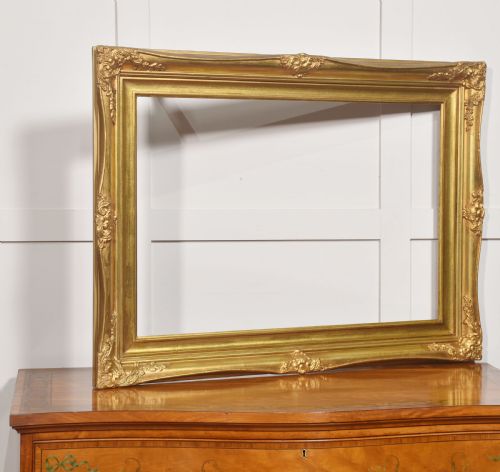


Gesso Painting Frame
A gesso painting frame brings together moulded ornament and historical artistry, offering a decorative enclosure for oil paintings, portraits, and mirrors.
Gesso Painting Frame
When you search for a gesso painting frame, you encounter ornate wooden enclosures designed to house oil paintings, portraits, still lifes, and mirrors. These pieces originate predominantly from the nineteenth century, with Victorian examples and French chateau styles appearing frequently alongside earlier seventeenth-century works and later twentieth-century interpretations.
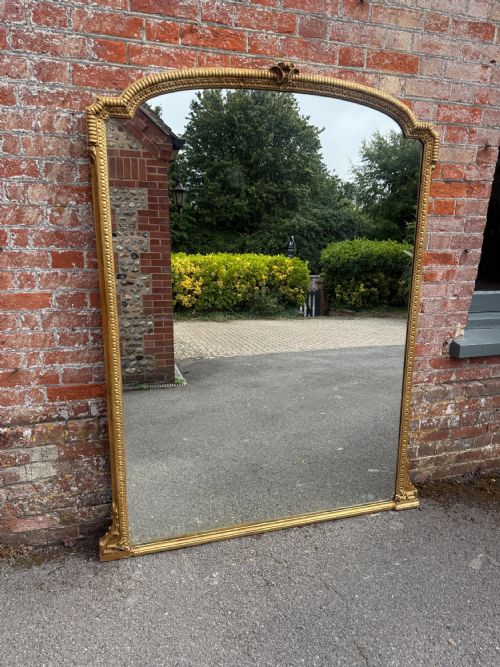
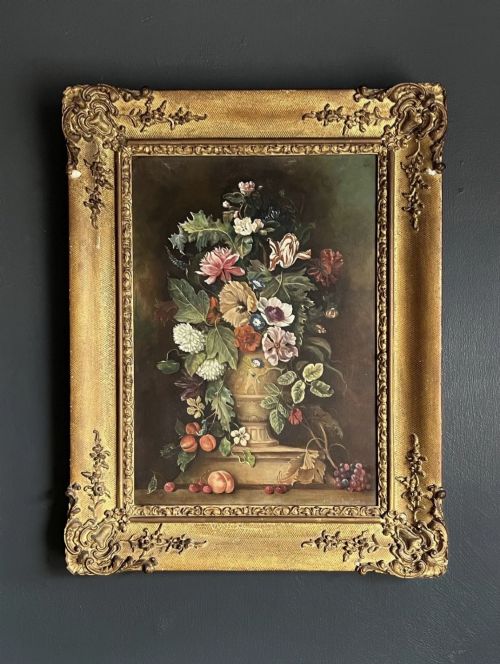
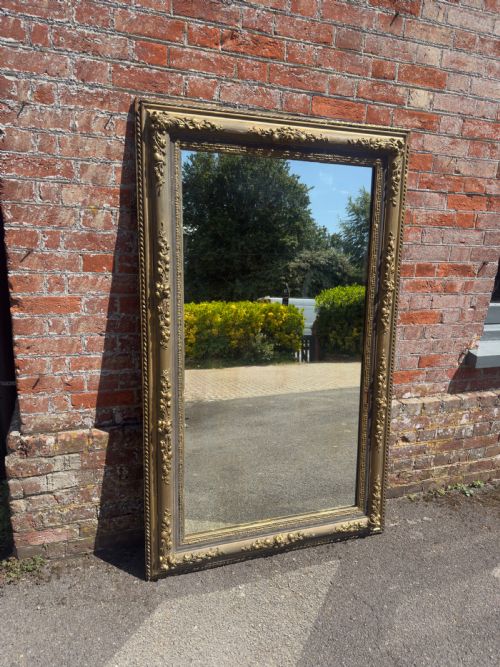
The items take various forms, functioning as dedicated picture frames, wall mirrors, overmantel mirrors, and wall relief panels. Many house original oil paintings on canvas or board, whilst others serve as empty or replacement frames intended for fine art display.
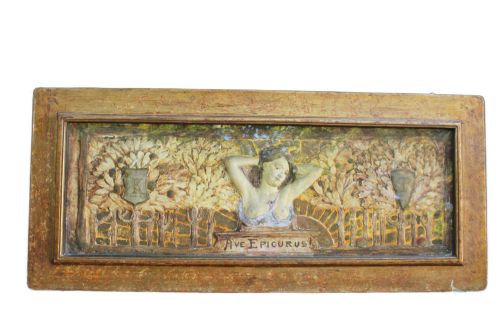
Originating across England, France, and the Netherlands, these frames encompass diverse aesthetic movements including Arts and Crafts polychrome plaster relief, Rococo Revival, and Dutch Golden Age styling. The selection balances functional domestic mirrors with substantial decorative framing designed to command attention in a room.
How they were made
The construction of these pieces relies on a foundation of carved wood, which provides the structural strength required for heavy mouldings and large glass panels. Artisans applied layers of gesso - a mixture of plaster of Paris or chalk with glue binder - onto the wooden base to build up low-relief ornamentation and smooth surfaces.
Once dry, the gesso layer was hand-carved, stamped, or moulded into complex floral, architectural, or scroll motifs. Finishers then applied gold leaf, liquid gilding, or over-painted colour schemes directly over the prepared plaster surface to achieve the desired metallic lustre or distressed polychrome appearance.
Several pieces preserve quiet domestic scenes of cows by lakes and botanical flowers alongside maritime voyages and winter landscapes.
What varies in quality
The standard of a gesso painting frame depends significantly on the depth and crispness of the modelled ornament. Finer examples display sharp, hand-finished detailing within the plaster work, whereas simpler or later pieces rely on softer, shallower factory mouldings.
The integrity of the underlying wooden substrate and the preservation of the original surface finishes dictate the desirability of the piece. Items retaining their untouched, original gilding or authentic painted patination stand apart from those subjected to modern over-painting or extensive, unsympathetic plaster reconstruction.
Bryce Smith·Armand Guillaumin
The Gesso Painting Frame Glossary
- Gesso
- A plaster-based mixture applied to wood frames to create a smooth surface for subsequent gilding or painting. It is built up in layers and can be deeply carved or moulded into complex decorative motifs.
- Giltwood
- Timber that has been coated with a thin layer of gold leaf or metal leaf applied over a prepared gesso and bole ground. This technique provides a luminous, durable metallic finish.
- Overmantel mirror
- A large decorative looking glass specifically proportioned to hang above a fireplace mantelpiece. These pieces frequently incorporate elaborate gesso frames and architectural framing devices.
- Barbola
- A decorative technique involving coloured gesso or composition paste shaped into raised floral patterns, popular on framed mirrors and plaques from the early twentieth century.
- Polychrome
- The practice of decorating architectural elements, carvings, or frames in multiple distinct colours. In these pieces, it introduces vibrant painted hues alongside standard gilding.
Gesso Painting Frame: Frequently Asked Questions
How do I clean a gesso painting frame?
Dust the ornate plaster surfaces gently using a very soft, dry brush to prevent accumulating grime within the intricate recesses. Avoid using liquid cleaners, moisture, or chemical solvents, as these can soften the water-soluble gesso ground and lift the historic gilding or paint.
For stubborn dust trapped in deep mouldings, employ a dry artist's paintbrush with a light touch. Regular, gentle maintenance preserves the delicate structural integrity of the antique plaster work.
Can I hang a heavy gesso frame safely?
Supporting a substantial carved wood and gesso piece requires secure fixings anchored directly into structural wall studs or heavy-duty masonry plugs. Due to the combined weight of the dense timber, thick gesso layers, and mirror glass or canvas, standard picture wire and light picture hooks are unsuitable.
Distribute the load evenly by utilising robust D-rings screwed firmly into the wooden frame uprights rather than the top moulding. Professional framing advice is recommended for oversized overmantel mirrors.
How do I identify the period of a frame?
Examine the construction joints, the composition of the wood, and the application method of the gesso and surface finish. Nineteenth-century examples often feature machine-sawn timber combined with hand-applied plaster ornament, whereas earlier seventeenth-century pieces display entirely hand-carved elements and distinctive tool marks on the reverse.
Stylistic indicators such as Rococo Revival curves, Arts and Crafts polychrome motifs, or Victorian arched tops also provide reliable chronological markers. Comparing the framing style to the accompanying oil painting or mirror glass helps confirm the piece's era.
Are these frames suitable for modern interiors?
The substantial scale and ornate detailing of these pieces make them effective statement focal points in contemporary rooms. They can be hung above fireplaces, utilised as floor-standing mirrors, or paired with modern minimalist artwork to create striking textural contrast.
Distressed painted finishes and antique gilt surfaces blend naturally with neutral contemporary colour palettes. Their historical character adds depth and architectural interest to modern living spaces.