
Rococo Mirror Frame
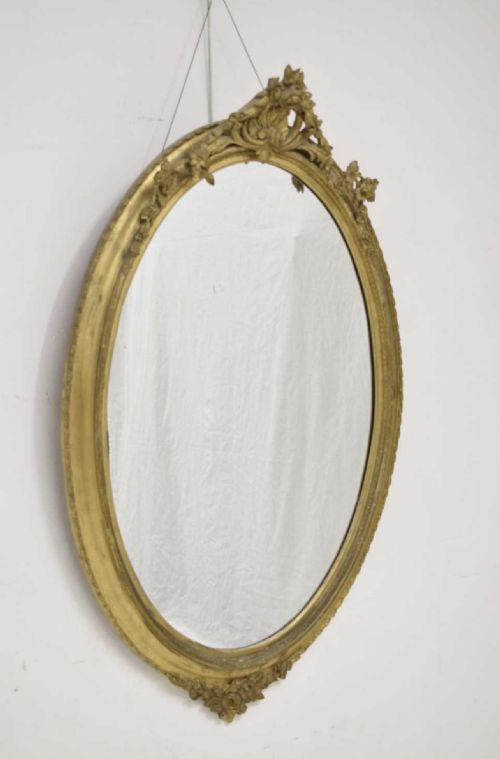
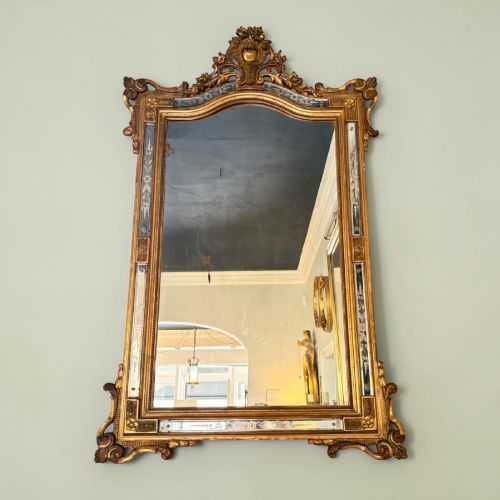
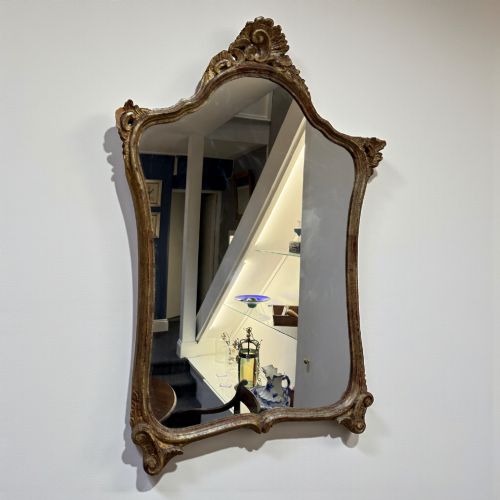
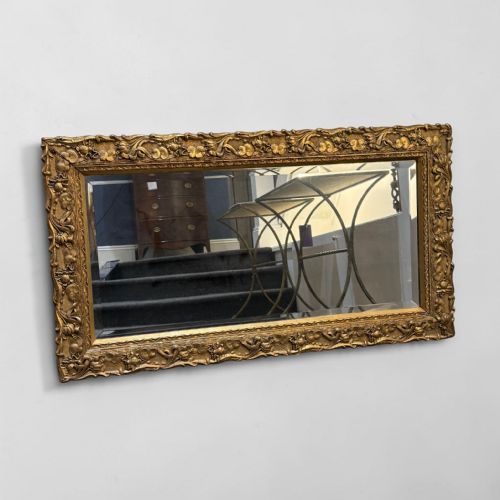
A rococo mirror frame brings asymmetrical scrolls, natural motifs and deep relief carving into an interior, drawing the eye with fluid ornamentation.
Rococo Mirror Frame
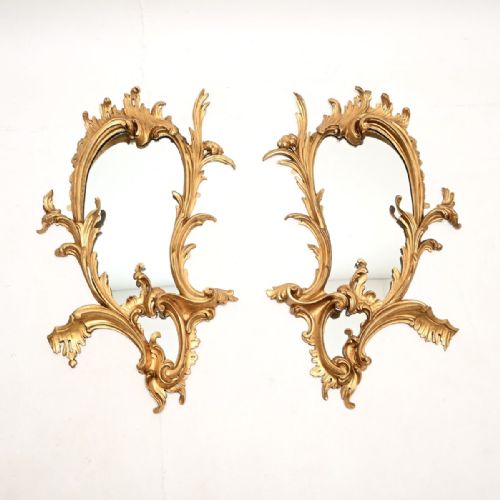
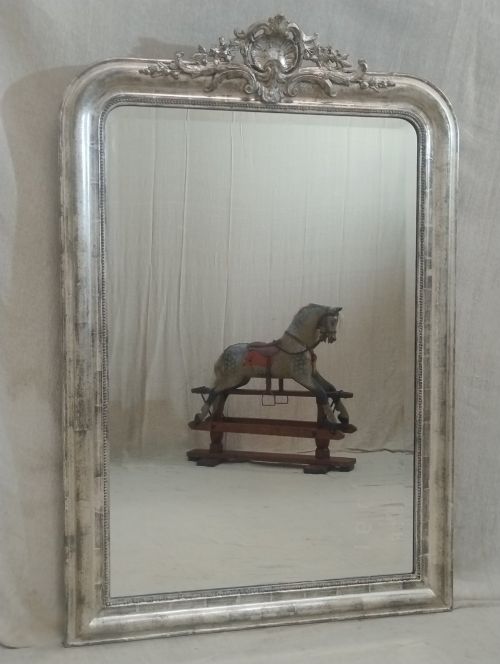
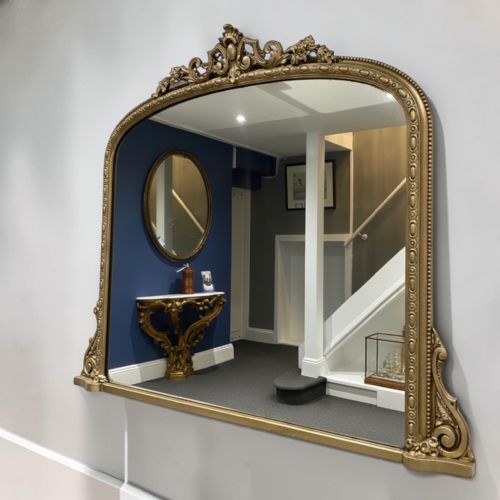
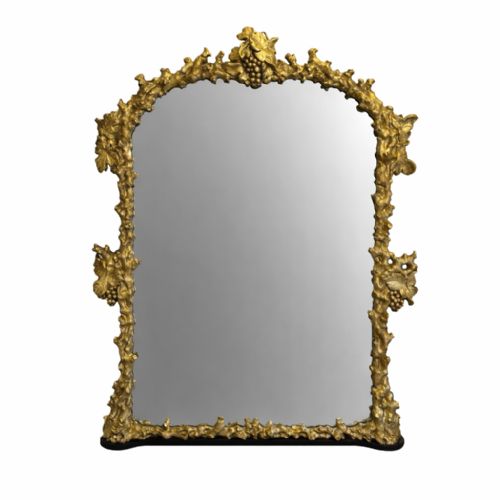
A rococo mirror frame embodies the decorative language of the mid-eighteenth century and its later revivals, displaying dynamic C-scrolls, S-scrolls, foliage and floral motifs. When searching for a rococo mirror frame, a buyer encounters wall mirrors, overmantels, girandoles and pier mirrors produced across the eighteenth, nineteenth and early twentieth centuries.
The versions most commonly met on this page stem from the nineteenth-century revival periods, alongside eighteenth-century originals from French, Italian and English workshops. These pieces range from compact table mirrors and oval frames to large architectural overmantels designed to dominate a chimneypiece.
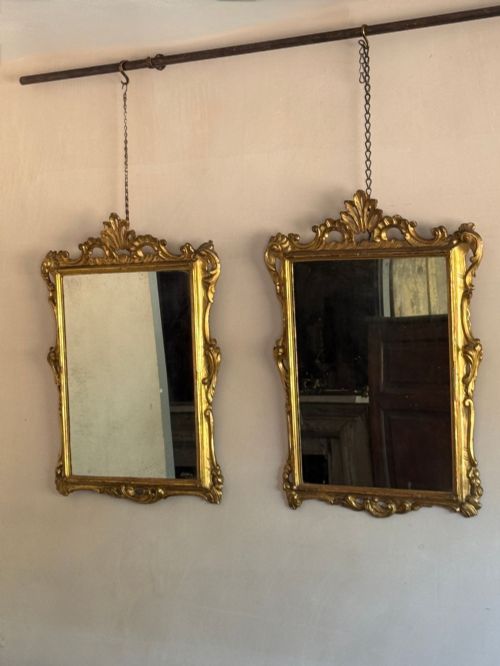
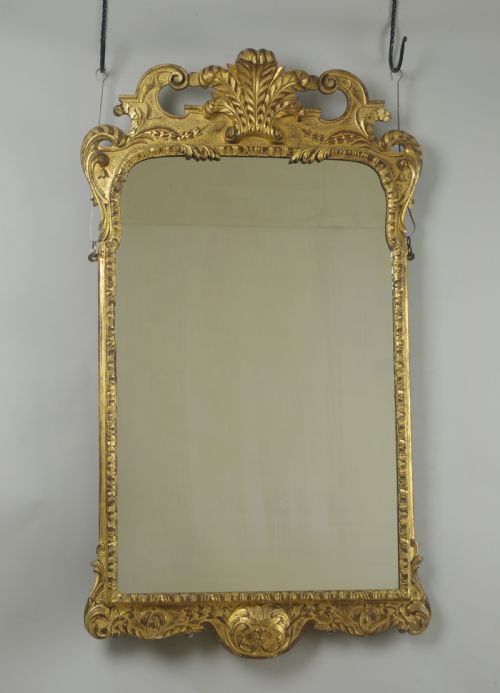
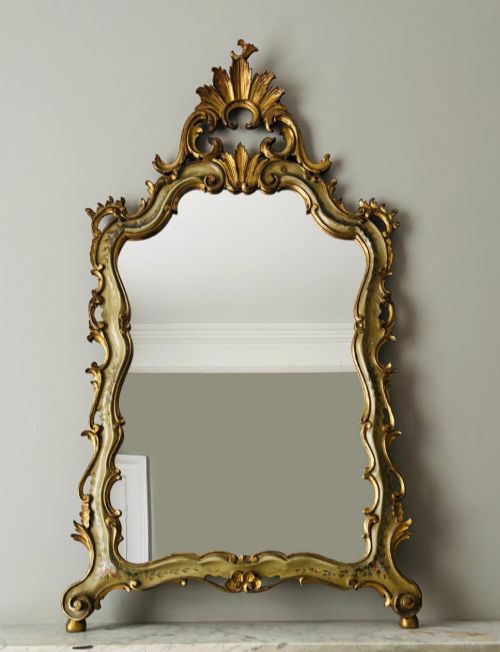
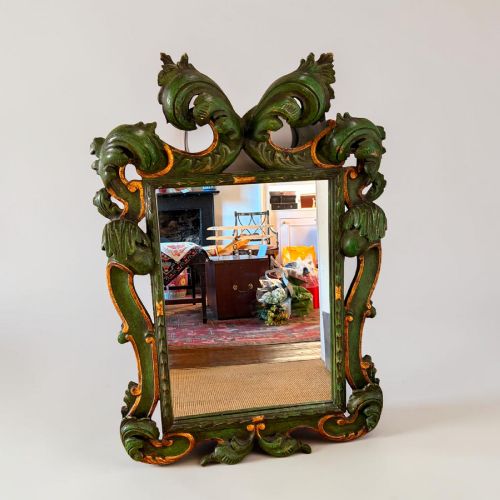
Forms span simple carved timber profiles to ornate crested and pierced frames embellished with giltwood, gesso and specialised mirror plates including antique mercury glass. Regional variations appear distinctly, from French chateau styles and Venetian Murano pieces to Florentine and Victorian interpretations.
How they were made
Makers carved timber bases from oak, walnut or softer woods, applying layers of gesso to build up the intricate relief details of scrolls and foliage before gilding them with gold leaf or silver-gilt. This combination of wood and gesso allowed craftsmen to achieve sharp, deep undercut carving that catches the light.
Many nineteenth-century revival pieces incorporated composition ornament pressed into moulds and laid over a wooden framework to speed production while maintaining ornate surface decoration. Surface finishes relied on traditional water gilding or oil gilding over prepared grounds, often complemented by antique silvered mirror plates or bevelled glass.
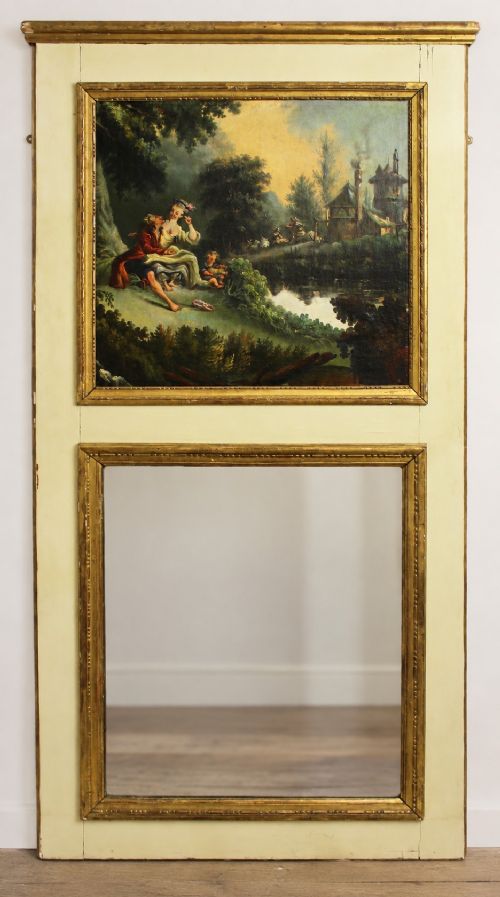
Several mirrors come with painted pastoral scenes or galleons at sea tucked right above the glass, proving past owners liked their reflections with a side of nautical drama.
What varies in quality
Quality rests primarily on the depth and crispness of the hand-carved detail within the gesso and wood, distinguishing finely sculpted organic motifs from softer, heavily moulded composition ornament. Superior examples retain their original gilding and historic mirror plates, showing natural ageing without losing the structural integrity of the frame joints.
The complexity of the design also dictates the tier of the piece, with elaborate crested pediments, pierced asymmetry and paired girandole arms marking out high-status commissions from simpler domestic mirrors.
The Rococo Mirror Frame Glossary
- Giltwood
- Wood that has been coated with a thin layer of gold leaf. This finish defines the reflective, warm appearance of classical mirror frames.
- Gesso
- A plaster-like mixture applied to a wooden base to create a smooth surface for carving and gilding. It allows for the formation of sharp decorative relief.
- Overmantel
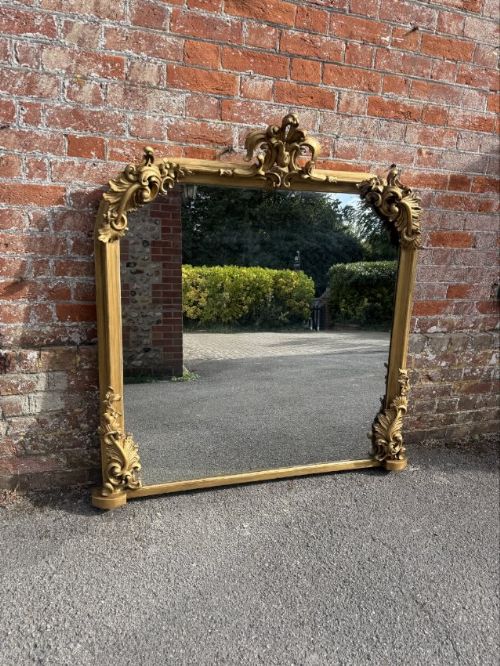
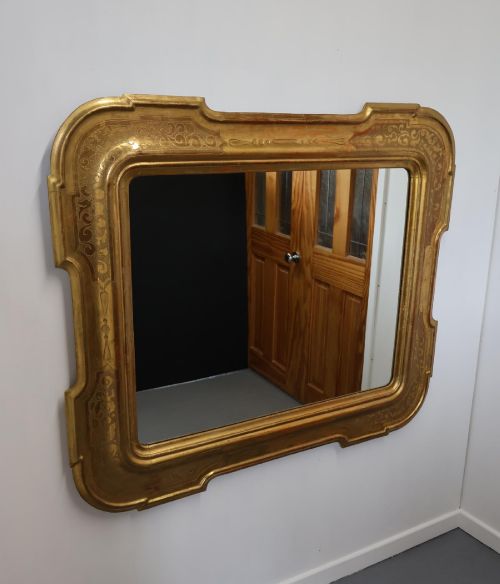
- A large mirror designed specifically to hang above a fireplace mantel. These pieces frequently feature horizontal proportions or grand architectural crests.
- Girandole
- A decorative wall mirror featuring attached candle sconces. The arms branch out from the frame to reflect candlelight across the room.
- Trumeau
- An architectural mirror panel often incorporating an oil painting above the glass. These French decorative fixtures integrated directly into wall panelling.
- Mercury glass
- An early type of double-walled glass created by pouring a silvering mixture between two layers. It produces a mottled, atmospheric reflection.
Rococo Mirror Frame: Frequently Asked Questions
How do I date a rococo mirror frame?
Dating relies on examining the construction methods of the wooden frame, the composition of the gesso, and the characteristics of the glass plate behind it. Eighteenth-century pieces often display hand-cut joinery and mercury glass, whereas nineteenth-century revivals utilise machine-sawn timber and later bevelling techniques.
Stylistic cues also help narrow the period, as Victorian interpretations tend to feature heavier proportions and distinct sweeping crests compared to the lighter, more fluid asymmetry of authentic eighteenth-century French and Italian work.
Where should I hang an overmantel mirror?
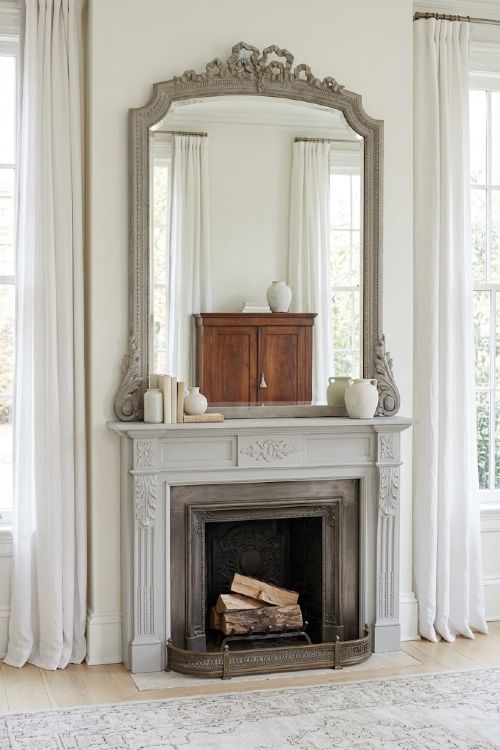
An overmantel mirror is traditionally positioned directly above a fireplace mantelpiece to anchor the room and reflect light from the windows. Because these pieces are often substantial in scale, securing them safely to a masonry or heavily studded wall is essential.
They also work effectively on large expanses of empty wall space in reception rooms or hallways, serving as a striking focal point that draws the eye upward.
Are eighteenth and nineteenth century frames fragile?
While the timber and gesso construction is generally robust, the intricate protruding scrolls and carved foliage can be vulnerable to impact. Handling these pieces with care during movement prevents chipping to the delicate outer relief.
Routine maintenance involves dusting gently with a soft brush rather than liquid cleaning agents, which can damage historic gilding and exposed gesso surfaces.
What is the difference between a pier mirror and an overmantel?
A pier mirror is traditionally designed to hang on the narrow wall space between two windows, often paired with a console table beneath it. Its proportions tend to be taller and narrower to fit the architectural gap.
An overmantel mirror, by contrast, is built wider to span the breadth of a fireplace opening, carrying a heavier visual weight and frequently featuring expansive decorative crests.