
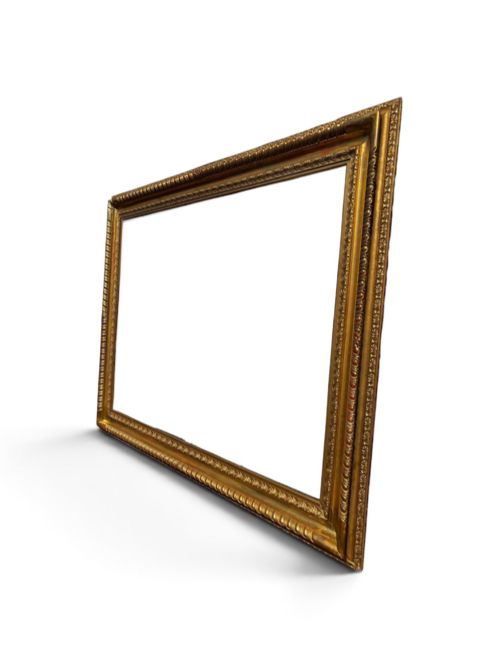
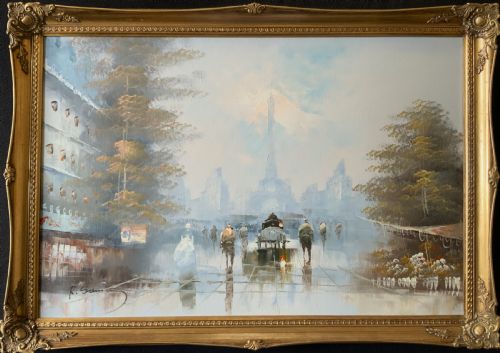
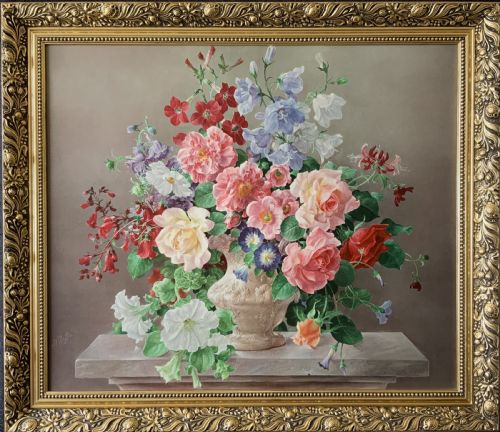
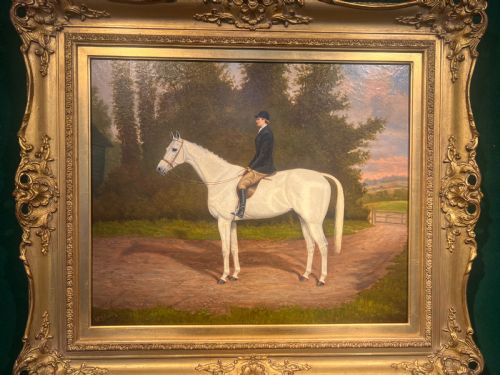
Vintage Ornate Picture Frame
These vintage ornate picture frame options deliver decorative weight and character to wall art, shifting the focus from simple display to period luxury.
Vintage Ornate Picture Frame
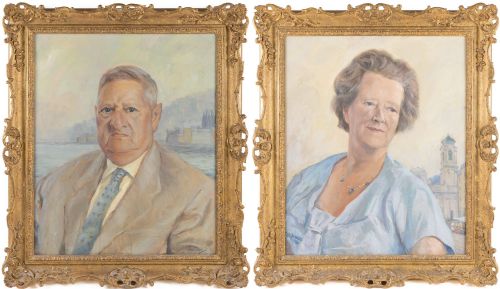
A vintage ornate picture frame brings together elaborate decorative mouldings and traditional framing forms designed to elevate portraits, landscapes, and mirrors. Buyers exploring this phrase encounter a rich mix of nineteenth-century revival pieces alongside mid-century Italian variants.
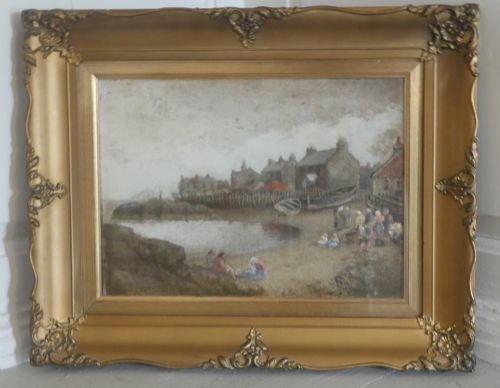
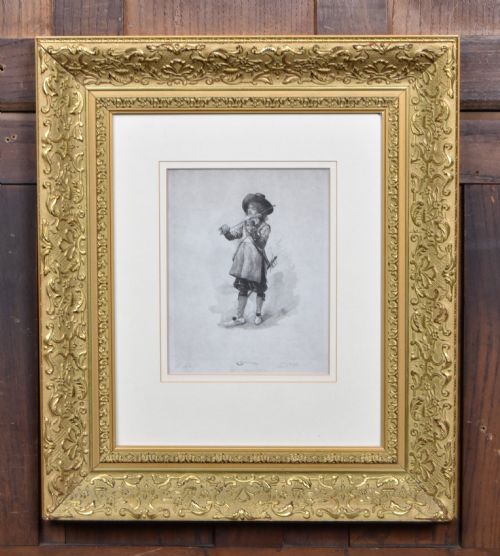
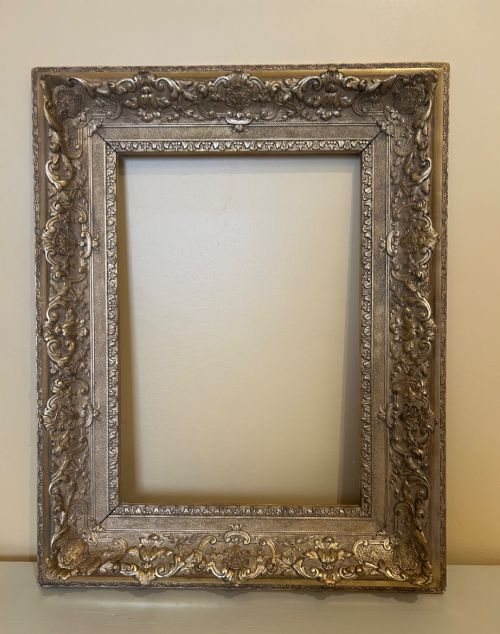
The selections span distinct periods ranging from Victorian and Edwardian eras through to the mid-twentieth century. Surviving examples frequently house original oil paintings, watercolours, or prints, though empty frames remain common finds.
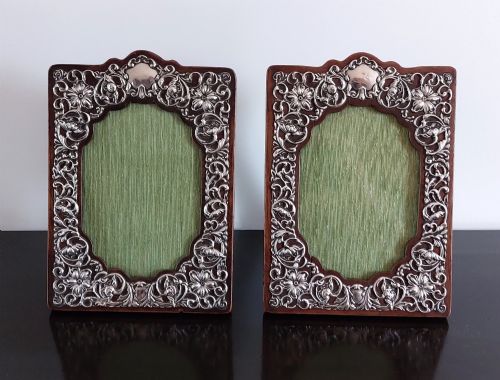
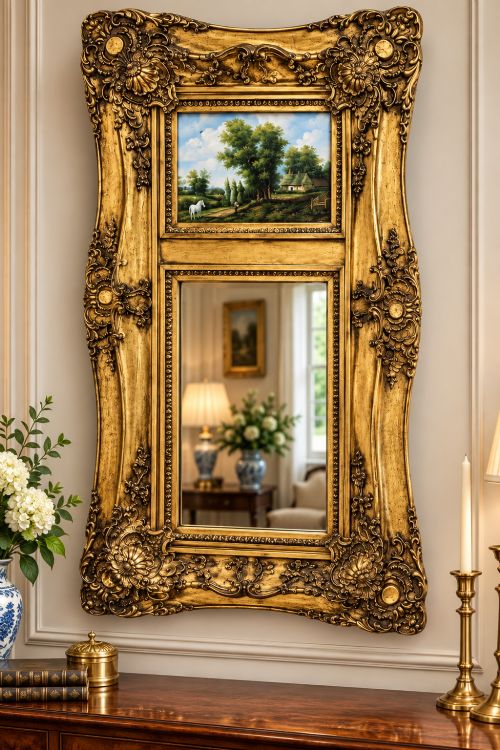
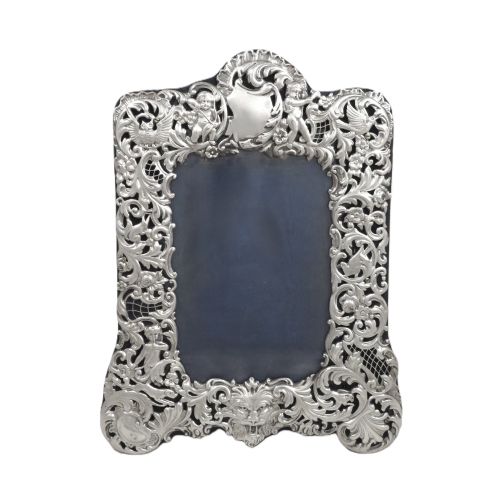
Forms vary from heavy wall mountings with swept profiles to smaller sterling silver table photo frames. The construction relies heavily on period woodworking techniques that give each piece a distinct architectural presence.
How They Were Made
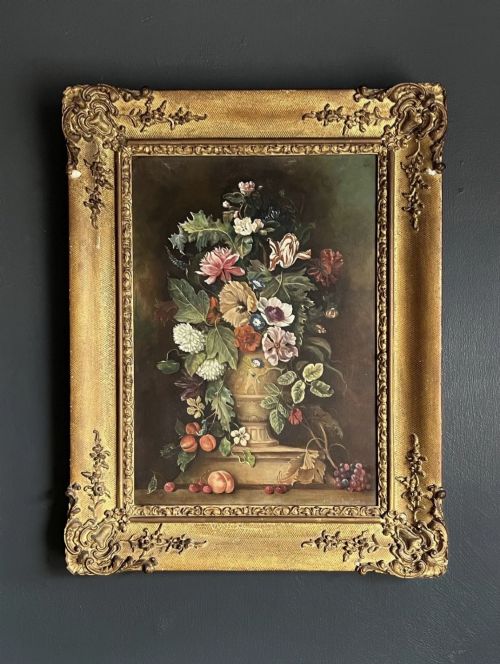
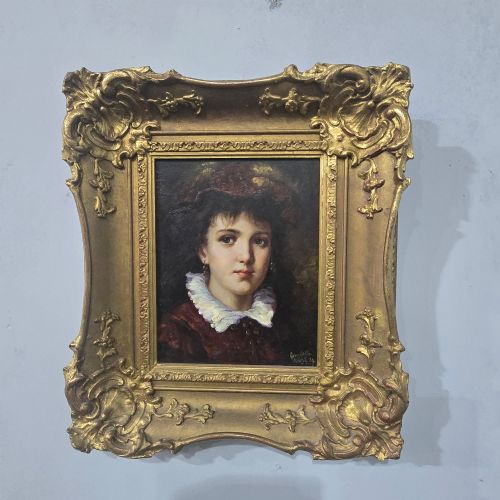
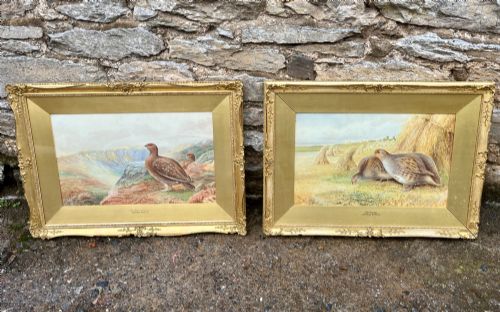
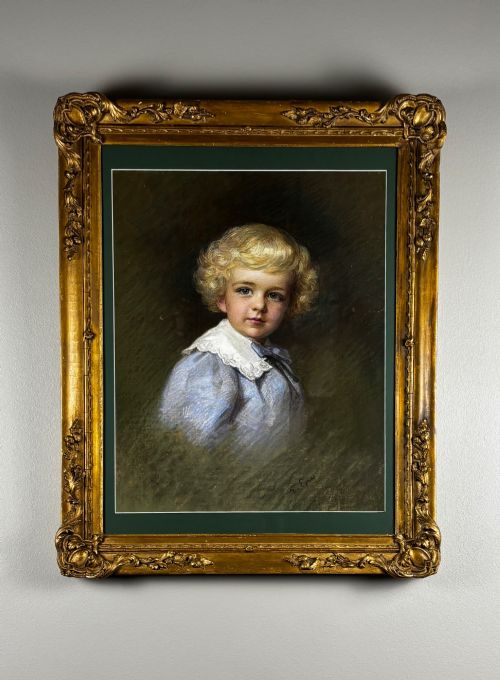
Makers utilised wood as the foundational substrate, shaping timber and applying layered gesso to build up high-relief decorative motifs. This plaster mixture was carved, moulded, and smoothed to create intricate scrollwork and floral details before finishing.
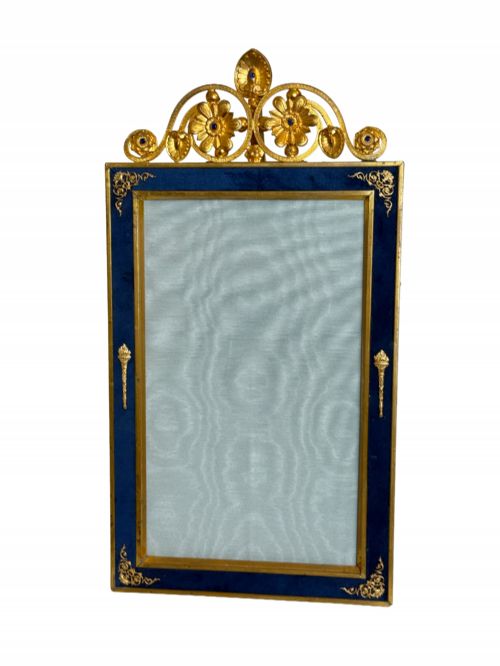
Giltwood and gold leaf finishes were meticulously applied over the prepared gesso surfaces to achieve a luminous metallic sheen. Alternatively, metals such as sterling silver and brass were hammered, cast, and chased to produce ornate photo frames and small mirrors.
What Varies in Quality
The depth and clarity of the moulded ornamentation distinguish superior examples from simpler production. Hand-carved gesso details display crisp undercut foliage and sharp corners, whereas mass-produced alternatives often show softened contours where the plaster compound pooled in the moulds.
The integrity of the underlying timber structure and the preservation of the original gilt surface dictate overall desirability. Frames retaining their initial gold leaf layers without extensive overpainting or structural splitting command greater appreciation among collectors.
Edward Mills·Jonny Gaston·P. Ruiz·Harold Clayton·William Albert Clarke·George Rankin·Emily Eyres·T. Bergman·Arthur Percy Dixon·Henry Matthews·Robert Eadie·John Frederick Herring Jnr·Henry John Yeend King
The Vintage Ornate Picture Frame Glossary
- Gesso
- A plaster-like mixture applied to wood frames to create a smooth surface for gilding or deep relief moulding. It allows artisans to carve intricate patterns that would be difficult to execute directly in timber.
- Giltwood
- Timber that has been coated with a thin layer of gold leaf or metallic paint to simulate solid gold. This technique was widely employed in the nineteenth century to create opulent display pieces.
- Swept frame
- A style featuring curved, undulating mouldings that flare outward toward the corners in a theatrical profile. Popularized during the Rococo revival, it adds dynamic movement to the artwork it encloses.
- Oleograph
- A mechanical colour print produced on canvas to imitate an oil painting, often finished with a textured varnish. These prints frequently appear housed in period decorative frames from the late nineteenth and early twentieth centuries.
Vintage Ornate Picture Frame: Frequently Asked Questions
How do I hang a heavy gilt frame safely?
Heavy frames require robust wall fixings anchored directly into masonry or wall studs to support the substantial weight of timber and gesso. Utilising heavy-duty picture wire and double D-rings screwed securely into the wooden sides ensures the piece hangs flush and secure.
Avoid relying on simple plaster hooks or adhesive strips, which can fail under the load of large Victorian mouldings. Period frames benefit from professional hanging hardware rated well above the actual weight of the object.
Can I put a modern photo inside an antique silver frame?
Inserting contemporary photographs into antique sterling silver frames is entirely acceptable and provides a striking contrast between old craftsmanship and modern imagery. Ensure the backboard and retention clips are handled gently to avoid stressing the aged metal hinges.
Acid-free mounting paper should be used behind any modern print to prevent chemical transfer and long-term damage to the historic backing materials. Regular, gentle dusting with a soft microfibre cloth keeps the silver polished without abrading delicate hallmarks.
What is the difference between a gesso frame and a timber mirror?
A gesso frame relies on a thick plaster layer built over a wooden core to achieve deep, sculptural ornamentation that is typically gilded. Timber mirrors expose the natural grain of the wood, utilising the warmth of materials like mahogany or oak as the primary aesthetic feature.
While both can exhibit ornate carving, gesso allows for much sharper, more intricate relief work due to the pliable nature of the wet plaster mixture. Timber frames depend on the direct skill of the woodcarver to define edges and surface texture.
How do I clean an antique gilt frame safely?
Dusting antique gilt surfaces requires a very soft, dry brush or feather duster to gently lift particles from the intricate recesses of the gesso moulding. Moisture and chemical solvents must be avoided entirely, as water can dissolve the historic water-gilding base and lift the gold leaf.
Professional conservation is recommended if the surface harbours ingrained grime that dry brushing fails to remove. Preserving the original patination ensures the frame retains its historical integrity and visual depth.