
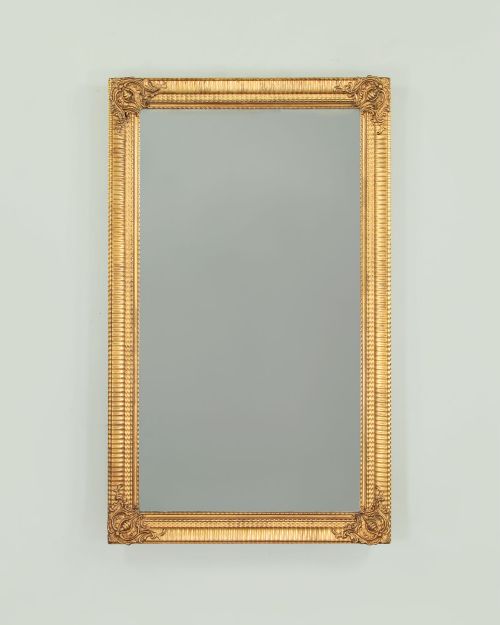
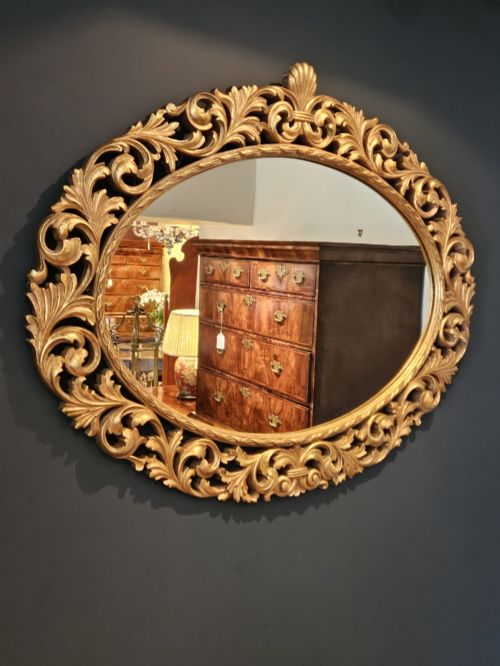
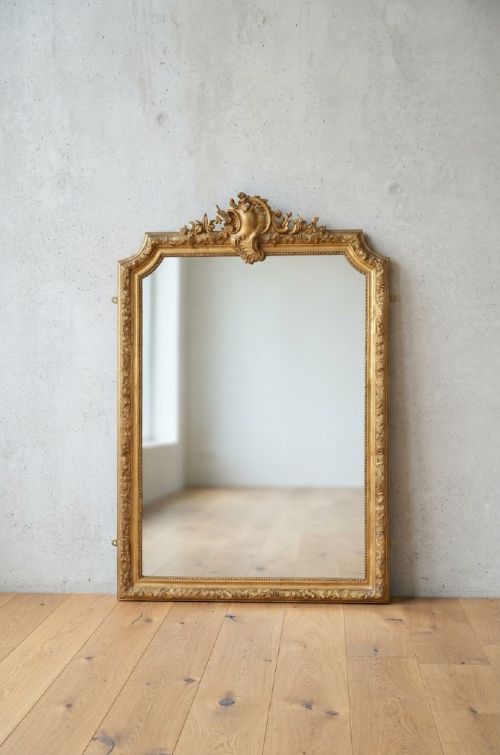
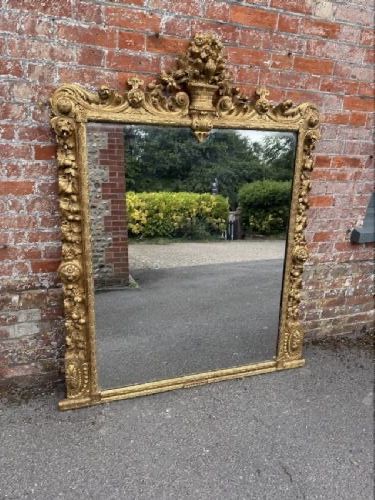

Large Ornate Gold Frame
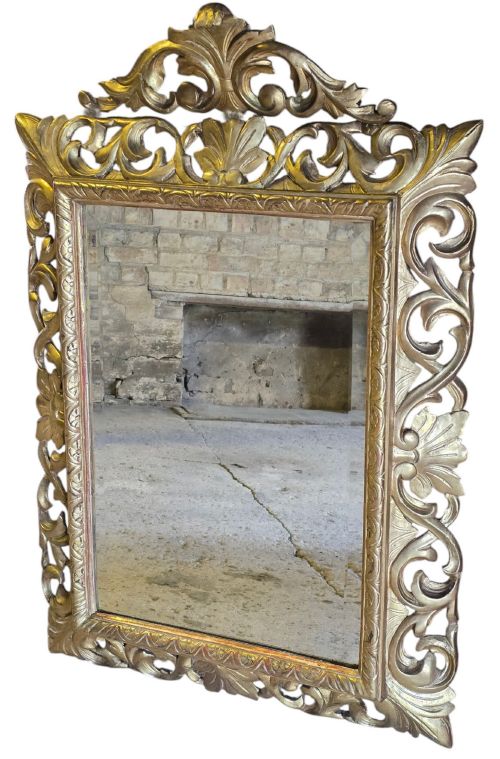
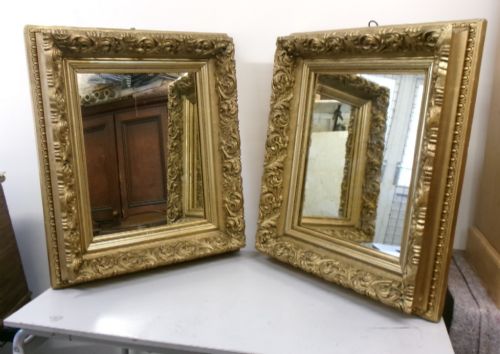
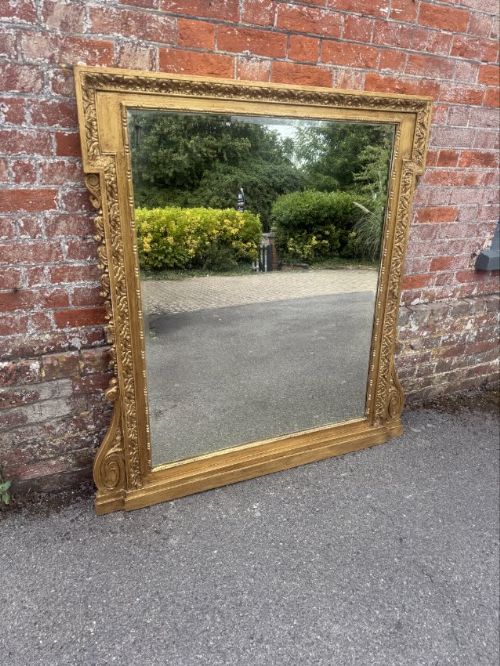
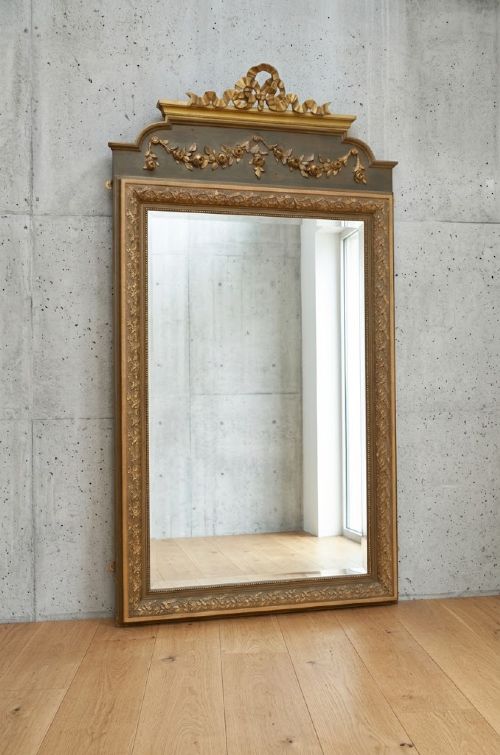
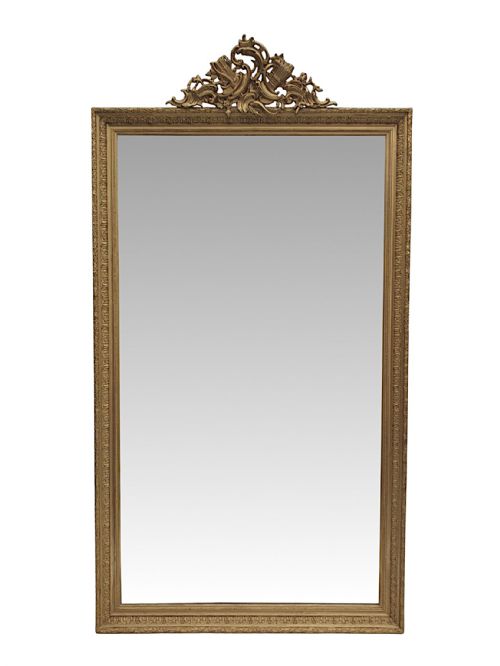
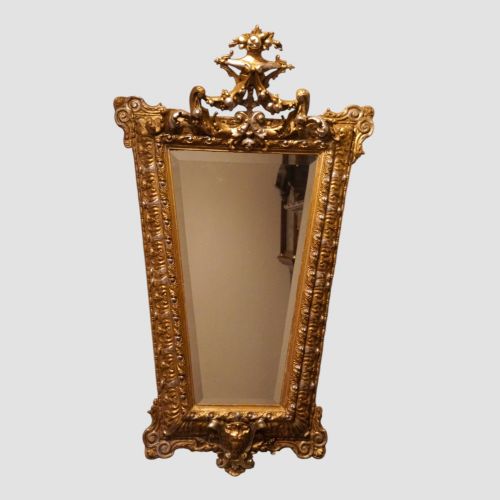
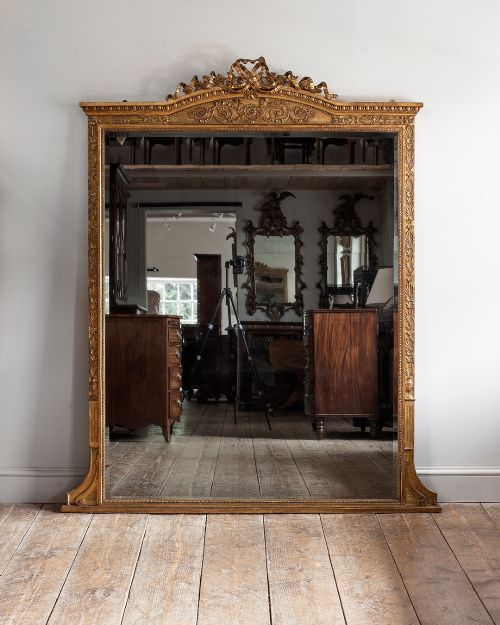
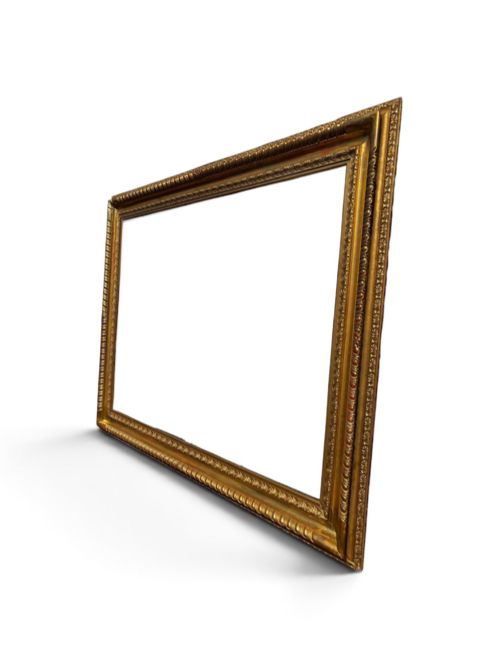
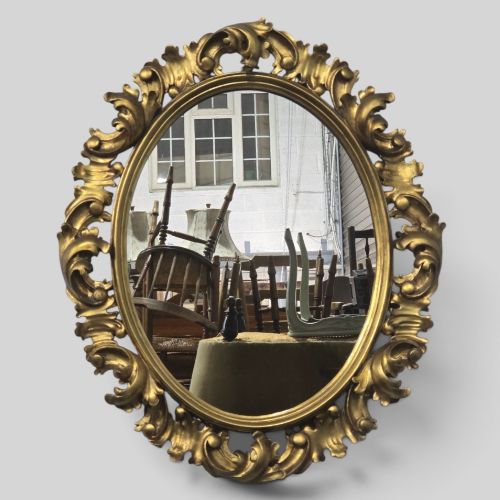
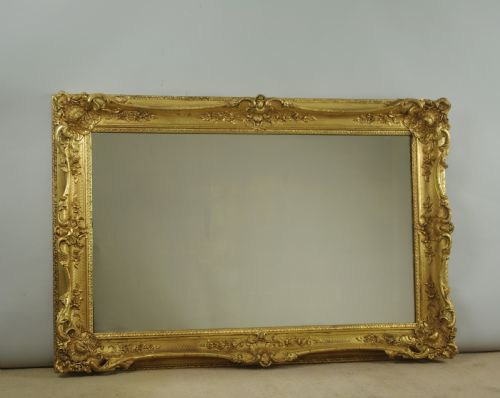
A large ornate gold frame brings substantial architectural presence and reflective depth to a room through carved gilt surfaces.
Large Ornate Gold Frame
When searching for a large ornate gold frame, buyers typically encounter heavy 19th-century overmantel mirrors, French wall mirrors, and elaborate picture frames designed to anchor a room. These pieces span Victorian, Rococo Revival, and Florentine styles, often integrating arched crests, carved timber, and deep swept mouldings.
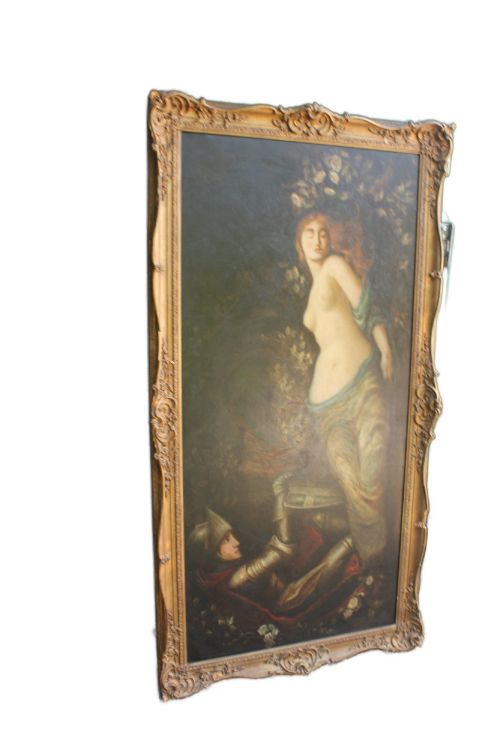
The selection centres heavily on overmantel and wall mirrors produced across the 19th century and the Belle Époque, alongside occasional oil paintings and dressing mirrors. They appear in English, French, and Italian iterations, frequently displaying substantial dimensions intended for prominent placement above fireplaces or along expansive walls.
How they were made
Makers constructed the structural carcase from carved wood, timber, or composition, building up sculptural relief before applying decorative finishes. Gesso was layered over the timber base to provide a smooth, responsive ground for fine carving and moulding.
Gilding was achieved using gold leaf or silver-gilt applications over the prepared surface, sometimes combined with painted elements or parcel gilt details to accentuate the carved depth.
Listings feature periods spanning from the Victorian era and 1860 through to the 1920s, constructed in giltwood, gesso, glass, and oil on canvas.
What varies in quality
Quality reveals itself in the crispness and depth of the carved woodwork and the harmonious application of the gesso and gold leaf. Superior pieces exhibit confident, hand-chiselled relief work rather than repetitive, shallow moulding.
The integrity of the underlying wooden frame and the character of the glass - such as period foxing or heavy bevelling - distinguish finer examples from standard decorative pieces.
James Hamilton ARSA
The Large Ornate Gold Frame Glossary
- Giltwood
- Wood that has been coated with gold leaf or a gold-coloured metallic finish. This material forms the primary structure of many ornate 19th-century mirrors and picture frames.
- Gesso
- A plaster-like mixture applied to wood frames to create a smooth surface for carving and gilding. It allows for intricate relief ornamentation before the gold leaf is laid down.
- Overmantel Mirror
- A large mirror specifically designed to hang above a fireplace mantelpiece. These pieces often feature wide proportions and substantial decorative crests.
- Rococo Revival
- A 19th-century design style characterised by asymmetrical scrolls, C-curves, and naturalistic plant motifs. It heavily influences the decorative framing of many Victorian mirrors.
- Pier Glass
- A tall mirror designed to be placed on the wall between two windows. They frequently match the vertical scale of grand Victorian interiors.
Large Ornate Gold Frame: Frequently Asked Questions
Where should a large ornate gold frame be hung?
These pieces traditionally anchor large wall spaces, frequently positioned above fireplace mantels or serving as floor-standing leaner mirrors in reception rooms.
Their substantial scale and reflective glass require secure wall fixings and adequate clearance to balance surrounding furniture.
How do I identify a 19th-century gilt frame?
Examine the construction of the wooden backing, the composition of the gesso layers, and the nature of the gold leaf application.
Period pieces often display hand-carved details and age-appropriate wear beneath the metallic surface rather than modern synthetic finishes.
What is the difference between gesso and carved wood?
Carved wood forms the structural relief and primary timber foundation of the frame, providing deep structural integrity.
Gesso is the applied plaster ground spread over the wood to capture crisp, delicate ornamental details before gilding takes place.
How do I care for antique giltwood surfaces?
Maintain the finish by dusting gently with a dry, soft brush and avoiding all moisture, liquid cleaners, and abrasive cloths.
Because original gold leaf and gesso are delicate, harsh cleaning agents will strip the metallic layer from the wood base.