

Victorian Mirror Frame
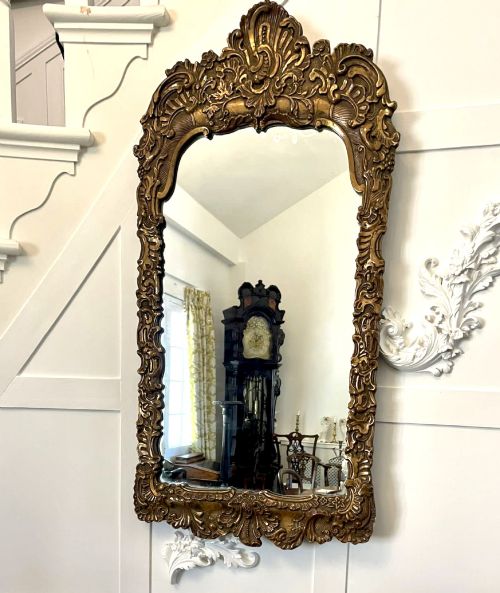
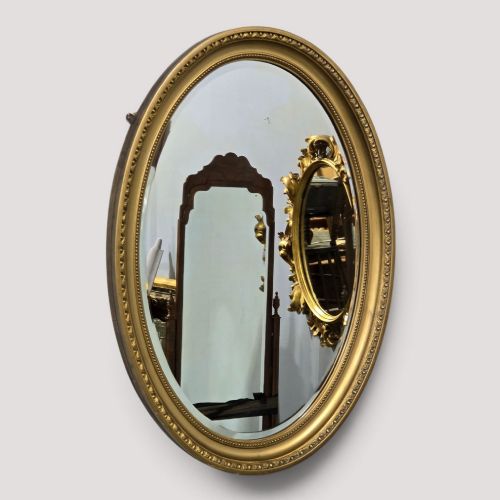
A victorian mirror frame brings character to a room through deep mouldings, gilded ornament and rich timber.
Victorian Mirror Frame
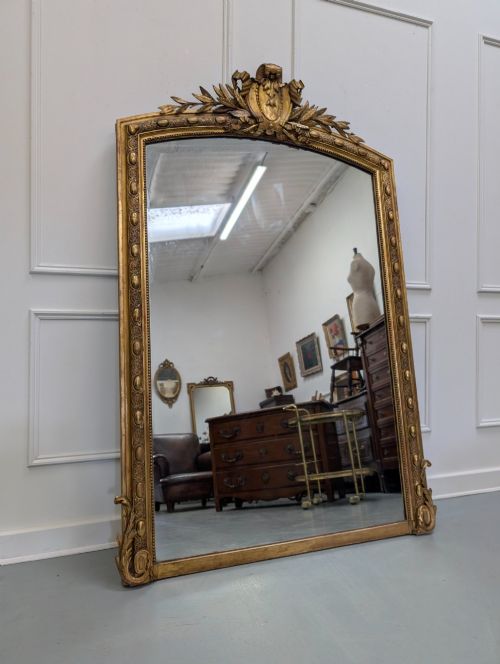
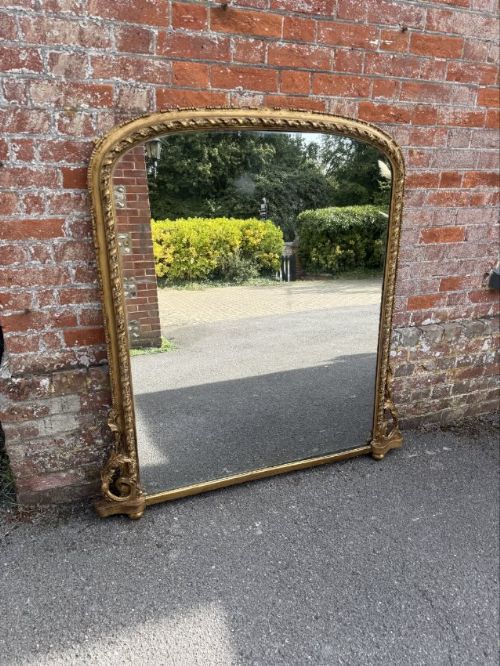
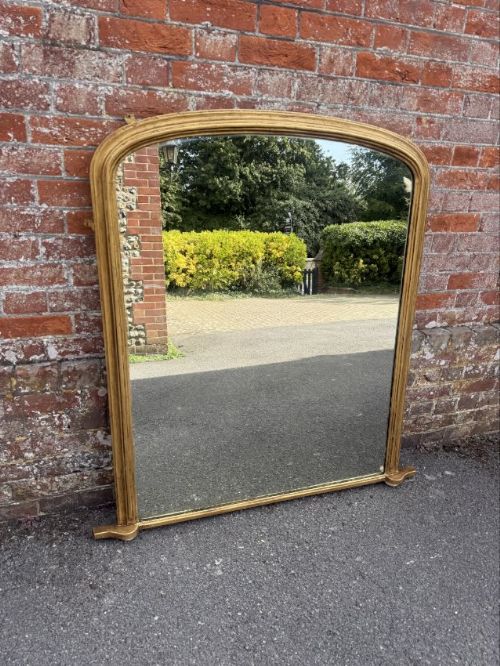
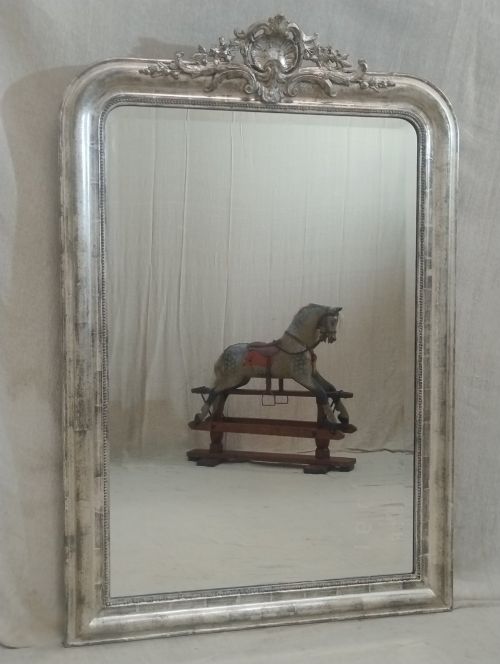
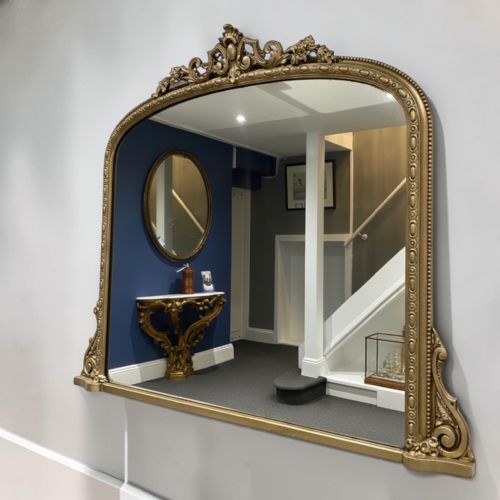
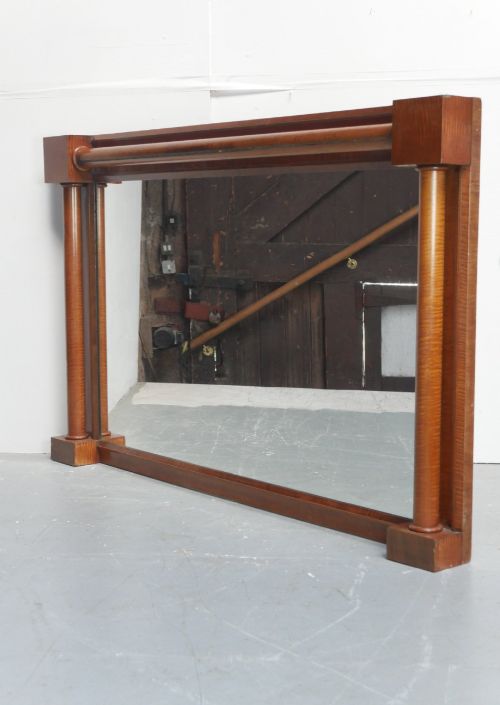
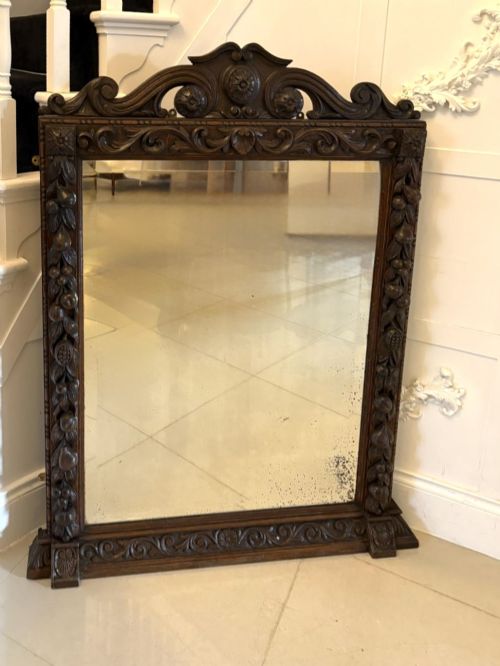
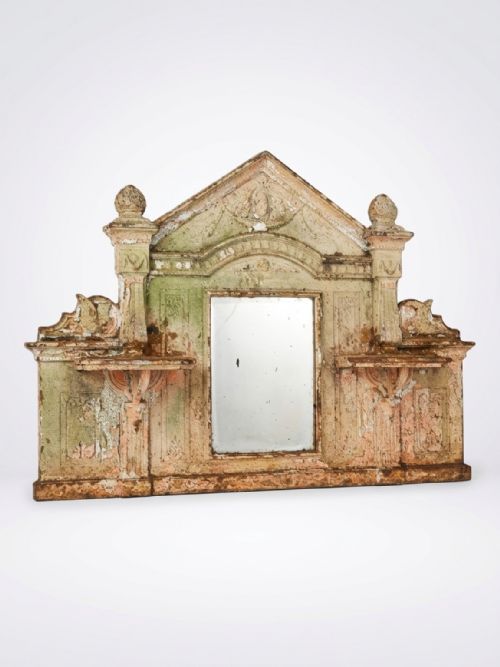
A buyer searching for a victorian mirror frame encounters a variety of forms designed for different spaces within a nineteenth century interior. Overmantel mirrors dominate the selection, built large to sit above a fireplace with arched or shaped tops.
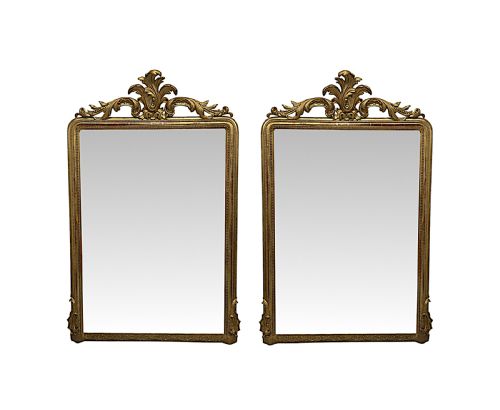
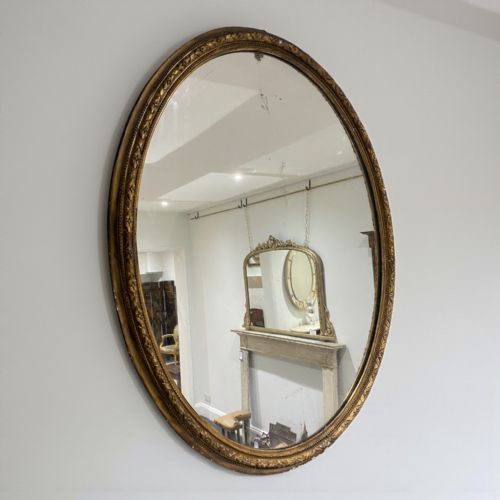
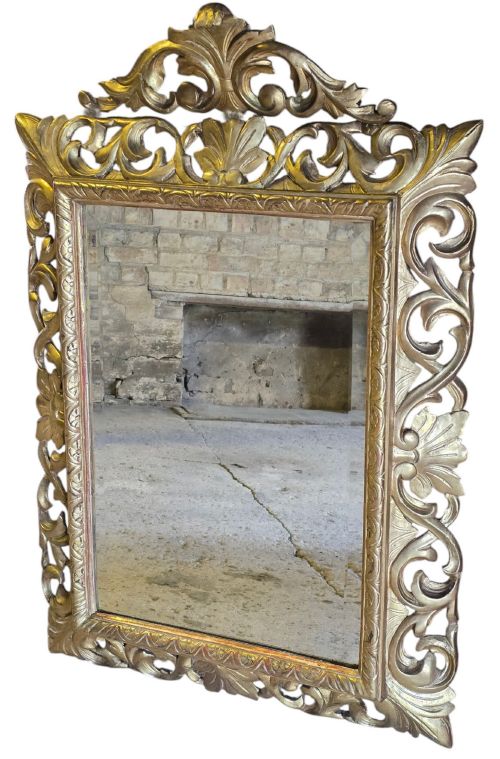
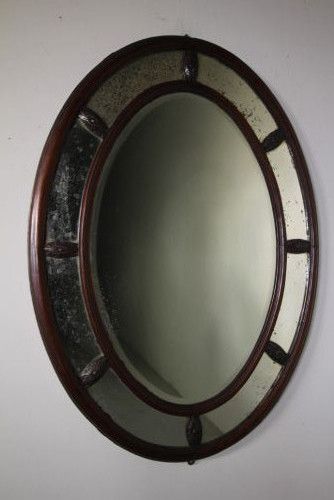
The selection ranges from restrained mahogany and oak frames to heavily decorated giltwood pieces displaying rococo revival motifs.
Materials and Construction
Makers constructed the structural carcasses using timbers such as mahogany, oak, walnut and maple, sometimes utilising pine for secondary framing. Carved wood details and applied composition ornament provided the basis for decorative surface treatments.
Gilding involved applying gold leaf or gold paint over layers of gesso and plaster to achieve a bright finish. Brass fittings, hand-painted velvet panels and bevelled mirror plates completed the construction of finer examples.
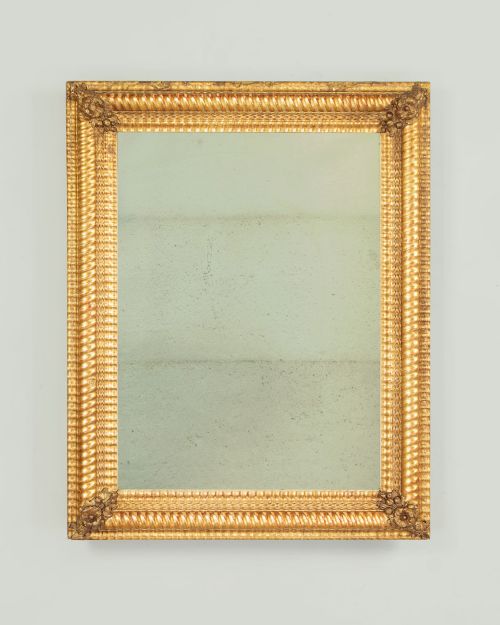
Several mirrors incorporate nautical rope twist carvings, bringing a touch of maritime trade straight into the Victorian parlour.
Distinguishing Quality
Quality in a victorian mirror frame rests upon the depth and crispness of the carving rather than surface decoration alone. Hand-carved wooden details and well-modelled gesso ornaments display sharper relief than mass-produced composition mouldings.
The choice of primary timber influences the structural integrity and visual weight of the piece, with dense hardwoods providing durability. Original glass plates, heavy construction and balanced proportions distinguish the finer examples from standard production.
Henry Matthews·Drew and Cadman
The Victorian Mirror Frame Glossary
- Gesso
- A plaster-like mixture applied to wooden frames as a base for gilding. Artisans carved and moulded this material to create relief ornamentation before applying gold leaf.
- Overmantel Mirror
- A large mirror designed to sit on the mantelpiece above a fireplace. These pieces often feature wide horizontal proportions and arched tops.
- Pier Glass
- A tall, narrow mirror designed to hang on the narrow section of wall between two windows. They frequently feature heavy wooden or gilded frames.
- Giltwood
- Timber that has been coated with gold leaf. This material defines many decorative nineteenth century frames.
- Rococo Revival
- A nineteenth century design style characterised by asymmetrical scrolling, floral motifs and shell ornament. Frames in this style display elaborate organic curves.
Victorian Mirror Frame: Frequently Asked Questions
Where should I hang a large overmantel mirror?
These mirrors were originally designed to anchor the wall space directly above a fireplace mantel in nineteenth century reception rooms. Their broad proportions and reflective glass amplify light and create a focal point in living spaces.
They also function effectively hung on plain chimney breasts or large expanses of dining room wall without a fireplace beneath them.
How do I identify a gesso frame?
Gesso frames feature a smooth, chalky plaster base beneath the gold leaf or paint, which allows for intricate moulded details. Under magnification, the material appears matte and dense compared to bare carved wood.
Over decades, this plaster layer develops fine craquelure and occasional losses where underlying timber has expanded or contracted.
What is a pier glass used for?
A pier glass is a tall, narrow mirror made to hang on the wall space between two windows. In period homes, this placement bounced natural light back into the centre of darker rooms.
Today they serve well in narrow hallways, entrance passages or tight wall spaces where a standard horizontal mirror would overwhelm the proportions.
Are mahogany mirror frames Victorian or Georgian?
Both periods produced mahogany frames, with earlier Georgian examples often featuring lighter fretwork and fret-cut crests like the Ho Ho bird motif. Victorian mahogany frames tend to be heavier, with deep moulded surrounds or cushion profiles.
Examining the construction joints, timber density and backboards helps determine whether a mahogany frame belongs to the nineteenth century or the preceding era.