


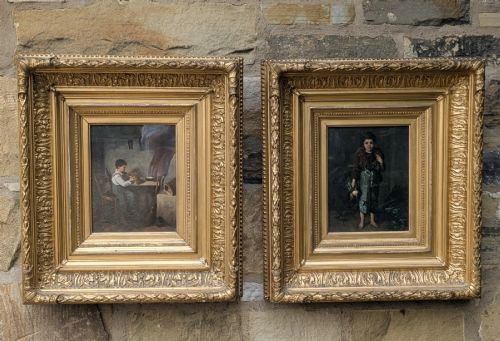

Traditional Gold Portrait Frame
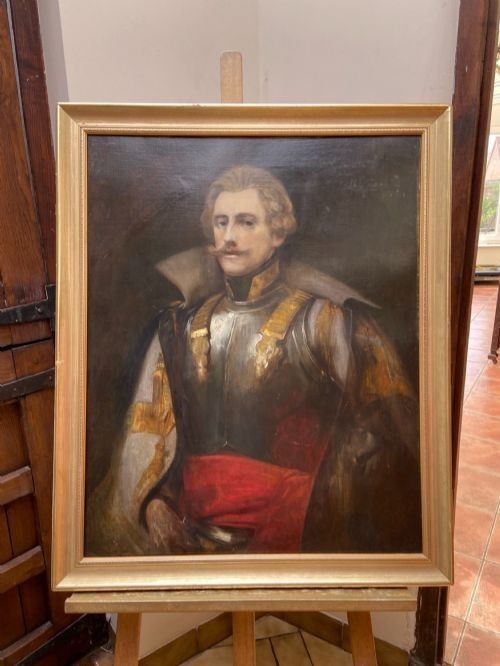
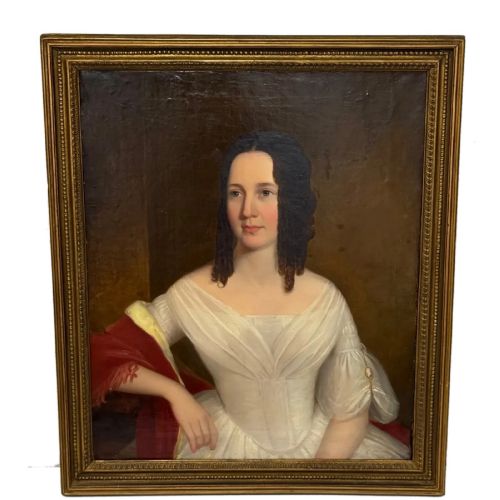
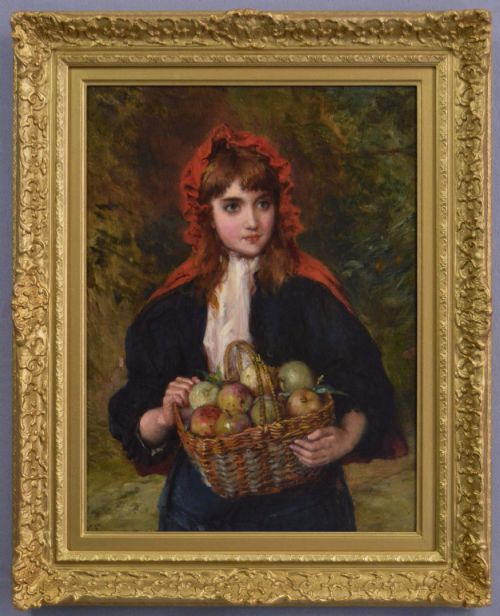
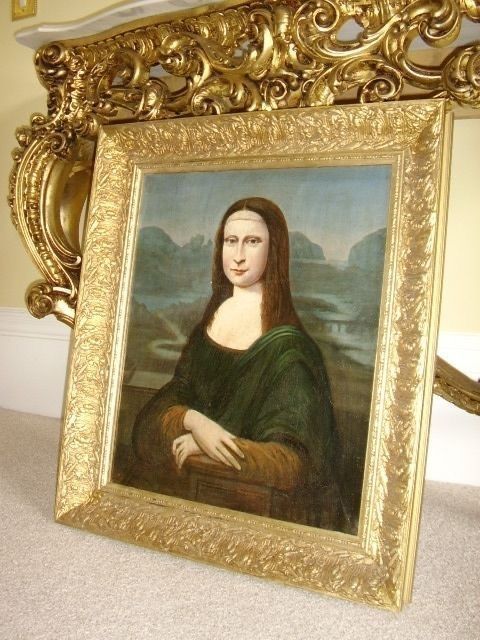
When you search for a traditional gold portrait frame, you are looking at the heavy wooden borders that house centuries of oil paintings.
Traditional Gold Portrait Frame
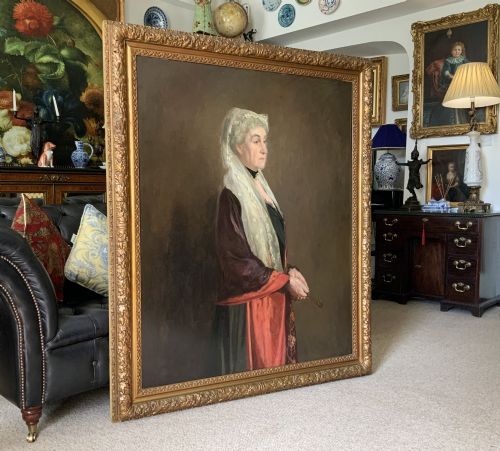
A traditional gold portrait frame serves to protect and display oil paintings, portraits, and fine art on canvas or panel. These enclosures hold works originating from the eighteenth, nineteenth, and twentieth centuries, including Victorian and Edwardian examples.
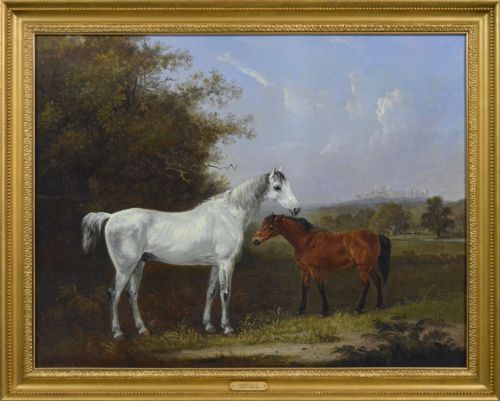
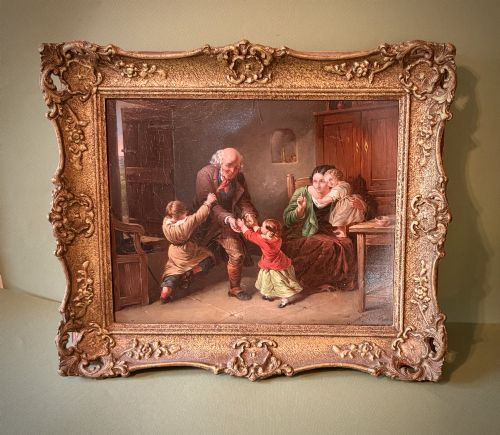
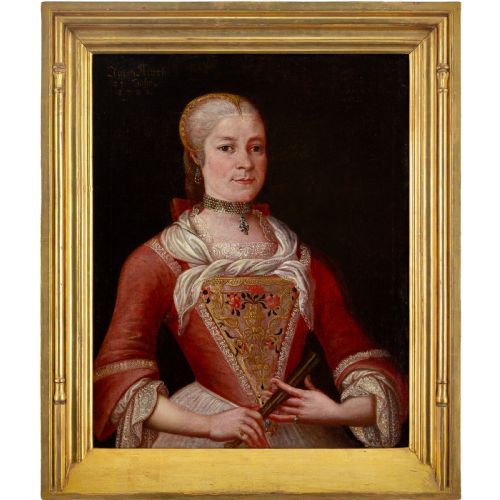
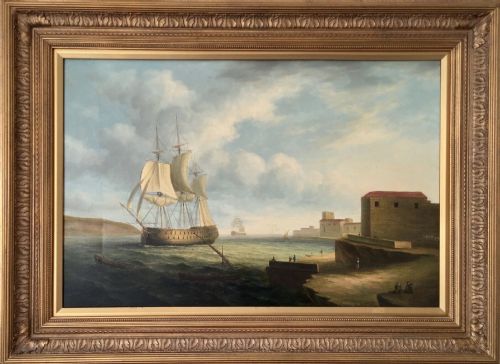
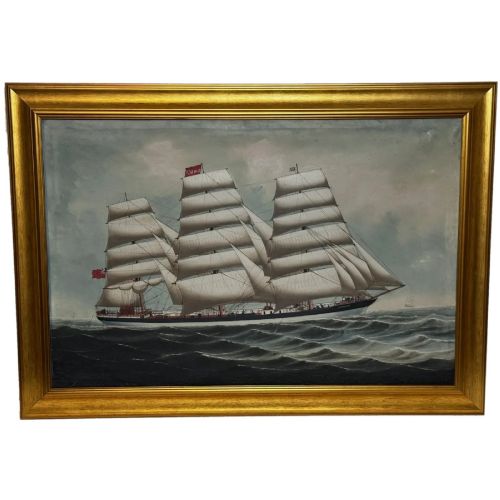
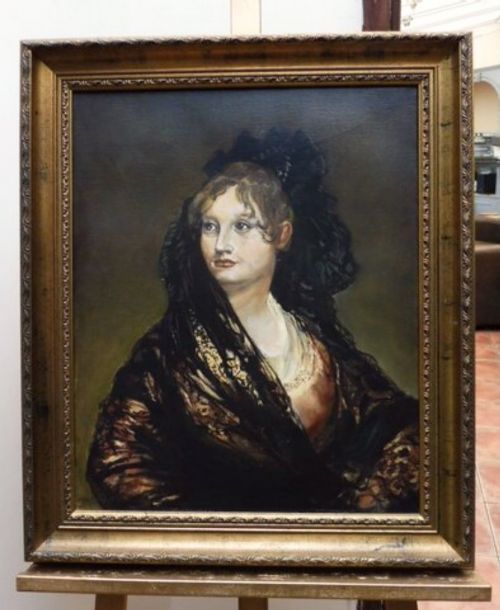
The objects framed inside these borders range from equine and sporting art to maritime scenes and formal human portraits. Many pieces represent copies after earlier masters alongside original nineteenth-century works.
Materials and construction methods
Makers constructed these frames primarily from wood, applying gesso to create smooth surfaces for gilding. Artisans then laid gold leaf or used gold paint to achieve the traditional gilt finish seen on the borders.
Canvases and panels fit securely within these wooden housings, often accompanied by oil paint media and canvas supports used by artists of the period.
Listings feature works from the Regency, Victorian, and Edwardian periods utilising oil on canvas and giltwood materials.
Distinctions in craftsmanship and form
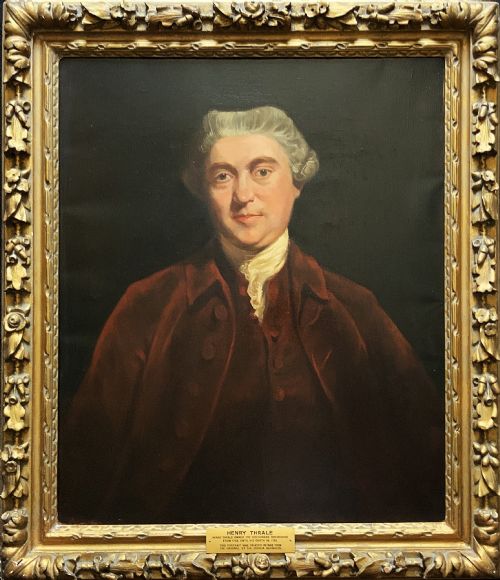
Quality separates simple wooden mouldings from intricately carved giltwood frames that feature deep relief work and substantial corner ornaments. The thickness of the wood and the integrity of the gesso layer dictate the longevity of the gilding.
Scale and proportion distinguish imposing monumental frames from smaller domestic pieces, while the weight of the timber reflects the solidity of the original construction.
William Oliver·Leonardo Da Vinci·Jozsef Molnar·Reginald Arthur Borstel·Francisco Jose de Goya y Lucientes·Sir Joshua Reynolds·Albert Clark·W R Waters·Jonny Gaston·Thomas Gainsborough·Howard Helmick·Max Kaltenmoser·John Sargent Noble·Henry Windsor Fry·George Wright·William Albert Clarke·Henry Barraud
The Traditional Gold Portrait Frame Glossary
- Giltwood
- Wood that has been coated with gold leaf or gold paint. This finish creates the bright appearance characteristic of traditional portrait frames.
- Gesso
- A plaster mixture applied to wood frames to prepare the surface for gilding. It allows artisans to mould fine details before applying the gold.
- Oil on Canvas
- A painting technique utilising pigments suspended in drying oils applied to woven fabric. This medium frequently populates the traditional frames listed here.
- Panel
- A flat piece of wood used as a support for oil paintings rather than stretched canvas. These rigid supports require sturdy frames to prevent warping.
Traditional Gold Portrait Frame: Frequently Asked Questions
What periods do these frames and paintings represent?
The items span several centuries, with particular concentration in the eighteenth, nineteenth, and early twentieth centuries. Pieces align with Georgian, Victorian, Edwardian, and Regency eras.
Makers and artists across these periods utilised traditional timber and gilt techniques to produce oil paintings and their accompanying borders.
How do I care for a giltwood frame?
Giltwood surfaces require gentle dusting with a soft, dry brush to prevent the accumulation of dirt on the delicate gesso and gold leaf. Avoid using liquid cleaners or polishing agents that might strip the historic finish.
Keep the timber away from direct sunlight and damp environments to protect the wood from expanding or contracting.
What subjects appear most often in these artworks?
Human portraits dominate the selection, depicting individuals such as military officers, architects, and children. Equine subjects, sporting art, and maritime scenes also feature prominently.
Many works include depictions of horses, ships, and rural landscapes rendered in oil paint on canvas or panel.
Are these paintings original works or copies?
The listings contain a mixture of original nineteenth-century compositions and later interpretations of earlier masters. Several pieces explicitly reference historical works by artists such as Gainsborough and Leonardo Da Vinci.
Each listing details the specific attribution and period associated with both the painting and its housing.