
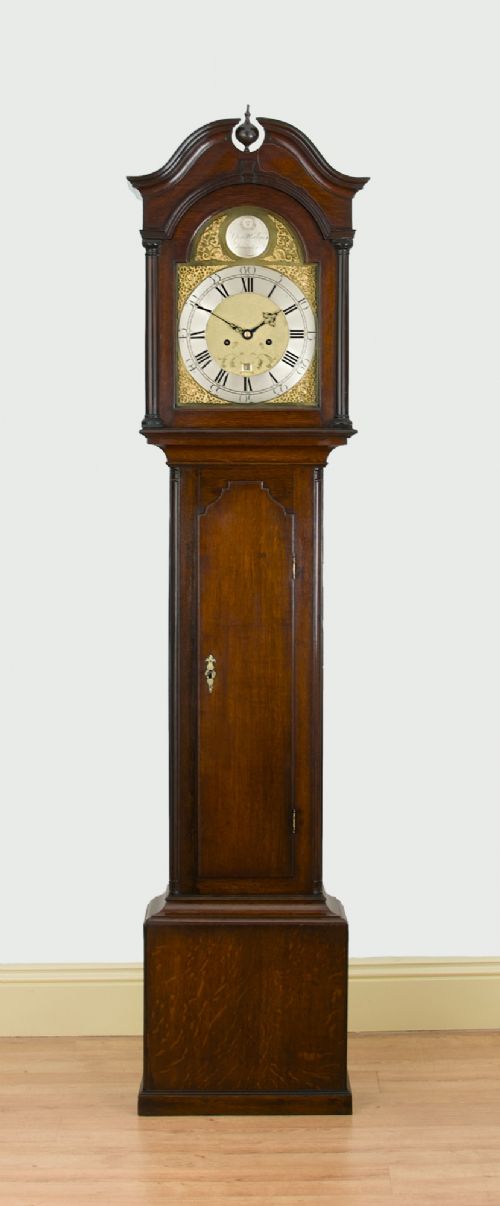


Vintage Oak Tall Clock
A vintage oak tall clock anchors a room with steady motion and timber patinated by centuries.
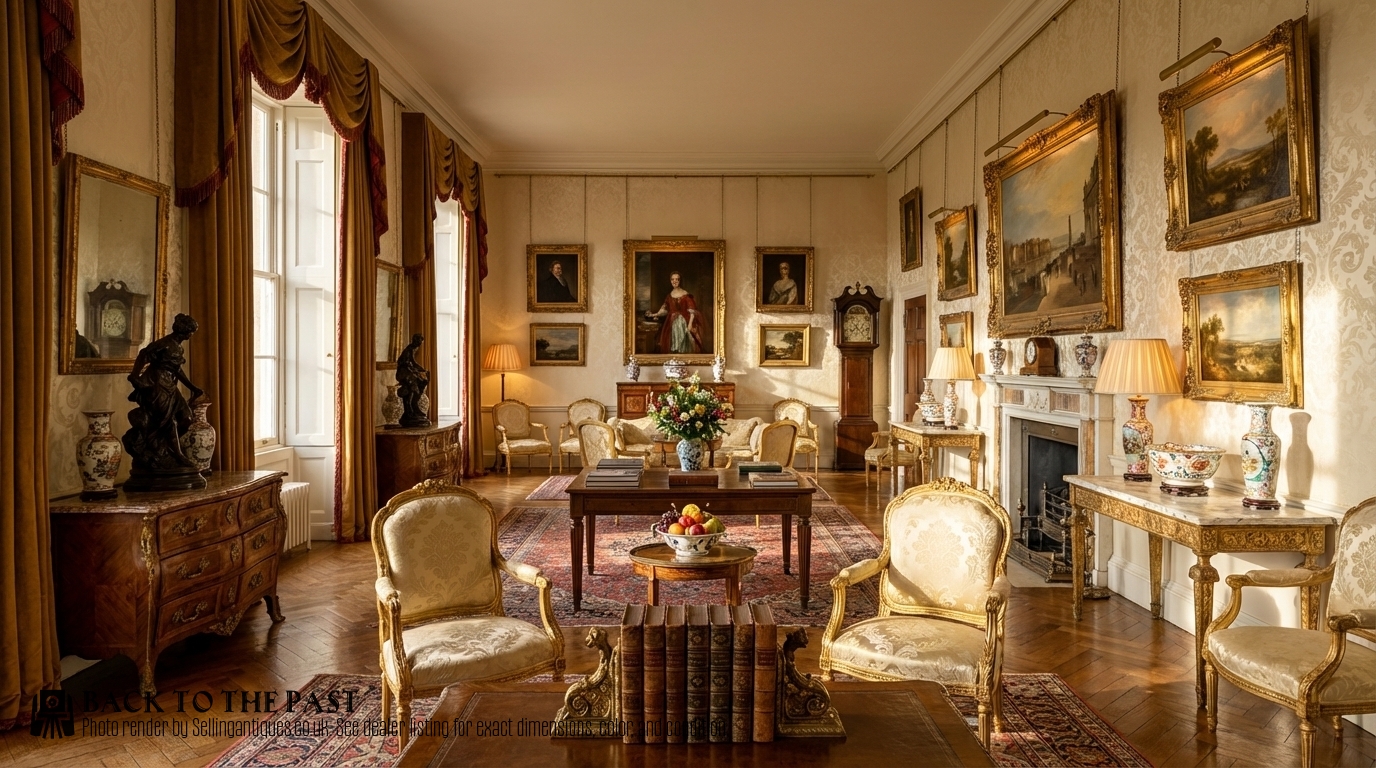
Vintage Oak Tall Clock
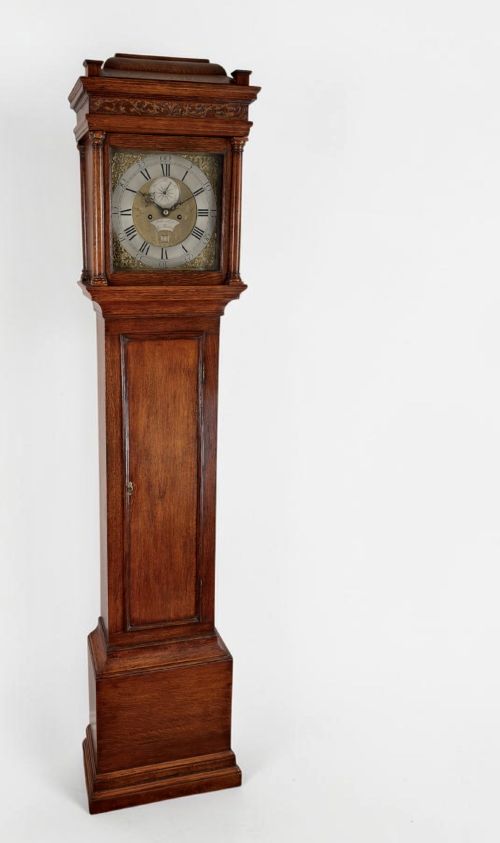
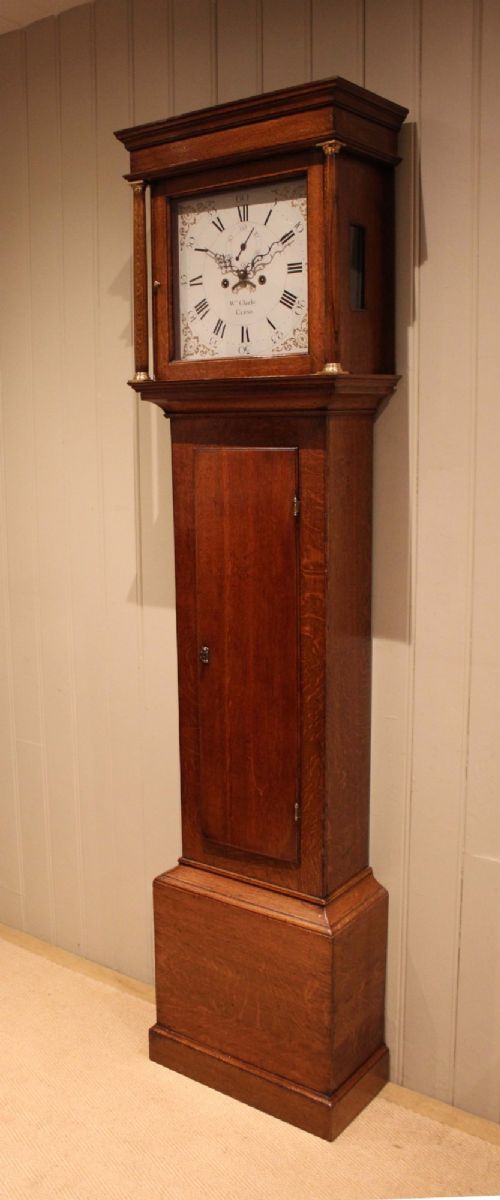
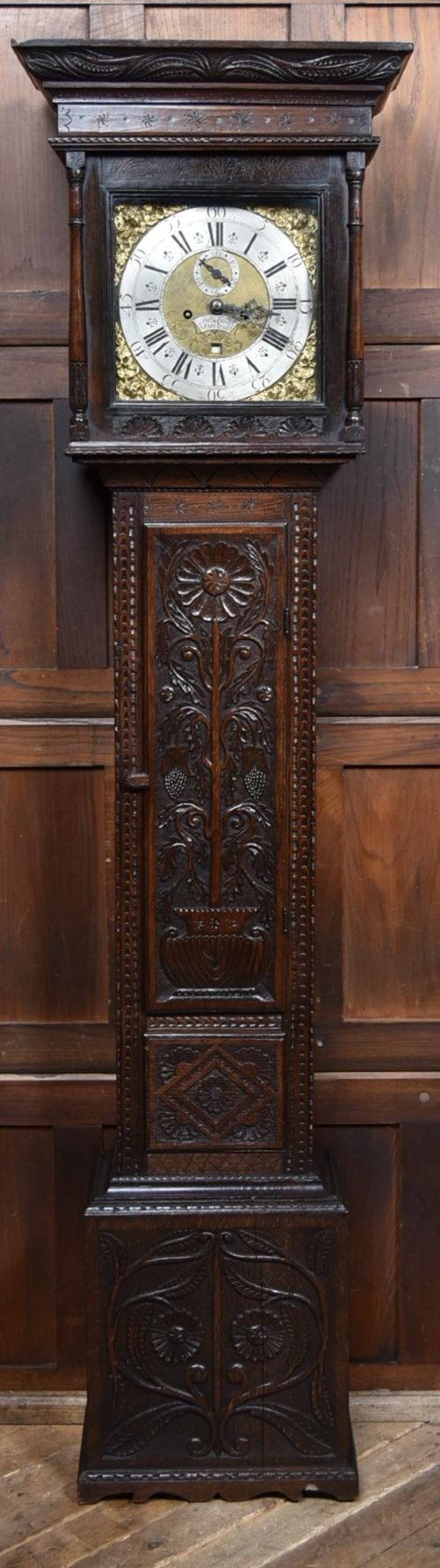
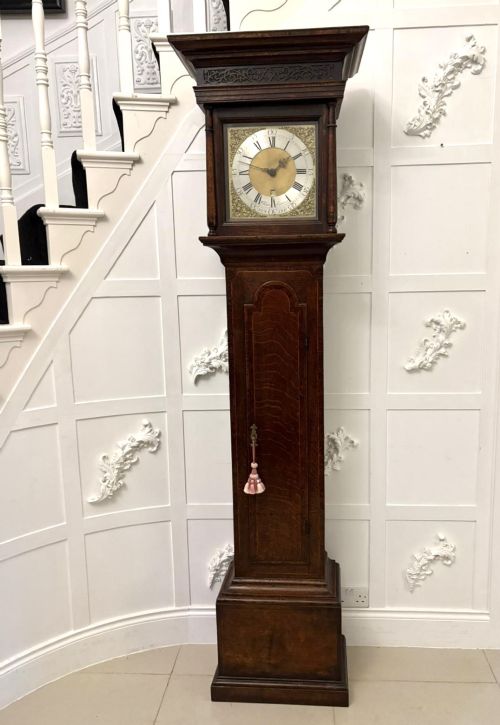
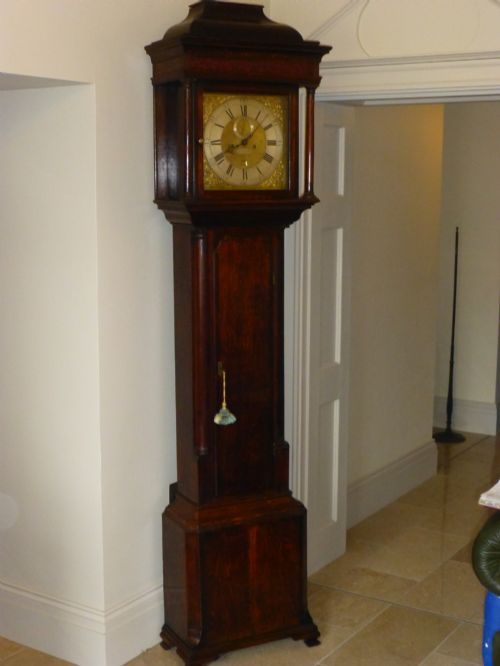
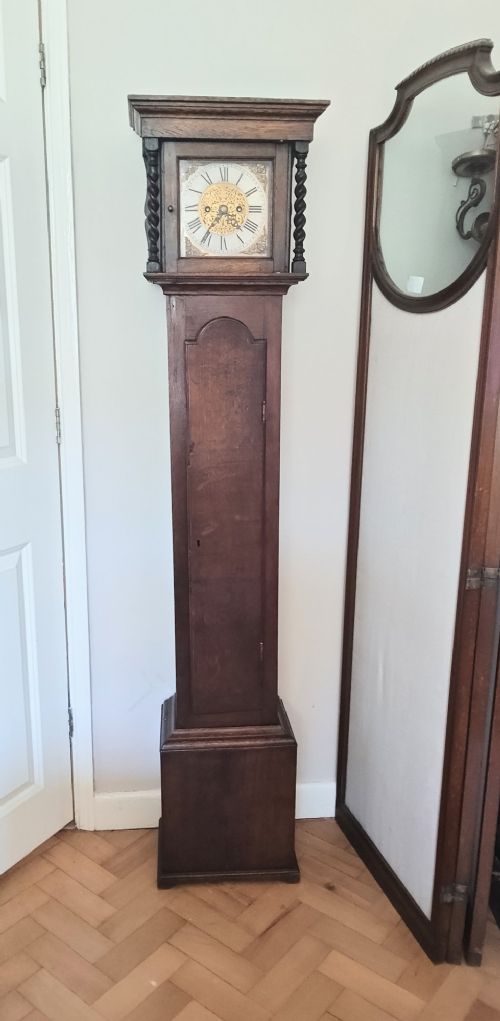
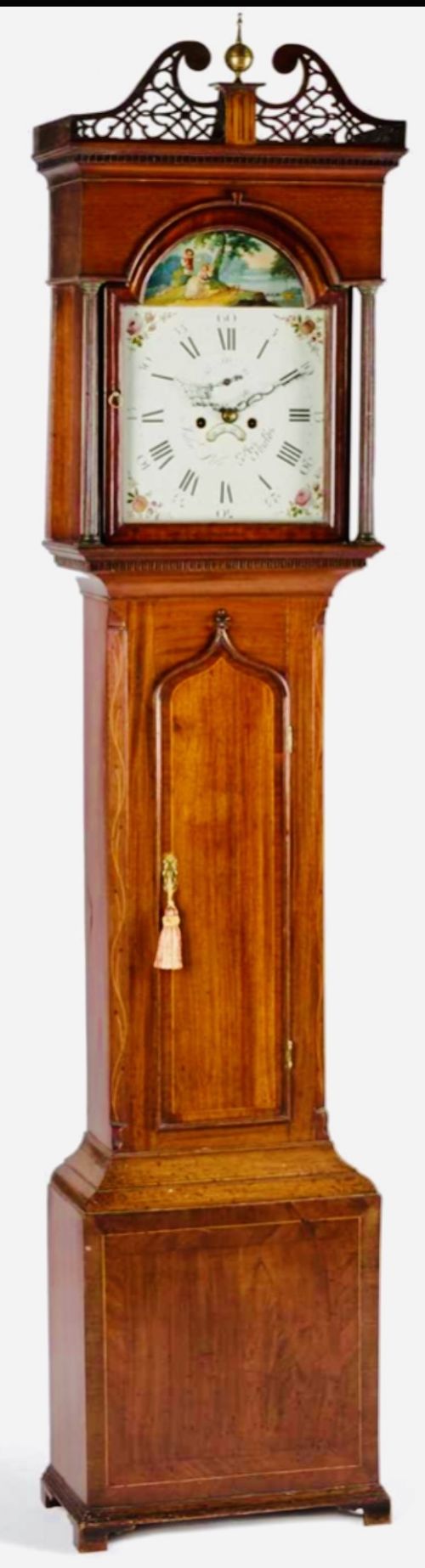
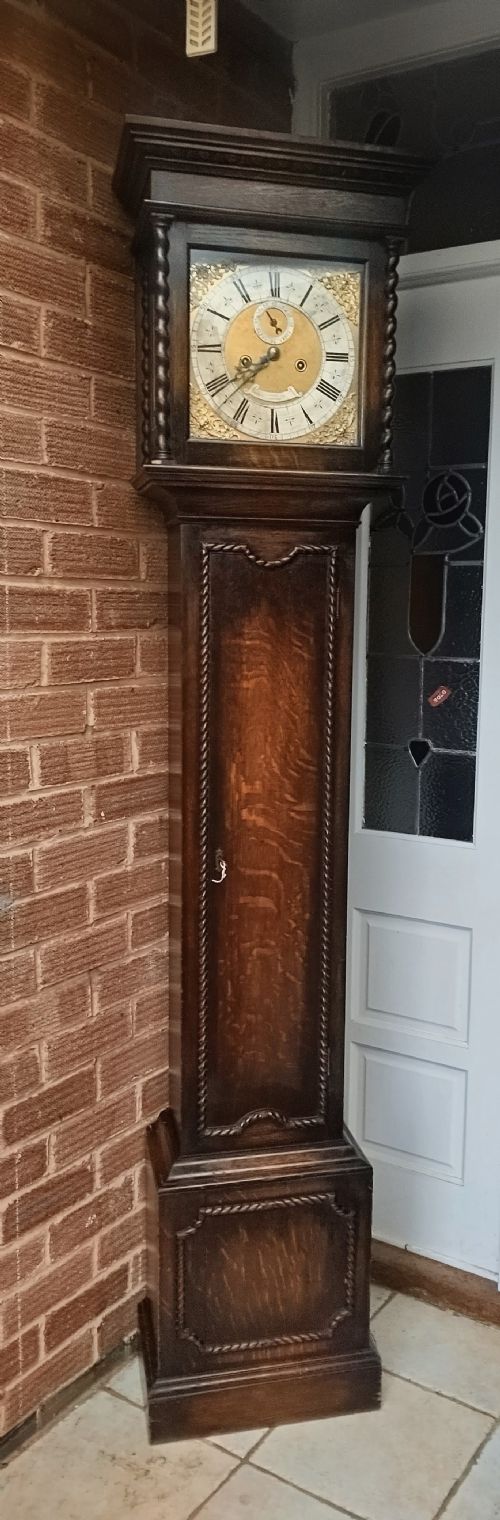
When you search for a vintage oak tall clock, you encounter heavy floor-standing timepieces that span from the Georgian period through the 20th century. These works appear under names such as longcase clock, grandfather clock, and grandmother clock, reflecting differences in height and scale.
The specimens on this page emerge primarily from Georgian, 18th century, Victorian, and 1920s eras. You meet substantial country timepieces alongside smaller domestic models designed for more compact rooms.
How they were made
Cabinetmakers built these tall cases predominantly from solid oak, occasionally incorporating mahogany or walnut veneers and burr oak highlights. Glass protected the delicate dials while enclosing the swinging pendulums.
Clockmakers fitted brass, enamel, and metal faces with mechanical movements driven by weights or springs. Dial makers and regional smiths engraved chapter rings and signed plates with their names and towns.
Materials across the inventory combine oak timber cases with brass, enamel, iron, glass, and occasional walnut details.
What varies in quality
The skill of the regional clockmaker dictates the mechanical fidelity of the movement, separating standard eight-day striking mechanisms from complex musical chiming systems playing multiple tunes. Heavier brass castings and signed dials indicate higher workshop standing.
Cabinet construction shows variation through timber selection, such as the use of burr oak or figured walnut, alongside the proportion and carved detail of the wooden case.
Lee of Great Marlow·Jn° Smith·Richard Corless·George Hallifax·Thomas Webbe·David Craig·James Coster·Samuel Young·Jn Wright Linton
The Vintage Oak Tall Clock Glossary
- Longcase clock
- A tall pendulum clock housed in a wooden floor-standing case, commonly called a grandfather clock.
- Grandmother clock
- A smaller, more slender version of the traditional longcase clock, typically dating from the 20th century.
- Dial
- The face of the clock where the hours and minutes are displayed, often constructed from brass or enamel.
- Movement
- The internal mechanical workings of the clock, comprising gears, weights, and escapements that drive the hands and strikes.
- Chiming
- An acoustic mechanism that plays melodies or sounds the quarters and hours using gongs or bells.
Vintage Oak Tall Clock: Frequently Asked Questions
What is the difference between a grandfather and grandmother clock?
A grandfather clock is the standard full-sized floor-standing timekeeper, while a grandmother clock is a smaller, more delicate version built for reduced spatial footprints.
Grandmother clocks frequently date from the 20th century, whereas traditional grandfather clocks span the Georgian and Victorian eras.
How do eight-day movements work?
An eight-day movement requires winding via hanging weights or key-wound springs once every week to keep the gears turning.
These systems drove both standard timekeeping and complex musical chiming apparatuses across the 18th and 19th centuries.
Where were these clocks made?
Regional makers and retailers constructed and sold these timepieces across various towns and cities in Britain, ranging from local provincial workshops to London establishments.
Signatures on the brass or enamel dials frequently record the exact maker and location of origin.
How do I care for an antique tall clock?
Place the tall clock on a level surface away from direct sunlight and dramatic temperature fluctuations to protect the wooden case and internal mechanics.
Ensure the weights hang freely inside the trunk and the pendulum maintains an even beat.