
Vintage Oak Kitchen Chairs
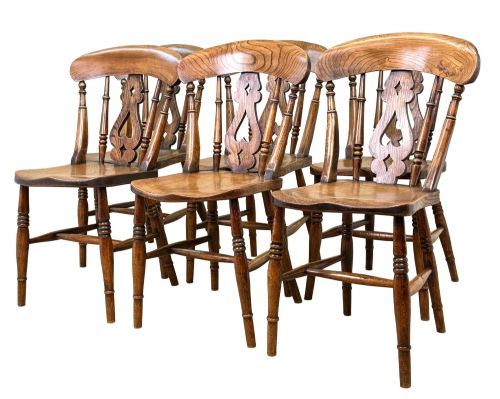
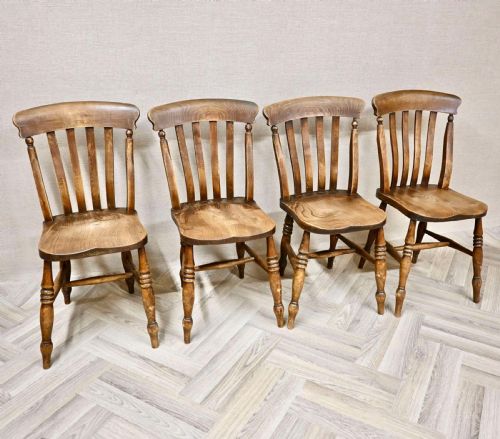
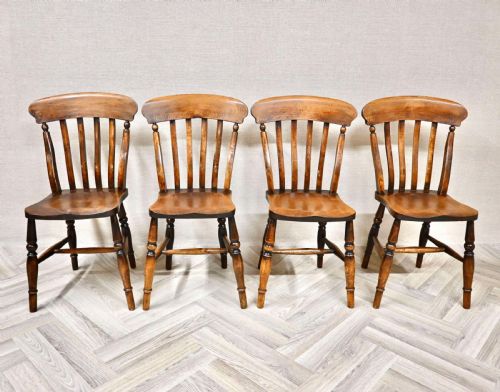
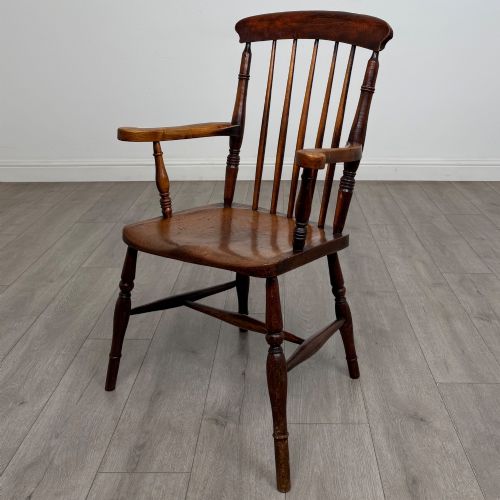
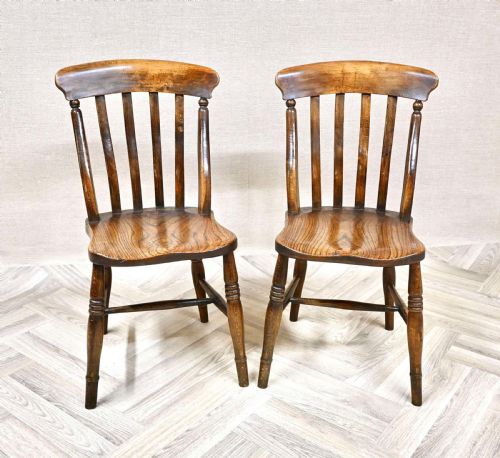
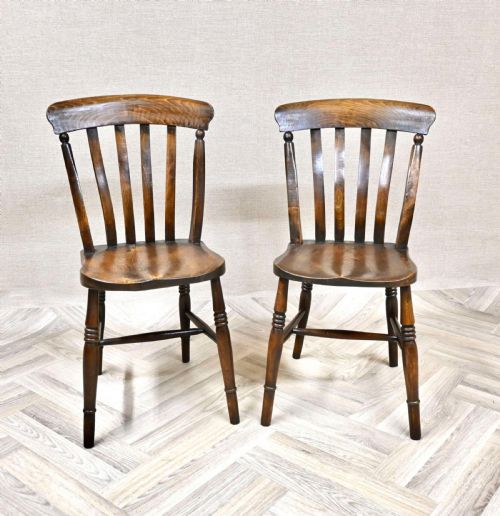
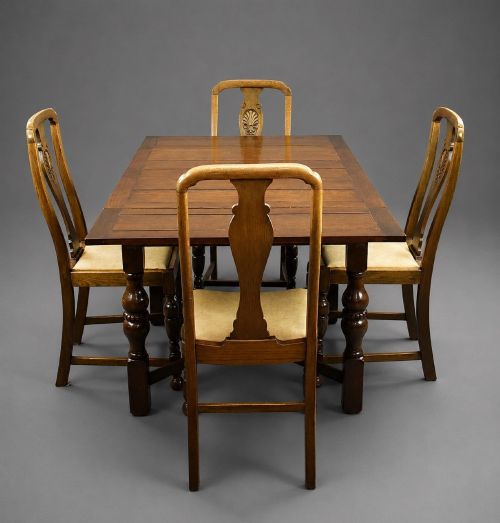
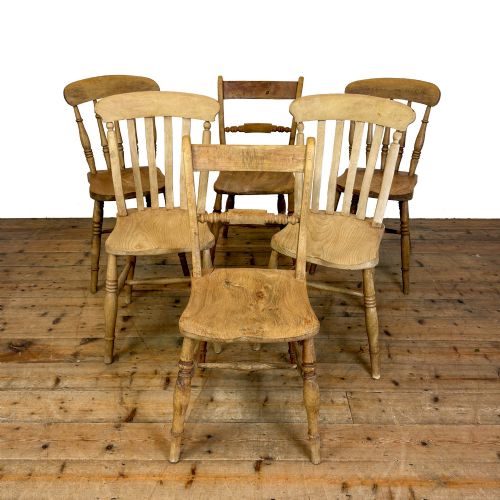
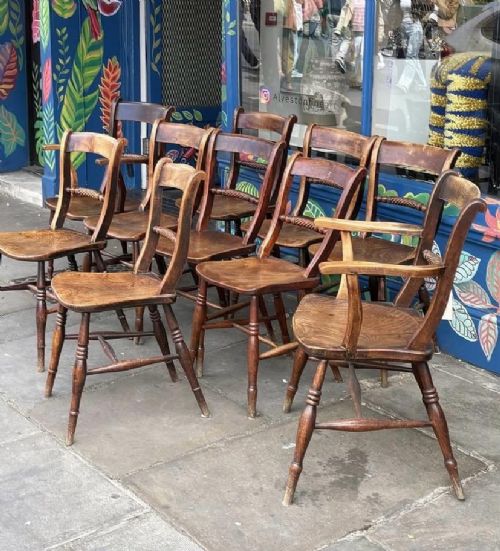
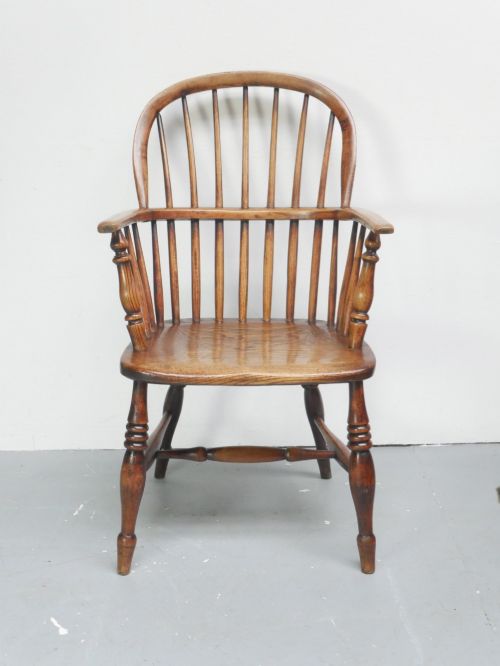
These vintage oak kitchen chairs bring sturdy vernacular character to the table, ranging from robust Windsor forms to ladderbacks.
Vintage Oak Kitchen Chairs
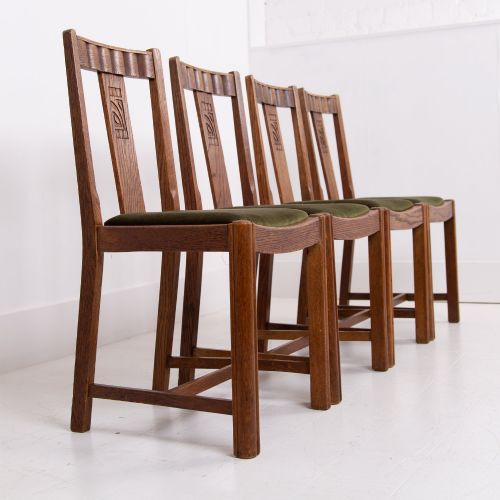
When you search for vintage oak kitchen chairs, you encounter sturdy seating designed for everyday domestic use, drawing heavily on English country, rustic farmhouse, and Arts and Crafts traditions. The pieces span periods from the Georgian era through the Victorian period, 1900, and into the nineteen-twenties and nineteen-thirties.
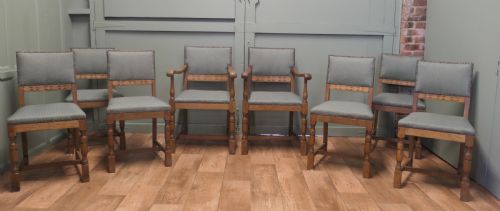
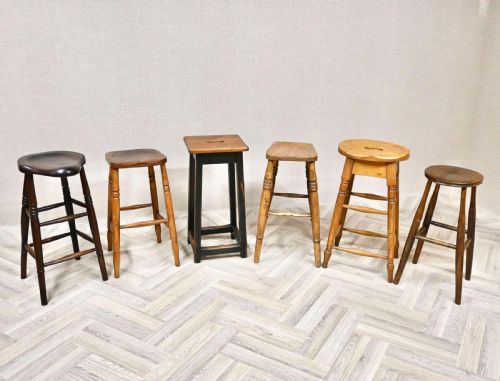
You are most likely to meet sets of Windsor chairs, ladderbacks, and stick backs, alongside occasional bar stools and armchairs. The forms often incorporate regional variations such as wheelbacks, laybacks, and lyrebacks.
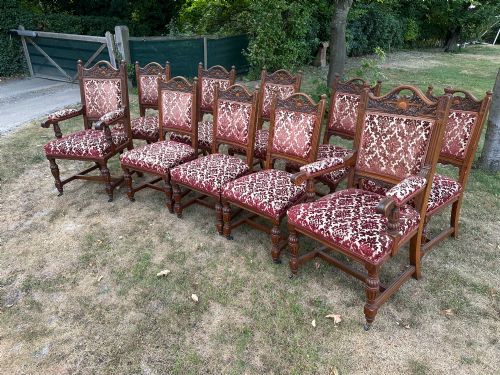
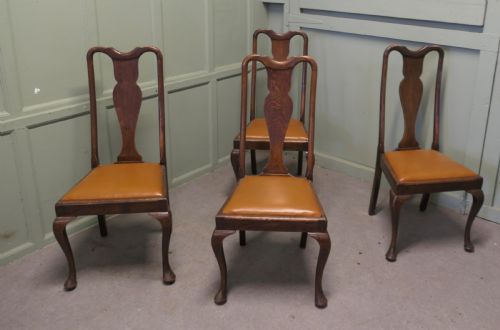
The selection includes matched sets in groups of four, six, eight, and ten, alongside harlequin sets that bring together complementary vernacular designs from the same broad era.
Materials and construction
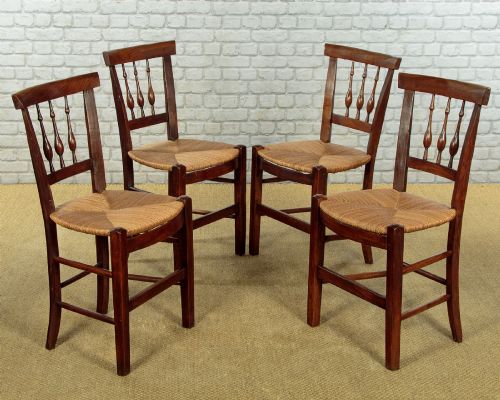
The primary material is solid oak, frequently combined with elm, beech, ash, and other hardwoods for structural stability in seats, spindles, and legs. Secondary materials such as rush feature in seat weaving, while upholstered variants incorporate fabric and velvet.
Traditional joinery techniques dictate the construction, utilising turned wooden components, steam-bent hoops, and wedged tenons. These methods produce resilient seating designed to withstand daily use in a kitchen environment.
The inventory even includes an early twentieth century shop advertising chair created for Watsons Matchless Soap.
Judging the quality
Quality rests upon the integrity of the timber selection and the fidelity of the regional vernacular form. Heavier scantlings of oak and well-defined turnings elevate a chair above standard utility grade.
Consistency across a matched set distinguishes superior offerings, particularly when dealing with larger groups of six or more dining chairs. Original surface patination and honest signs of age carry more weight than overly restored uniformity.
The Vintage Oak Kitchen Chairs Glossary
- Windsor
- A chair built with a solid wooden seat into which the legs and back spindles are separately bored and wedged. This form relies on steam-bent elements for the back rail.
- Ladderback
- A chair featuring horizontal slats or rails set between the vertical uprights of the back. The style has deep roots in country vernacular furniture.
- Harlequin set
- A collection of chairs that share a similar style, period, or region but were not originally made as a single unified set. They match in spirit rather than exact design.
- Rush seat
- A seating surface woven from dried marsh rushes or reeds. This traditional method creates a textured, supportive base often seen in country dining chairs.
Vintage Oak Kitchen Chairs: Frequently Asked Questions
How do I spot a true set?
Examine the underframes, turnings, and timber grain closely to ensure consistent hand-tool marks and wood density across every chair in the group.
Matched sets share identical dimensions and construction quirks, whereas harlequin groups display subtle variations in spindle count or height while maintaining a cohesive period aesthetic.
Are these chairs suitable for daily dining?
These pieces were built specifically for heavy domestic service in kitchens and farmhouses, meaning they possess inherent structural resilience.
Ensure that joints remain tight and seats stable before committing them to daily use around a modern dining table.
What is a stick back chair?
A stick back is a vernacular seating form where turned wooden spindles are inserted directly into a solid wooden seat to form the backrest.
Unlike elaborate parlor furniture, these emphasise utilitarian strength and straightforward regional craftsmanship.
How do I care for vintage oak?
Maintain the wood by applying occasional traditional wax polish to nourish the grain and protect the historic surface patination.
Keep the chairs away from direct heat sources and extreme humidity fluctuations to prevent the solid timber and traditional joints from drying out.