





Vintage Metal Serving Tray
A vintage metal serving tray brings weight and steady utility to a room, offering a polished surface for drinks or a dark ground for quiet display.
Vintage Metal Serving Tray
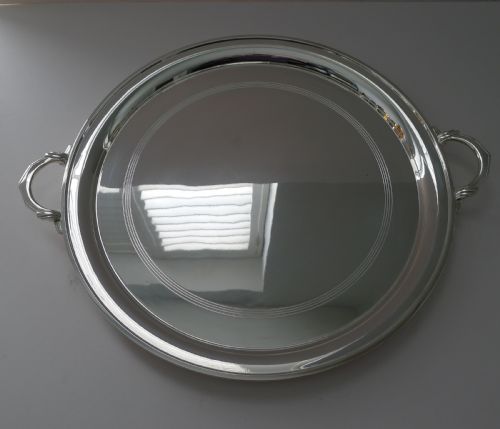
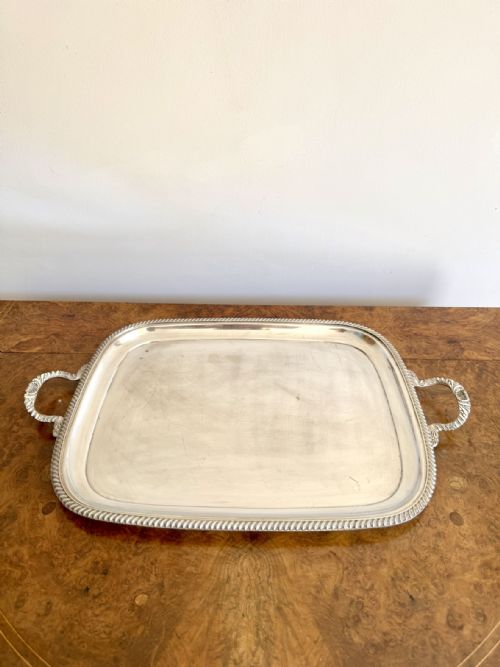
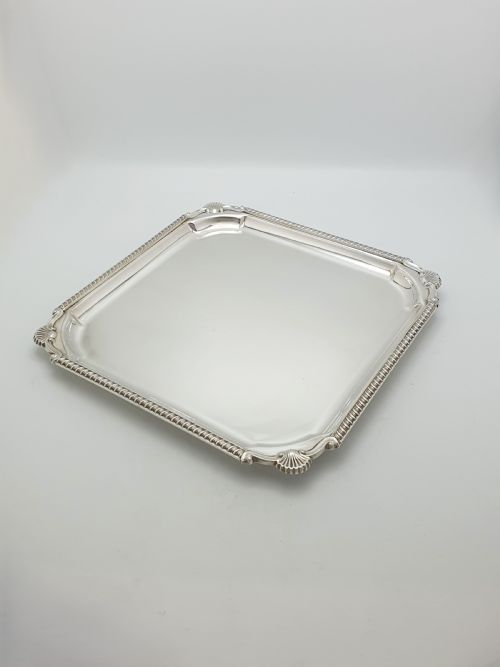
A vintage metal serving tray encompasses forms ranging from cocktail platters to deep chargers, drawing on periods spanning the eighteenth century through the art deco decades. Buyers meet Edwardian silver-plated trays, nineteenth-century toleware, and heavy copper pieces shaped in the arts and crafts tradition.
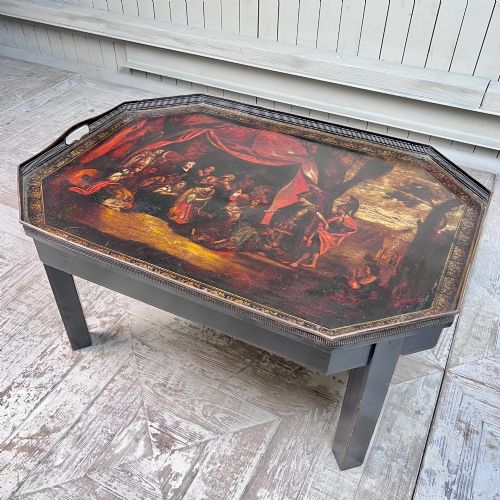
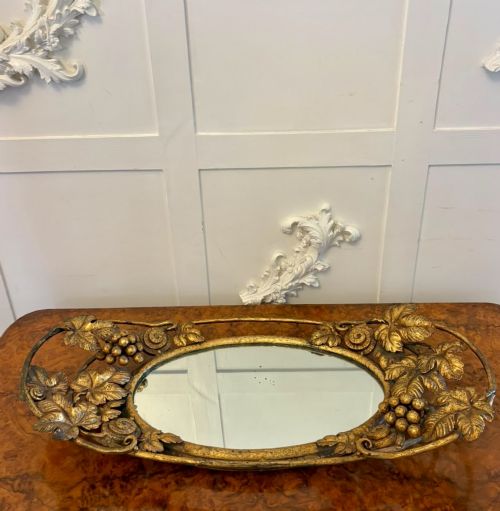
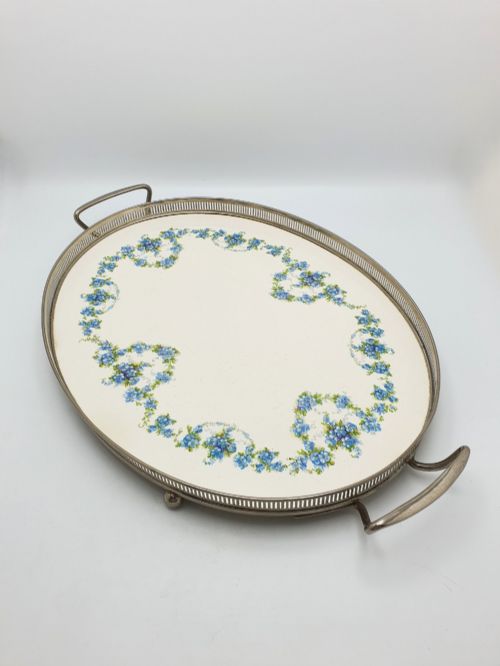
The selection includes circular salvers, octagonal tole tray tables, and long cocktail servers designed for spirits and glassware. Continental and regional workshops supply oval trays with painted floral centres or pierced galleries alongside heavy brass and mixed metal items.
Materials and construction
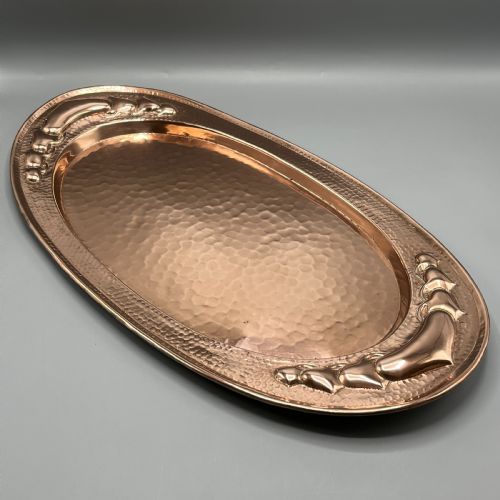
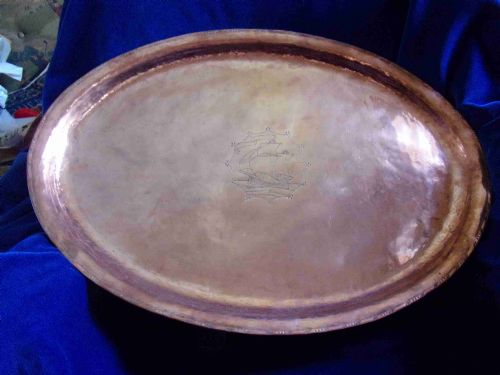
Makers shaped these objects from copper, brass, pewter, and silver plate over base metals, often employing hand-hammered techniques to build texture. Copper and brass pieces show repoussé relief work, while pewter items rely on clean rims and clover motifs.
Toleware pieces involve painted and gilt-embellished iron surfaces, sometimes depicting classical scenes or floral motifs. Cloisonne examples integrate enamel wirework on metal foundations, creating detailed ornamental panels of birds and koi.
Listings feature items across multiple centuries, moving from eighteenth-century pewter chargers to mid-century silver-plated cocktail trays and art deco tableware.
Quality factors in metal trays
Quality rests in the crispness of the chasing, the weight of the metal base, and the integrity of the silver plating or painted finish. A heavier gauge of copper or brass prevents flexing and gives the object a satisfying balance in the hand.
The distinction between standard commercial output and workshop pieces lies in the hand-finished details of handles, rims, and engraved surfaces. Maker signatures from known firms or distinct artistic movements elevate the piece beyond plain utility.
Keith Murray For Mappin & Webb·Hugh Wallis·Liberty & Co·Hukin & Heath·John Collyer & Co
The Vintage Metal Serving Tray Glossary
- Toleware
- Painted or lacquered tinplate objects, often decorated with gilt embellishments and classical or floral scenes. These trays date from the Regency and Victorian periods.
- Repoussé
- A metalworking technique where the artisan hammers the design from the reverse side to form raised relief patterns on the front. It is common in arts and crafts copper work.
- Salver
- A flat metal tray, typically with a foot or raised edge, used for serving drinks or presenting items. They frequently feature engraved surface decoration.
- Cloisonne
- An ancient technique for decorating metal object surfaces using enamel held within thin wire compartments. Japanese examples from the late nineteenth century show remarkable detail.
- Old Sheffield Plate
- A composite material made by fusing a thin sheet of silver to a thicker copper core. This predates modern electroplating methods.
Vintage Metal Serving Tray: Frequently Asked Questions
How do I clean a silver plated tray?
Use a soft cloth and a gentle silver cream designed for plated items to lift tarnish without removing the thin metal layer.
Avoid abrasive scouring pads and harsh chemical dips that strip away the antique finish and expose the base metal underneath.
Can I use these trays for serving drinks?
Most silver-plated and metal trays function well for carrying glassware and cocktails, provided the surface plating remains intact and stable.
Ensure painted toleware or delicate cloisonne surfaces are protected from moisture and alcohol spills by using liners or coasters.
How do I date a metal tray?
Examine the maker marks, manufacturing technique, and stylistic cues such as art deco geometric lines or arts and crafts hand-hammering.
Compare the weight, metal composition, and screw types or solder joints against documented examples from specific periods.
What is toleware?
Toleware refers to lacquered or painted metal items, usually tinplate, decorated with hand-painted floral or classical motifs.
Originating in the eighteenth and nineteenth centuries, these pieces often feature rich dark backgrounds with gilt highlights.