

Vintage Mechanical Timekeeper
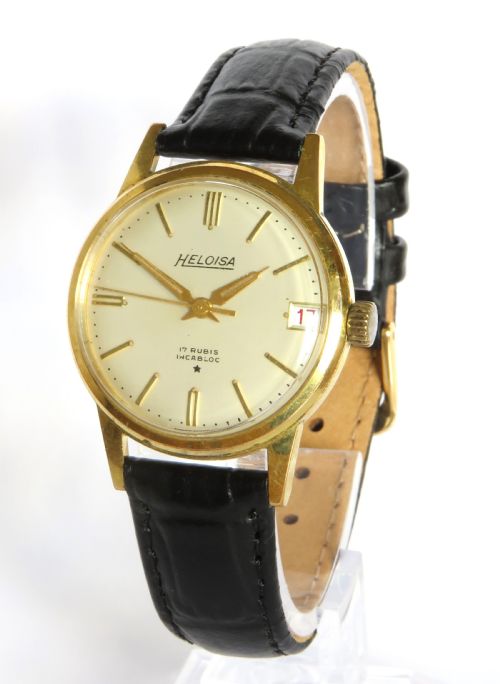
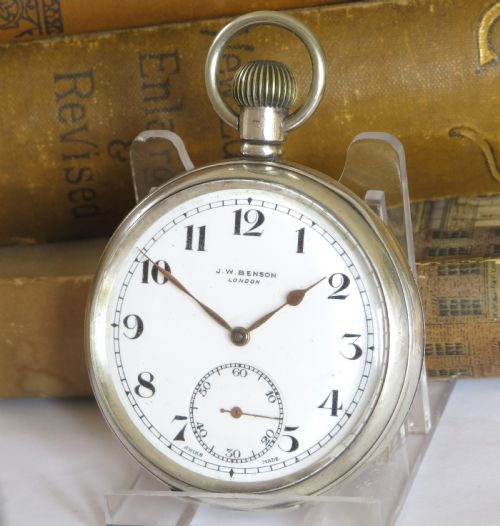
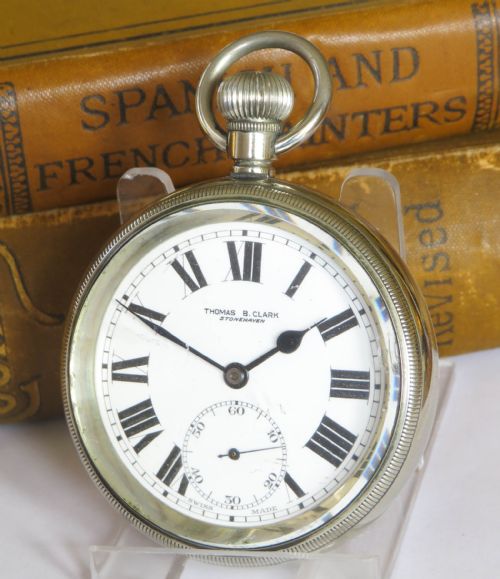
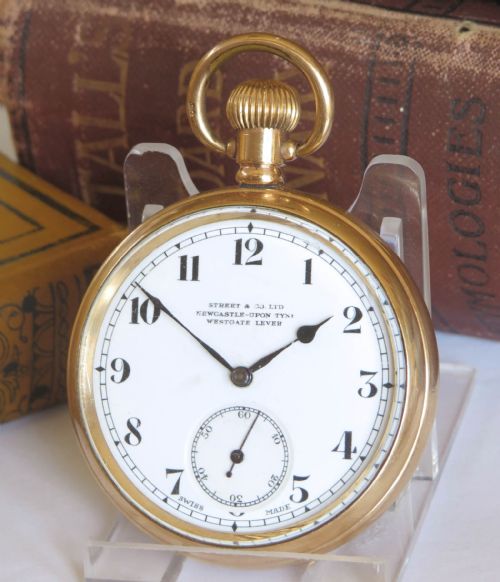
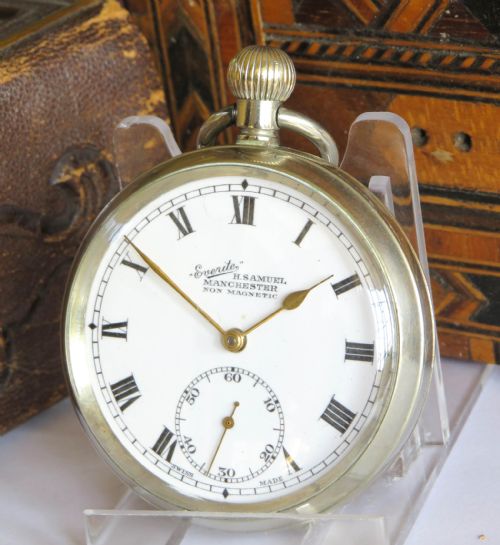
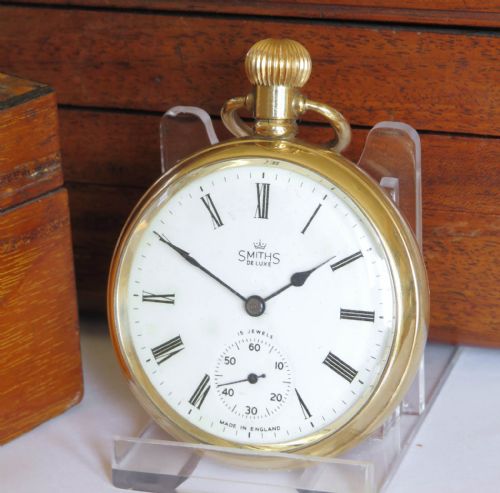
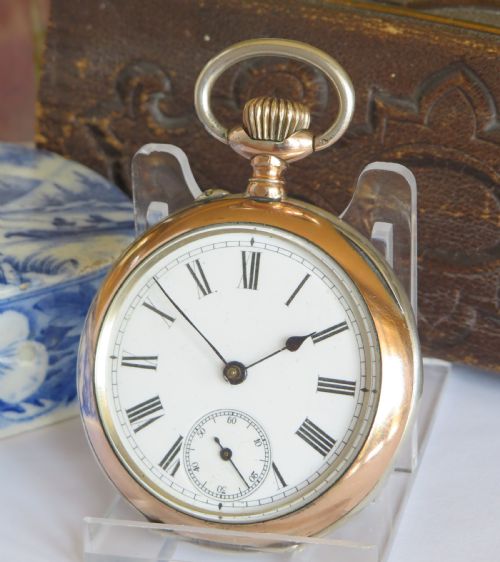
These vintage mechanical timekeepers range from pocket watches to carriage clocks, offering a tangible connection to historical horology.
Vintage Mechanical Timekeeper
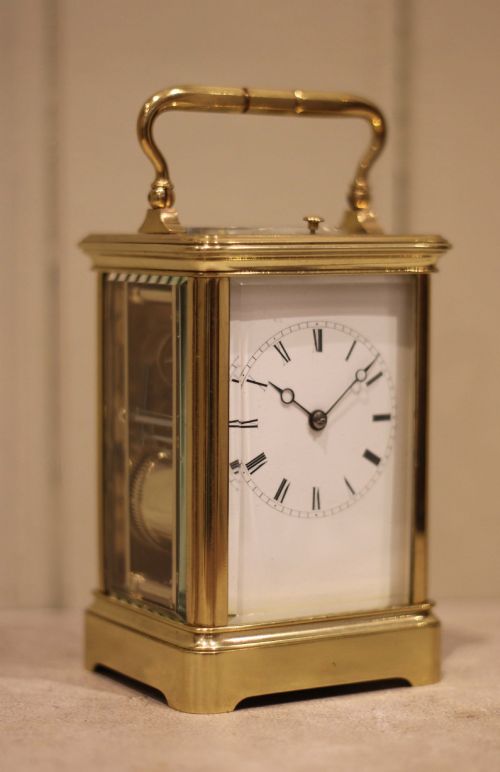
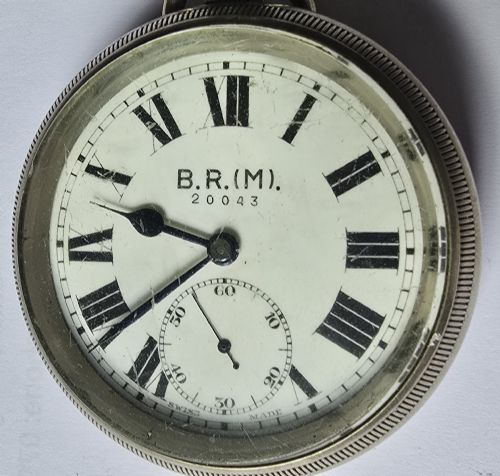
A vintage mechanical timekeeper represents a wide array of portable and domestic instruments driven by springs, gears and escapements rather than batteries. When searching this phrase, buyers encounter everything from pocket watches issued to railway workers to French brass carriage clocks and Art Deco mantel clocks.
The selection spans several decades and centuries, with pieces originating from Victorian workshops, Edwardian parlours and mid-century offices. Pocket watches and carriage clocks dominate the inventory, accompanied by wall clocks, wristwatches and skeleton clocks in brass, silver, mahogany and glass.
How they were made
Maker's workshops combined metals such as brass, steel, silver and gold plate with timber cases in mahogany, golden oak and bakelite. Movement plates, wheels and escapements required precise hand-assembly and adjustment by skilled watchmakers and clockmakers.
Enamel dials, engraved gilt brass cases, and horn back-painted outer layers provided decorative finish alongside functional durability. Glass panels fitted to carriage clocks allowed visibility of the striking and repeating mechanisms within.
Oddfellows and railway workers once carried customized silver timekeepers recording their specific loyalties and routes.
What varies in quality
The standard of a vintage mechanical timekeeper depends upon the complexity of its movement, such as repeating functions, multi-jewel escapements, or chronograph capabilities. Finer pieces demonstrate superior finishing on internal bridges and plates alongside crisp engraving on exterior metalwork.
Waltham·Cyma·Smiths De Luxe·Zenith·Jaz
The Vintage Mechanical Timekeeper Glossary
- Carriage clock
- A portable spring-driven timepiece originally designed for travelling, typically housed in a brass frame with glass panels.
- Pocket watch
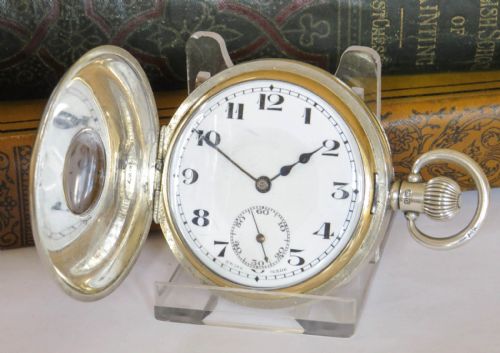
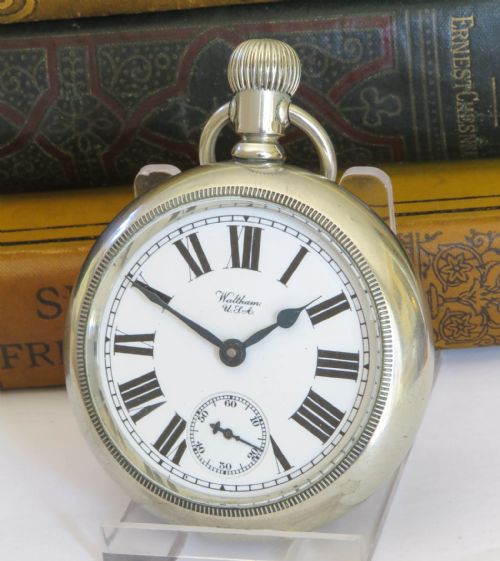
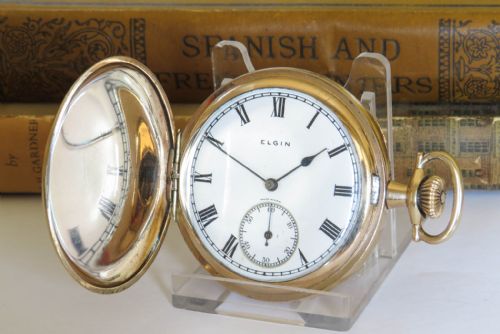
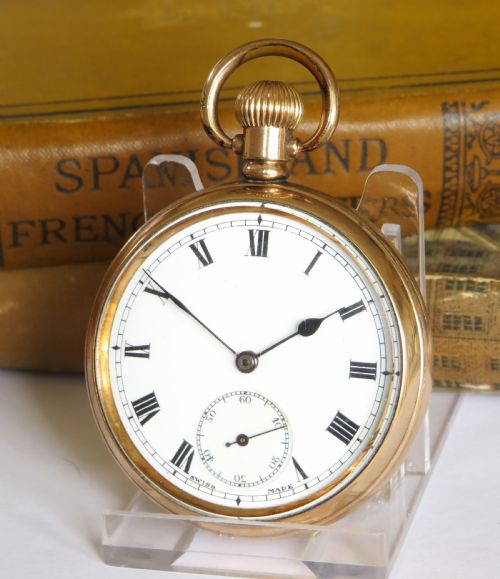
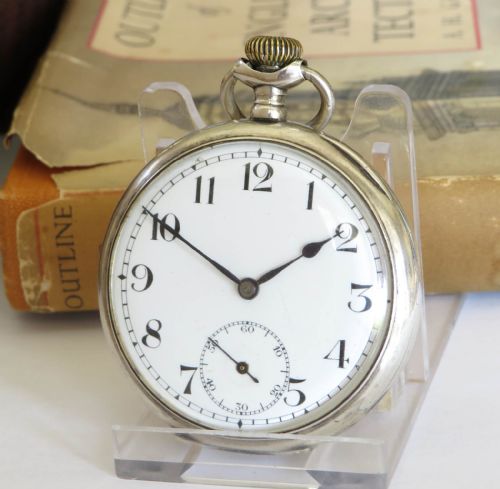
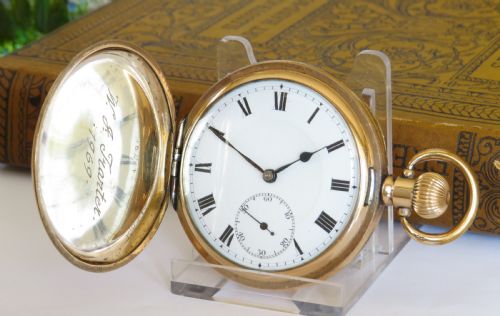
- A timepiece small enough to fit in a pocket, usually attached to a chain and fitted with a hinged protective outer case.
- Striking clock
- A timepiece that sounds the hours or fractions of hours automatically using a bell, gong or rack-strike mechanism.
- Fusee
- A conical pulley used in older spring-driven clocks and watches to equalize the torque of the mainspring as it unwinds.
- Hunter
- A pocket watch featuring a spring-loaded metal cover that protects the glass dial from damage.
Vintage Mechanical Timekeeper: Frequently Asked Questions
How do I wind a mechanical pocket watch?
Most pocket watches wind via the crown at the top, turning it gently clockwise until resistance is felt.
Overwinding can damage the mainspring, so stop turning the moment the tension increases firmly.
What is a repeating carriage clock?
A repeating carriage clock contains an extra mechanism that chimes the last hour or quarter-hour when a button or pendant is pressed.
This function allowed travellers to check the time in the dark during horse-drawn journeys.
How were railway pocket watches different?
Railway timekeepers required high accuracy, clear enamel dials with legible numerals, and sturdy movements to withstand daily vibration.
Many bear specific region markings or inscriptions from transport networks and associations.
Can I wear a vintage mechanical wristwatch daily?
Daily wear is possible, but vintage mechanical watches lack modern shock protection and water resistance.
Owners should avoid moisture, magnetic fields, and heavy impacts to preserve the delicate internal gears.