
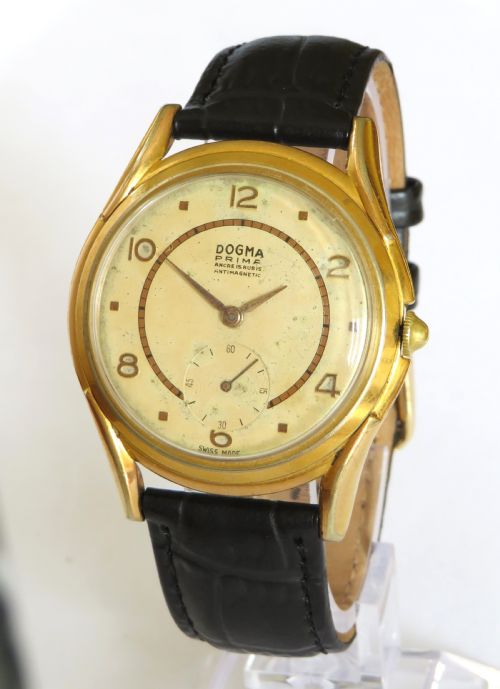
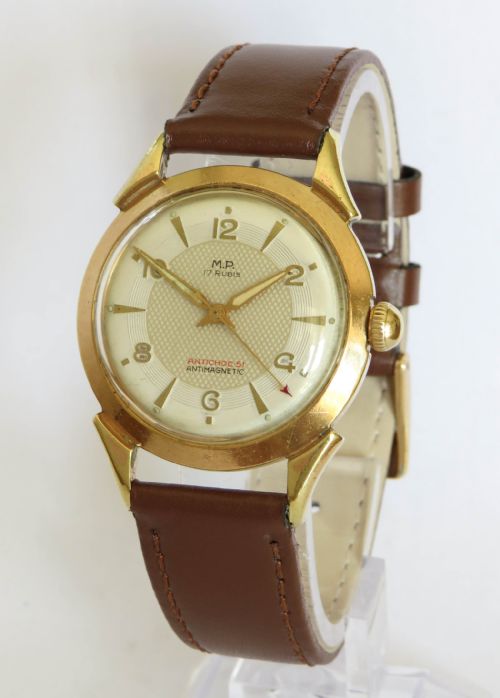


1950s Gold Dress Watch
A 1950s gold dress watch brings mid-century horology to the wrist with slim profiles and precious metal cases.
1950s Gold Dress Watch
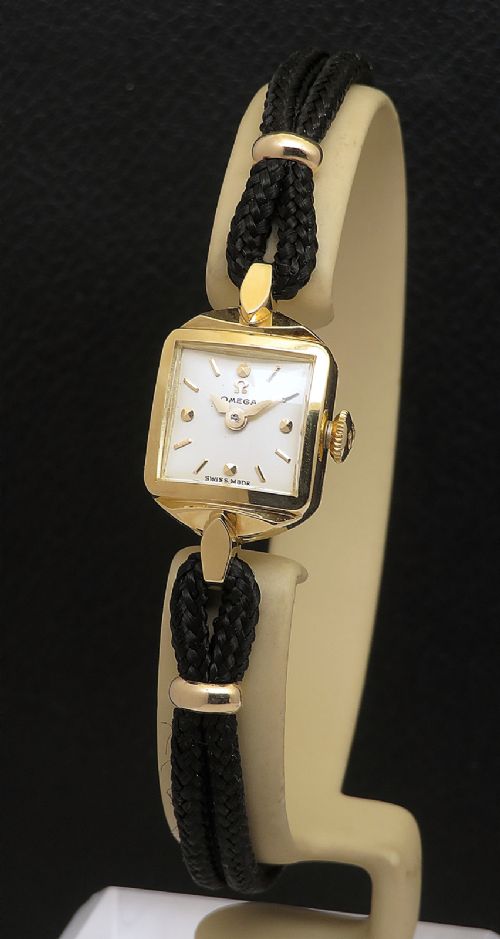
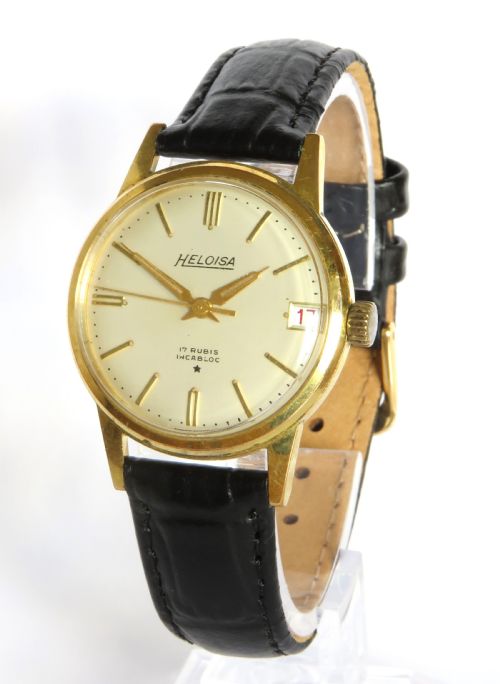
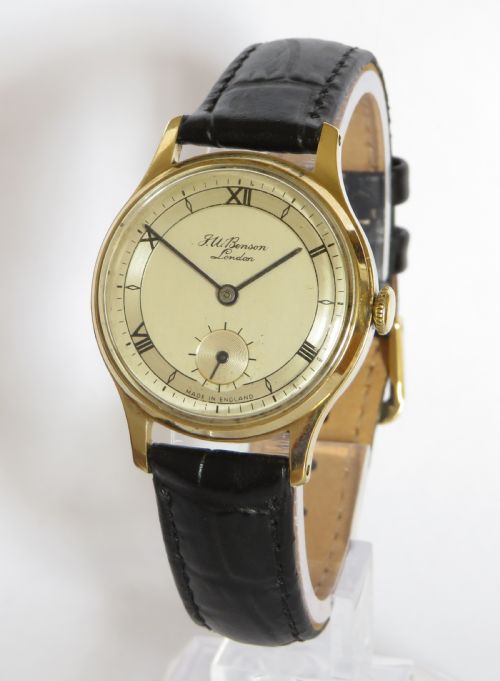
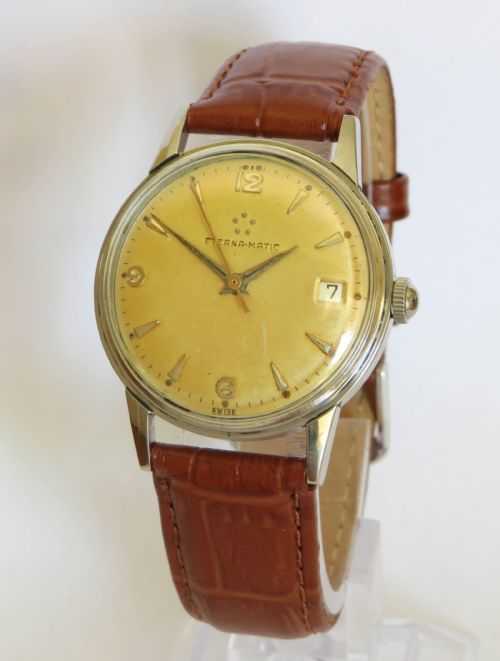
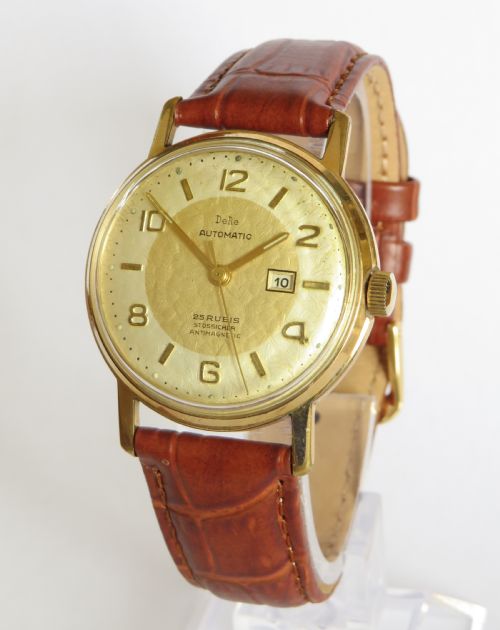
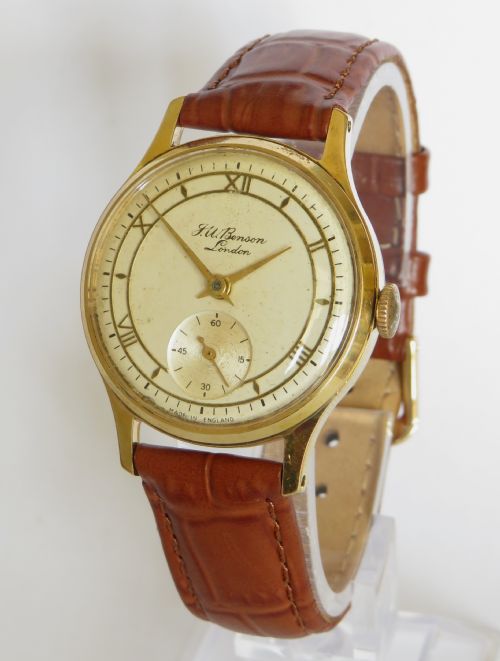
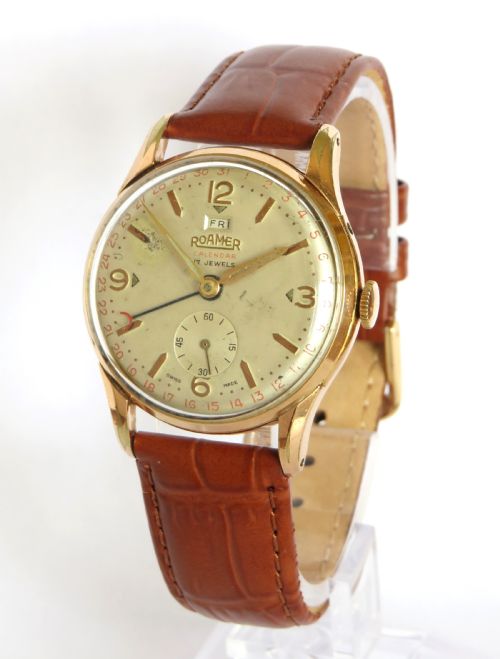
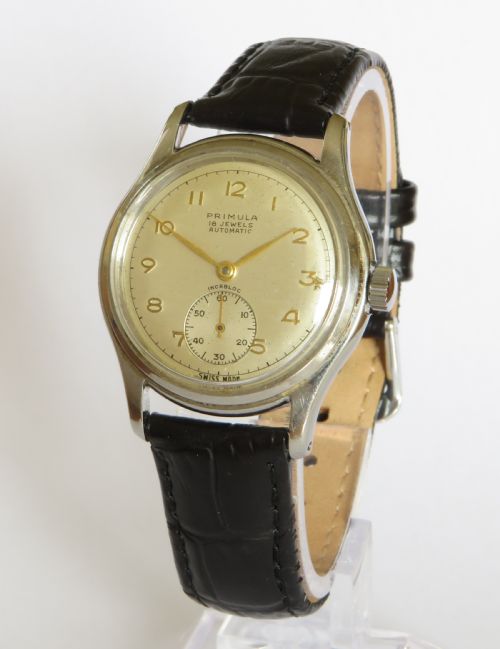
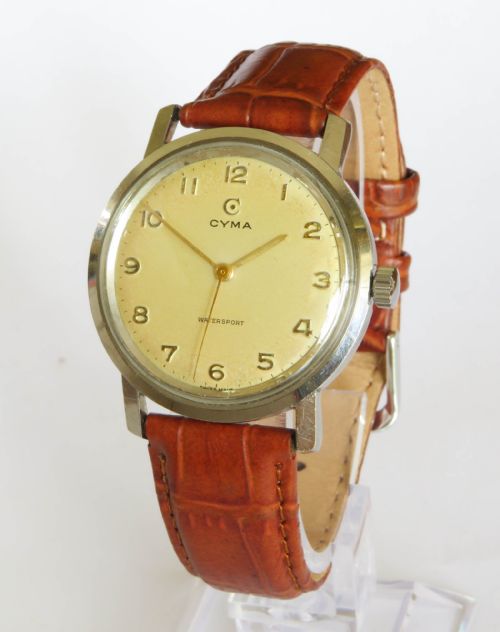
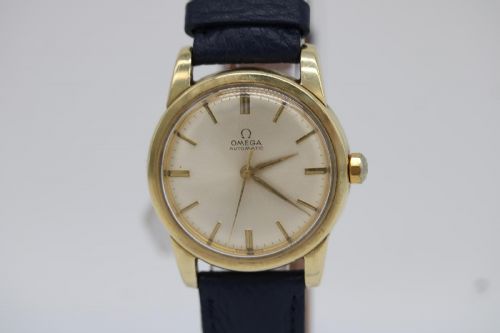
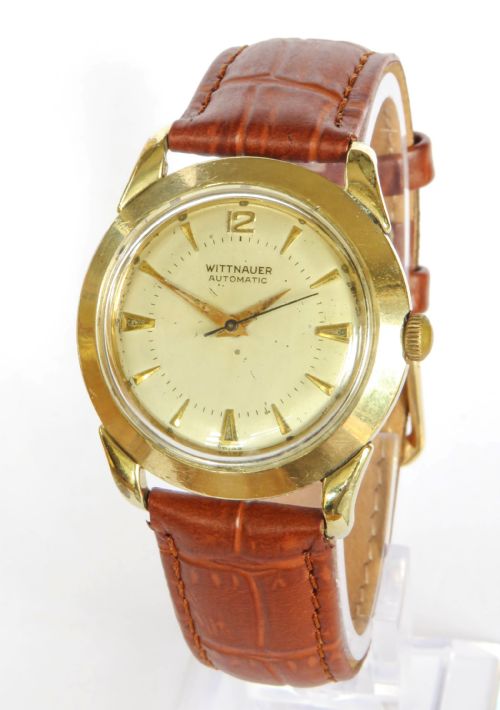
A 1950s gold dress watch is primarily represented on this page by gents and ladies wristwatches spanning the 1940s to 1960 periods. These pieces take forms such as automatic, manual wind, and calendar wristwatches, alongside occasional cocktail watches and pocket watches.
Makers and makers associated with retailers appear frequently, offering designs shaped by Mid-Century Modern and Art Deco styles. The typical piece combines a metal case with leather straps, glass or acrylic crystals, and fabric elements.
The selection ranges from robust daily wearers to specialised cocktail models. Buyers encounter creations from prominent Swiss and British horological houses spanning the decade.
How they were made
Cases utilise varying degrees of gold content, stretching from solid 9ct, 18ct yellow, and white gold to gold plate and gold-filled constructions. Stainless steel and base metals appear in complementary roles, housing mechanical movements beneath glass or acrylic crystals.
Dials are paired with hands and hour markers, frequently enclosed by leather or fabric straps. Internal mechanics rely on jewelled movements, including bumper automatic and manual wind calibres developed during the mid-century period.
1950s Gold Dress Watch Retail Price Guide 2026
Typical asking prices for 1950s gold dress watch among the pieces listed under this phrase on Sellingantiques today, from the lower quarter to the upper quarter. They describe what is for sale here now, not the wider market.
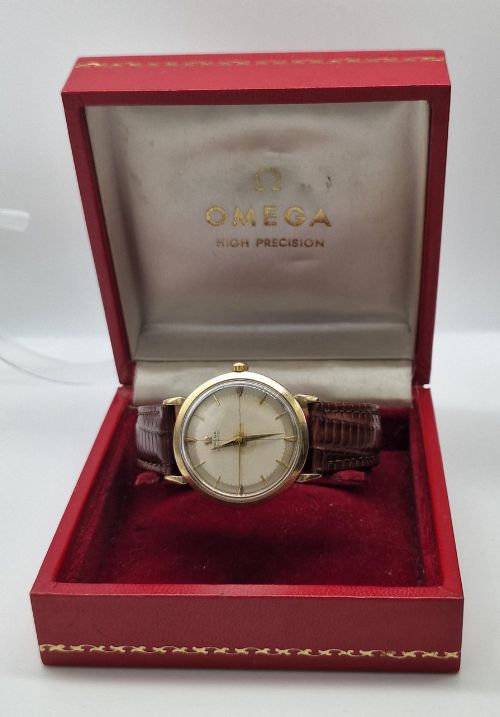
Several vintage models arrive accompanied by their original presentation boxes, preserving the exact packaging first opened over sixty years ago.
What varies in quality
Quality differences emerge through the specification of the case material, moving from gold plate up to solid 18ct gold housings. The sophistication of the internal movement, such as adjusted automatic calibres versus standard manual mechanisms, dictates the standing of the piece.
The presence of original boxes, specific retail signatures on dials, and documentation adds distinct value. Preservation of original dial finishes and case geometry remains central to the standing of any individual watch.
Omega·Smiths·Longines·Jaeger LeCoultre·Girard Perregaux
The 1950s Gold Dress Watch Glossary
- Bumper automatic
- An early self-winding mechanical movement where a weighted rotor swings back and forth against springs rather than rotating fully. This system produces a distinct physical tap on the wrist as the watch winds.
- Calibre
- The specific internal movement design and model created by a watch manufacturer. Collectors reference this number to identify the exact mechanical lineage inside the case.
- Gold-filled
- A material formed by bonding a heavy layer of solid gold to a base metal core using heat and pressure. This layer is substantially thicker than standard gold plating.
- Cocktail watch
- A decorative small timepiece created for evening wear, frequently incorporating precious metals and gemstones. These pieces prioritise ornamental design over stark legibility.
- Manual wind
- A mechanical movement requiring the wearer to turn the crown by hand to tension the mainspring. These watches lack rotors and allow for slimmer case profiles.
1950s Gold Dress Watch: Frequently Asked Questions
How do solid gold cases differ from gold-filled versions?
Solid gold cases consist entirely of precious metal throughout the entire thickness of the component, usually marked as 9ct, 18ct, or other gold standards. Gold-filled cases apply a thick layer of solid gold bonded to an inner base metal core.
Both options provide the visual warmth of gold, but solid metal examples carry intrinsic material value. Gold-filled pieces offer durability while remaining accessible.
Were these watches waterproof?
Most dress watches from this era were designed for social occasions rather than aquatic activities. They relied on simple snap-on or screw-down case backs without modern gasket systems.
Exposure to moisture can damage the internal movement and delicate dial finishes. Owners generally keep these timepieces away from water entirely.
How are different production years identified?
Production years are typically determined by examining serial numbers stamped on the movement or inside the case back. Manufacturers often kept detailed ledgers correlating these numbers to specific years of manufacture.
Dial styles, case references, and movement calibres also provide reliable chronological markers for dating a piece.