

Vintage Mechanical Desk
These items of vintage mechanical desk equipment bring together period timepieces, calendars, and writing accessories from the Victorian era to the Art Deco period.
Vintage Mechanical Desk
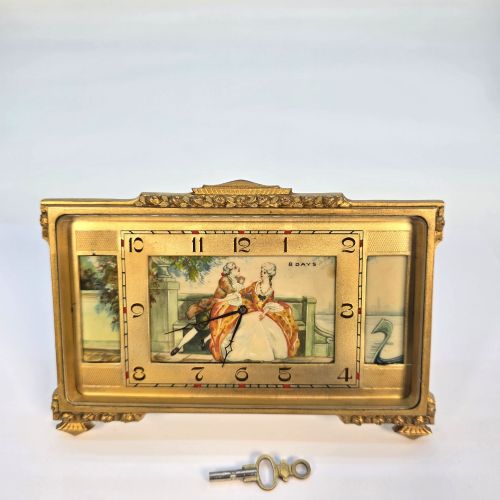
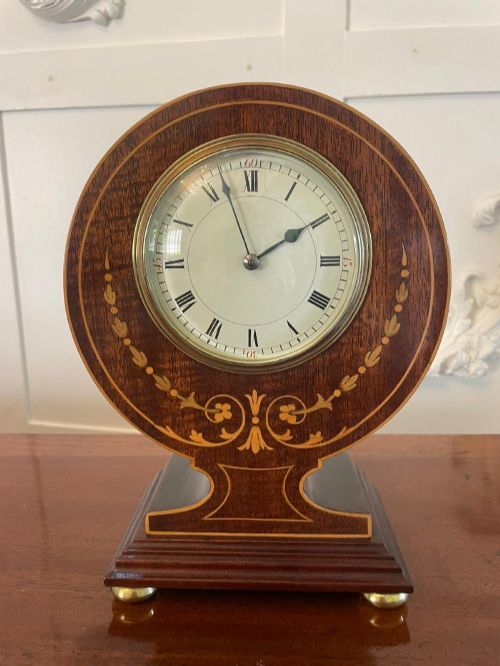
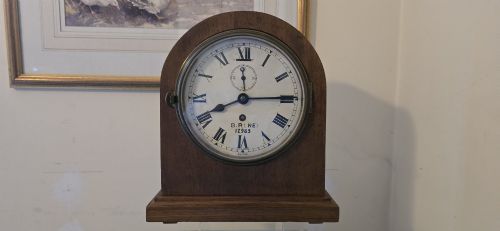
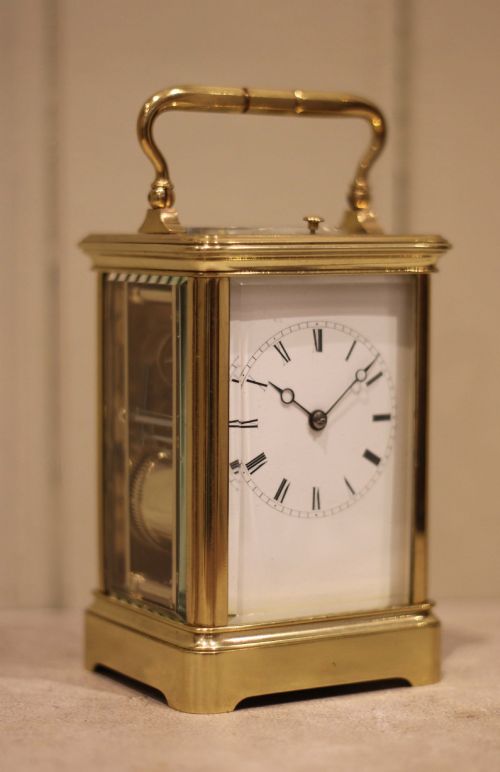
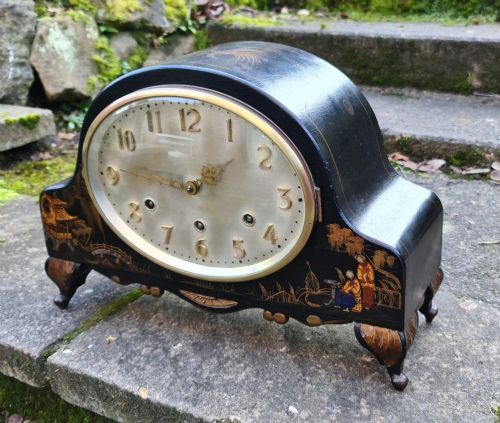
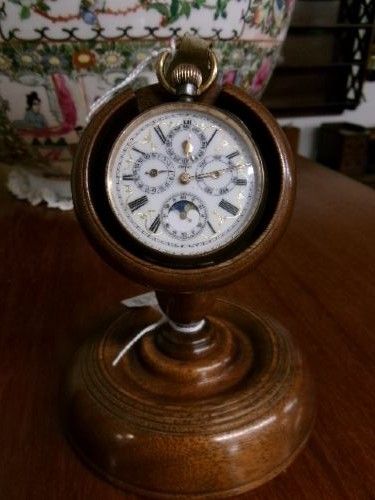
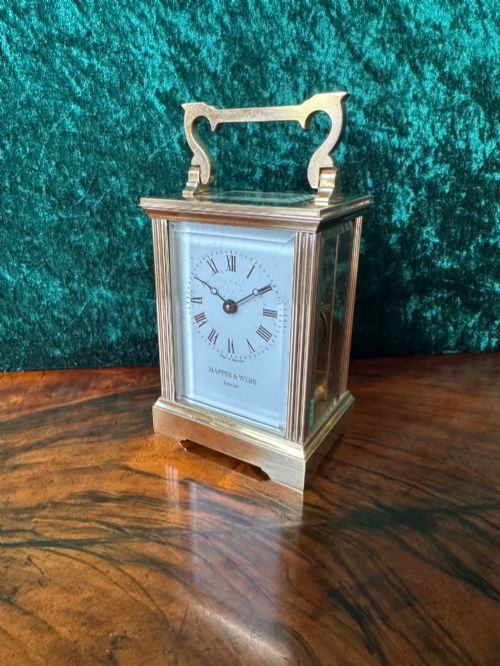
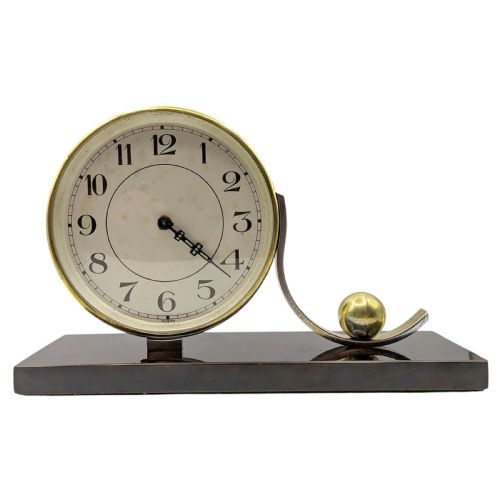
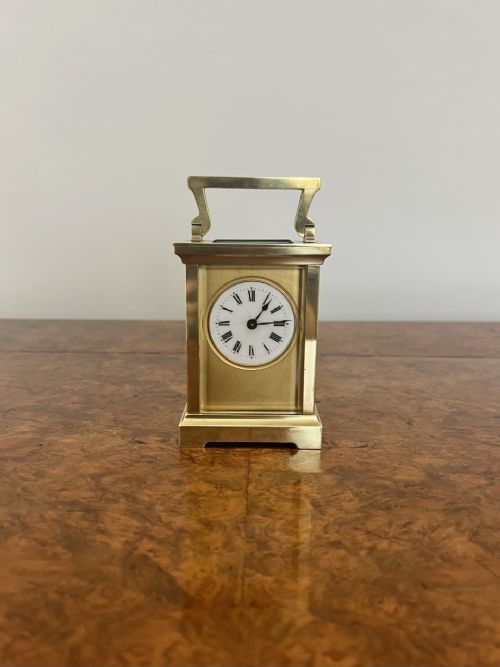
A vintage mechanical desk collection comprises items designed for working surfaces, focusing primarily on carriage clocks, mantel clocks, desk accessories, pocket watches, and writing desks. These pieces span from the mid-nineteenth century through the Edwardian years and into the Art Deco period.
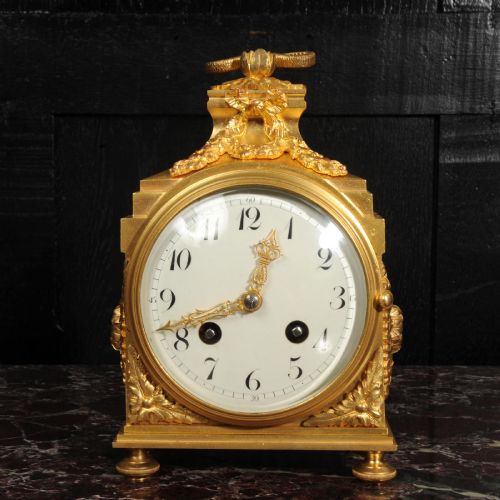
The objects reflect the manufacturing priorities of diverse periods, ranging from ornate Victorian and Gothic Revival brasswork to the streamlined chrome and Bakelite designs of the 1930s. French and English workshops supply a large portion of the carriage clocks and mantel timepieces found in this category.
How they were made
Makers utilised traditional cabinet woods such as mahogany, walnut, and dark oak for desks, calendar frames, and wooden clock cases, often applying inlay or satinwood details. Metalworking formed a cornerstone of the construction, employing brass, gilt bronze or ormolu, gun metal, and later chrome alongside glass panels.
Timepieces and calendars relied upon intricate mechanical movements, frequently powered by wind-up springs offering eight-day or thirty-hour running times, sometimes featuring repeating strikes or Swiss and German mechanisms. Early twentieth-century pieces introduced synthetic materials like Bakelite, combining moulded plastics with metal dials and movements.
What varies in quality
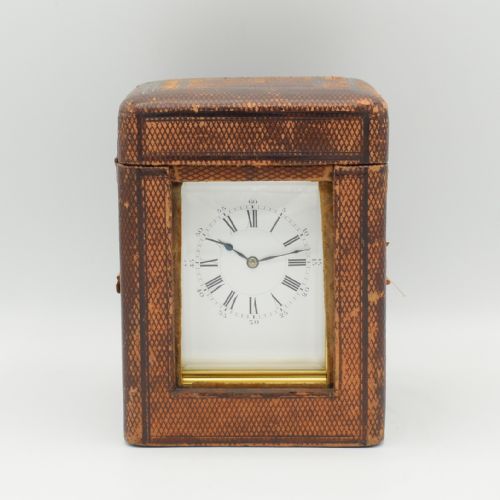
The standard of execution in mechanical desk objects depends on the precision of the metal casting, the crispness of the hand-engraving on gilt brass cases, and the selection of figured veneers on wooden items. Superior examples retain their original glass panels, travel cases, and fully functioning mechanical movements without excessive replacement parts.
Henri Jacot·Mappin and Webb·Smiths Clockmakers·Duverdrey and Bloquel
The Vintage Mechanical Desk Glossary
- Carriage clock
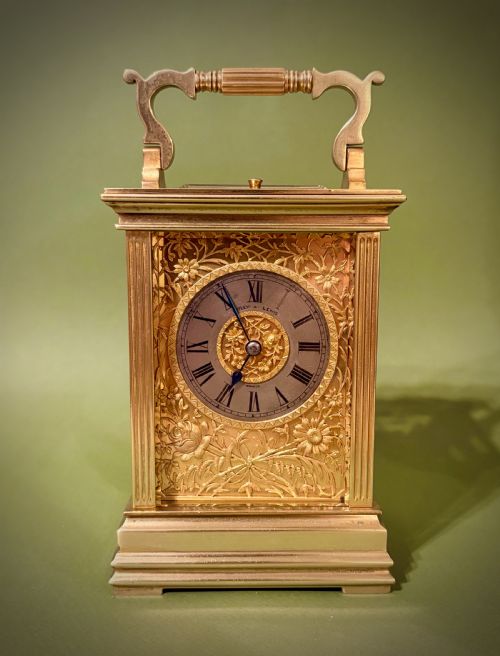
- A portable spring-driven clock designed for travellers, typically housed in a brass case with glass sides. These timepieces often feature swing handles and escapements visible through the upper glass panels.
- Ormolu
- Gilded bronze used extensively for decorative mounts on nineteenth-century clocks and furnishings. The technique involves applying a finely ground high-carat gold-mercury amalgam to a bronze base.
- Bakelite
- An early form of thermosetting plastic developed in the early twentieth century. It appears frequently in Art Deco desk clocks and accessories, valued for its smooth moulded finish and deep colour.
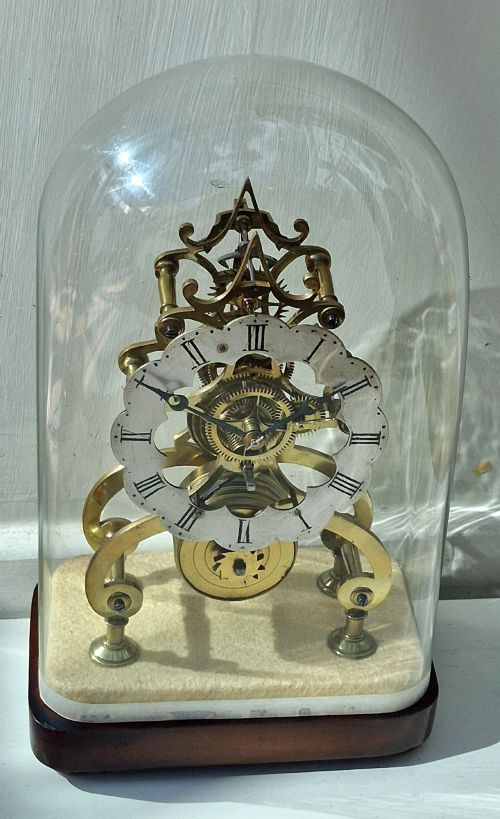
- Skeleton clock
- A timepiece designed to expose the gear train and movement plates through openwork framing. These clocks allow the viewer to observe the mechanical operation directly.
- Perpetual calendar
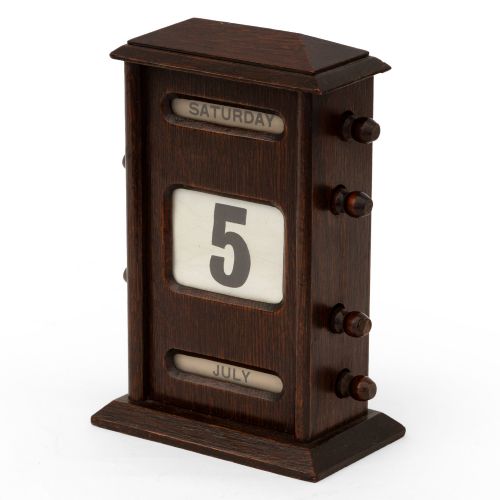
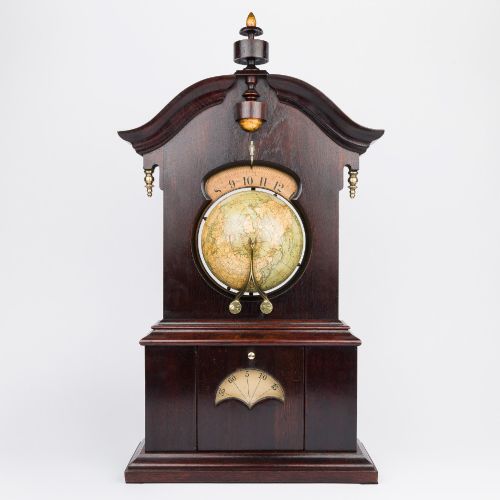
- A mechanical device that tracks the date correctly while accounting for the varying lengths of months and leap years. Desk versions utilise rotating drums or card mechanisms housed in wood or metal.
Vintage Mechanical Desk: Frequently Asked Questions
How do I wind a mechanical desk clock?
Most mechanical desk clocks utilise a key inserted into winding squares on the dial or backplate to tension the mainspring.
Care should be taken not to overwind the mechanism, stopping as soon as resistance is felt.
What is a carriage clock?
A carriage clock is a portable timepiece originally built for travel, featuring a protective metal and glass housing with a folding handle.
These clocks rely on spring-driven movements rather than pendulums, allowing them to keep time while moved.
How do perpetual desk calendars work?
Perpetual calendars use mechanical gears, rotating drums, or sliding indicators to display the correct day, date, and month.
They require manual adjustment only for leap years, depending on the complexity of the internal mechanism.
How should I clean a brass carriage clock case?
Brass cases should be dusted gently with a soft, dry cloth to prevent the accumulation of grime on engraved surfaces.
Harsh chemical polishes must be avoided to protect the original patination and gilt finishes.
Are Art Deco clocks different from Victorian ones?
Art Deco clocks favour geometric forms, streamlined silhouettes, and modern materials like chrome and Bakelite over ornate floral motifs.
Victorian designs lean towards heavy brass castings, dark carved woods, and elaborate Gothic or classical ornamentation.