




Georgian Standing Desk
A georgian standing desk is a practical workspace built for height and steady focus, crafted from rich timbers like mahogany or oak to serve everyday writers.
Georgian Standing Desk
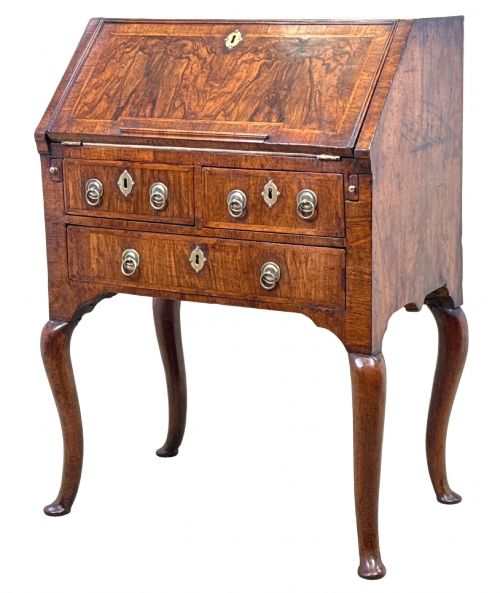
A georgian standing desk brings elevated writing surfaces and storage into focus, encompassing pieces designed for working upright or upon high frames. When searching this phrase, buyers encounter various forms including clerk desks, writing desks, and bureaus on stands originating from the eighteenth and nineteenth centuries.
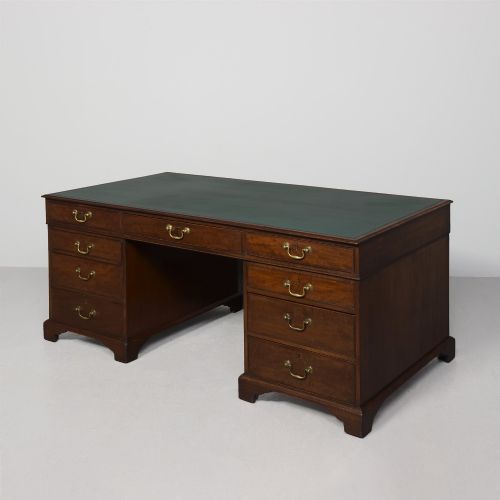
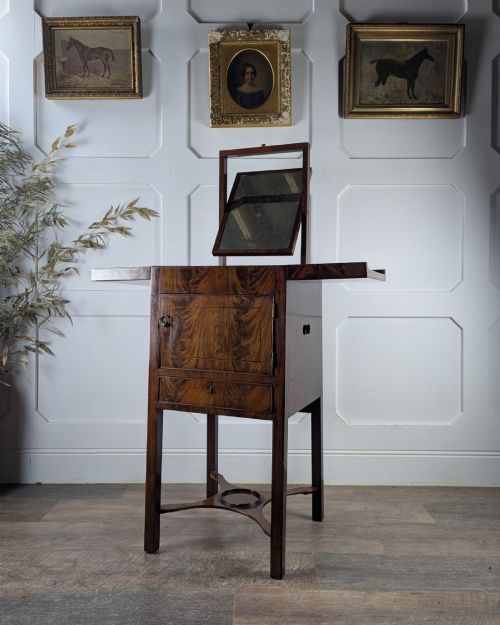
The materials shaping these pieces lean heavily towards durable hardwoods such as mahogany and oak, occasionally featuring burr walnut or rosewood veneers. Many examples incorporate brass fittings, such as paw feet or handles, adding functional detail to the sturdy timber frames.
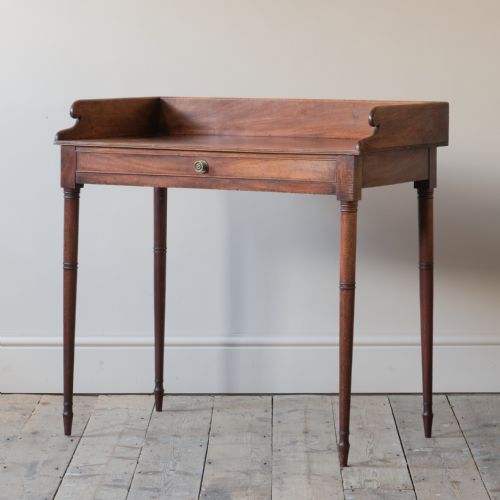
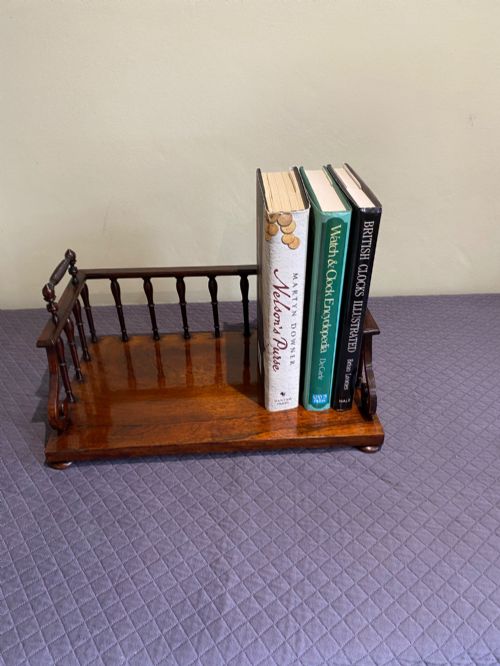
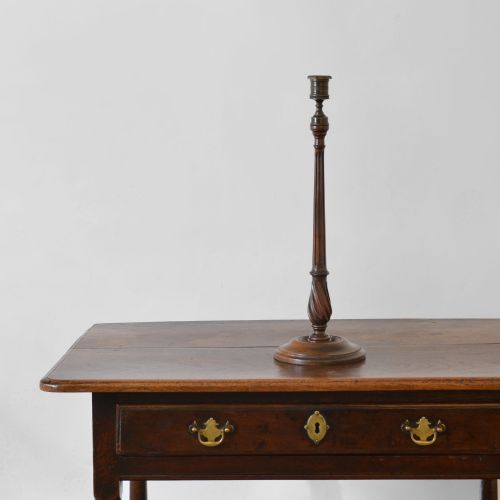
Originating across periods like the Georgian era, Regency, and early nineteenth century, these desks reflect the domestic and professional requirements of past writers and clerks. They appear alongside related items like reading tables, inkstands, and music stands, sharing the same cabinet-making traditions.
Materials and construction methods
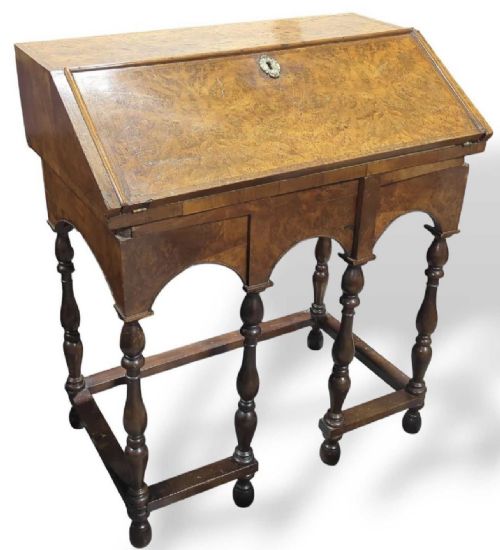
Cabinet makers utilised solid mahogany, oak, and elm for primary carcases, ensuring structural strength for daily writing tasks. Finer pieces employed burr walnut or rosewood veneers over secondary timbers, often highlighted with intricate marquetry or inlay work.
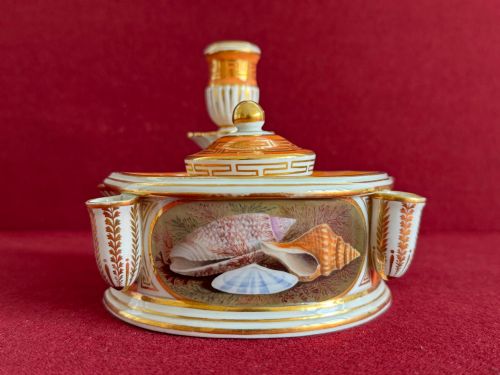
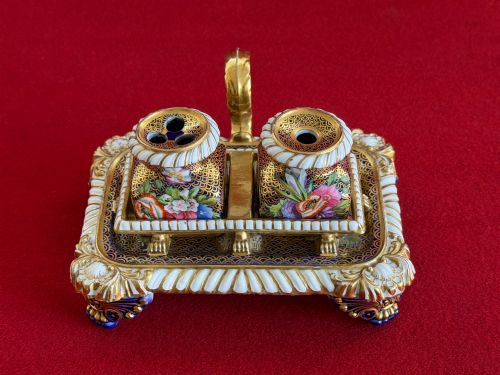
Metal components such as brass paw feet, hinges, and handles provided both structural reinforcement and decorative contrast against the dark timber surfaces. Silver, Sheffield plate, and porcelain were additionally worked into associated desk accessories like inkstands.
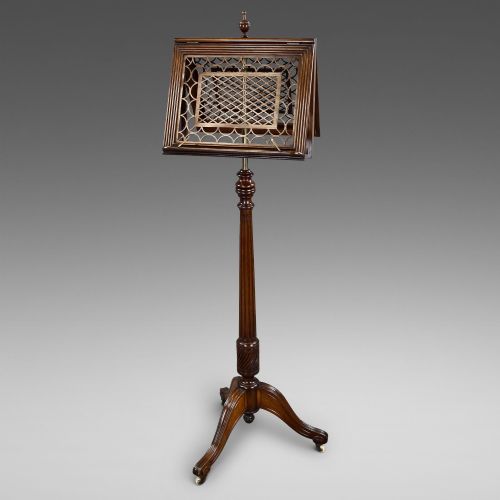
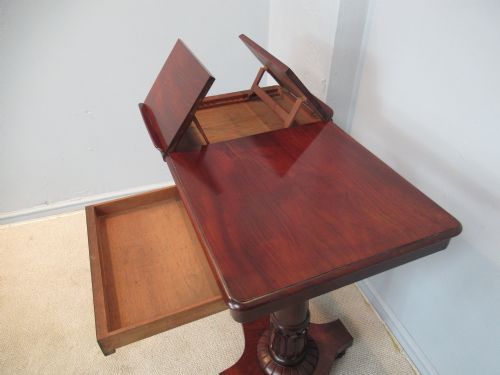
Joinery techniques relied on traditional dovetailed drawers and pegged joints, allowing heavy timber desks to withstand years of upright use. Adjustable mechanisms in reading and writing surfaces incorporated clever wooden or brass ratchets to alter the angle of work.
Some clerks recorded their days standing so diligently they wore the timber footrests smooth.
Distinctions in construction and finish
The selection of timber dictates much of the visual quality, with figured mahogany and finely matched burr walnut standing apart from plain oak or utility pine carcases. The depth of the grain and the crispness of any carved mouldings reveal the skill of the original workshop.
Hardware integrity separates standard items from exceptional ones, particularly where original brass castors, locks, and handles remain intact. The complexity of internal fittings, such as secret compartments within a bureau interior, demonstrates higher standards of craftsmanship.
Surface finish and patination reflect the care a piece has received over centuries, where a soft, hand-waxed lustre differs significantly from later stripped or heavily varnished surfaces.
The Georgian Standing Desk Glossary
- Bureau on stand
- A writing cabinet featuring a sloping fall-front desk placed upon an elevated frame with legs. This form raises the writing surface higher than a standard cabinet.
- Clerk desk
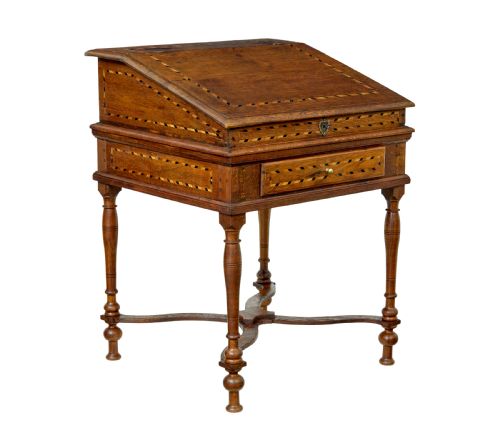
- A utilitarian writing chest built with a steeply sloping top designed for standing or high-stool work. These pieces prioritise robust timber construction over decorative veneer.
- Secretaire
- A cabinet or bookcase containing a fitted pull-out drawer or drop-front panel that conceals a writing surface and pigeonholes. It merges library storage with a compact writing desk.
- Reading table
- An adjustable timber stand engineered with ratchets to hold books or writing materials at various angles. These items often feature dual tiers or swing-out ledges.
- Inkstand
- A portable or stationary tray holding inkwells, sanders, and pen grooves, commonly fashioned from silver, glass, or porcelain. They sit atop desks to provide writing implements.
Georgian Standing Desk: Frequently Asked Questions
What is a georgian standing desk used for?
These pieces served historical writers, merchants, and clerks who preferred working from an upright position rather than sitting. The elevated surface and sloping top provided a comfortable angle for ledger work and correspondence throughout the day.
In modern settings, they function effectively as focal points for standing computer work or traditional letter writing. Their compact footprints allow them to fit into studies or living spaces where standard large desks might overwhelm the room.
How do I identify a genuine period piece?
Authentic pieces exhibit construction traits appropriate to their era, such as hand-cut dovetails, secondary timber choices like oak or pine inside drawers, and aged patination on the wood. Examining the hardware and the wear patterns around handles and feet helps confirm age.
Differences in style markers, such as Chippendale frets or Regency brass inlay, align the piece with specific decades of production. Consulting construction details rather than relying solely on surface appearance ensures accurate dating.
Are these desks suitable for daily use?
The robust construction of mahogany and oak makes these pieces durable enough for contemporary workspaces and daily writing tasks. Their solid timber frames and stable bases handle regular use without losing structural integrity.
Care should be taken to protect antique wood surfaces from moisture, heat, and direct sunlight. Using appropriate wax polishes helps maintain the finish while preserving the historic character of the timber.
How do I clean and care for antique wood?
Regular dusting with a soft, dry cloth prevents the accumulation of grit that can scratch the polished timber surface. Applying a traditional beeswax polish periodically nourishes the wood and enhances its natural lustre without building up heavy residue.
Avoiding placement near heat sources or in direct sunlight prevents the timber from drying out or splitting. Keeping environmental humidity stable protects both the solid woods and any delicate decorative veneers.