

Vintage Mechanical Desk Clock
A vintage mechanical desk clock brings tactile, gear-driven timekeeping and period craftsmanship directly to a workspace or mantel.
Vintage Mechanical Desk Clock
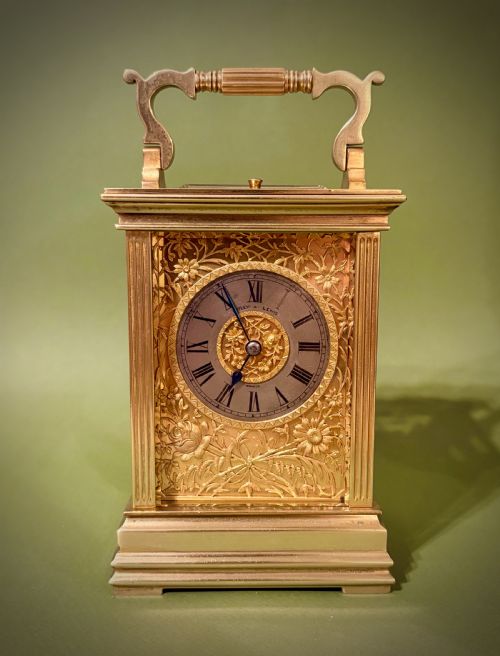
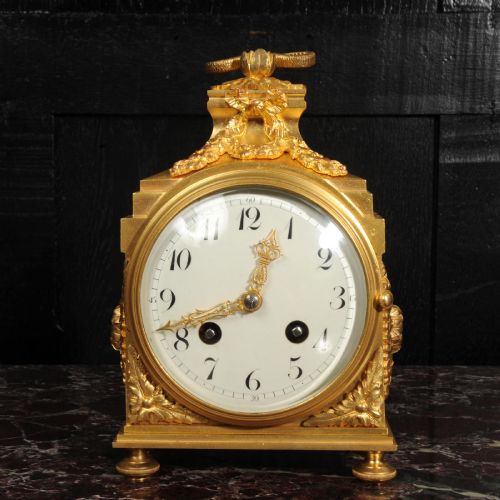
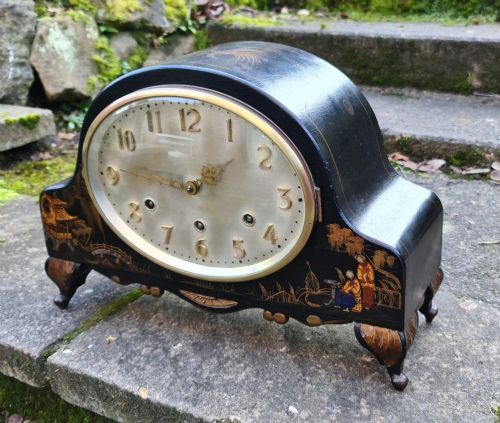
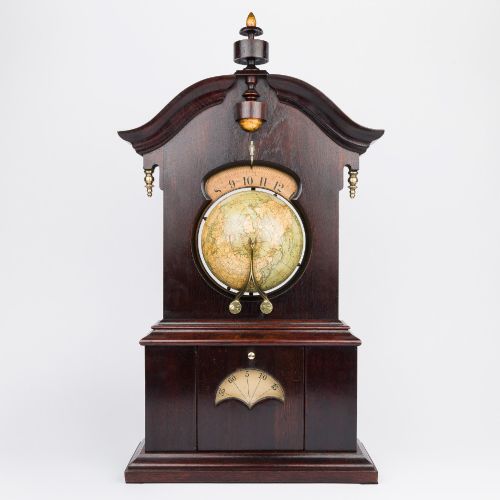
A vintage mechanical desk clock encompasses portable timepieces designed for surfaces, drawing heavily from carriage clock formats and compact mantel clock styles. These objects span periods from the Victorian era and Edwardian years through to Art Deco designs of the nineteen-thirties.
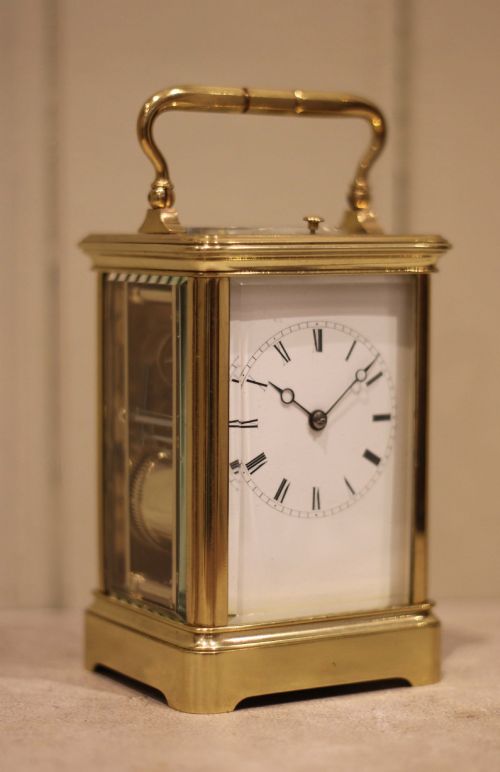
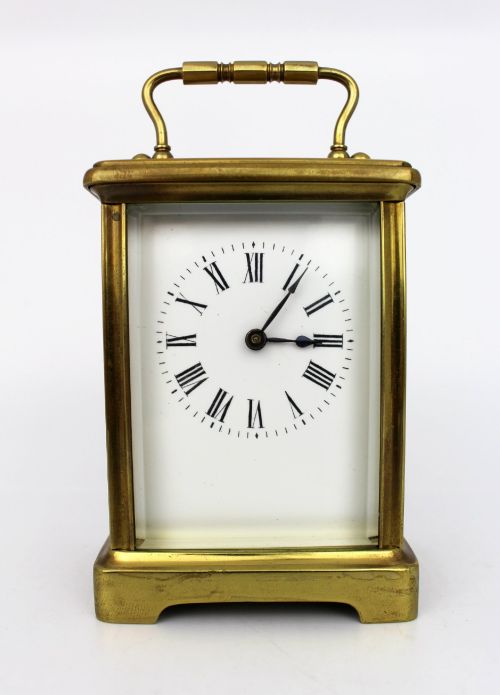
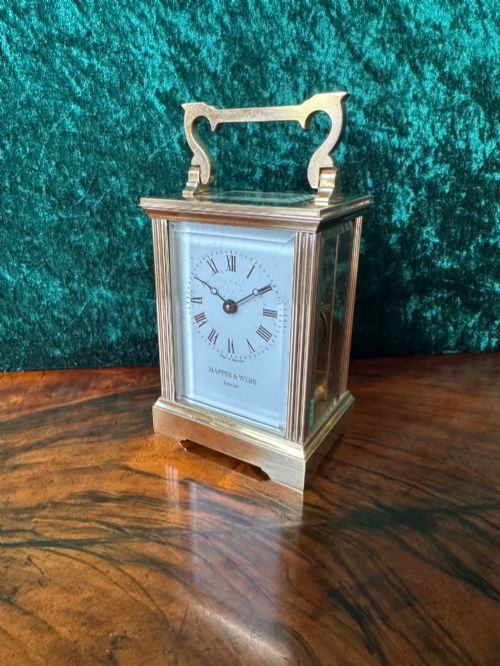
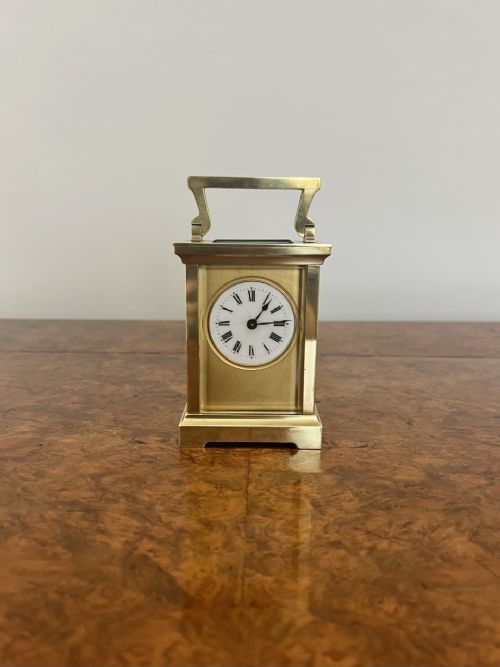
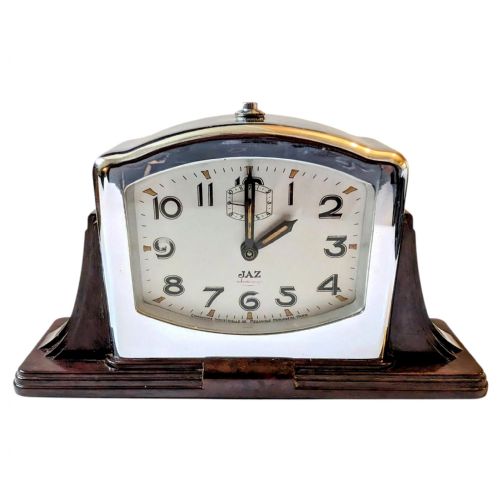
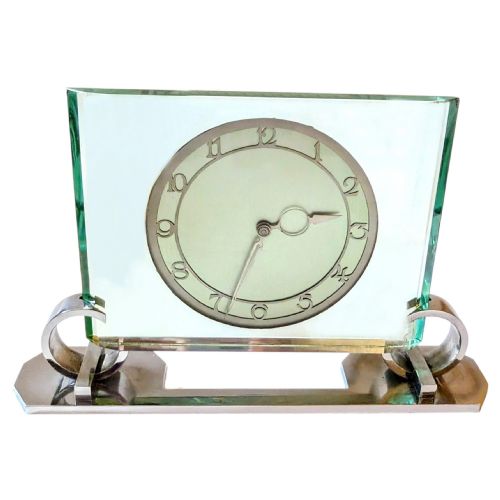
Carriage clocks feature prominently in brass and glass cases, frequently housing repeating movements or travel cases. Alternatively, modernist Art Deco versions pair chrome and bakelite with distinct wind-up mechanisms.
Materials and construction methods
Brass serves as the primary structural metal for heavy carriage clock frames, often paired with bevelled glass panels to reveal the escapement and gear train. Ormolu, gilt engraving, and silvered dials frequently embellish these traditional metal housings.
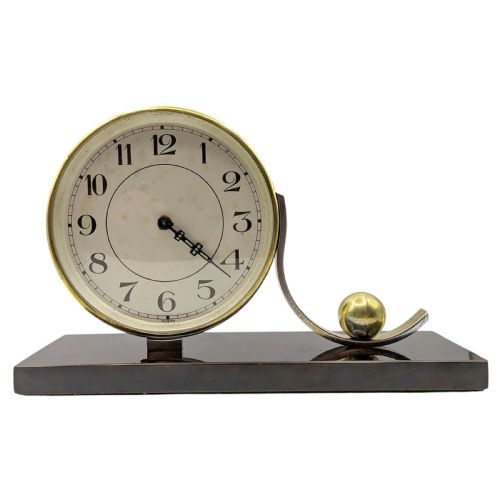
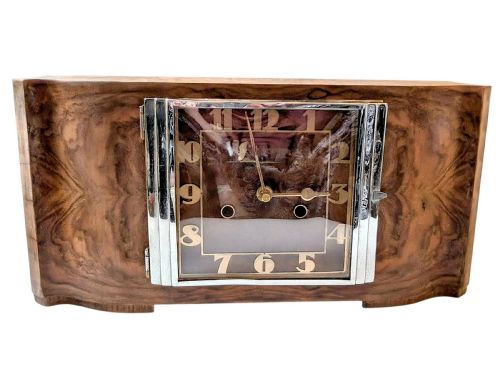
Mid-twentieth-century examples transition toward industrial materials, combining chrome plating with bakelite bases and streamlined walnut or mahogany wooden cabinets. Movements rely on traditional escapements, springs, and hand-wound gear assemblies.
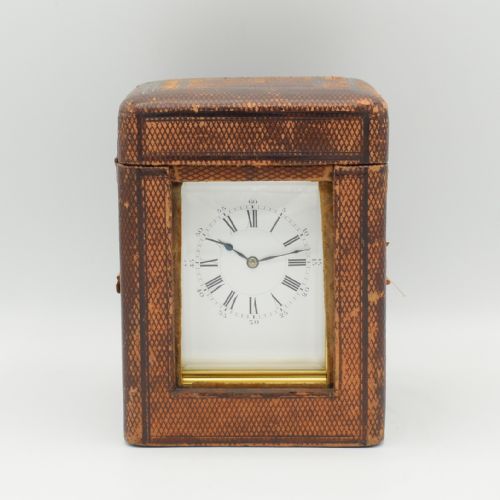
Travel variants integrate protective leather cases alongside brass handles, while specialised pieces incorporate enamel dials and delicate painted numerals.
The documented object types include pocket watches, carriage clocks, skeleton clocks, and mantel timepieces.
Distinctions in craftsmanship and execution
The refinement of the internal escapement and the weight of the brass casting dictate the caliber of a carriage clock or mantel timepiece. Precision in gear cutting and the inclusion of striking or repeating complications separate standard production from master workshops.
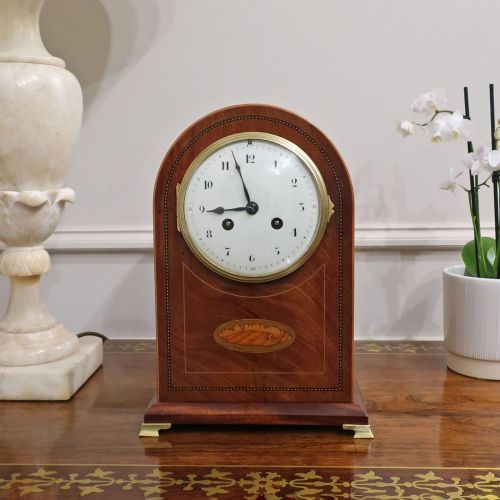
Cabinetry execution marks another divergence, visible in the joinery of walnut and mahogany cases, the depth of gilt engraving, and the preservation of original enamel dials without hairline fractures.
Henri Jacot·Mappin and Web·Jaz·Smiths Clockmakers·Mauthe·Richard Winter·Pickford of London·Duverdrey & Bloquel·Latshea & Sons·L Epee
The Vintage Mechanical Desk Clock Glossary
- Carriage clock
- A portable, spring-driven clock originally designed for travel by carriage during the nineteenth century. These pieces typically feature a brass and glass case with a folding handle on top.
- Skeleton clock
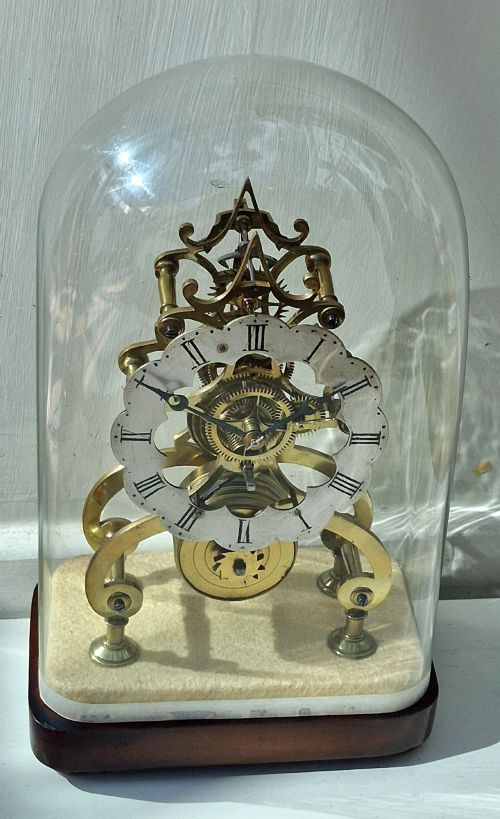
- A timepiece designed with an open framework that exposes the entire gear train and movement. This layout allows the observer to watch the mechanical interaction of wheels and escapement.
- Escapement
- The internal mechanism that controls the release of power from the mainspring to the balance wheel or pendulum. It imparts regular impulses to maintain the motion of the clock.
- Repeating movement
- A striking complication mechanism that sounds the hours and quarters upon pressing a button or lever. This function was originally useful for telling time in total darkness.
- Bakelite
- An early form of synthetic plastic utilised extensively during the Art Deco period. It appears in several twentieth-century desk clock bases and bezels for its durable, smooth finish.
Vintage Mechanical Desk Clock: Frequently Asked Questions
How do I wind a vintage mechanical desk clock?
Winding requires a matching key inserted into the dial or back plate arbor, turning gently until resistance indicates full tension of the mainspring. Care must be taken not to overwind the spring.
Most mechanical movements require this action weekly or at thirty-hour intervals depending on the specific gear train and spring capacity.
What is a carriage clock travel case?
A travel case is a fitted leather container lined with velvet or silk, built specifically to protect a brass and glass carriage clock during transit. These cases feature drop fronts or hinged lids.
They allowed nineteenth-century owners to move delicate timepieces safely between residences without damaging the exterior gilt or glass panels.
How do I identify an Art Deco desk clock?
Art Deco desk clocks display geometric forms, streamlined silhouettes, and materials such as chrome, bakelite, and polished walnut. Numerals often use stylized sans-serif typography.
These pieces typically date from the nineteen-twenties and nineteen-thirties, shifting away from ornate Victorian ornamentation toward industrial modernity.
What does a skeleton clock display?
A skeleton clock displays its entire gear train, escapement, and springs within an open brass framework rather than a closed wooden box. This exposes the mechanics of timekeeping directly to view.
Enthusiasts prize these configurations for the visual complexity of the exposed brass wheels working in unison.