




Brown Bakelite Clock
A brown bakelite clock brings warm Art Deco form and rich tactile appeal to any mantel or desk.
What a brown bakelite clock is
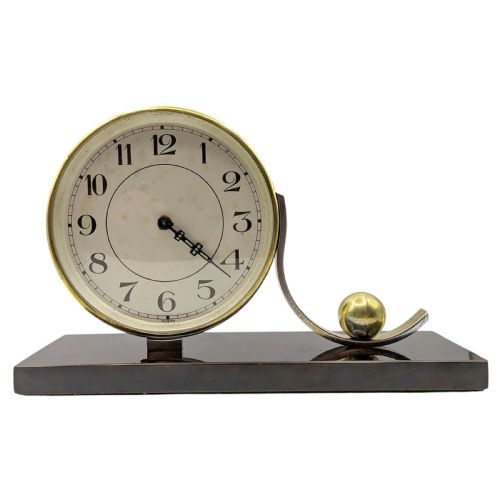
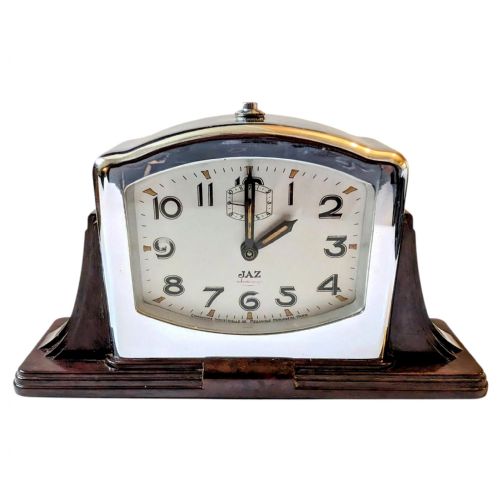
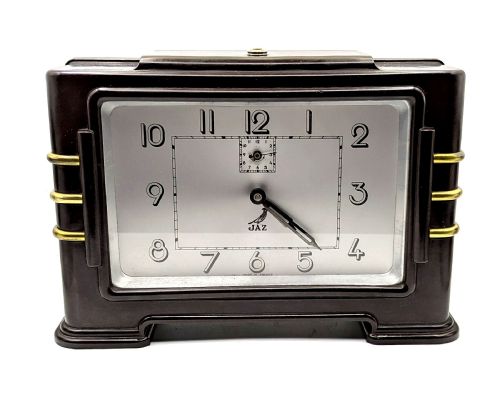
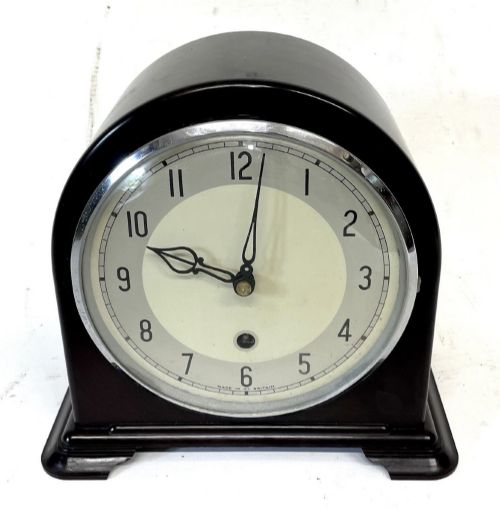
When you search for a brown bakelite clock, you encounter timepieces shaped during the Art Deco era of the 1930s. These items range from desk clocks on sturdy bases to mantel clocks with streamlined profiles.
The objects listed on this page originate from French workshops and include specific makers from the period. Most examples combine the rich brown synthetic resin with contrasting elements like glass, brass, and chrome.
Mantel clocks and desk clocks from this era display the characteristic architectural geometry of the period. A brown bakelite clock typically operates on a thirty-hour movement housed within the moulded case.
How they were made
The primary material of a brown bakelite clock is early synthetic resin, which manufacturers shaped using high-pressure steel moulds. This process allowed makers to achieve smooth curves, stepped tiers, and streamlined contours.
Makers combined the moulded cases with metal components, incorporating brass and chrome details around the bezel and dial. Glass protects the clock face, held securely within the robust phenolic housing.
Retail Price Guide 2026
Typical UK retail prices for brown bakelite clock, calculated from the Sellingantiques database of over a million retail prices indexed since 2003. This retail price guide relies exclusively on Sellingantiques data; no external sources or auction records are used, so the figures do not describe the wider market.
Materials paired with the brown bakelite housing include glass, brass, chrome, and standard metal.
What varies in quality
Quality in a brown bakelite clock rests in the crispness of the moulding and the retention of deep, lustrous colour across the synthetic resin. Superior examples maintain sharp geometric lines without distortion or dull patches from exposure.
The integration of secondary materials like chrome, brass, and glass dictates the refinement of the piece. Well-executed designs feature balanced proportions between the brown bakelite housing and the metal or glass details.
Jaz France·Blangy
The Brown Bakelite Clock Glossary
- Bakelite
- An early thermosetting phenol formaldehyde resin valued for its durability and rich dark tones. This synthetic material defined the manufacture of domestic objects during the 1930s.
- Art Deco
- A design style spanning the 1920s and 1930s characterised by streamlined shapes, geometric symmetry, and modern industrial materials. It strongly influenced the architecture of clocks from this era.
- Bezel
- The metal ring that holds the glass protecting the clock face in place. On these pieces, bezels typically utilise polished brass or chrome.
- Streamline
- A design approach emphasising aerodynamic curves, horizontal lines, and smooth surfaces. This aesthetic appears frequently in French mantel clocks from the period.
Frequently Asked Questions
What is a brown bakelite clock?
A brown bakelite clock is a timepiece housed in an early synthetic resin case, produced during the 1930s. These pieces reflect the prominent Art Deco design sensibilities of the period.
They appear primarily as desk and mantel clocks, often incorporating metal and glass accents. The moulded material gives each clock a distinct tactile and visual warmth.
How do I date a brown bakelite clock?
Dating these clocks relies on identifying the stylistic markers of the Art Deco period from the 1930s. Streamlined silhouettes and specific maker signatures help establish the production era.
Construction methods involving early moulded resins also point directly to this decade of manufacturing. Examining the materials used for the case and dial provides further chronological context.
Where were these clocks made?
The pieces available on this page originate from European workshops, with specific examples coming from France. Makers such as Jaz and Blangy produced these distinct designs.
Regional variations in styling are visible in the contrast between geometric desk bases and flowing streamline mantel models. French production particularly embraced dynamic curves during the 1930s.
How do I care for bakelite?
Bakelite requires gentle cleaning with a soft, dry cloth to maintain the glossy finish of the brown resin. Avoid harsh chemical cleaners or prolonged exposure to direct sunlight.
Handling the clock with care preserves both the synthetic case and the delicate metal or glass components. Regular servicing of the internal movement ensures the timepiece remains functional.