

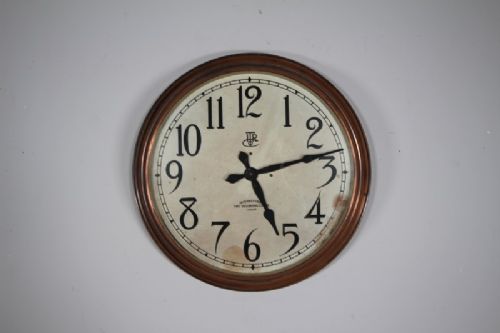
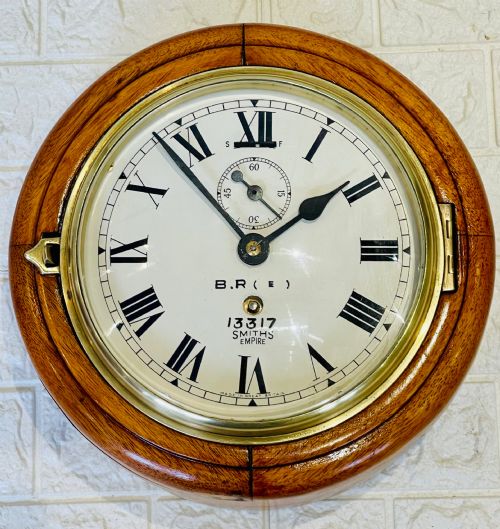
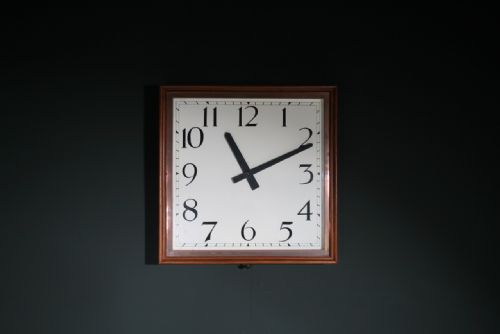


Vintage Industrial Clock
A vintage industrial clock brings functional utility and robust presence to a room, ranging from station dials to factory timepieces.
Vintage Industrial Clock
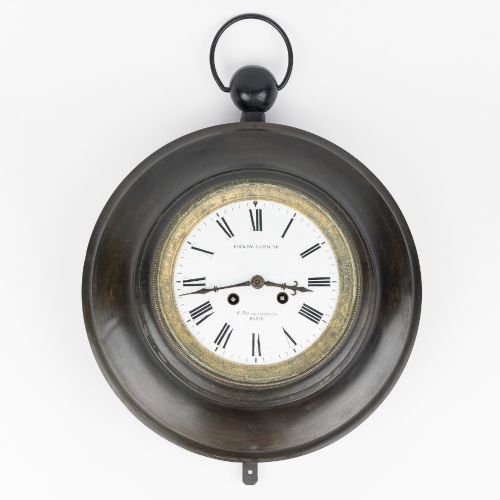
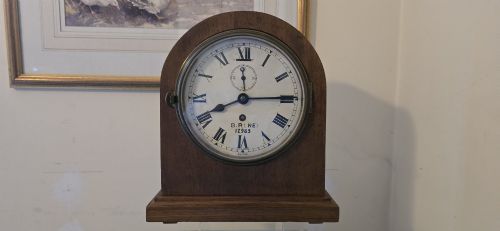
When searching for a vintage industrial clock, collectors encounter wall clocks, station clocks, turret clock faces, and railway timepieces spanning the nineteenth century through the mid-twentieth century. These pieces originate from British and French makers, incorporating railway networks, postal services, and factories.
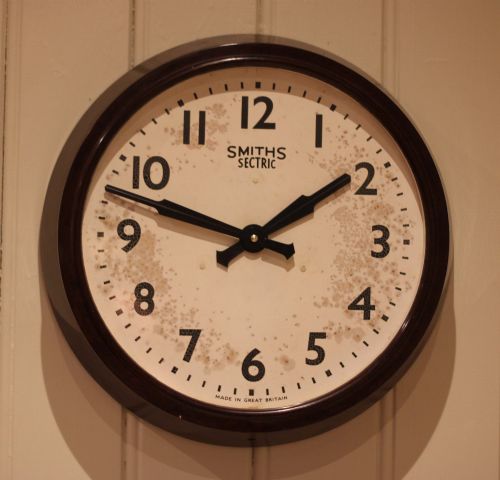
The selections on this page concentrate heavily on wall-mounted variants, alongside architectural salvage dials, desk clocks, and trade signs. Examples include items by Smiths, Gents of Leicester, and Joyce Whitchurch, crossing styles from Edwardian and Art Deco to Victorian industrial.
How they were made
Makers utilised durable metals such as iron, steel, brass, and copper alongside oak, walnut, and bakelite to house robust movements. Glass protects dials on wall and station clocks, while enamel provides enduring legibility on outdoor and turret faces.
Movements span mechanical fusee designs and early electric systems, housed within heavy metal bezels and timber cases. Construction prioritises legibility and longevity for transport hubs, factories, and municipal buildings.
Vintage Industrial Clock Retail Price Guide 2026
Typical asking prices for vintage industrial clock among the pieces listed under this phrase on Sellingantiques today, from the lower quarter to the upper quarter. They describe what is for sale here now, not the wider market.
Some timepieces recorded factory shifts via mechanical clocking-in systems, keeping workers honest long before digital punch cards.
What varies in quality
The standard of a piece rests in the authenticity of its dial, the robustness of the original housing, and the integrity of the movement. Surviving factory marks and railway company stampings elevate the historical interest of an individual clock.
Proportion and scale dictate visual impact, with oversized station dials and double-sided factory pieces commanding attention. Unaltered enamel surfaces and original hands distinguish superior examples from heavily restored counterparts.
Charvet·Joyce Whitchurch·Smiths·Gledhill Brook·Gents of Leicester·Armstrong of Manchester
The Vintage Industrial Clock Glossary
- Fusee dial
- A clock movement utilising a fusee cone to maintain even tension on the gear train as the mainspring unwinds. This mechanism is frequently found on railway and post office wall clocks.
- Turret clock
- A large clock designed to be mounted on a tower or exterior wall of a building, often featuring a prominent iron or enamel dial face.
- Bulkhead clock
- A rugged timepiece originally designed for marine environments or transport applications, enclosed within a heavy metal case secured by fixings.
- Master clock
- An electrical clock that controls secondary slave clocks across a large factory or office building to ensure synchronised timekeeping.
- Dial face
- The visible front surface of a clock where hours and minutes are marked, often constructed from painted metal, glass, or vitreous enamel.
Vintage Industrial Clock: Frequently Asked Questions
How do I hang a heavy factory clock?
Secure heavy metal and timber wall clocks directly into structural brickwork or wall studs using heavy-duty fixings rated for the weight.
Ensure the mounting bracket matches the hanging lug or strap on the specific clock housing for safe suspension.
Are railway clocks electric or mechanical?
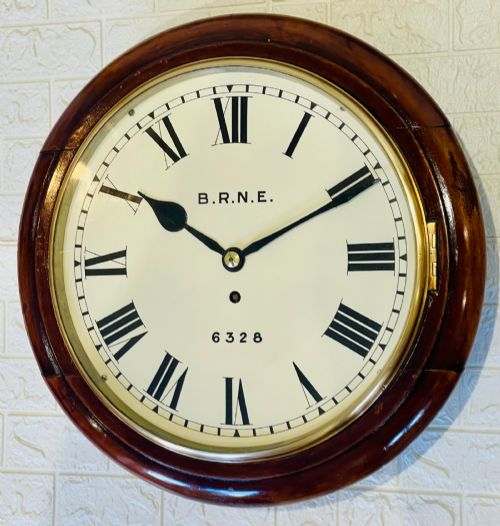
Railway and station clocks from the nineteenth and early twentieth centuries predominantly utilise mechanical fusee or eight-day movements.
Later mid-century examples incorporate electric movements, such as those issued by British Railways and Smiths.
How do I date an industrial clock?
Examine the materials, company stampings, and style markers, such as Edwardian woodwork or Art Deco dial typography.
Makers' names and railway regional lettering often provide a specific decade or operational period for the piece.