





Retro Electric Clock
A retro electric clock brings the hum of early twentieth-century engineering into a room, offering both reliable timekeeping and bold period design.
Retro Electric Clock
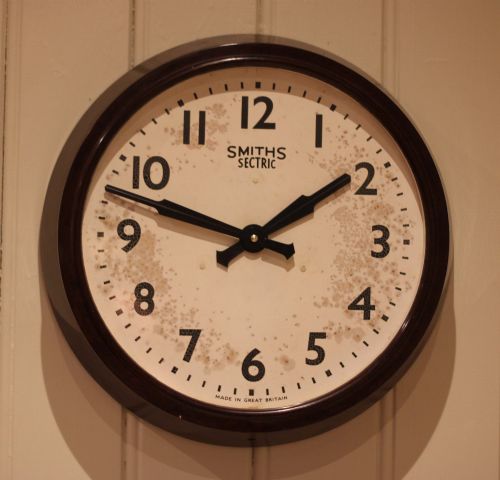
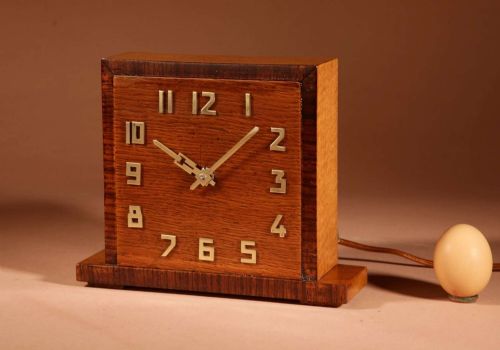
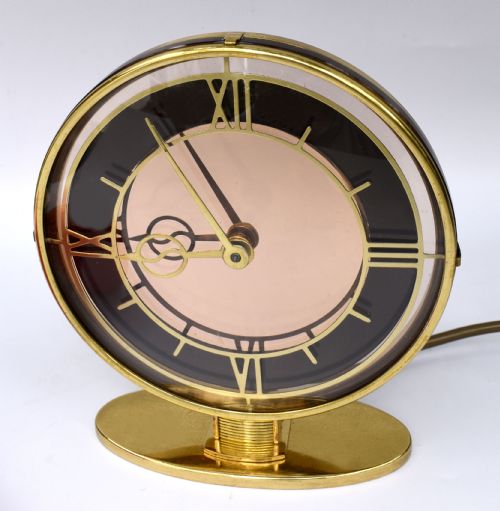
A retro electric clock represents the intersection of early electrical movement and domestic or industrial design from the 1920s through the 1950s. These pieces include large wall clocks, mantel clocks, and specialised items like station or factory clocks.
Buyers browsing this selection will most frequently encounter English and continental examples spanning the 1920s and 1930s, heavily influenced by Art Deco and industrial styles. Forms range from octagonal wall mounts to walnut, oak, and rosewood mantel designs.
Originating from periods of significant industrial and technological shift, these clocks transition from early electrical experiments to refined mid-century machinery. They serve as functional timepieces while anchoring a room with distinct period character.
How they were made
Makers constructed these clocks using a robust mix of traditional cabinet timbers and modern industrial materials, pairing oak, walnut, and rosewood with chrome, brass, steel, and glass. Bakelite also appears as an innovative moulded material for bodies and surrounds.
Mechanisms relied on early electrical innovations, housing wired movements inside heavy wooden, metal, or mirrored enclosures. Dials often featured clear glass fronts protected by metal bezels, designed for high legibility in homes, factories, and railway stations.
Retro Electric Clock Retail Price Guide 2026
Typical asking prices for retro electric clock among the pieces listed under this phrase on Sellingantiques today, from the lower quarter to the upper quarter. They describe what is for sale here now, not the wider market.
The documented periods on this page stretch from the 1920s through the 1950s, capturing the rise of electric domestic timekeeping.
What varies in quality
Distinctions in quality often rest on the sophistication of the housing and the prominence of the manufacturer, moving from standard utilitarian factory models to refined domestic Art Deco cabinetwork. The integrity of materials like polished wood veneers, mirrored glass, and cast metal bezels dictates the visual standard.
The complexity of the mechanism also sets examples apart, ranging from standard wall timepieces to specialised automaton movements featuring moving parts or double-sided faces. Superior execution shows in the crispness of the dial markings and the careful integration of electrical components into traditional furniture forms.
Smiths Sectric·Smiths Clocks·Gents of Leicester·Jaeger-LeCoultre·Vitascope Isle Of Man
The Retro Electric Clock Glossary
- Art Deco
- A design style characterised by sleek geometric shapes, streamlined forms, and modern industrial materials popular during the 1920s and 1930s.
- Bakelite
- An early form of synthetic plastic used for its durability and smooth moulded finishes in electrical items.
- Automaton
- A mechanical or electrical device designed to imitate human or animal actions, such as a moving ship on a dial.
- Bezel
- The metal ring that holds the glass cover in place over the clock face.
Retro Electric Clock: Frequently Asked Questions
How do retro electric clocks work?
These pieces operate on early electrical movements designed to run on mains electricity rather than traditional mainsprings or weights. They harness the technological developments of the early twentieth century to maintain continuous motion.
Wiring and internal electrical components vary by era, reflecting the transition from early experimental setups to standardised domestic and industrial systems.
Where were station clocks used?
Station clocks were built for high-visibility public spaces like railway platforms, factories, and hospitals where accurate timekeeping was essential for large groups. Their robust construction ensured durability in busy environments.
Double-sided variants allowed passengers or workers to read the time clearly from multiple directions down a corridor or platform.
How do I style a mantel clock?
Mantel clocks suit flat surfaces like mantelpieces, sideboards, or bookshelves where their wooden or mirrored cases can be appreciated up close. Their compact yet solid presence grounds other decorative objects.
Pairing a walnut or Art Deco clock with complementary period furnishings highlights the craftsmanship of the cabinetwork and the metal bezels.
How do I date a retro electric clock?
Dating relies on observing stylistic markers such as Art Deco geometry, Amsterdam School woodwork, or mid-century minimalism. Materials like Bakelite, rosewood, and chrome also point to specific decades between the 1920s and 1950s.
Maker names and specific regional designs recorded on the dial provide further clues to the exact period of manufacture.