



Vintage Maritime Painting
When you search for a vintage maritime painting, you find works capturing harbours, coastal waters and vessels across the nineteenth and twentieth centuries.
Vintage Maritime Painting
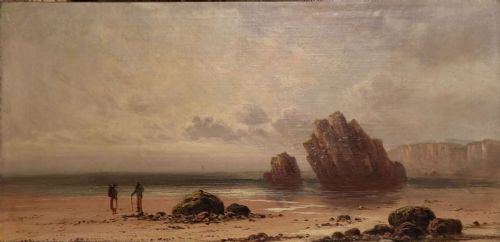
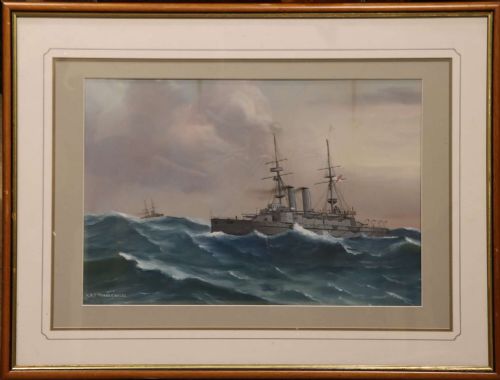
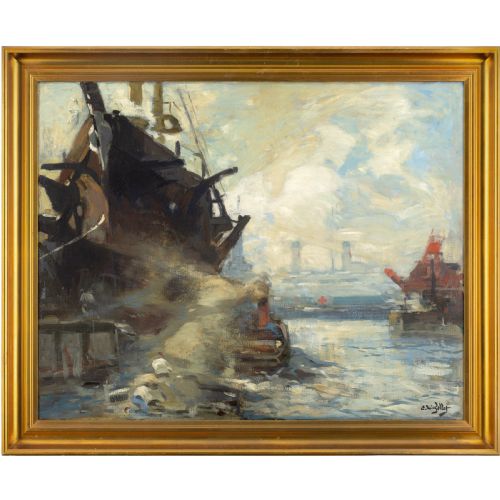
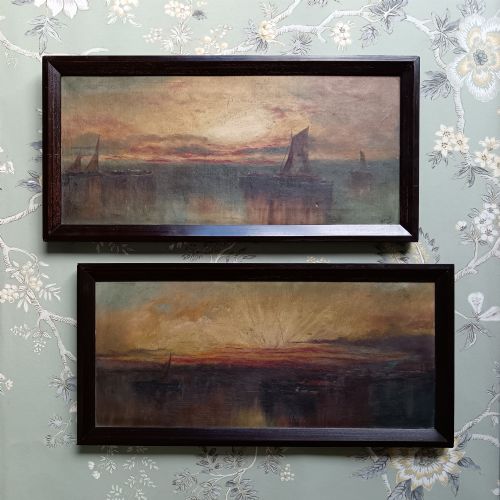
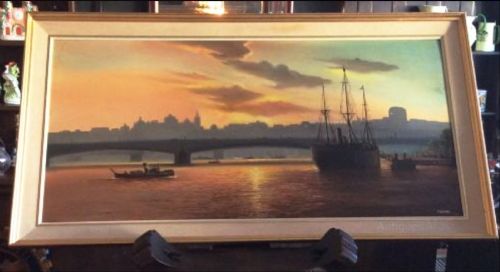
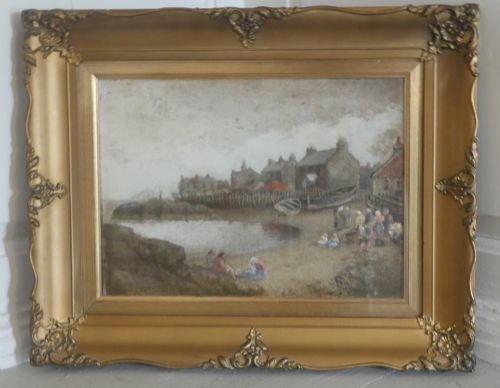
A vintage maritime painting centres upon nautical subjects, ranging from industrial steamships and wartime hospital vessels to quiet estuary watercolours and moonlit coastal landscapes. These works emerge predominantly from the nineteenth century through the mid-twentieth century, encompassing Edwardian scenes and post-war British interpretations.
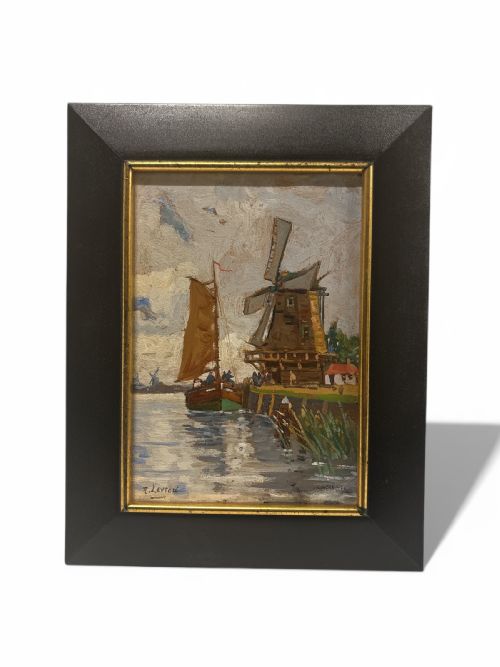
The format varies from intimate watercolours on paper to substantial oil paintings on canvas and board, frequently framed in wood or gilt wood. Buyers encounter both signed topographical harbour views and expressive seascapes executed by named maritime artists.
Materials and technique
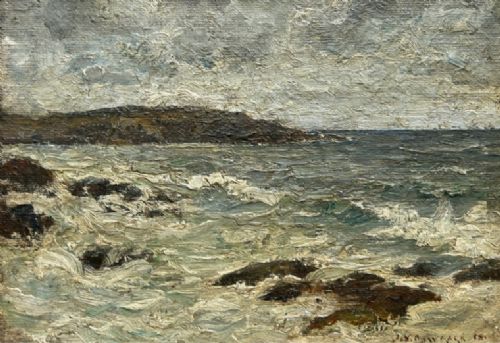
Artists deployed oil paint and watercolour as primary mediums, applying pigment to canvas, wood panels, paper and board. Impasto technique appears in select works to build tangible texture on rocky coastal views and stormy seas.
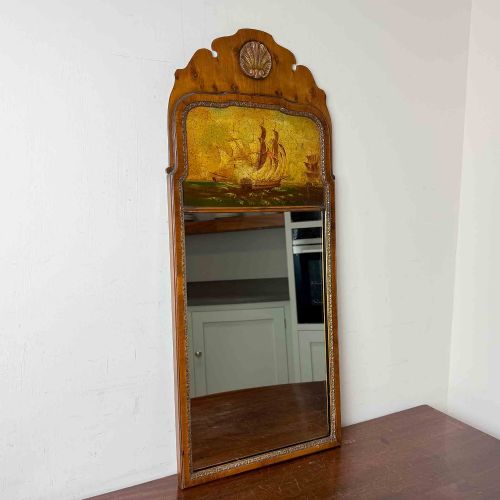
Framing materials rely heavily on traditional wood and gilt wood surrounds, whilst supports range from stretched canvas to solid boards and delicate paper sheets.
Vintage Maritime Painting Retail Price Guide 2026
Typical asking prices for vintage maritime painting among the pieces listed under this phrase on Sellingantiques today, from the lower quarter to the upper quarter. They describe what is for sale here now, not the wider market.
Among the coastal scenes sits a folk art ship in a bottle diorama dated 1922.
Assessing quality
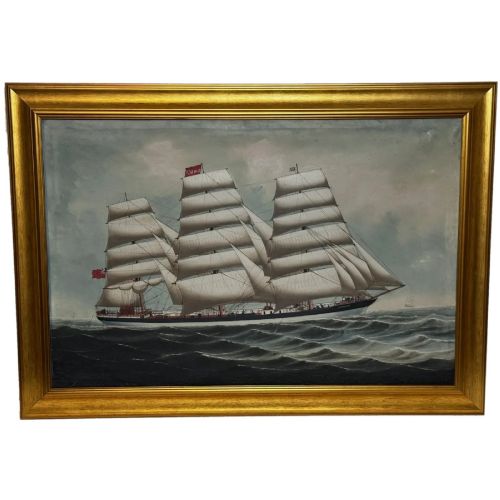
Quality rests upon the artist's command of light, atmosphere and maritime architecture, distinguishing casual topographical records from accomplished artistic interpretations. Works demonstrating precise handling of turbulent water, rigging detail and changing atmospheric conditions occupy the upper tier.
Condition of the underlying paper or canvas, stability of the paint layers and the integrity of the original frame influence the standing of an individual piece.
Eugène-Louis Gillot·William McAlpine·Reginald Arthur Borstel·James E. Aitken·Charles Edward Dixon·Frank Watson Wood·Willem Bos
The Vintage Maritime Painting Glossary
- Impasto
- Paint applied thickly to a canvas or board so that it stands proud of the surface. This technique creates a physical texture that catches light and gives weight to elements like crashing waves.
- Watercolour
- A paint consisting of pigment suspended in a water-based solution, typically applied to paper. It allows for translucent washes that suit atmospheric depictions of mist and open water.
- Gilt wood
- Wood that has been treated with a thin layer of gold leaf or metallic gilding. It provides traditional framing for nineteenth and twentieth-century paintings.
- Seascape
- A work of art depicting the sea, coastal views, ships or maritime activity. These compositions focus primarily on marine environments rather than land.
Vintage Maritime Painting: Frequently Asked Questions
What periods do these paintings cover?
The works span from the nineteenth century through the Edwardian era into the mid-twentieth century, including post-war examples.
Dates across the selection typically cluster around the early nineteen-hundreds and the decades following the First and Second World Wars.
Are these paintings usually signed?
Many examples bear signatures or attribution to known marine artists, whilst others remain unsigned works by anonymous hands.
Signatures often appear alongside dates or location inscriptions noting specific harbours and coastal towns.
What subjects feature in these works?
Subjects include steamships, naval vessels, harbour scenes, barges on rivers and stormy coastal waters.
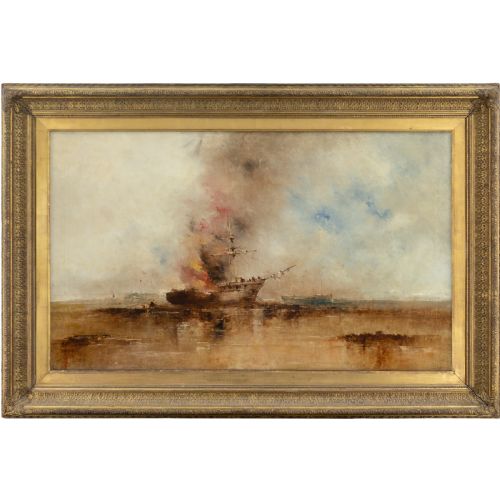
Artists also recorded specific historical events, wartime hospital ships and tranquil sunrise or sunset views.
How should I frame and hang them?
Most pieces arrive in period wood or gilt frames suited to their respective nineteenth or twentieth-century origins.
Display them away from direct sunlight and fluctuating humidity to protect the paper, canvas and painted surfaces over time.