
Vintage Log Holder
A vintage log holder keeps wood beside the hearth in brass, copper or oak, bringing utility and texture to a fireside.
Vintage Log Holder
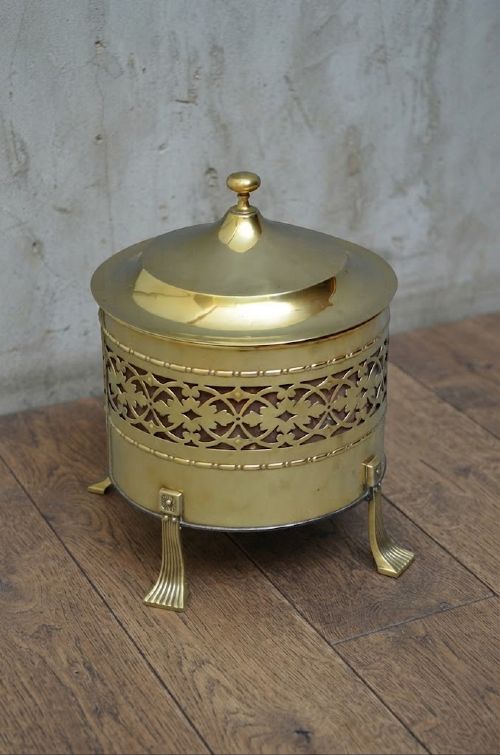
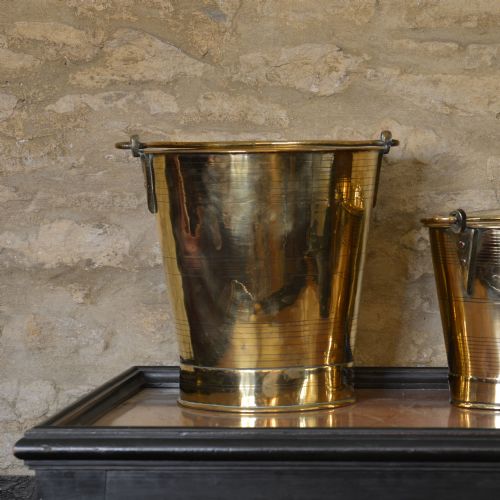
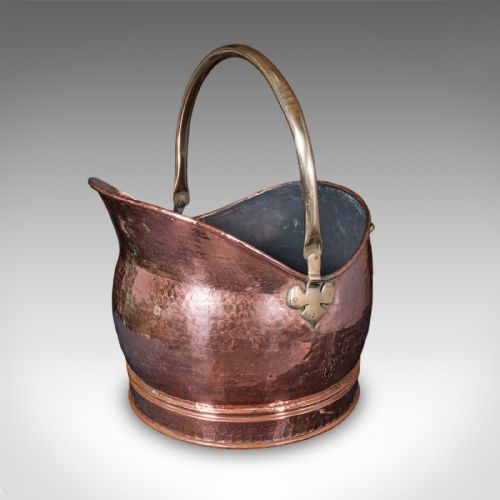
When you search for a vintage log holder, you meet utilitarian vessels originally made for coal, peat, or water that now serve beside the fireplace. The selection draws heavily from the nineteenth century and the Edwardian era, spanning robust metal and timber forms.
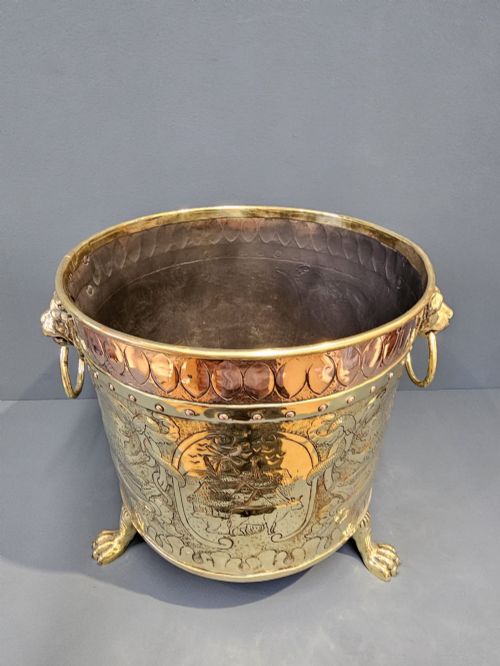
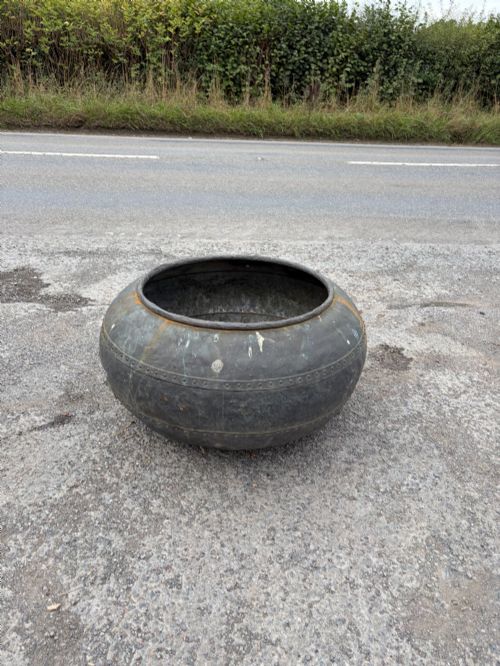
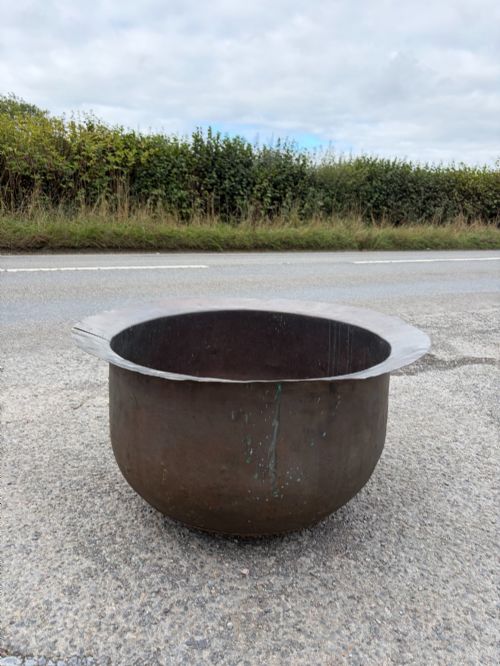
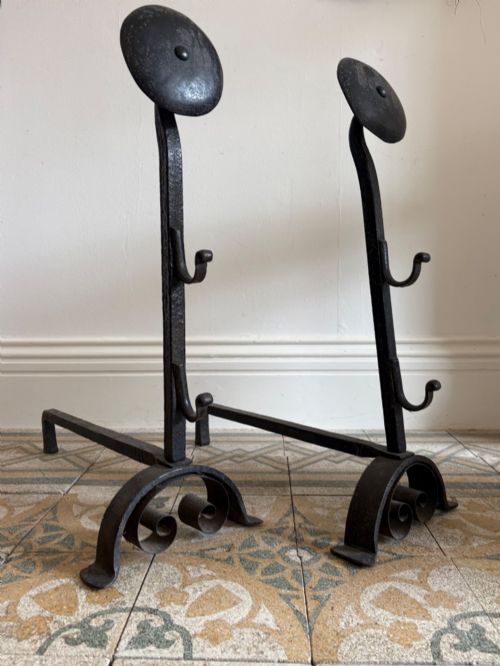
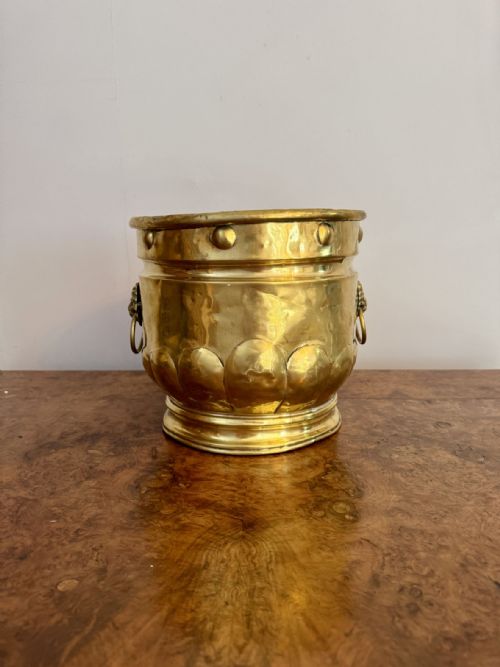
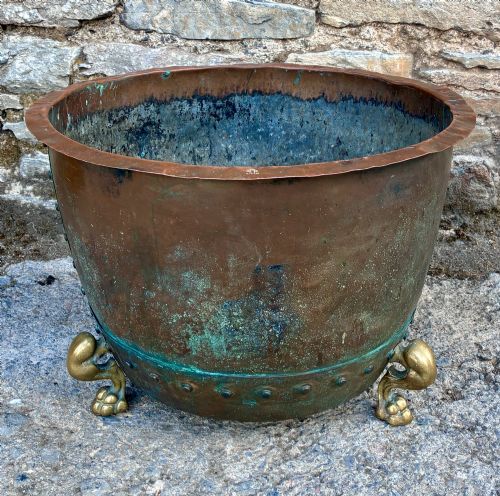
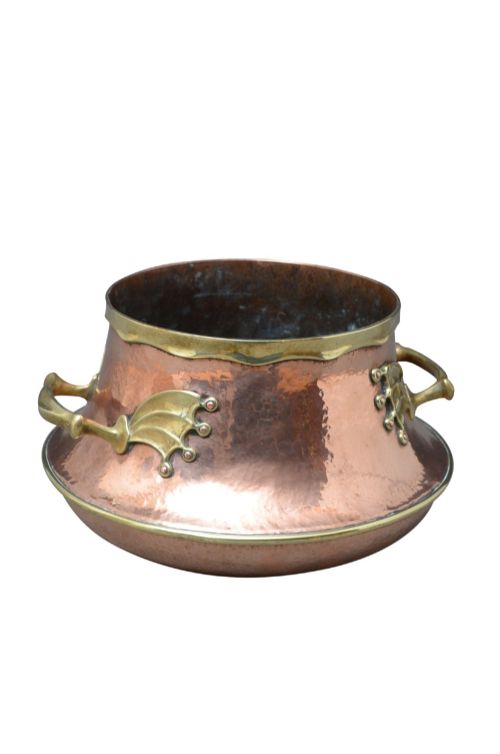
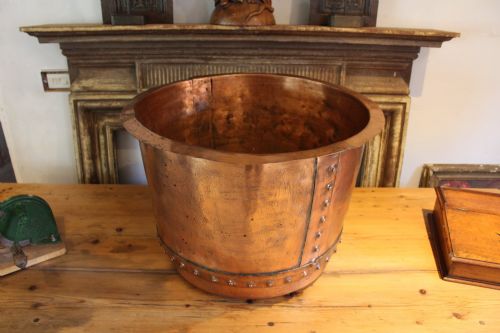
You will encounter copper bins with brass bands, riveted boilers, coopered oak buckets, and wrought iron fire baskets. Many items double as planters or jardinières, shifting fluidly between domestic functions across different periods.
The prevailing styles bridge Victorian utility, Arts and Crafts handcraft, and rustic farmhouse simplicity. These pieces rely on honest construction designed to withstand heavy daily use near the hearth.
Materials and construction
Makers shaped sheet copper and brass by hammering, riveting, and joining plates with contrasting metal bands to create sturdy cylindrical bins. Iron frames and wrought iron handles provided the necessary structural strength for carrying heavy loads of fuel.
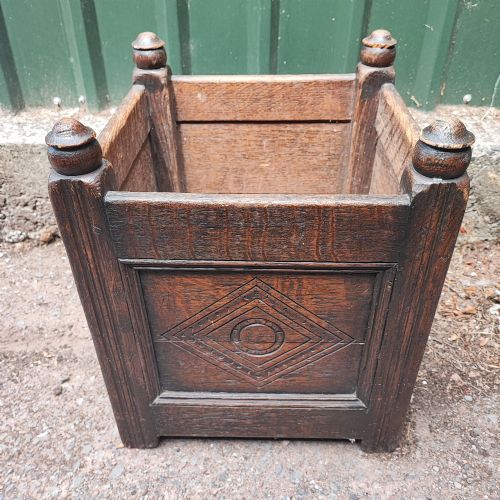
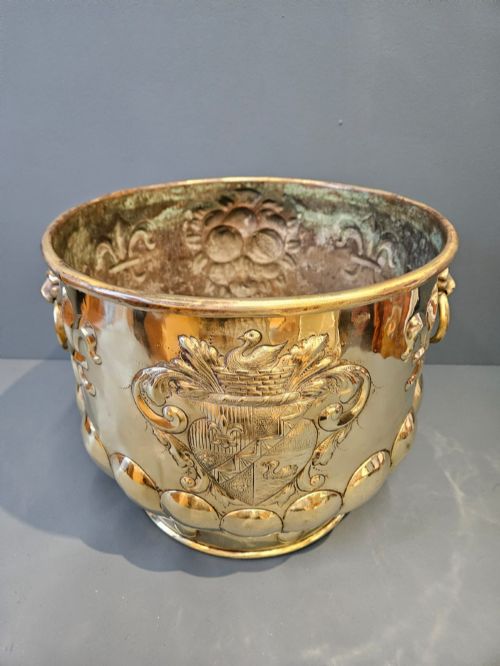
Timber versions relied on cooperage techniques, binding staves of oak and pine with metal hoops much like traditional barrels. Hand-finished surfaces, fretwork designs, and embossed details added decorative refinement to purely functional items.
Distinctions in quality
Quality rests upon the weight of the metal gauge, the integrity of the riveted seams, and the tightness of the coopered staves. Thick, hand-hammered copper and solid oak hold their shape and resist the dents that plague thinner, later stampings.
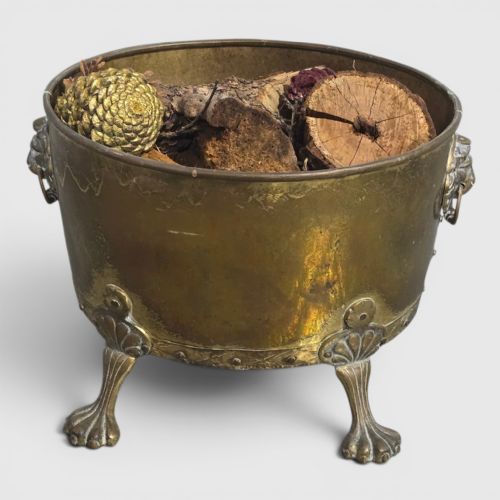
The distinction also lies in the finish and original hardware, such as wrought iron swing handles and cast brass paw feet. Pieces retaining their original liners and unpolished surfaces demonstrate superior integrity.
The Vintage Log Holder Glossary
- Coopered
- Built from wooden staves bound together with metal hoops, traditional for barrels and certain buckets. This method ensures structural strength for holding dense materials.
- Jardiniere
- An ornamental pot or receptacle for holding plants or flowers. Many large metal vessels now used for logs originated in this capacity.
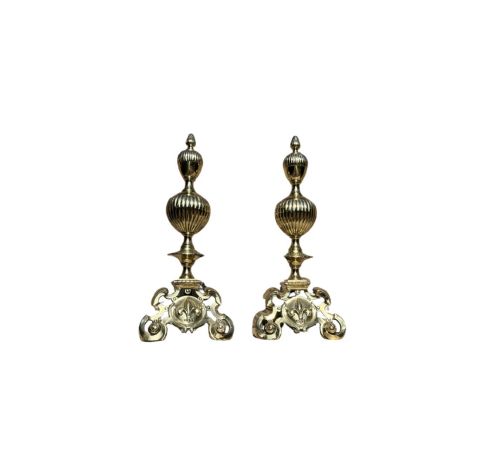
- Andirons
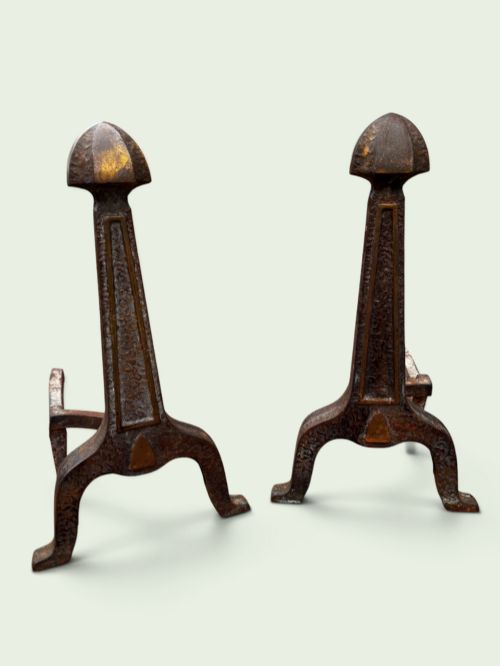
- Horizontal iron bars supported on legs used to raise logs off the hearth floor for better air circulation. They often accompany fire baskets and log bins.
- Coal scuttle
- A container designed for carrying and storing coal near a fireplace, frequently adapted today for holding logs. Helmet patterns feature a distinctive sloping spout.
- Riveted
- Joined together using metal bolts hammered flat at the ends. This technique secures heavy copper plates on nineteenth-century bins and boilers.
Vintage Log Holder: Frequently Asked Questions
Can I use these for actual logs?
Most of these metal and wooden vessels were originally built to hold heavy fuel like coal or wood, making them robust enough for modern logs.
Check for waterproof liners if the wood is damp, as moisture can affect older timber staves or corrode interior metal bases over time.
How do I clean copper and brass?
Warm soapy water and a soft cloth remove everyday dust and soot without stripping the aged surface character.
Avoid aggressive metal polishes unless you prefer a bright shine, as most collectors favour the dark patination accumulated over decades.
Are these pieces waterproof?
Many copper and brass bins featured interior soldered seams or removable metal liners to contain damp fuel or water when used as planters.
Coopered oak buckets rely on tight wooden staves that swell when wet, though older timber may require a modern plastic insert for safety.
How do I date an older metal bucket?
Hand-hammered surfaces, visible copper rivets, and wrought iron mounts typically point towards nineteenth-century production before industrial stamping took over.
Design motifs such as Arts and Crafts fretwork or Georgian brass bands offer further clues to the manufacturing decade.