




Claw Foot Coal Bin
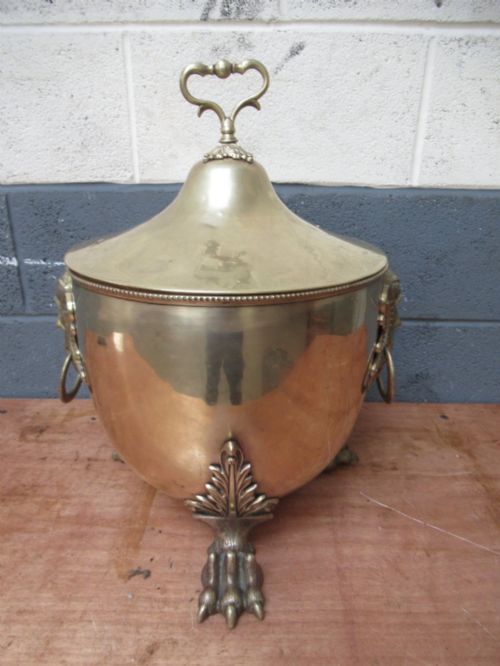
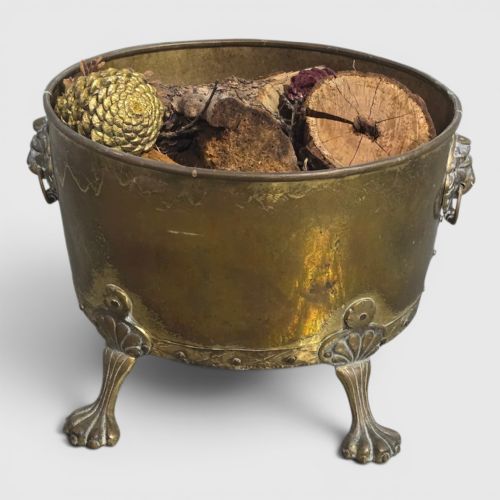
These claw foot coal bin examples combine robust metal or timber construction with decorative pedestals, bringing fireside utility and period character to any hearth.
Claw Foot Coal Bin
A claw foot coal bin serves as a practical fireside receptacle for solid fuel while doubling as an ornamental hearth accessory. When you search for this phrase, you encounter fireside accessories, log bins, and coal buckets spanning the nineteenth century up to the Edwardian era.
The versions most commonly met on this page originate from the Victorian and Edwardian periods, exhibiting styles such as Regency, Aesthetic Movement, and traditional Victorian design. Forms range from heavy lidded bins and scuttles to large cauldrons and oval containers resting upon distinctive feet.
Materials and construction
These pieces utilise durable metals like brass and copper, frequently shaped through handbeaten techniques, embossing, and contrasting copper bands. Makers also employed pine, paint, and ebony detailing to construct robust containers intended for daily domestic service by the hearth.
Structural integrity relies on cast brass or cast metal feet that elevate the main body away from damp hearths and floorboards. Surface decoration varies from simple polished finishes to elaborate embossed motifs and applied metal bands.
Claw Foot Coal Bin Retail Price Guide 2026
Typical asking prices for claw foot coal bin among the pieces listed under this phrase on Sellingantiques today, from the lower quarter to the upper quarter. They describe what is for sale here now, not the wider market.
Assessing quality and character
Quality separates through the crispness of embossed details, the weight of the metal, and the deliberate harmony of mixed materials such as brass bodies with contrasting copper bands. Heavier gauge metals and deeply struck surface patterns indicate superior domestic craftsmanship.
The treatment of handles, lids, and the specific casting quality of the feet distinguish standard utility vessels from more ambitious decorative fireside appointments. Original patination and untouched surface wear define the character of the surviving examples.
William Soutter And Sons
The Claw Foot Coal Bin Glossary
- Toleware
- Painted or japanned metalware, often tin, decorated with delicate lacquered finishes that mimic oriental lacquer. This technique appeared on decorative domestic vessels.
- Aesthetic Movement
- A late nineteenth-century design style emphasising visual beauty over narrative content, often incorporating simplified forms and stylized natural motifs. Pieces from this period prioritise artistic expression.
- Regency
- An architectural and decorative style spanning the early nineteenth century characterised by classical restraint and neoclassical motifs. Surviving hearth pieces reflect these formal influences.
- Embossed
- A technique where a design is raised above the background surface using hammers, punches, or presses. This process adds tactile depth and decorative richness to metal bodies.
Claw Foot Coal Bin: Frequently Asked Questions
How do I clean an antique brass coal bin?
Cleaning requires gentle care to preserve the aged surface patination and any handbeaten or embossed details. Harsh chemical dips or abrasive metal polishes strip away historical character and dull the warm metallic tones.
Dust the surface regularly with a soft cloth and apply a mild, non-abrasive metal cleaner only if necessary to remove active grime. Maintaining a natural, undisturbed finish preserves the visual integrity of the piece.
Can I use these for logs instead of coal?
These containers handle logs, kindling, and peat blocks just as effectively as traditional coal pieces. Their generous proportions accommodate various sizes of firewood while containing bark debris within sturdy metal walls.
Placing a protective liner inside prevents splinter accumulation and moisture contact with the base of the vessel. This simple precaution protects the internal structure during regular fireside use.
How do I date a Victorian brass coal bin?
Dating relies on observing construction marks, material combinations, fastening methods, and stylistic indicators such as Aesthetic Movement or Regency design cues. Handbeaten textures and specific maker stamps help anchor the manufacturing period.
Comparing the casting style of the feet and the application of decorative bands provides further chronological clues. Victorian examples often display heavier gauge brass and distinct embossing compared to later Edwardian pieces.