



Brass Fuel Scuttle
A brass fuel scuttle is a fireside essential designed to hold coal, logs or peat with period style.
Brass Fuel Scuttle
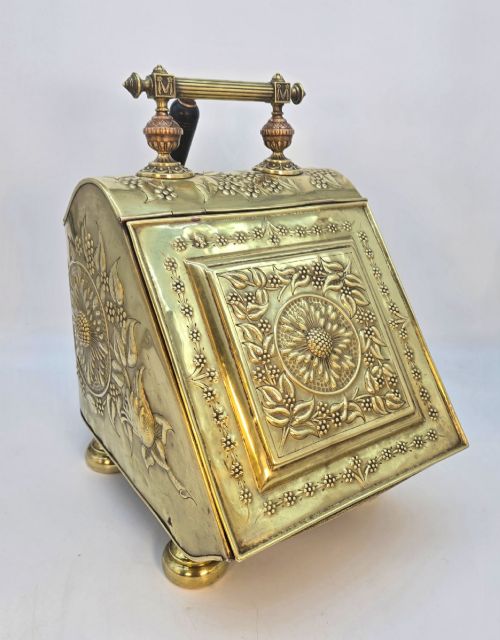
A brass fuel scuttle forms a practical fireside accessory designed for holding solid fuel by the hearth. When you search for a brass fuel scuttle, you encounter a range of forms spanning the Victorian and Edwardian eras.
Makers such as Benham & Froud contributed to this tradition, alongside pieces exhibiting Aesthetic Movement, Rococo Revival and Arts & Crafts styles. Buyers find items shaped in round, oval and box-like configurations suitable for modern or period hearths.
Materials and construction
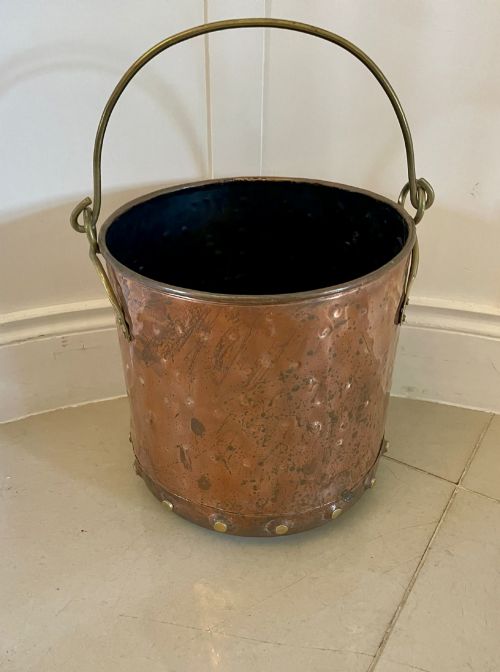
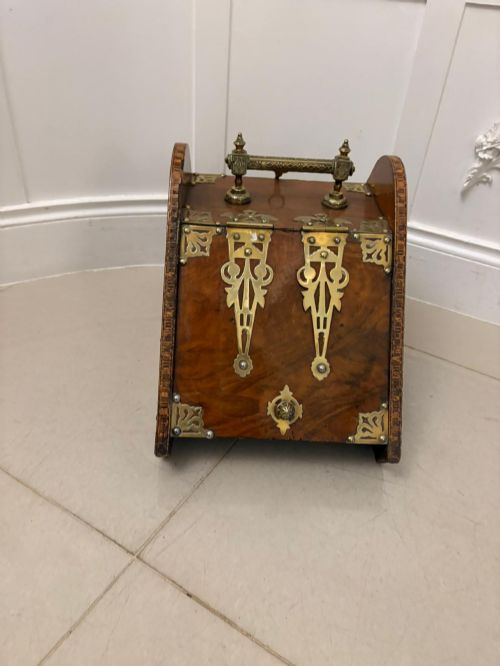
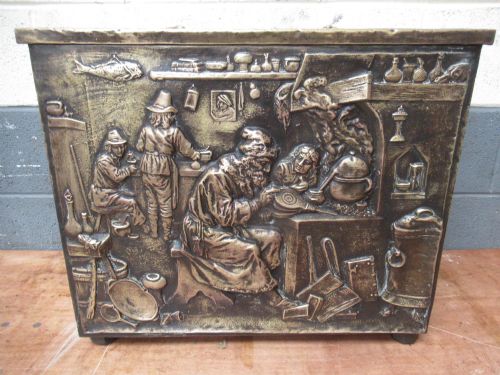
Makers utilised heavy sheet brass and copper, frequently pairing metal bodies with wooden chassis made from oak, walnut, mahogany and pine. Metal components involved hand-riveting, repoussé decoration and ormolu mounts to accent the gleaming surfaces.
Wooden coal boxes and purdoniums relied on traditional cabinetry techniques including carving, ebonising and wood inlay. Coopered items like peat buckets utilised tightly fitted staves held by metal bands to contain solid fuel securely.
Brass Fuel Scuttle Retail Price Guide 2026
Typical asking prices for brass fuel scuttle among the pieces listed under this phrase on Sellingantiques today, from the lower quarter to the upper quarter. They describe what is for sale here now, not the wider market.
Judging quality and craftsmanship
Quality rests in the weight of the metal, the thickness of the timber, and the crispness of any carving or inlay. Finer examples display careful hand-riveting and solid brass hinges rather than thin sheet metal or flimsy joints.
Design distinction separates standard utilitarian bins from elevated pieces featuring ormolu mounts or attributed to workshops like Benham & Froud. The integrity of the interior liner and the stability of the handles dictate the endurance of each piece.
Benham & Froud·Petrus Ramus
The Brass Fuel Scuttle Glossary
- Purdonium
- A specialised coal box featuring an angled front door or a tip-out hopper mechanism designed for easy fuel removal. This form became popular during the Victorian period for domestic hearths.
- Coopered
- Built from narrow vertical wooden staves joined tightly together, similar to barrel construction. This technique appears on traditional Scottish peat buckets.
- Repoussé
- A metalworking technique where the pattern is hammered into relief from the reverse side. It creates decorative surface ornamentation on brass and copper bodies.
- Ormolu
- Finely ground high-carat gold-mercury amalgam applied to bronze or brass mounts. It provides a rich decorative accent on select Victorian coal bins.
- Aesthetic Movement
- A late nineteenth-century design style emphasising visual beauty over narrative subject matter. Pieces from this period often display refined craftsmanship and simplified forms.
Brass Fuel Scuttle: Frequently Asked Questions
How do I clean antique brass?
Antique brass benefits from gentle dusting and occasional cleaning with a mild, non-abrasive metal polish. Harsh chemical cleaners can strip away desirable patination built up over decades.
Preserving the original surface texture maintains the historical character of Victorian and Edwardian fireside accessories.
Can I use these for logs?
Many of these containers served multiple fuel types including logs, coal and peat. Open buckets and lidded bins accommodate logs effectively.
Enclosed boxes with internal liners protect wooden cabinetry from debris while holding firewood neatly.
How do I date a coal box?
Dating relies on stylistic clues, wood types, and construction methods characteristic of Victorian or Edwardian eras. Aesthetic Movement and Arts & Crafts influences point to specific late nineteenth-century decades.
Makers' marks stamped into the brass also help pinpoint the workshop of origin.