




Early 20th Century Basket
An early 20th century basket brings tactile utility and quiet domestic history into a room, offering genuine craftsmanship from the Edwardian era onwards.
Early 20th Century Basket
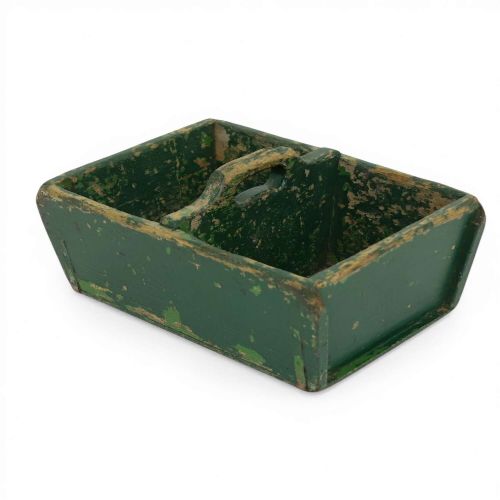
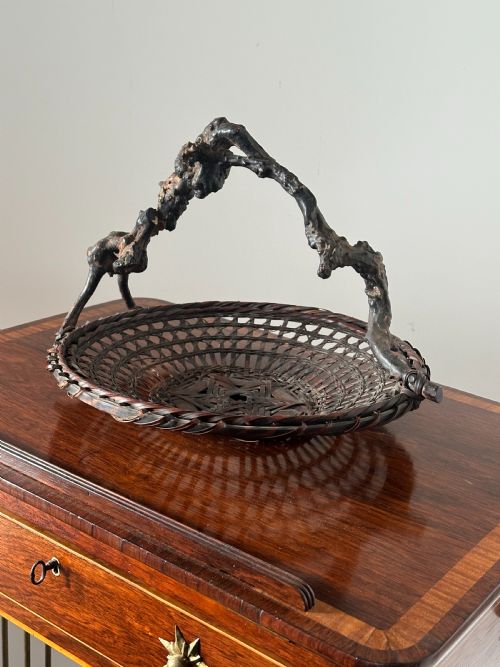
When you search for an early 20th century basket, you encounter a diverse range of functional and decorative forms spanning the Edwardian period up to 1930. The selection includes utilitarian wicker laundry and mill baskets, robust artisan trugs, and intricately woven Japanese Ikebana pieces designed for flower arranging.
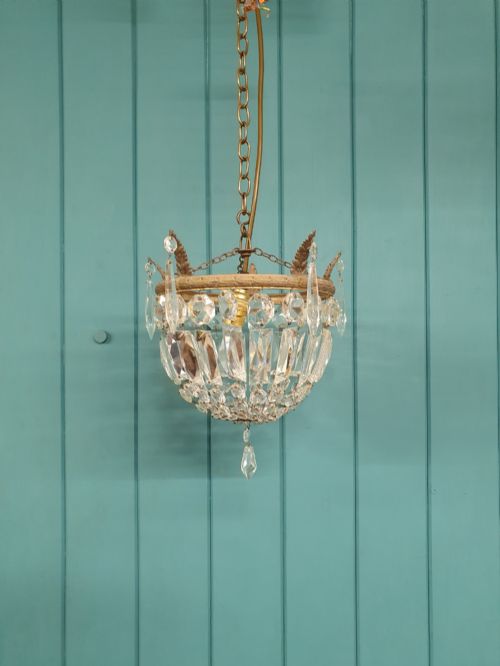
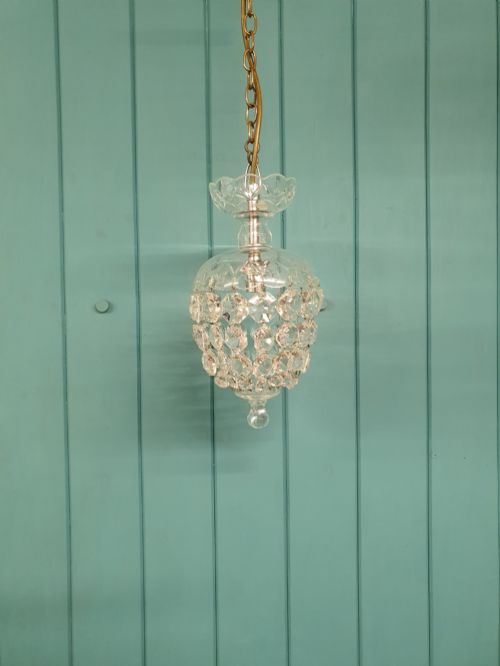
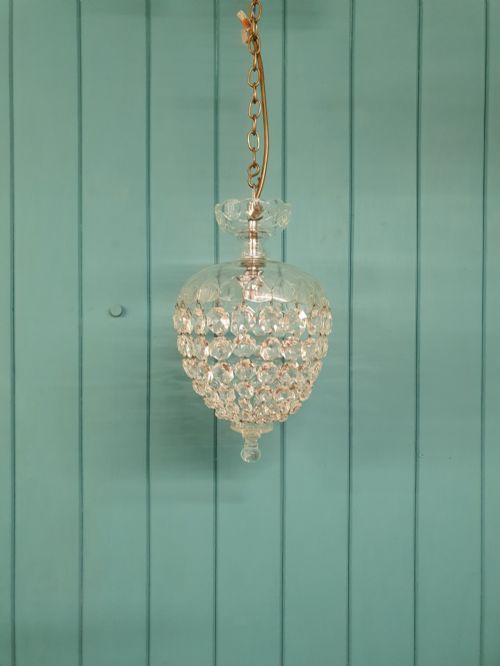
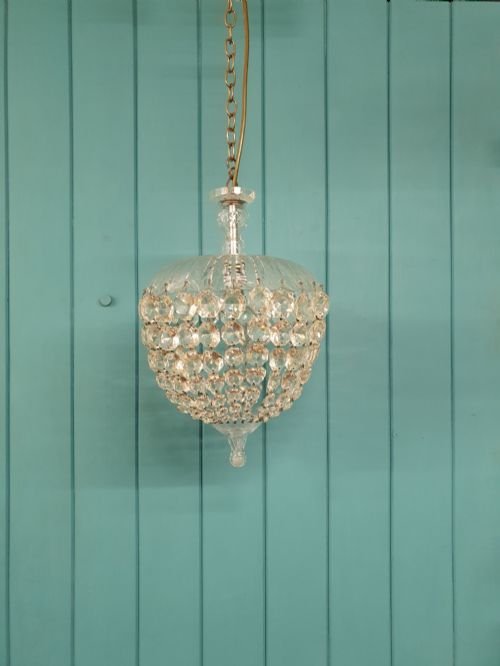
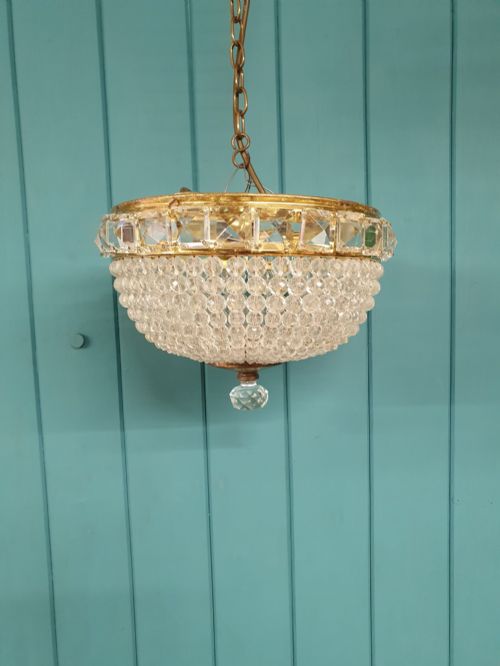
You are equally likely to meet lighting fixtures that adopt basket forms, such as brass and cut glass bag chandeliers or prism-adorned fixtures. Painted toleware waste paper baskets and ceramic depictions featuring fish baskets also appear among the material record.
The origins and regional styles vary considerably, taking in Welsh vernacular work, French chateau pieces, and Chinese porcelain alongside everyday domestic items. These objects reflect the practical storage and decorative needs of homes during the opening decades of the twentieth century.
How they were made
Makers utilised natural plant fibres such as willow and woven pine to construct durable utility pieces like laundry carriers, mill containers, and large wicker storage receptacles. Metalwork also plays a structural role in lighting variants, combining brass frames with cut glass, crystal, and coffin prisms.
Ceramic pieces undergo traditional porcelain manufacturing processes, exemplified by Dehua Blanc de Chine figures incorporating moulded details. Meanwhile, painted toleware items demonstrate surface decoration applied to sheet metal substrates for domestic waste management.
Prism chandeliers shaped like baskets occasionally hide blue or red glass drips among their crystal beads.
What varies in quality
The standard of construction in woven examples depends on the tightness of the weave and the resilience of the natural materials used, distinguishing sturdy artisan trugs from lighter domestic containers. Structural integrity in lighting variants relies on the secure mounting of brass frameworks and the clarity of cut glass or crystal prisms.
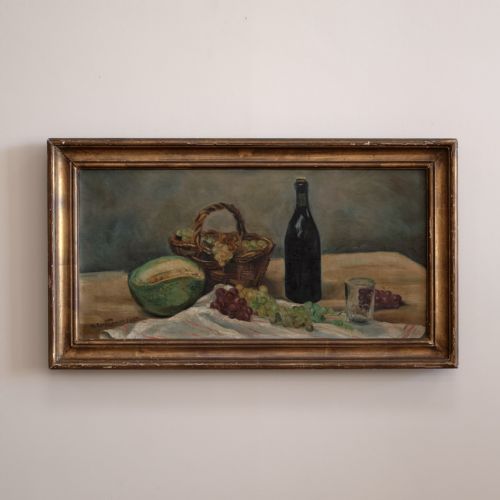
Artistic execution dictates the distinction in painted or ceramic pieces, whether observed in the brushwork of oil on canvas still life depictions of fruit or the refined moulding of porcelain figures. Originality of form and surface preservation further differentiate standard utility objects from superior decorative examples.
The Early 20th Century Basket Glossary
- Trug
- A shallow horticultural container traditionally made from strips of wood. The Welsh vernacular variant represents a robust artisan example designed for heavy carrying.
- Bag Chandelier
- A lighting fixture enclosed within a metal frame draped in glass beads or prisms. These often take basket or bag forms characteristic of Edwardian and later 1930s production.
- Ikebana
- A Japanese art of flower arranging that requires specialised low baskets. These pieces reflect specific cultural craft traditions from the early twentieth century.
- Toleware
- Painted or enamelled sheet metal household objects. Waste paper baskets finished in this manner provide durable decorative surfaces.
- Blanc de Chine
- White porcelain produced in Dehua, China. Figures from this tradition frequently incorporate detailed secondary elements like fish baskets.
Early 20th Century Basket: Frequently Asked Questions
What materials were used for an early 20th century basket?
Makers constructed these items from natural plant materials including willow, pine, and wicker for utilitarian storage and laundry containers. Metal, brass, and cut glass or crystal also appear extensively in lighting fixtures that adopt basket forms.
Ceramics and painted sheet metal represent other materials utilised during this period. These varied mediums served distinct practical and decorative functions in homes.
How do I identify an Edwardian basket chandelier?
These lighting fixtures typically combine a brass frame with cut glass, crystal beads, or coffin prisms arranged in a tapered bag or dome top shape. The metalwork and glass configurations reflect the design preferences of the Edwardian era and subsequent decades up to 1930.
Prisms may feature specific colour accents such as blue or red drips. The overall proportions generally measure between five and eighteen inches.
Where were wicker mill baskets used?
Wicker mill baskets served industrial and large-scale domestic storage functions in textile mills and large households. Their oversized construction allowed for the heavy-duty carriage of materials and laundry.
These robust utility pieces were built to withstand rigorous daily handling. Surviving examples demonstrate the utilitarian standards of early twentieth-century manufacture.
How should I care for a wicker basket?
Maintain natural plant fibres by keeping them away from excessive moisture and direct heat sources that cause brittleness. Gentle dusting with a soft brush preserves the woven surface without damaging the material.
Avoid using harsh chemical cleaners on antique wicker or wood. Proper environmental humidity ensures the longevity of natural basketry.