






Asian Bamboo Vessel
These asian bamboo vessel pieces span centuries of delicate craft, offering both functional storage and refined display for the home.
Asian Bamboo Vessel
When searching for an asian bamboo vessel, collectors encounter a diverse group of objects rooted in East Asian traditions. These works include decorative baskets, storage baskets, and carved lidded boxes originating from various periods.
The pieces listed on this page represent centuries of making, ranging from the Ming and Qing dynasties to the Meiji and Taisho periods. Alongside genuine bamboo works, buyers discover related objects in bronze, brass, porcelain, and earthenware.
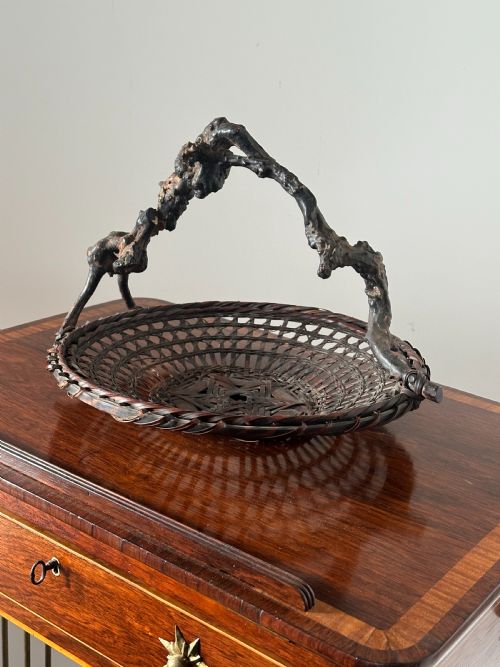
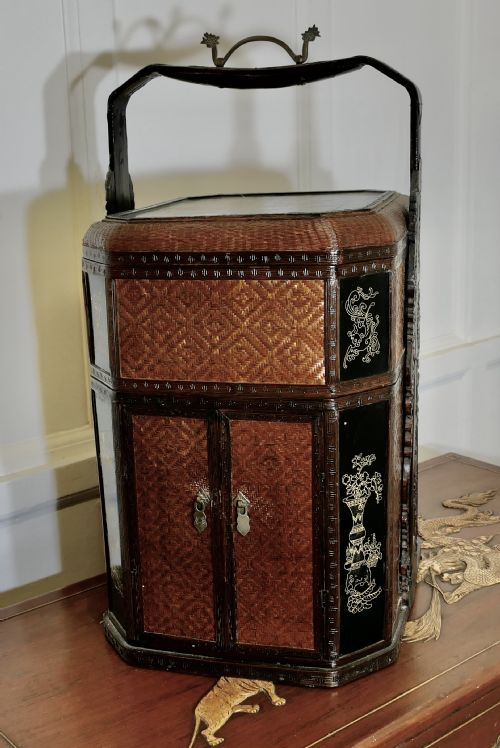
Forms such as Japanese ikebana baskets and Chinese wedding baskets dominate the selection, showing both rustic utility and refined artistic expression. Each asian bamboo vessel reflects the specific stylistic conventions of its era and origin.
How they were made
Makers utilised natural materials such as bamboo and rattan, shaping them through careful bending and weaving techniques. Structural elements often integrated other media like bronze, brass, and earthenware to add weight and contrast.
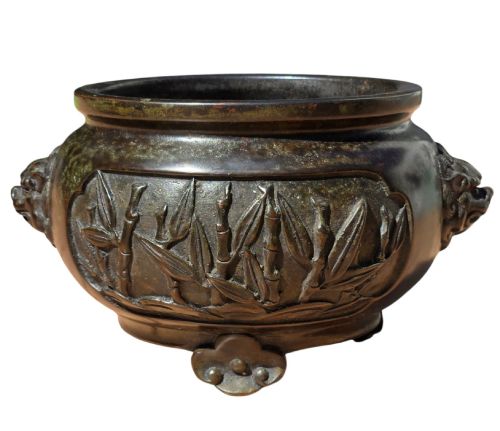
Surface decoration frequently involved intricate carving directly into the bamboo or applying lacquer and gilt finishes. Potters and metalworkers also imitated the plant's natural segments in porcelain and bronze vessels.
Scholars once admired bronze censers shaped like bamboo because the plant symbolised resilience under pressure.
What varies in quality
The calibre of an asian bamboo vessel depends on the precision of the construction and the depth of the carving. Finely carved surfaces show sharp relief work and consistent detailing across the entire object.
Material selection and structural integrity separate standard utility pieces from works of higher artistry. Well-preserved surfaces and balanced proportions indicate superior workshop standards from their respective periods.
Ah Hee Studio·Hozan
The Asian Bamboo Vessel Glossary
- Ikebana
- A traditional Japanese art of flower arranging that requires specialised tall or open baskets to hold stems securely. These vessels are constructed to balance stability with aesthetic restraint.
- Qing Dynasty
- The final imperial dynasty of China, lasting from the mid seventeenth to the early twentieth century. Objects from this era often display complex carving and sophisticated material combinations.
- Meiji Period
- An era in Japanese history defined by the restoration of imperial rule and rapid modernisation. Works from this time demonstrate exceptional technical mastery in ceramics, metal, and plant fibres.
- Ming Dynasty
- A golden age of Chinese art and culture preceding the Qing dynasty. Pieces surviving from this period are noted for their robust bronze casting and classical scholarly motifs.
Asian Bamboo Vessel: Frequently Asked Questions
What is an ikebana basket?
An ikebana basket is a specialised vessel designed for traditional Japanese floral arrangements. These pieces provide both structural support and aesthetic harmony for stems.
Such baskets often feature open woven designs or tall cylindrical forms to accommodate different compositional styles.
How do I care for bamboo items?
Bamboo objects require stable indoor humidity levels to prevent drying and cracking over time. Keep them away from direct sunlight and excessive heat sources.
Dust the surface gently with a soft, dry brush to maintain the natural finish without introducing moisture.
What periods do these pieces span?
The selection encompasses objects from the sixteenth century through the early twentieth century. This timeline covers multiple dynastic periods in China and imperial eras in Japan.
Each period brings distinct manufacturing techniques and stylistic preferences to the material.
Are all items made of bamboo?
While bamboo forms a central category, related vessels utilise bronze, brass, porcelain, and earthenware. Metal and ceramic pieces often replicate the segmented form of bamboo.
This variety reflects how different East Asian workshops interpreted the plant's symbolic and visual qualities across media.