




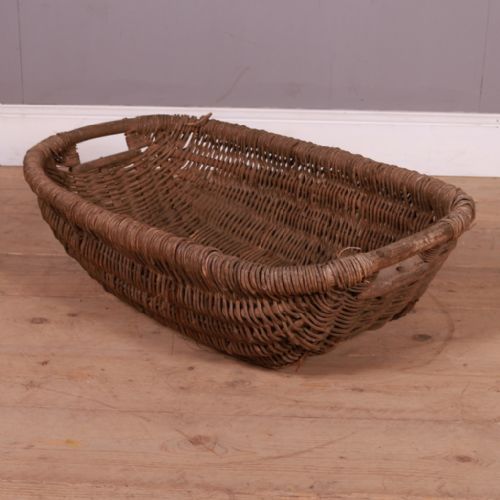
Rustic Wicker Basket
A rustic wicker basket brings enduring texture and honest utility to any room, offering robust storage shaped by daily use.
Rustic Wicker Basket
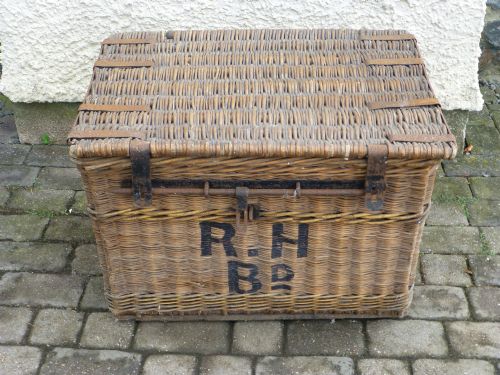
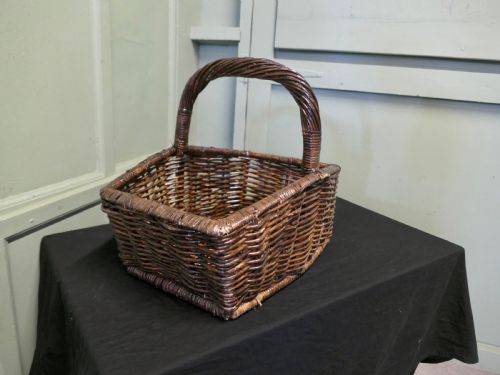
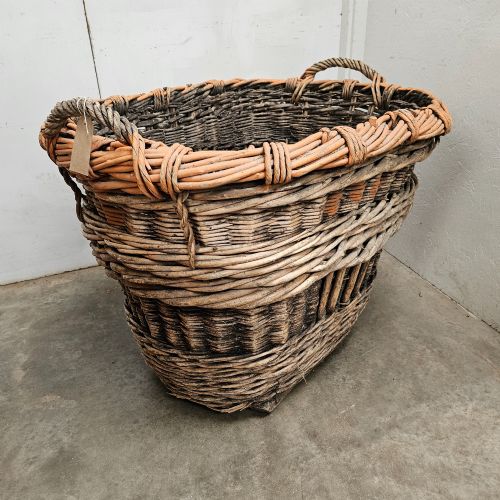
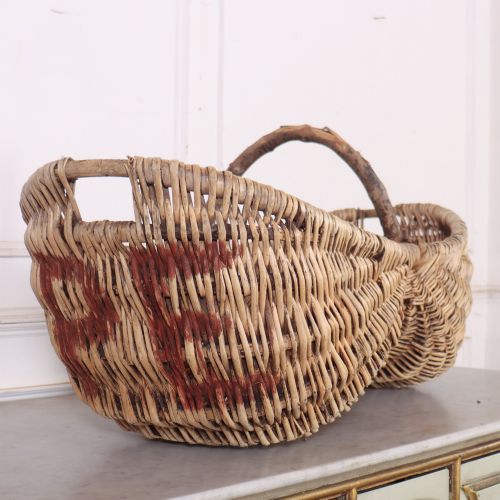
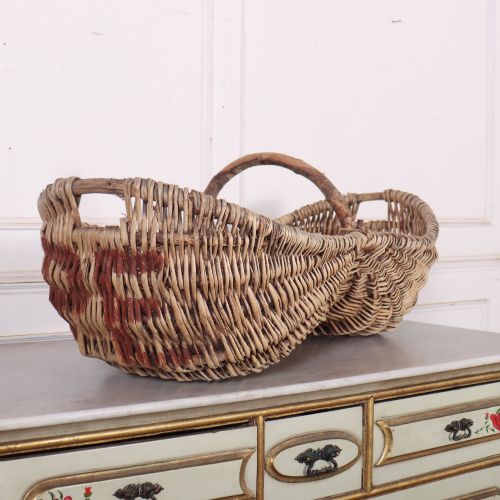
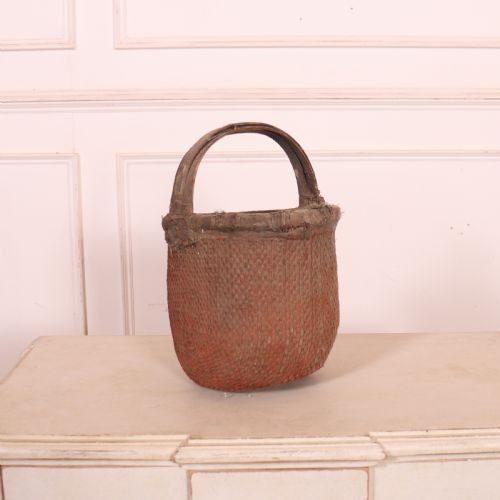
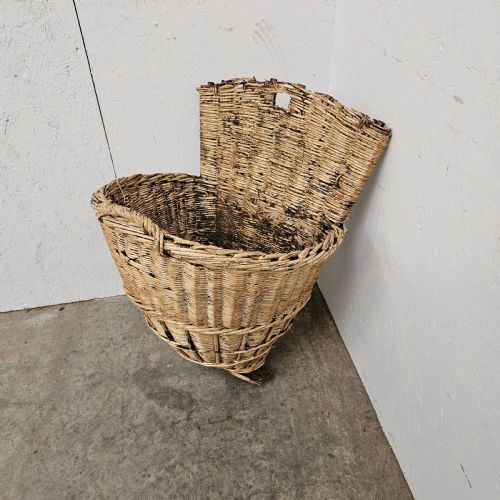
When you search for a rustic wicker basket, you encounter hardworking containers originally built for agriculture, industry and domestic trade across Britain, France and Scandinavia. These items range from large industrial cane travelling trunks and log baskets to market seller carriers and grape harvesting hods.
The versions most frequently met on this page span the eighteenth, nineteenth and early twentieth centuries, reflecting utilitarian origins from French country vineyards, English workshops and Swedish farmhouses. Their forms include deep storage trunks, tall hots and sturdy woven hampers designed for heavy lifting.
Such objects embody functional country styles including French Provincial, English Country and Scandinavian Country alongside industrial Victorian and Edwardian iterations. Each piece shows the unmistakable signs of a working life, whether utilised for gathering fruit, storing linen or holding firewood.
How they were made
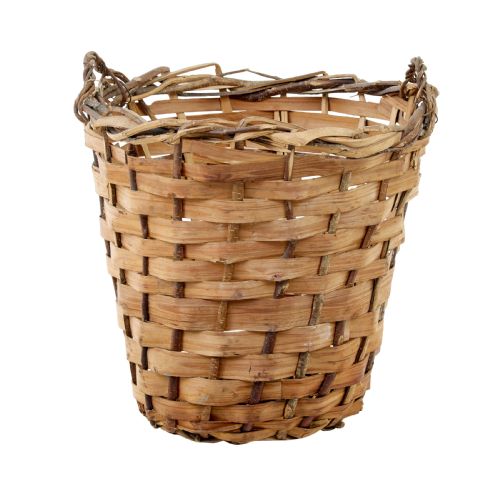
Construction relies upon natural plant materials including wicker, willow, cane and rope, woven by hand into dense, supportive structures. Artisans worked these pliable stems around sturdier wooden or iron frameworks to ensure the vessel could bear substantial loads.
Certain agricultural and industrial designs incorporate painted surfaces or bentwood components to reinforce high-stress areas like rims and bases. The resulting textures arise directly from the manual interlacing of organic fibres without modern synthetic binders.
Current listings feature materials including wicker, willow, wood, cane, iron, bentwood, paint and rope across periods from the eighteenth to the twentieth century.
What varies in quality
The distinction between ordinary utility items and superior examples lies in the tightness of the weave and the structural integrity of the frame. A higher grade of craftsmanship produces uniform tension across the willow or cane, allowing the basket to maintain its original geometry despite decades of heavy service.
Proportion and scale also dictate the desirability of a piece, particularly among large formats such as mill baskets, travelling trunks and grape hods. Originals that retain authentic surface wear, uncompromised handles and integrated wooden or iron fittings hold greater presence in a room.
The Rustic Wicker Basket Glossary
- Wicker
- A method of weaving pliable plant materials into rigid objects such as baskets and furniture. This technique utilises willow, reed, cane or rattan.
- Hod
- A deep, carrying vessel traditionally hauled on the back or hip for gathering grapes or crops. These containers often feature specialised shoulder straps or curved backs.
- Bentwood
- Wood that has been heated and mechanically forced into curved shapes. It provides rigid structural framing for woven containers and industrial trunks.
- Cane
- The peeled, fibrous bark of the rattan palm, prized for its strength and flexibility in weaving. It creates smooth, durable surfaces on large storage pieces.
Rustic Wicker Basket: Frequently Asked Questions
What were rustic wicker baskets originally used for?
These vessels served arduous agricultural and industrial purposes, ranging from gathering grapes in French vineyards to hauling textiles in industrial mills.
They also transported market goods, flowers and firewood, functioning as essential daily tools rather than decorative household objects.
How do I clean an antique wicker basket?
Maintenance requires gentle dry brushing with a soft-bristled brush to remove dust from the intricate weaves.
Avoid soaking the natural fibres in water, as excessive moisture weakens willow, cane and rope over time.
Can these baskets support heavy storage?
Many examples, particularly industrial mill baskets and travelling trunks, were constructed specifically to bear substantial weight.
Their robust cane and willow frames remain suitable for holding logs, blankets or heavy household items.
How can I tell the age of a basket?
Dating relies upon observing the material preparation, tool marks on wooden components and overall style evolution from eighteenth-century hots to twentieth-century industrial hampers.
Hand-split materials and distinct regional French or Scandinavian weaving patterns also point toward specific historical periods.