
Vintage Linen Press
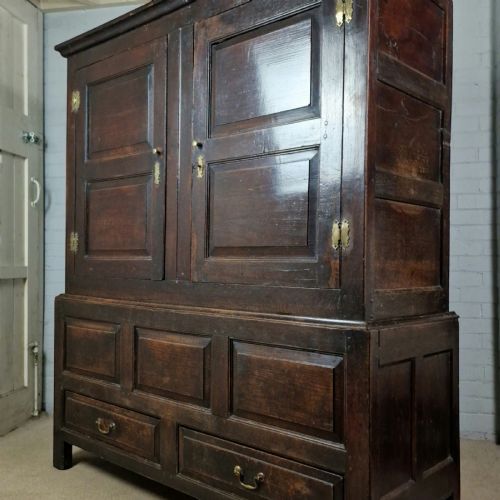
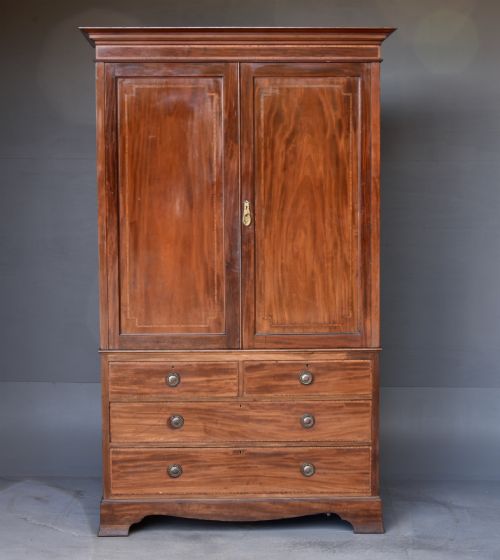
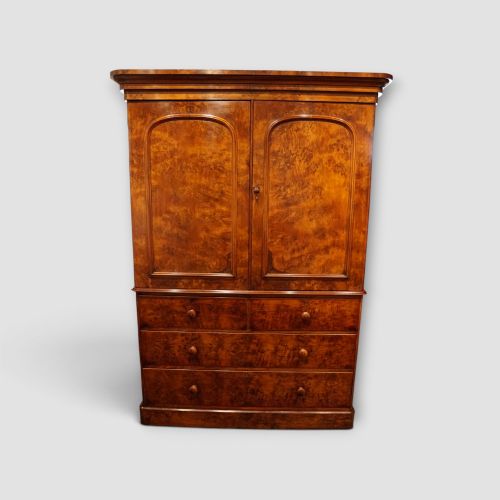
A vintage linen press is a substantial storage piece built for household textiles, combining upper cupboard doors with lower drawers to keep things orderly.
Vintage Linen Press
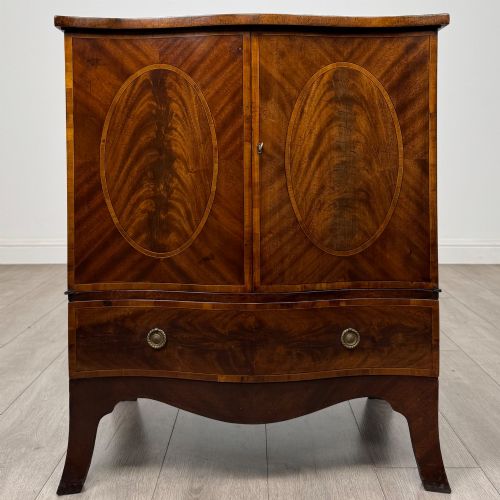
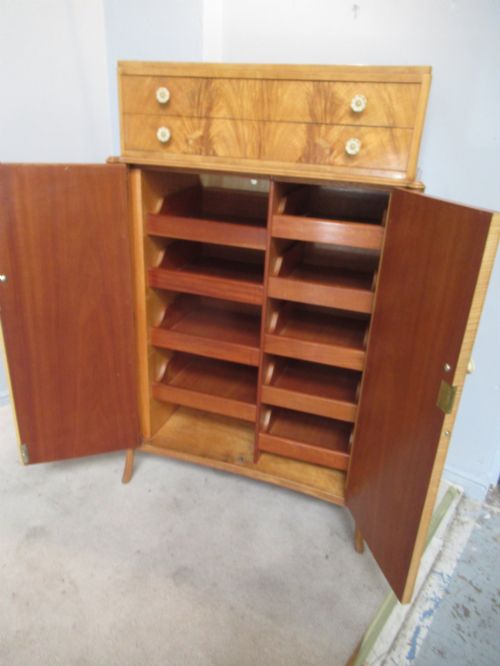
A vintage linen press is a traditional furniture form designed originally for storing folded sheets, tablecloths and garments before modern wardrobes took over. Buyers looking at this page find a mix of tall storage units that bridge the gap between chest of drawers and wardrobe, often housing sliding trays or shelves behind the upper doors.
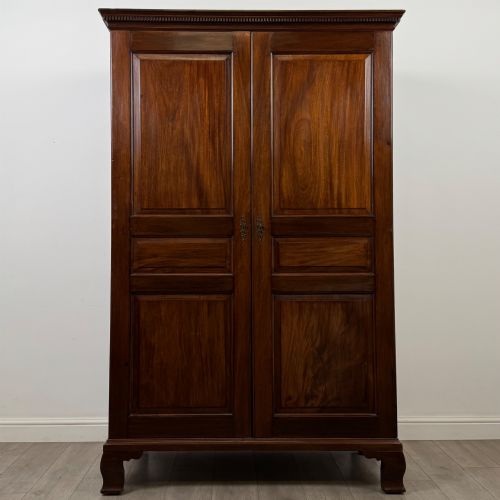
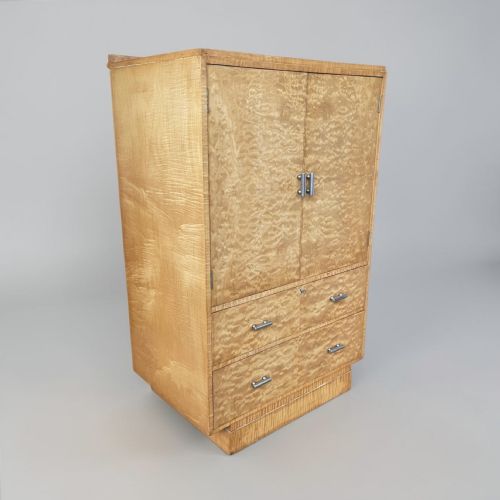
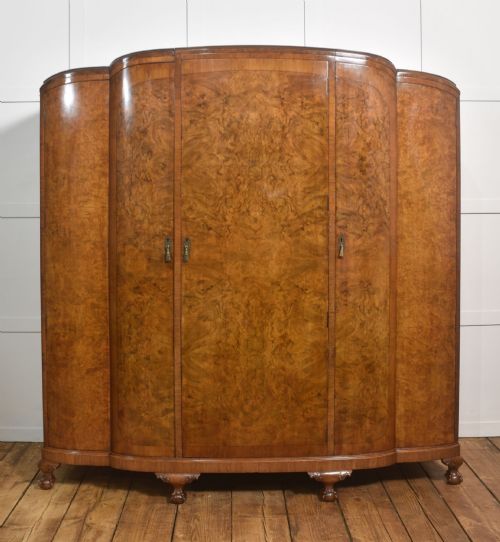
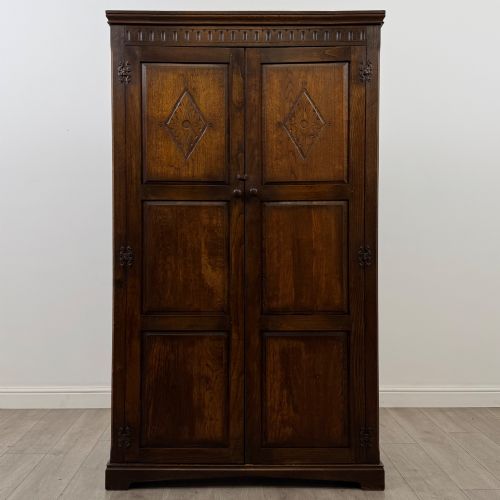
The pieces on this page span several decades and styles, drawing heavily on Victorian and Edwardian periods alongside Georgian influences and later Art Deco designs. Mahogany and pine dominate the forms, supplemented by walnut, satinwood and oak, reflecting the materials favoured by makers across the nineteenth and early twentieth centuries.
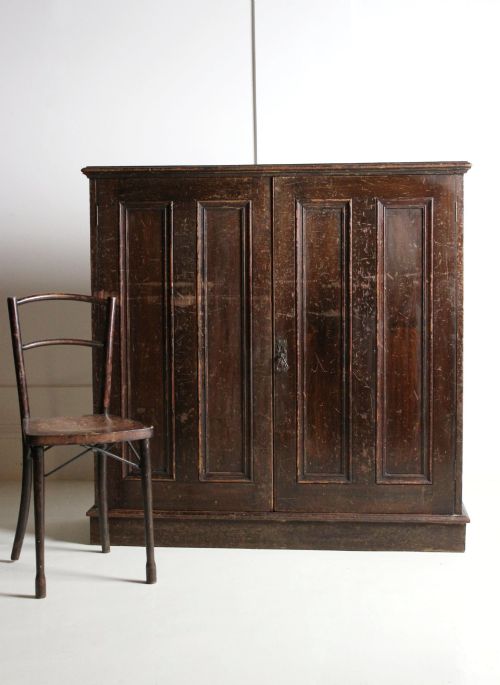
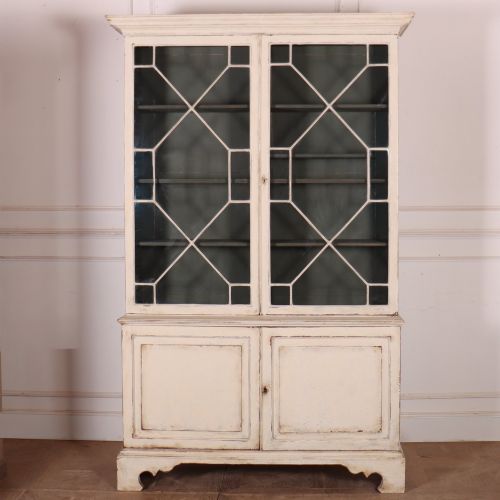
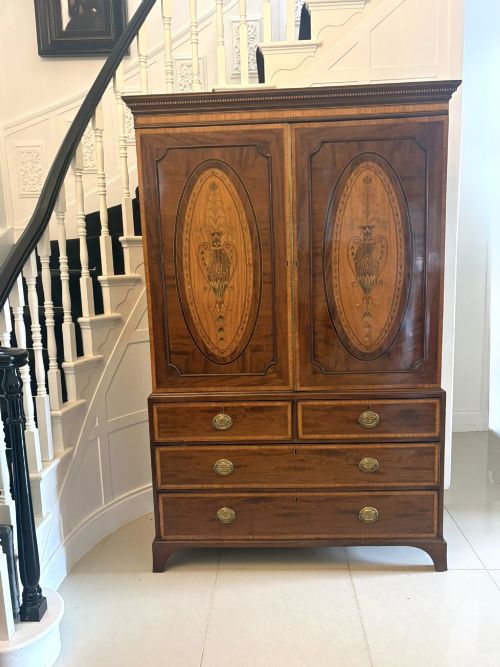
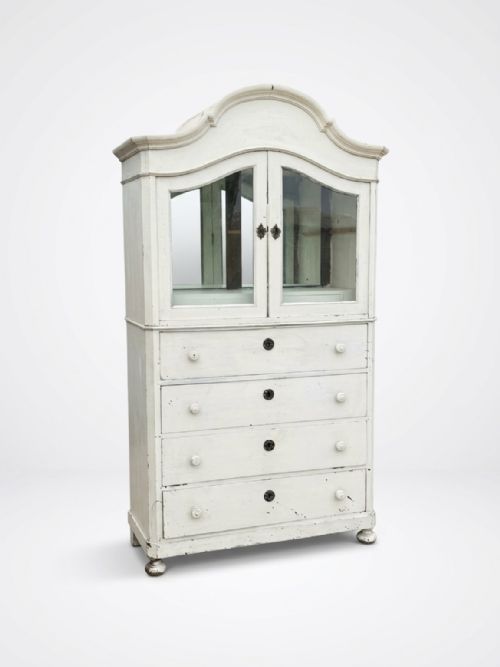
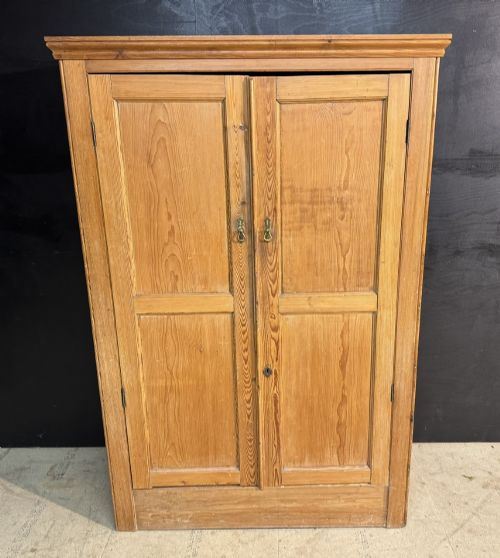
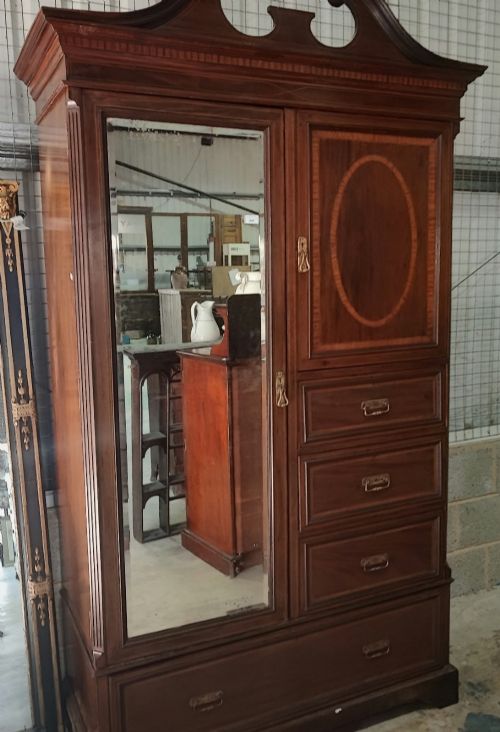
Most examples combine substantial timber carcases with functional internal compartments, though variations run from simple painted country cupboards to grand inlaid mahogany housekeepers' wardrobes. Buyers encounter everything from compact single pieces to large multi-door compactums fitted with mirrors and bottom drawers.
How they were made
Cabinet makers constructed these presses using solid hardwoods like mahogany, oak and walnut, frequently pairing them with secondary softwoods such as pine for internal framing and drawer linings. Surface decoration often involved figured veneers, satinwood stringing, blind fretwork cornices and hand-painted finishes.
Joinery techniques relied on dovetailed drawer construction, mortise and tenon frames, and panelled doors designed to accommodate seasonal wood movement. Brass hardware, including drop handles, escutcheons and working locks with keys, completed the assembly of the upper cupboards and lower drawer banks.
Vintage Linen Press Retail Price Guide 2026
Typical asking prices for vintage linen press among the pieces listed under this phrase on Sellingantiques today, from the lower quarter to the upper quarter. They describe what is for sale here now, not the wider market.
Storage formats range from traditional linen presses and compactums to tallboys, gentleman's wardrobes and painted housekeepers' cupboards.
What varies in quality
Quality rests in the choice of timber and the handling of grain, where highly figured burr walnut, flame mahogany and carefully matched veneers distinguish finer commissions from utilitarian pieces. The depth of the carving, the precision of satinwood inlay and the crispness of fretwork cornices separate standard workshop output from exceptional cabinet work.
Internal execution reveals the builder's standard, particularly in the construction of the sliding linen slides or trays, the neatness of dovetailing in the lower drawers, and the retention of original brass fixtures and locks. Carcases that remain square and doors that hang true without sagging indicate sound original construction and careful subsequent upkeep.
maples & co·Edwards and Roberts·Johnston’s of London
The Vintage Linen Press Glossary
- Linen press
- A tall storage cabinet with upper doors enclosing shelves or sliding trays, positioned above a base section of horizontal drawers. Originally intended for flat textiles.
- Compactum
- A large fitted wardrobe combining hanging space, drawers, shelves and sometimes shoe racks within a single integrated carcase. It maximises bedroom storage efficiency.
- Blind fretwork
- Carved decorative openwork glued onto a solid background surface without piercing through to the interior. It creates textural pattern along cornices and friezes.
- Scumble
- A decorative paint technique used to simulate the grain of more expensive timber, such as oak or mahogany, over a simpler softwood base. It was common in regional country pieces.
- Tallboy
- A tall chest of drawers, or a wardrobe-style cabinet raised on a chest base, designed to provide high-capacity vertical storage with a small floor footprint.
Vintage Linen Press: Frequently Asked Questions
What is inside a vintage linen press?
Inside the upper section, buyers typically find either wooden sliding shelves, known as linen slides, or standard flat shelving designed for folded garments and textiles. The lower section usually contains a bank of graduated drawers.
Some variations modify this layout to include clothes hanging rails or compartmentalised storage, reflecting how later owners adapted the interiors for modern wardrobes.
How do I tell a Victorian press from an Edwardian one?
Victorian examples tend to use heavy, dark timbers like figured mahogany and burr walnut, often featuring rich deep polishes, bold cornices and robust proportions. They lean towards formal, imposing silhouettes.
Edwardian pieces frequently display lighter tones, such as satinwood inlay, pale mahogany or polished oak, with airier proportions and restrained decorative motifs that reflect changing domestic tastes.
Can a linen press be used as a modern wardrobe?
Many linen presses adapt well to modern clothing storage, particularly models that feature deep upper cupboards where a hanging rail can be fitted. The lower drawers offer ready space for folded items and accessories.
Buyers should check internal depth dimensions before purchasing, as older pieces can sometimes be shallower than contemporary clothes hangers require.
Are these pieces easy to dismantle for moving?
Many larger antique presses and compactums were constructed as knockdown furniture, meaning the cornice, base, and side sections separate to allow transport through doorways and up stairs. Smaller pieces and country pine cupboards often remain fixed as a single solid unit.
Checking the construction method before delivery helps determine whether professional installation or simple home assembly is needed.