
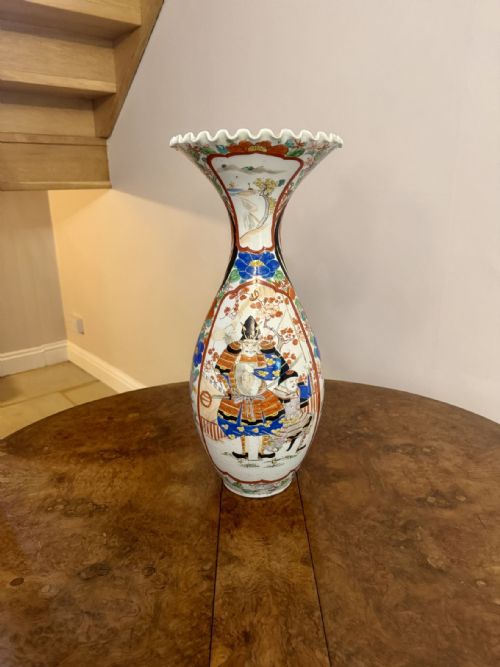


Vintage Japanese Imari Vase
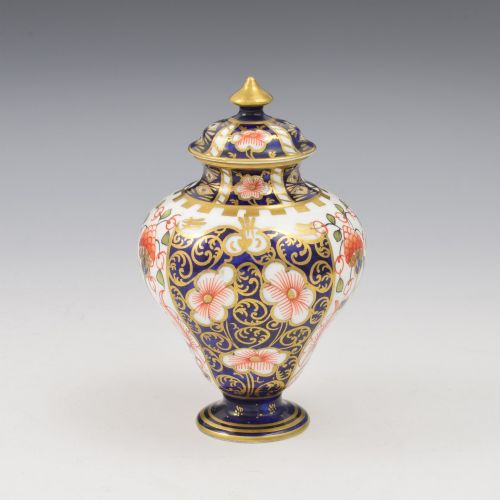
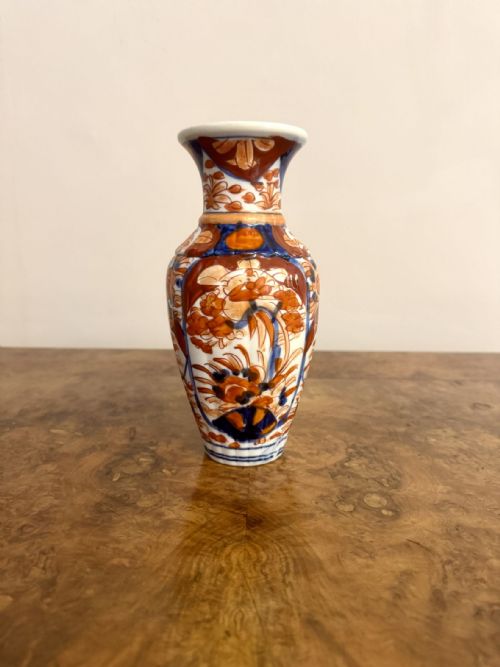
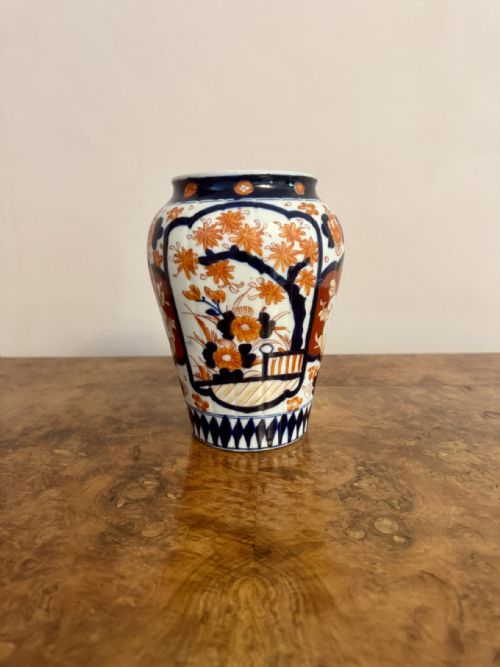
These vintage japanese imari vase examples bring rich iron-red and cobalt hues to any room.
Vintage Japanese Imari Vase
When you search for a vintage japanese imari vase, you encounter a distinct tradition of decorated ceramics spanning multiple centuries, from the Edo period through the Meiji period and into the twentieth century. These pieces encompass standard vases, covered ginger jars, slender neck vessels, and large floor standing examples.
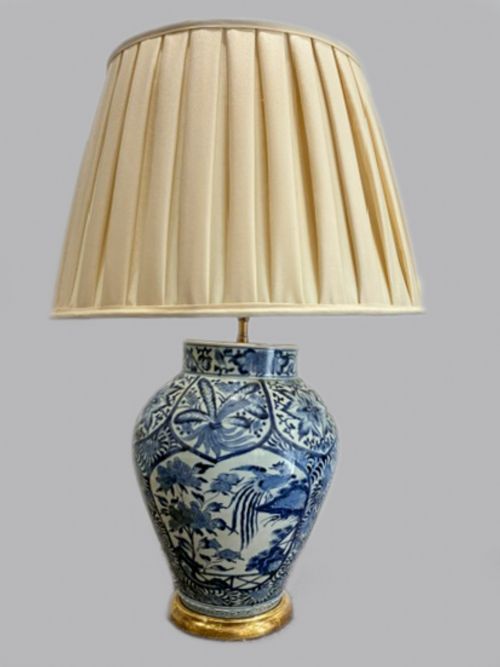
The most common specimens on this page date from the late nineteenth century and the early twentieth century, alongside earlier examples originating from Arita. Certain pieces arrive converted into table lamps or paired as garnitures, reflecting how owners adapted them over time.
Forms vary from simple bottle shapes to shaped vases and lidded jars featuring bamboo patterns or traditional motifs.
Materials and Construction
Potters shaped these vessels using porcelain, applying underglaze cobalt blue and overglaze enamel colours together with gold leaf details. This combination created the signature palette associated with the style.
Kiln firing methods developed in Arita established the hard body of the porcelain before decorators added the detailed surface patterns using enamel and glaze.
Listings feature porcelain vessels spanning the seventeenth century to the twentieth century, including Arita production and Meiji period examples.
Factors That Distinguish Quality
The precision of the hand-painted enamel and the application of gold leaf determine the visual depth of the decoration. Finer examples display crisp cobalt tones and carefully registered enamel work across the porcelain body.
Proportion and scale also separate standard vessels from impressive large pairs or floor-standing vases, where maintaining symmetry during the firing process required considerable skill.
Royal Crown Derby·Fukagawa
The Vintage Japanese Imari Vase Glossary
- Imari
- A style of Japanese porcelain decorated in underglaze blue, iron red, and gold, named after the port from which the wares were exported.
- Arita
- The Japanese town and surrounding region in Hizen province where production of these porcelains began.
- Meiji Period
- The era of Japanese history lasting from 1868 to 1912, corresponding with significant export of decorative arts.
- Edo Period
- The period in Japanese history spanning from 1603 to 1867, during which the initial traditions of this ceramic ware developed.
- Garniture
- A set of matching ceramic vases or jars designed to be displayed together on a mantelpiece or cabinet.
Vintage Japanese Imari Vase: Frequently Asked Questions
How do I identify a Meiji period piece?
Meiji period examples date between 1868 and 1912, often showing dense enamel decoration and vibrant gold leaf accents on porcelain bodies.
Examine the painting style and the characteristics of the glaze to understand the production era.
Were these vases used as lamps originally?
Many vessels were originally created as decorative vases or ginger jars rather than lighting.
Conversion into lamps typically occurred later in Europe or Britain to adapt the antique porcelain for domestic interiors.
What colours define traditional Imari ware?
Traditional Imari ceramics rely primarily on underglaze cobalt blue combined with iron red enamel.
Decorators frequently added gold leaf details over the glaze to enrich the finished appearance.
Where were these ceramics manufactured?
Production centred around Arita in Hizen province, utilising local clay suitable for fine porcelain.
Finished goods travelled to the port of Imari for shipment to Western markets.