





Vintage Japanese Enamel Dish
These vintage japanese enamel dish selections comprise decorative chargers, plates and bowls spanning the Meiji and Edo periods.
Vintage Japanese Enamel Dish
A vintage japanese enamel dish encompasses decorative plates, chargers, and bowls created across the nineteenth and early twentieth centuries. These vessels display traditional motifs including dragons, koi, birds, and Mount Fuji, shaped as shallow dishes or larger presentation chargers.
Buyers encounter works ranging from small cabinet plates to large display chargers measuring over thirty centimetres. These items served primarily as ornamental display pieces in interiors.
Materials and technique
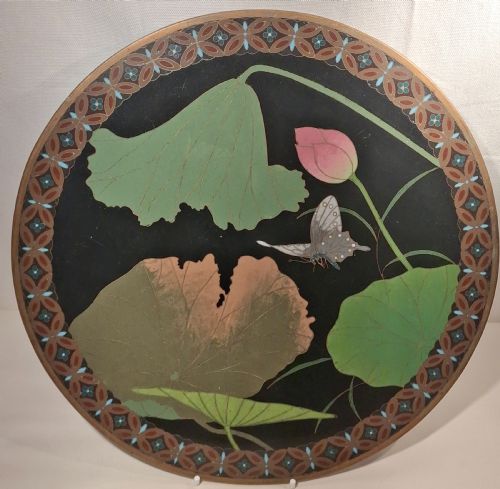
Many pieces utilise cloisonne enamel applied over metal bases such as copper, brass, or bronze. Craftsmen soldered fine brass wire to the metal foundation to form cellular compartments, which they subsequently filled with coloured vitreous pastes before firing.
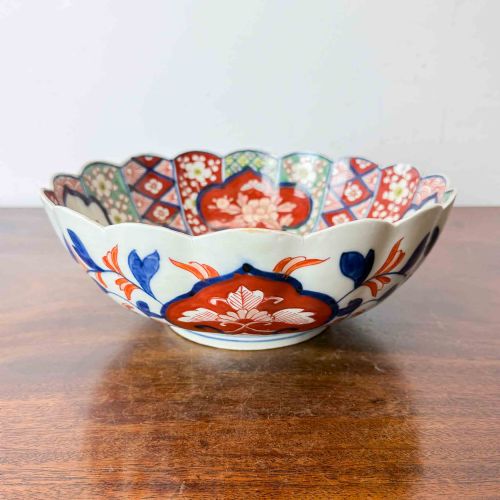
Alternative items employ porcelain foundations, hand-painted in Imari or Kutani styles using pigments and glazes. The integration of wirework and enamel powder required multiple cycles of kiln firing and surface polishing to achieve a smooth finish.
Vintage Japanese Enamel Dish Retail Price Guide 2026
Typical asking prices for vintage japanese enamel dish among the pieces listed under this phrase on Sellingantiques today, from the lower quarter to the upper quarter. They describe what is for sale here now, not the wider market.
Listings feature items from the Meiji and Edo periods, incorporating materials such as copper, brass wire, and porcelain.
The spectrum of quality
Quality rests upon the precision of the wirework and the complexity of the subject matter depicted within the enamel fields. Finer specimens display exceptionally narrow, uniform wire boundaries and intricate pictorial detail, such as multi-coloured feathers or expressive animal forms.
The density and depth of the coloured enamel pastes further distinguish standard production from masterworks. Pieces bearing artist signatures or complex pictorial narratives command attention for their technical achievement.
Kinkozan
The Vintage Japanese Enamel Dish Glossary
- Cloisonne Enamel
- A decorative metalwork technique where fine wire creates compartments for coloured glass paste. These cells are fired in a kiln and polished flat.
- Charger
- A large decorative plate or dish intended for display on a wall or sideboard rather than for dining use. These items form the centrepiece of many collections.
- Meiji Period
- The era of Japanese history lasting from 1868 to 1912, characterised by opening trade and exceptional decorative arts production. Many surviving enamel items originate from this time.
- Edo Period
- The period of Japanese history spanning from 1603 to 1867. Surviving dishes from this era demonstrate early techniques in metal and ceramic creation.
- Imari
- A style of Japanese porcelain decorated in underglaze blue and iron red with additions of gold. These wares were widely exported during the nineteenth century.
Vintage Japanese Enamel Dish: Frequently Asked Questions
How do I display a large charger safely?
Large chargers require sturdy wall hangers specifically designed for heavy ceramic or metal plates, ensuring the weight is evenly distributed across the rim.
Alternatively, substantial metal or wooden display stands support the base securely on flat surfaces like cabinets or sideboards.
What is the difference between cloisonne and Imari?
Cloisonne involves metal bases decorated with wire cells filled with coloured enamel paste, creating a tactile surface.
Imari refers to porcelain decorated with painted pigments under the glaze, typically featuring blue, red, and gold colour palettes.
How do I clean an antique enamel dish?
Dust these items gently with a dry, soft microfibre cloth to remove surface particles without disturbing the delicate wire or glaze.
Avoid using water, liquid cleaners, or chemical solvents, as moisture can infiltrate any microscopic cracks in the metal or enamel.
Can I use these dishes for serving food?
These historical pieces function primarily as decorative art objects rather than practical tableware for daily dining.
Using them for food risks damaging the delicate enamel surface or exposing old metal alloys to moisture and acids.