





Floral Enamel Wall Charger
A floral enamel wall charger brings brilliant colour and intricate Japanese craftsmanship straight to your interior wall.
Floral Enamel Wall Charger
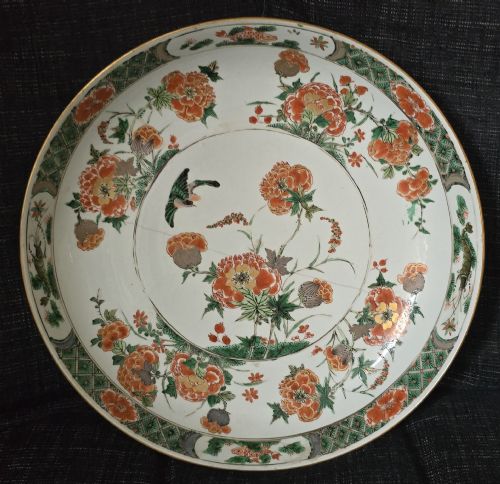
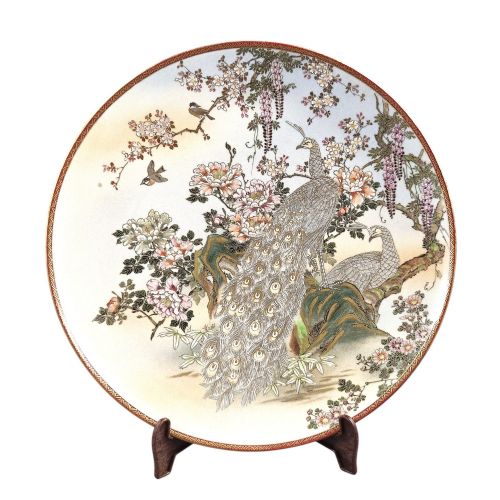
When you search for a floral enamel wall charger, you encounter striking decorative plates and chargers hailing from the Meiji period. These items typically feature elaborate depictions of chrysanthemums, peacocks, wisteria, and peonies.
The objects on this page originate from the late nineteenth century, spanning decades such as eighteen seventy, eighteen eighty, and nineteen hundred. Most examples take the form of large dishes or shallow bowls designed specifically for display.
Makers in Japan produced these substantial display pieces using traditional techniques that resulted in vibrant floral and animal motifs. A buyer finds both medium plates and huge chargers suited for prominent wall placement.
How they were made
Artisans built these charger plates using metal bases such as brass, copper, and bronze, applied with detailed enamel work. Many pieces incorporate fine wirework to delineate the petals, birds, and landscapes before firing.
Certain works combine the enamel surface with earthenware, porcelain, or gold leaf and gold gilt highlights. Skilled hands painted specific shallow bowls by hand to achieve rich tonal variation across the floral scenes.
Floral Enamel Wall Charger Retail Price Guide 2026
Typical asking prices for floral enamel wall charger among the pieces listed under this phrase on Sellingantiques today, from the lower quarter to the upper quarter. They describe what is for sale here now, not the wider market.
Master Meiji artisans occasionally hid tiny frogs amidst sprawling chrysanthemums to surprise attentive viewers.
What varies in quality
The standard of a floral enamel wall charger rests upon the density and precision of the decorative scheme. Finer examples display meticulous control over the wire cells and a broader palette of coloured enamels.
Masterpieces feature complex subject matter involving multiple motifs like birds, frogs, and auspicious symbols rather than simple borders. The overall scale, proportion, and clarity of the firing set superior items apart.
Shozo
The Floral Enamel Wall Charger Glossary
- Cloisonne
- Enamelling technique using thin metal wires to form compartments for coloured paste. This method creates the distinct cellular patterns seen across many Japanese decorative chargers.
- Meiji Period
- Era in Japanese history lasting from eighteen sixty-eight to nineteen twelve. Pieces from this time show exceptional technical refinement in metalwork and ceramics.
- Satsuma Moriage
- Japanese pottery style featuring raised enamel dots and relief decoration. Artisans applied this technique to build up tactile floral surfaces on earthenware bodies.
- Charger
- Large ornamental plate intended for display on a wall or sideboard rather than dining use. These substantial vessels provide a wide canvas for intricate narrative scenes.
- Kutani
- Style of Japanese porcelain and earthenware known for colourful overglaze painting. These shallow bowls often incorporate detailed hand-painted elements.
Floral Enamel Wall Charger: Frequently Asked Questions
How do I hang a wall charger safely?
These heavy plates require robust, adjustable brass or coated wire spring hangers designed to distribute weight evenly across the rim. Ensure the wall fixing secures directly into a stud or uses heavy-duty masonry plugs.
Avoid simple adhesive discs or weak picture wire, as nineteenth-century metal and ceramic chargers carry substantial weight. Check the tension of the spring clips periodically to maintain a secure grip.
What subjects appear on these chargers?
Decorative charger plates frequently display naturalistic Japanese motifs including chrysanthemums, peonies, wisteria, and peacocks. Other common subjects incorporate landscapes, frogs, butterflies, and auspicious symbols.
These pictorial elements reflect traditional Meiji period aesthetics, rendered through detailed enamel work or hand-painted ceramic glazes. Each motif carries specific cultural meanings related to longevity, nature, and fortune.
How do I date an 19th-century charger?
Dating relies on stylistic markers, manufacturing techniques, and material combinations recorded across the Meiji period. Pieces from the eighteen seventies often display different weight and wire characteristics compared to those from nineteen hundred.
Examine the reverse of the plate or bowl for signatures, makers' marks, or baseline metal patination. Comparing the complexity of the cloisonne cells helps narrow the production decade.