
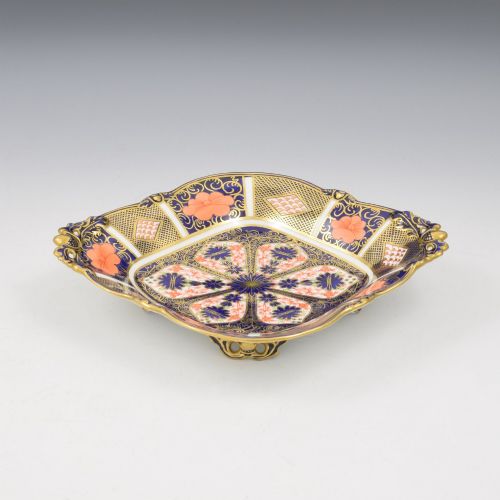
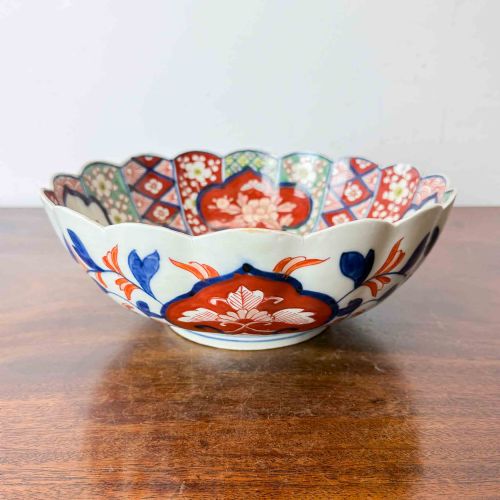


Vintage Japanese China Dish
These vintage japanese china dish items are decorative plates, bowls, and chargers originating largely from the nineteenth century and the period around nineteen hundred.
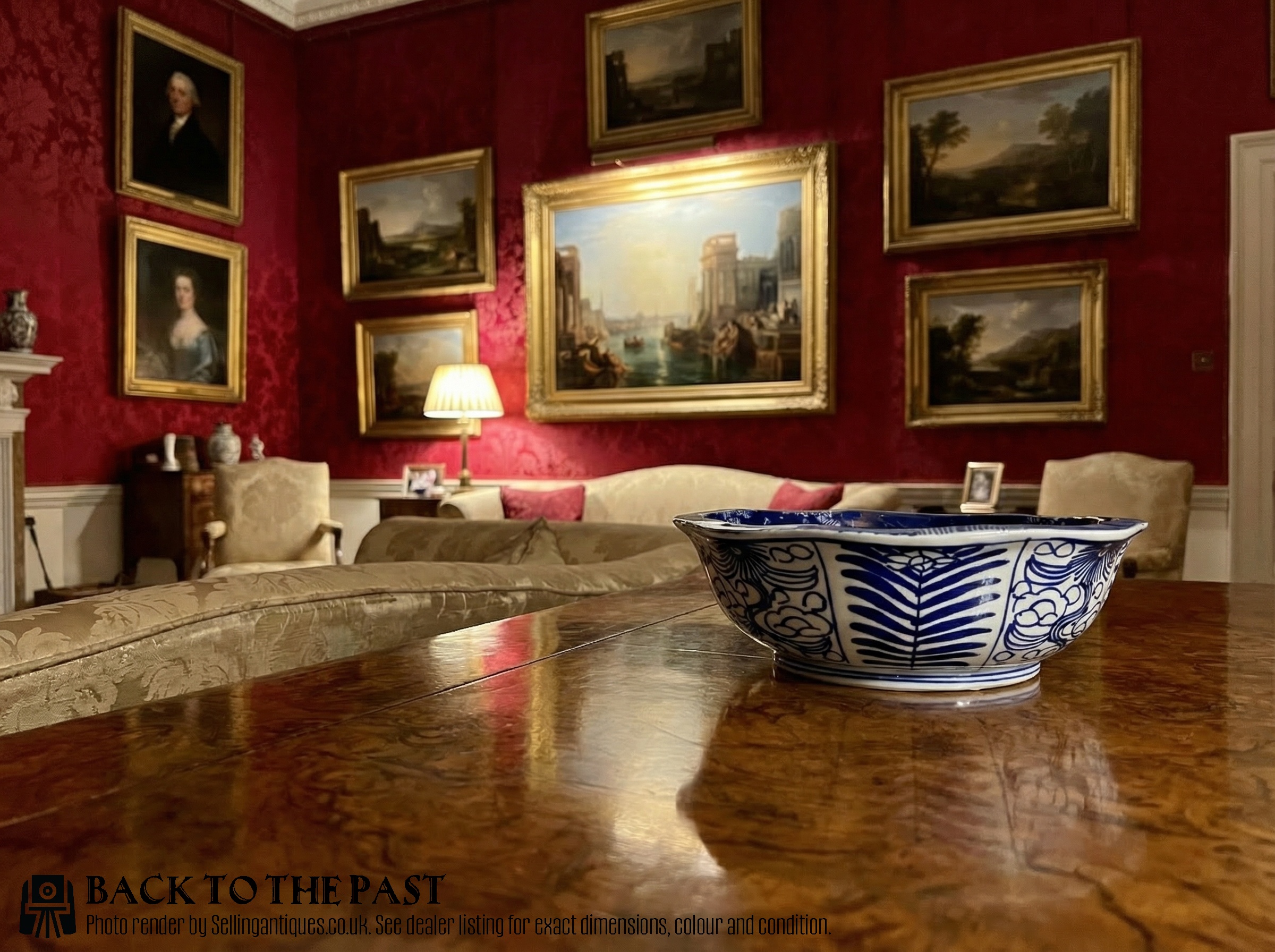
Vintage Japanese China Dish
A vintage japanese china dish encompasses decorative plates, bowls, chargers, and shaped dishes that reflect traditional Far Eastern aesthetics. You will encounter various plates and bowls displaying distinct patterns and forms across this selection.
The objects here include specific groups such as Imari plates, blue and white porcelain items, and ribbon plates. These pieces demonstrate the range of decorative tableware produced during the nineteenth century and the early twentieth century.
Many items originate from the Meiji period or nineteenth-century workshops, whilst others reflect European interpretations of traditional designs. This mix provides varied options for collectors interested in porcelain tableware.
How they were made
These items utilise porcelain, ceramic, and bone china as foundational bodies, shaped into bowls, plates, and trays. Artisans applied glaze to seal the ceramic body before adding detailed decoration.
Decoration often involves enamel and gold leaf or gilt highlights applied over or under the glaze. Certain pieces also incorporate wood elements alongside ceramic components in storage settings.
Listings span multiple materials including porcelain, bone china, enamel, gold leaf, and wood.
What varies in quality
Quality in these porcelain objects rests upon the precision of the hand-painted decoration and the crispness of the underglaze blue or enamel colours. Pieces with well-defined motifs and careful application of gold leaf stand apart from simpler commercial wares.
The weight, refinement of the porcelain body, and clarity of the glaze also distinguish finer examples. Superior items maintain integrity in their form and richness in their decorative palette.
Royal Crown Derby·Meissen
The Vintage Japanese China Dish Glossary
- Imari
- A style of Japanese porcelain decorated in underglaze blue, iron red, and gilt. It originated in Arita and became widely exported to Europe.
- Charger
- A large decorative plate intended for display rather than for serving food at the table. These substantial pieces often feature elaborate painted schemes.
- Meiji Period
- The era in Japanese history spanning from eighteen sixty-eight to nineteen twelve, noted for significant artistic production and export wares. Items from this time show distinct traditional motifs.
- Underglaze
- A method of decorating pottery in which pigments are applied to the ceramic body before the glaze is fired. This technique protects the painted design beneath a glossy vitreous layer.
- Arita
- A Japanese town famous for its long tradition of porcelain production. Kilns in this region created many of the blue and white and Imari wares found today.
Vintage Japanese China Dish: Frequently Asked Questions
How do I care for antique porcelain dishes?
Wash these pieces gently by hand using mild soap and lukewarm water. Avoid soaking items that incorporate delicate gold leaf or enamel.
Store plates and bowls securely on padded surfaces or in dedicated display cabinets to prevent edge chipping.
What is the difference between Imari and blue and white porcelain?
Imari wares utilise a distinctive palette combining underglaze blue with iron red and gold leaf highlights. This creates a rich, multi-coloured decorative surface.
Blue and white porcelain relies solely on cobalt blue pigment painted beneath the glaze, offering a simpler monochrome aesthetic.
Can I use these vintage dishes for serving food?
Many of these items were originally created as decorative plates, chargers, or display dishes rather than active tableware. Older glazes and enamels may not withstand modern culinary use or dishwasher heat.
It is generally advisable to treat antique porcelain as decorative art for the home.
How can I tell nineteenth-century pieces apart?
Examine the weight, the clarity of the glaze, and the hand-painting technique on the reverse as well as the front. Variations in blue tone and brushwork often indicate different kiln origins and periods.
Reference marks where present can also help identify the production era of Japanese and European workshops.