
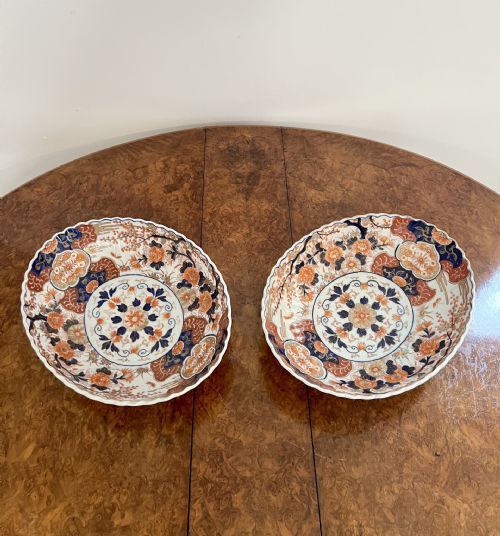


Japanese Serving Bowl
A Japanese antique serving bowl brings rich palette and historic form to the table, offering centuries of ceramic mastery for daily use or display.
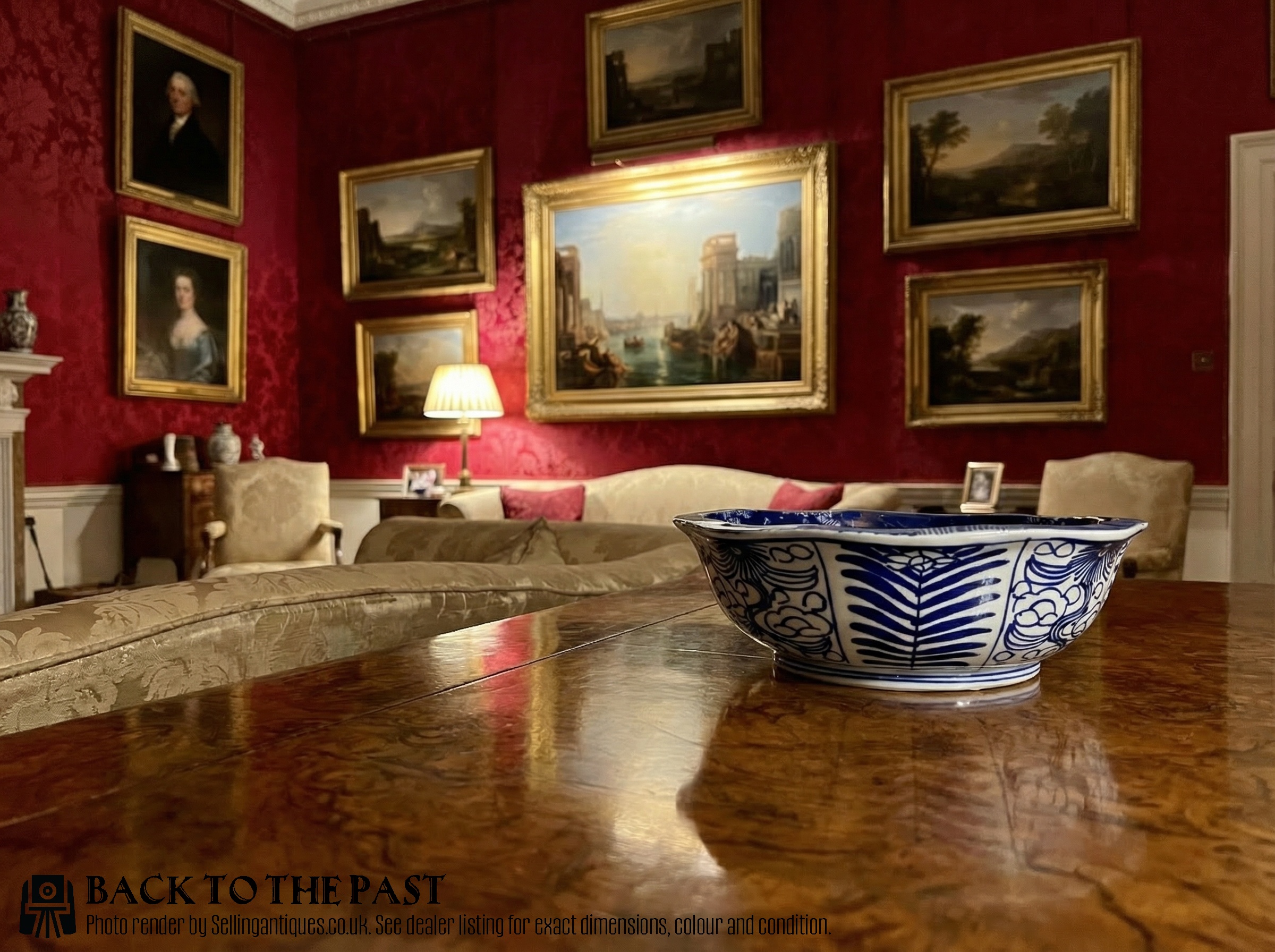
Japanese Serving Bowl
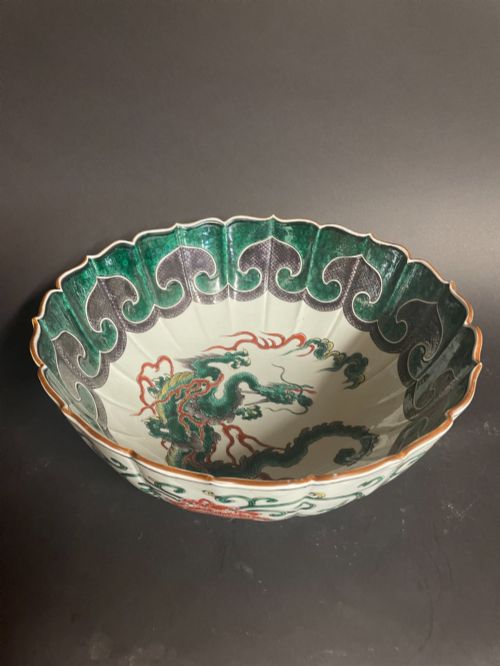
When you search for a Japanese antique serving bowl, you encounter vessels shaped from porcelain and ceramic across several historic periods. The selection spans the Edo period, the Meiji period, and the nineteenth century, reflecting centuries of Asian craftsmanship.
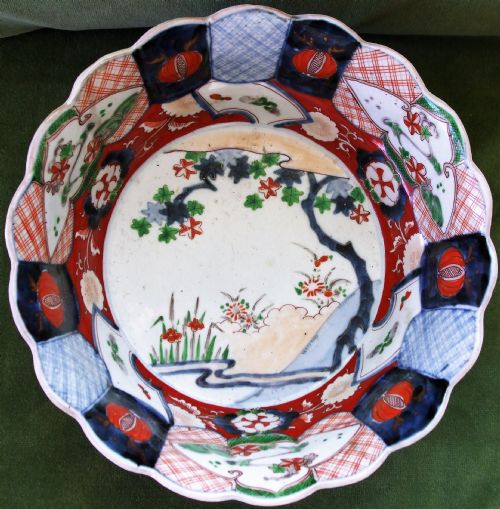
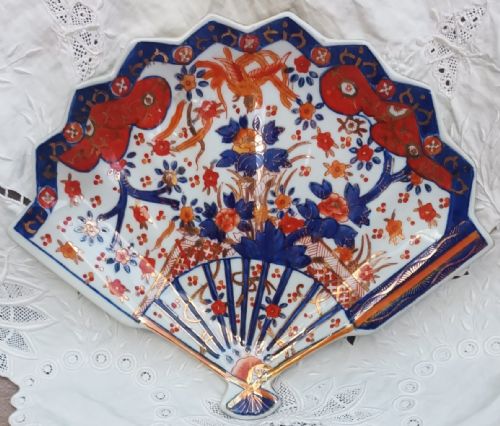
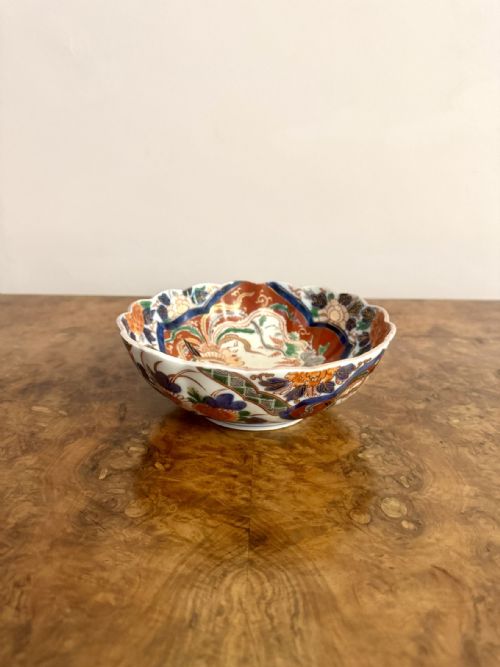
You meet forms ranging from simple round receptacles to scalloped edge bowls and boat shaped dishes. Many examples carry the characteristic patterns of Japanese Imari or blue and white porcelain.
The objects serve primarily as decorative bowls and dishes, alongside specialised forms like sweetmeat or bon-bon dishes. These pieces originate directly from Japanese kilns, though British design influence also appears.
How they were made
Potters shaped these vessels from porcelain and ceramic, utilising hand painted techniques to apply cobalt pigment and elaborate enamel decoration. Artisans often added celadon glaze and gilding to enrich the surface texture of the bowl.
Kiln workers fired the clay at high temperatures to achieve durable porcelain bodies. Metalworkers also contributed silver plate components for specific serving forms designed by European makers.
Listings feature porcelain and ceramic materials decorated with enamel, glaze, gilding, and cobalt pigment across the seventeenth through twentieth centuries.
What varies in quality
Quality rests in the precision of the hand painting and the complexity of the glaze work. Crisp application of cobalt blue and balanced placement of enamel distinguish finer vessels from standard production.
The refinement of the porcelain body and the crispness of shaped rims, such as scallop edges or boat profiles, separate exceptional examples from simpler wares.
Roberts and Belk
The Japanese Serving Bowl Glossary
- Imari
- A style of Japanese porcelain decorated in underglaze blue, iron red, and gold. This palette defines many traditional serving bowls.
- Meiji Period
- The era in Japanese history spanning from eighteen sixty-eight to nineteen twelve. Pieces from this time often show detailed hand painted ornamentation.
- Edo Period
- The period lasting from sixteen hundred and three to eighteen sixty-seven. Early porcelain forms frequently originate from these earlier years.
- Celadon
- A pale green jade-like glaze applied to ceramics. It creates a subtle translucent surface on the vessel.
- Cobalt Blue
- A deep blue pigment used for underglaze decoration. Painters apply this mineral oxide before the final glaze firing.
Japanese Serving Bowl: Frequently Asked Questions
What is a Japanese antique serving bowl used for?
These vessels function as practical tableware or decorative centerpieces within the home. Historic owners utilised them for presenting food or sweetmeats during gatherings.
Today, collectors display them on tables or sideboards to showcase historic ceramic artistry and traditional regional palettes.
How do I care for a porcelain bowl?
Wash the vessel gently by hand using mild soap and warm water. Avoid abrasive sponges that might damage the historic enamel or gilding.
Keep the piece away from sudden temperature changes and direct sunlight to preserve the original glaze.
How can I tell the period of a bowl?
Examine the materials, painting style, and form recorded in the title and description. Edo and Meiji pieces display distinct decorative characteristics unique to their respective decades.
Consult the recorded production dates to place the item within nineteenth-century or earlier traditions.