


Antique Asian Pottery Bowl
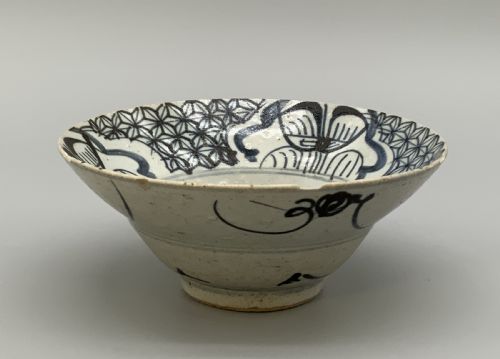
An antique asian pottery bowl brings centuries of East Asian craftsmanship to a room, offering tactile connection to dynastic and Meiji periods.
Antique Asian Pottery Bowl
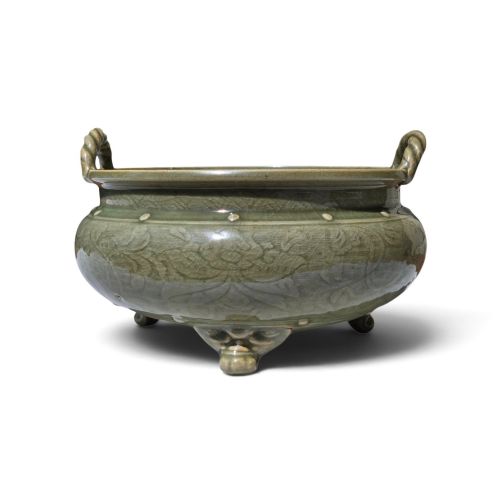
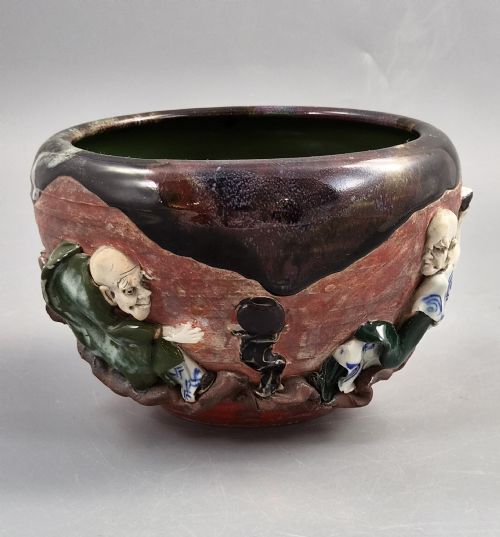
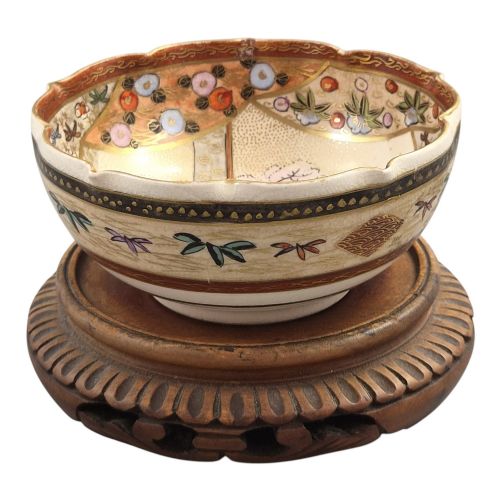
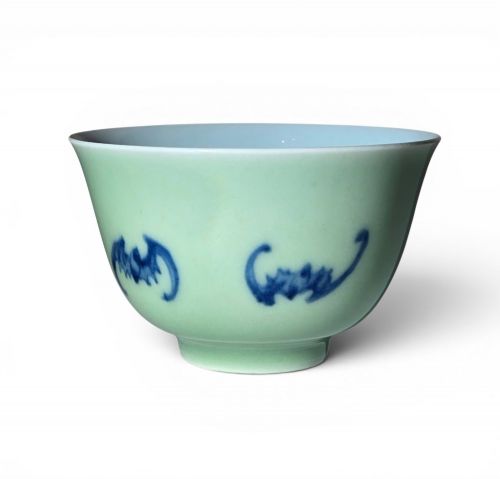
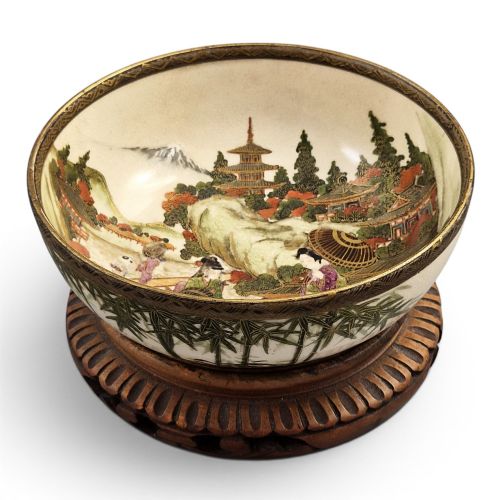
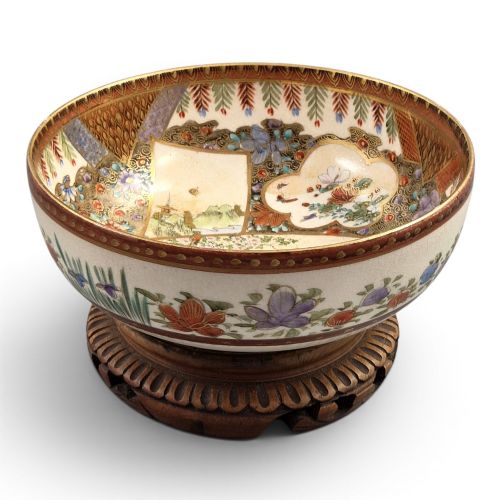
An antique asian pottery bowl encompasses forms ranging from early Chinese celadon censers to intricate Japanese Satsuma ware and blue and white porcelain.
The pieces on this page span multiple centuries, touching upon the Ming and Qing dynasties as well as the Meiji period.
Buyers encounter decorative bowls alongside specialised vessels like incense burners, cups, and lidded jars created across various Asian regional traditions.
How they were made
Potters shaped earthenware, ceramic, and porcelain bodies before applying specialised glazes such as cobalt underglaze, celadon, and qingbai.
Decoration often involved intricate enamel work, gold leaf application, and incised motifs depicting figures, flowers, birds, and phoenixes.
The listings span multiple centuries, featuring materials such as porcelain, earthenware, enamel, and gold leaf alongside cobalt underglaze.
What varies in quality
The distinction between standard items and exceptional pieces rests upon the precision of the throwing, the depth of the glaze, and the clarity of painted or incised details.
Signed studio pieces from recognised makers and specific periods demonstrate superior artistic control and refined finishing compared to anonymous regional wares.
Inoue Ryōsai·Gyokkō·Kozan·Kinkozan·Hododa·Shozan·Ryuzan
The Antique Asian Pottery Bowl Glossary
- Celadon
- A green jade-like glaze characteristic of various historic Chinese kilns. It results from iron oxide in the glaze interacting with a reduction kiln atmosphere.
- Satsuma
- Earthenware pottery originating from Satsuma province in Japan, typically featuring a finely crackled ivory glaze richly decorated with enamels and gilding.
- Meiji Period
- The era of Japanese history lasting from 1868 to 1912, noted for highly detailed decorative arts intended for export.
- Cobalt Underglaze
- A blue pigment applied to pottery vessels before glazing and firing, famously utilised in traditional Chinese blue and white porcelain.
- Ming Dynasty
- The ruling dynasty of China from 1368 to 1644, celebrated for advancements in porcelain production including celadon and blue and white wares.
Antique Asian Pottery Bowl: Frequently Asked Questions
How do I date an antique Asian bowl?
Dating relies on stylistic markers, material composition, and any associated reign marks or artist signatures present on the base.
Comparing the potting technique and glaze characteristics against known examples from periods like the Meiji era or Ming dynasty provides further chronological clarity.
What is Satsuma ware?
Satsuma ware is a type of Japanese earthenware recognised by its distinctive crackled cream glaze and elaborate polychrome enamel and gilt decoration.
These pieces were produced extensively during the nineteenth century, particularly for Western export markets, by studios in Kyoto and Yokohama.
How were these bowls used historically?
While many served purely decorative functions in domestic interiors, others were utilised for tea ceremonies, food service, or as incense burners.
Larger vessels often acted as centrepieces or storage jars within affluent households and temples across Asia.
How should I display my bowl?
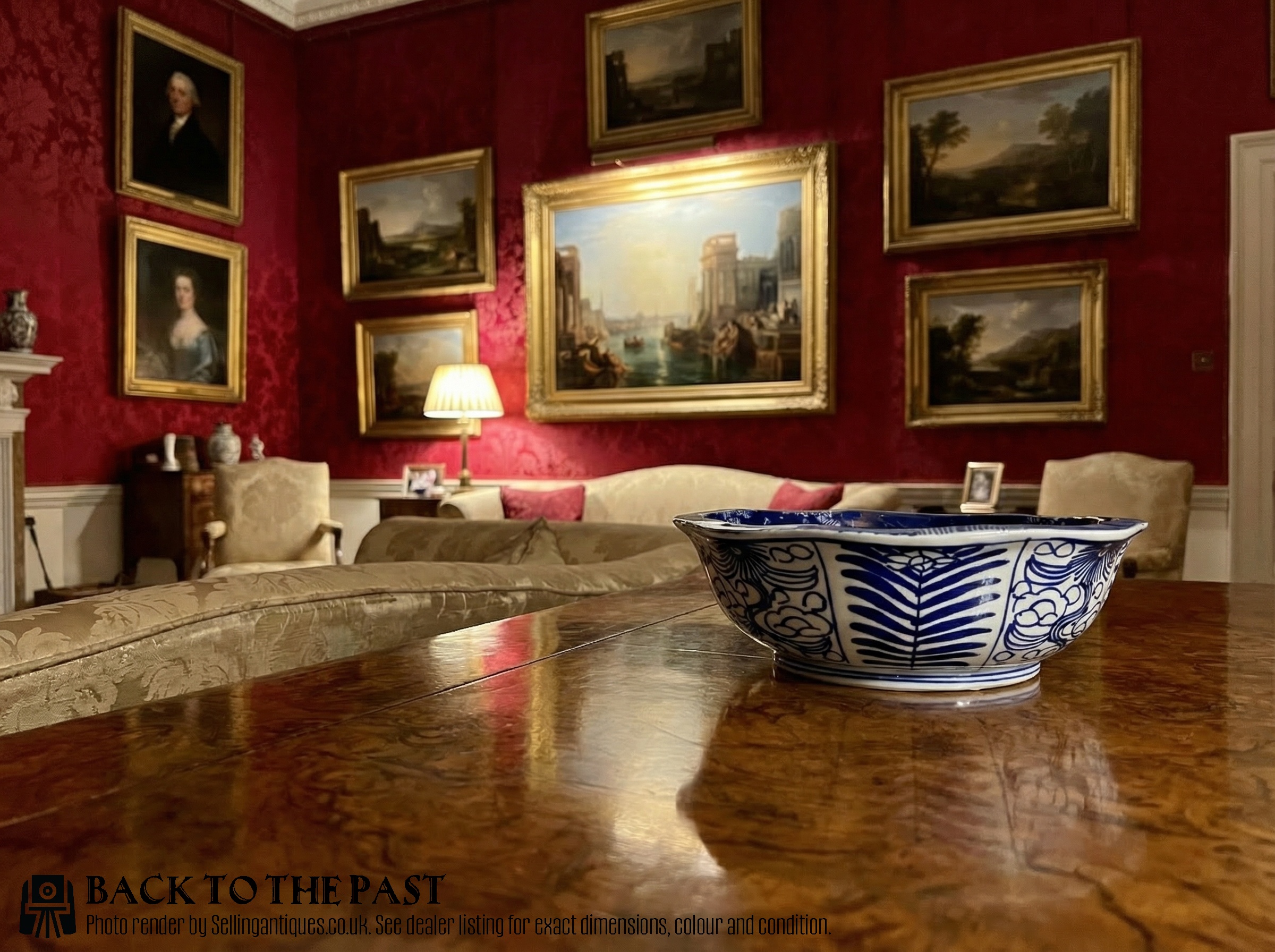
Display these ceramics on stable surfaces away from direct sunlight and heavy foot traffic to protect their delicate glazes and enamel details.
Using padded stands or enclosed cabinets ensures the piece remains secure while allowing its form and surface motifs to be appreciated.