

Vintage Hearth Irons
Vintage hearth irons bring substantial weight and dark metalwork to the fireplace, serving practical functions and anchoring period rooms.
Vintage Hearth Irons
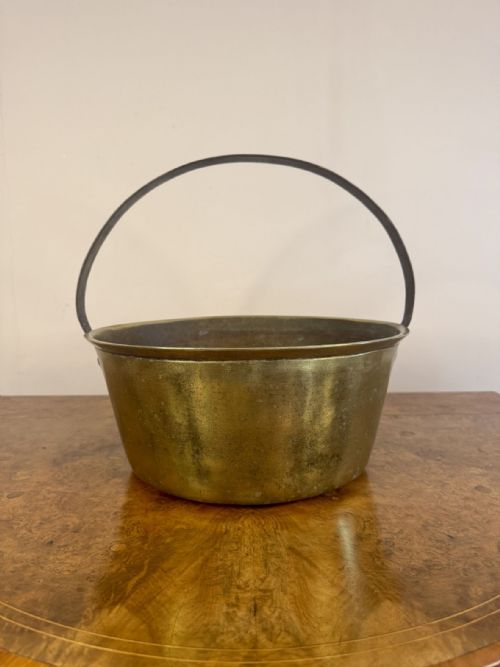
Vintage hearth irons encompass the heavy metal furnishings and accessories found around domestic fireplaces, spanning utilitarian items and decorative objects. When you search for vintage hearth irons, you encounter items designed to support logs, hold fireside tools, or reflect heat into the room.
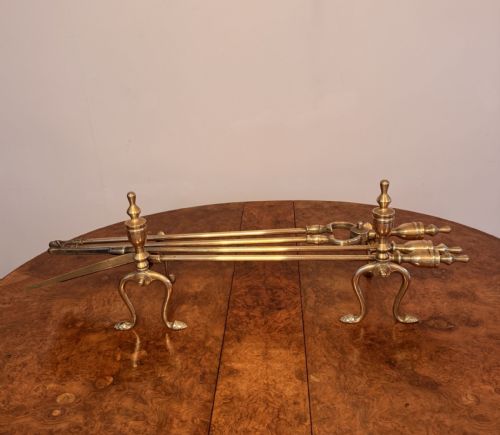
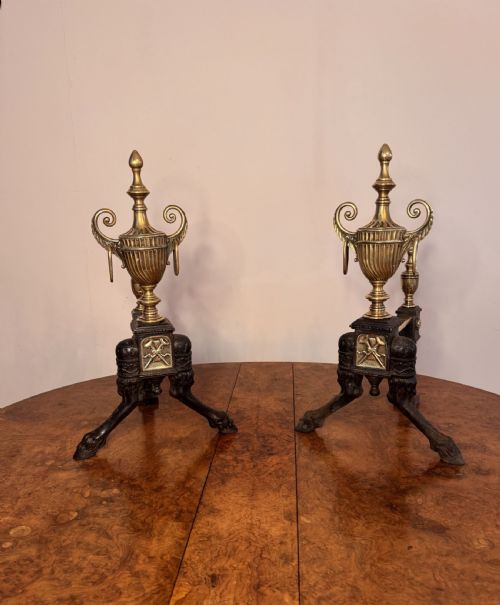
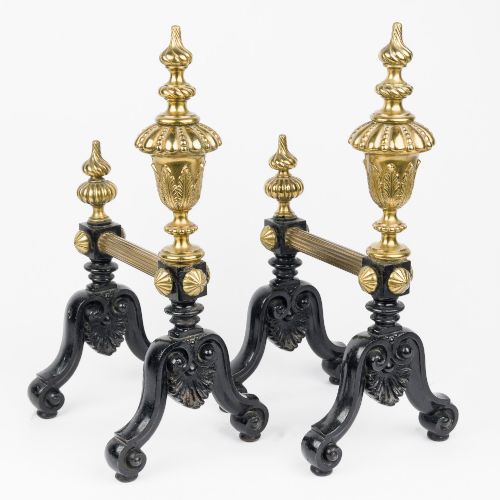
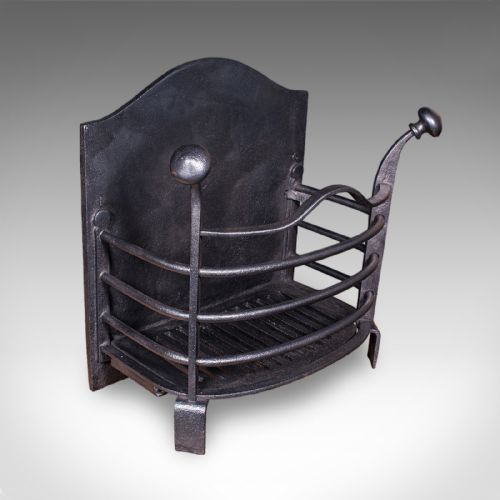
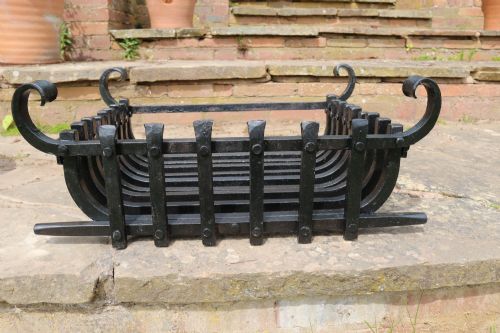
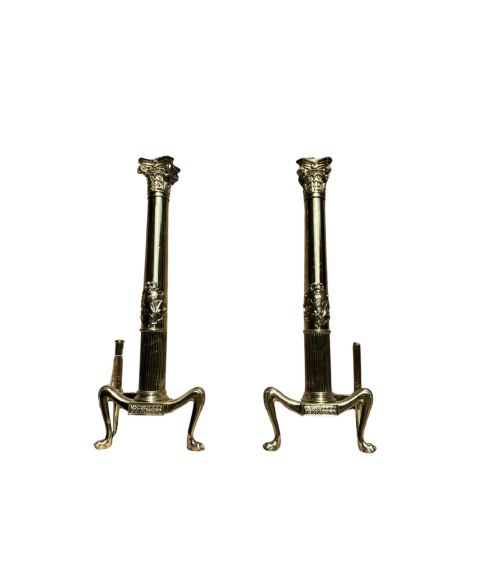
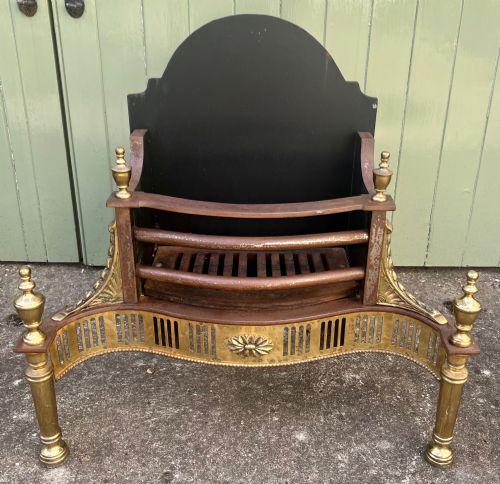
The selections on this page draw from periods ranging from the eighteenth century through the early twentieth century, alongside Victorian, Georgian, and Arts and Crafts styles. Most pieces you meet here take the form of fire dogs, andirons, fire baskets, and companion sets fashioned from iron, brass, and steel.
How they were made
Blacksmiths and founders shaped these pieces using wrought iron, cast iron, steel, and brass, often combining materials within a single set. Wrought iron components show the marks of hand-forging, while cast iron elements rely on moulds to produce detailed surface relief.
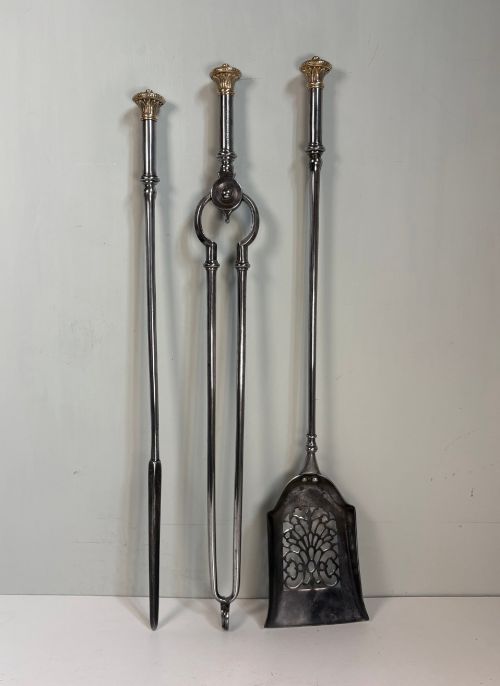
Makers integrated polished steel and bright brass for decorative accents, particularly on fire tools and andirons. Wood elements appear on handles and log bins, paired with metal bodies designed to withstand intense hearth temperatures.
Vintage Hearth Irons Retail Price Guide 2026
Typical asking prices for vintage hearth irons among the pieces listed under this phrase on Sellingantiques today, from the lower quarter to the upper quarter. They describe what is for sale here now, not the wider market.
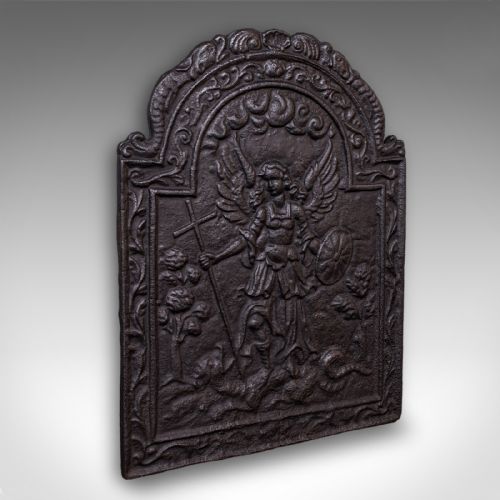
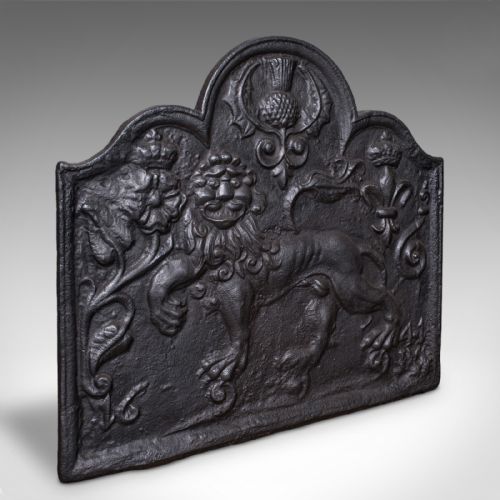
Cast iron fire backs occasionally feature heraldic lions or knights standing guard against soot.
What varies in quality
The distinction between ordinary and superior pieces rests on the weight of the metal and the integrity of the construction. Solid cast and hand-forged examples demonstrate substantial heft, whereas lesser items rely on thin sheet metals and hollow sections.
Fine craftsmanship shows in the crispness of decorative cast motifs and the careful alignment of companion sets and fire dogs. Proportion and balance separate workshop pieces from mass-produced foundry items.
The Vintage Hearth Irons Glossary
- Andirons
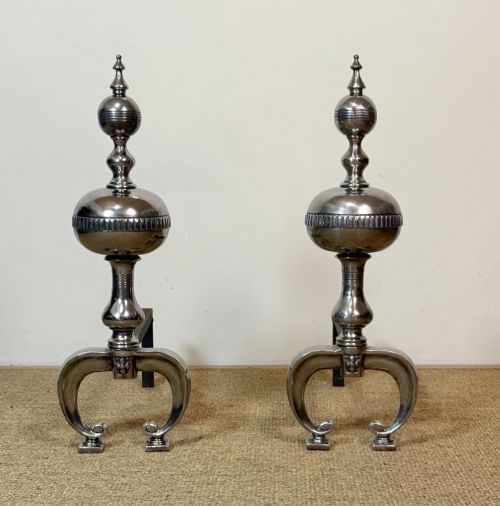
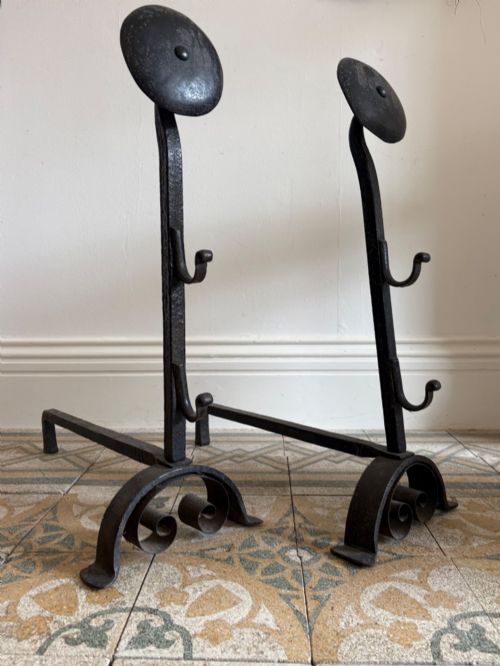
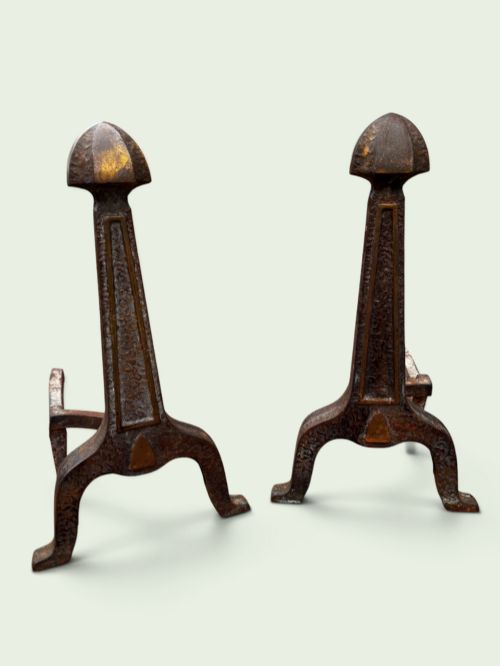
- Supports placed on hearths to hold logs above the floor for better airflow. These metal structures often feature decorative fronts.
- Fire back
- A heavy iron plate positioned at the back of a fireplace opening. It protects the masonry and radiates heat back into the room.
- Companion set
- A group of matching fireside tools held on a stand. Sets typically include tongs, a poker, a shovel, and a brush.
- Trammel hook
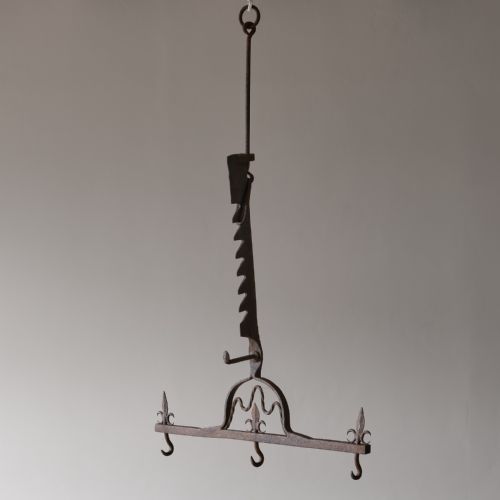
- An adjustable iron hook hung inside a chimney to suspend pots over the fire. These hand-forged devices allowed cooks to alter cooking heights.
- Fender
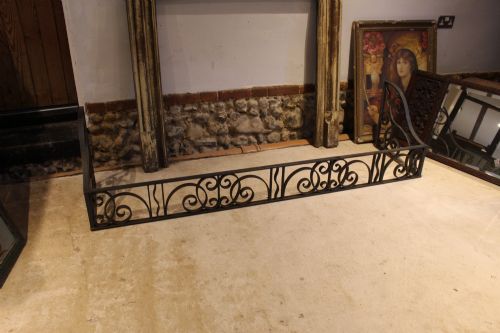
- A low metal guard placed around the hearth edge. Fenders prevent embers from rolling onto room flooring.
Vintage Hearth Irons: Frequently Asked Questions
What are vintage hearth irons used for?
These metal furnishings support wood fires, manage burning logs, and hold fireside tools. They organise the hearth area while providing functional utility.
Many pieces also serve decorative roles, framing the fireplace opening and adding period character to domestic rooms.
How do I date a set of fire irons?
Dating relies on material composition, manufacturing marks, and stylistic details associated with periods like the Georgian era or the Victorian age. Hand-forged surfaces point to earlier workshop production.
Standardised components and machine finishes typically indicate later nineteenth or early twentieth century manufacture.
Can I use antique fire dogs with an active fire?
Most solid iron and steel fire dogs handle regular fires without difficulty, provided the metal remains structurally sound. Wrought and cast varieties withstand high temperatures well.
Fragile decorative elements or hollow brass pieces require careful assessment before exposure to intense heat.
How do I clean cast iron hearth accessories?
Maintenance involves removing soot and ash with a soft brush and dry cloth without harsh chemical solvents. Light applications of protective oil help prevent oxidation on bare iron.
Polished steel and brass components respond well to appropriate metal polishes applied sparingly to preserve surface finishes.