




Cast Metal Fire Dogs
Cast metal fire dogs are heavy hearth supports you choose to anchor an open coal or wood fire with proper architectural weight.
Cast Metal Fire Dogs
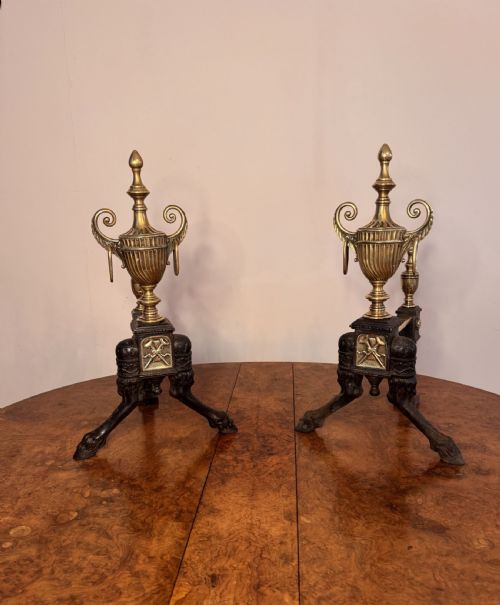
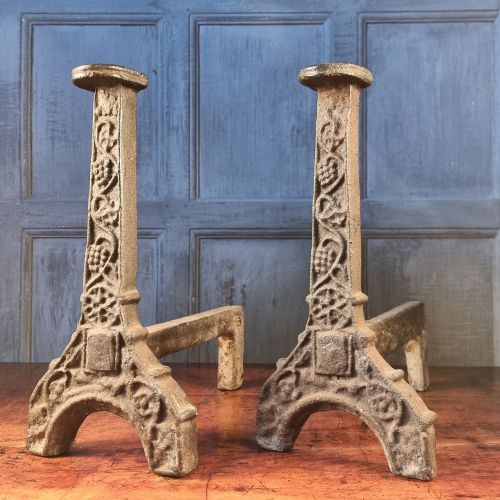
When you search for cast metal fire dogs, you find heavy utilitarian pairs designed to hold logs above the hearth base for better airflow. The selection ranges from robust nineteenth century examples to earlier Gothic forms.
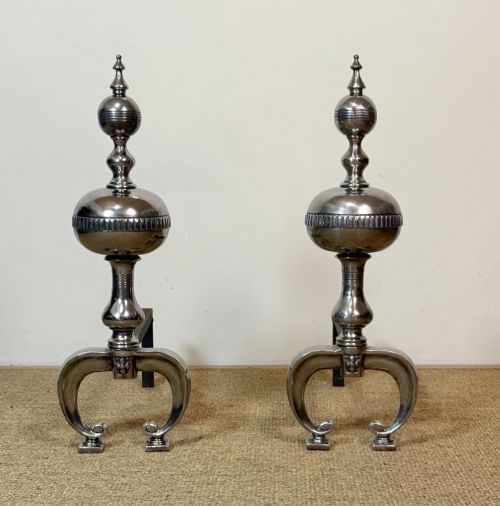
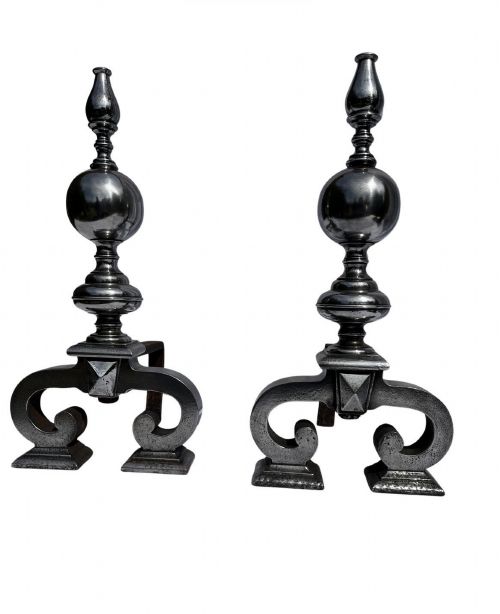
Victorian brass and iron pairs dominate the current offerings alongside polished steel and bronze variants. These fireplace accessories provide both the functional bridge for burning fuel and a decorative frame for the hearth.
Most items appear as matched pairs featuring distinct upright terminals designed to sit at the front of the fireplace opening. Their primary purpose remains supporting fuel while visually grounding the fireplace surround.
How they were made
Maker operations utilised brass, cast iron, steel, and bronze poured into moulds or beaten into shape. Metalworkers combined cast components with wrought iron shafts to ensure the structures could withstand high hearth temperatures.
Finishes range from highly polished steel and bright brass to dark cast iron. Artisans applied surface polishing to catch the flickering light of the open flame.
Cast Metal Fire Dogs Retail Price Guide 2026
Typical asking prices for cast metal fire dogs among the pieces listed under this phrase on Sellingantiques today, from the lower quarter to the upper quarter. They describe what is for sale here now, not the wider market.
Current listings span periods from the sixteenth century through the nineteenth and early twentieth centuries, utilising brass, cast iron, steel, and bronze.
What varies in quality
Quality rests in the crispness of the casting and the substantial weight of the metal used. Finer pairs display sharply defined ornamentation rather than soft, muddy surface details.
The choice of materials also dictates distinction, with monumental bronze and polished steel specimens showing greater ambition than simple utility castings.
The Cast Metal Fire Dogs Glossary
- Fire dogs
- Support irons placed in a hearth to hold logs above the floor. They prevent wood from smothering itself in ash.
- Andirons
- An alternative term for fire dogs featuring a horizontal billet bar and an upright decorative front. They form the primary metal furniture of an open fireplace.
- Fender
- A low metal guard placed on the hearth floor before the fire dogs. It stops burning embers from rolling onto the carpet.
- Gothic Revival
- A nineteenth century design style copying medieval architectural motifs. Pieces in this manner display pointed arches and heavy ecclesiastical proportions.
Cast Metal Fire Dogs: Frequently Asked Questions
What do fire dogs actually do?
Fire dogs sit inside the hearth opening to hold logs off the floor of the fireplace. This elevation allows air to circulate underneath the fuel for a cleaner burn.
They also prevent rolling logs from spilling out onto the room floor. Their decorative front pillars remain visible even when the fire is unlit.
How do I tell Victorian pairs apart from older ones?
Nineteenth century pairs often exhibit bright polished brass or crisp cast iron detailing associated with industrial production methods. Makers frequently turned to Gothic or neoclassical revival styles during this era.
Earlier sixteenth century examples display heavier forged construction with simpler, medieval forms. Examining the surface finish and metal texture helps determine the approximate age.
Can I use antique fire dogs with a modern fire?
These robust metal supports function well in working hearths provided the scale matches your fireplace opening. Ensure the weight and depth suit your basket or grate arrangement.
Many collectors also place them in disused fireplaces purely for visual effect. Their solid construction easily handles standard wood or coal loads.
What is the difference between fire dogs and fenders?
Fire dogs are the upright supports that hold the fuel inside the hearth. Fenders are separate low guards that sit around the perimeter of the hearth floor.
Some period fireplace suites combine both accessories in matching metals. You can use fire dogs independently or pair them with a matching fender.