
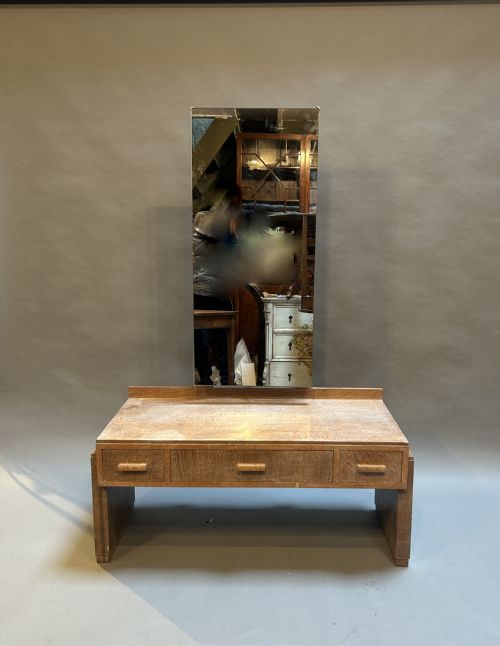


Vintage Heals Furniture
Vintage heals furniture brings honest craftsmanship and clean modernist lines into a room, spanning the Arts and Crafts movement through to Art Deco.
Vintage Heals Furniture
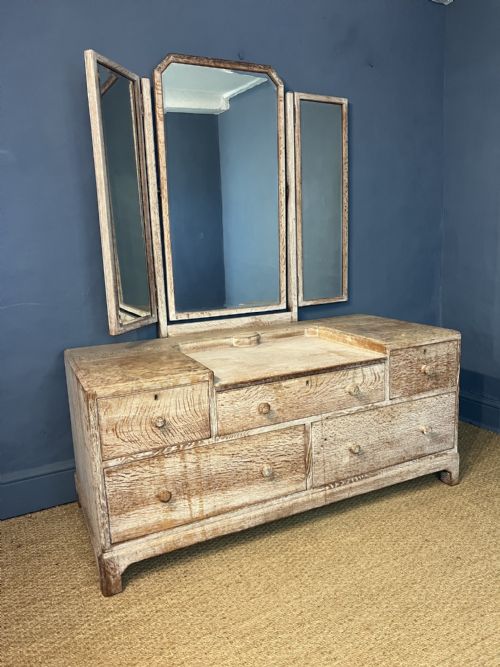
When you search for vintage heals furniture, you encounter practical domestic pieces spanning the nineteenth century to the middle of the twentieth century. The selection leans heavily towards the 1920s and 1930s, reflecting the firm's output during the Art Deco period and the continued popularity of limed oak finishes.
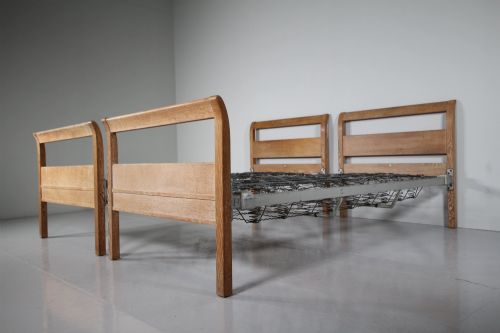
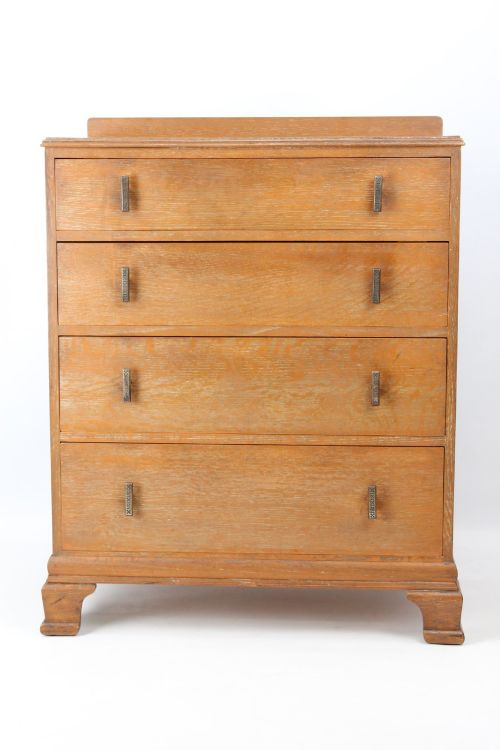
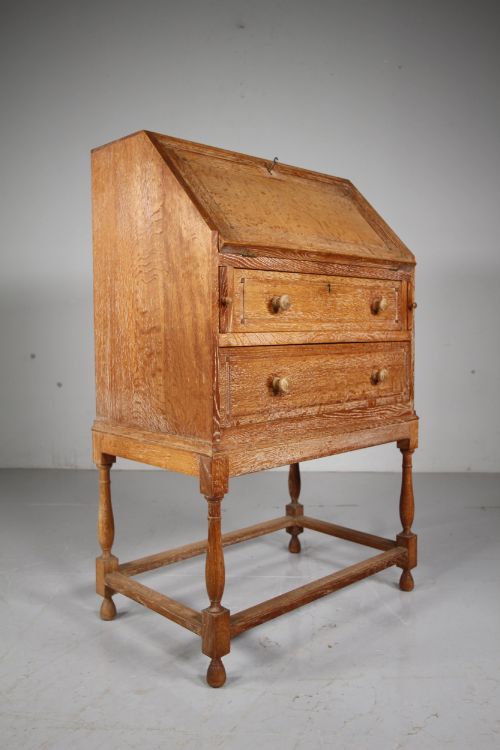
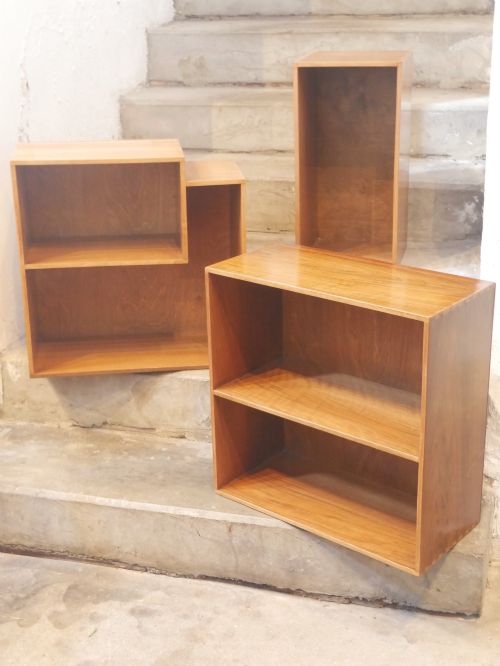
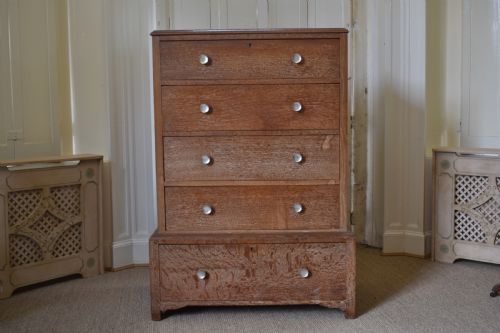
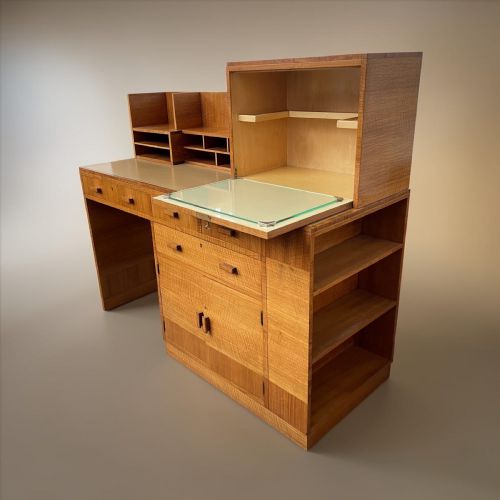
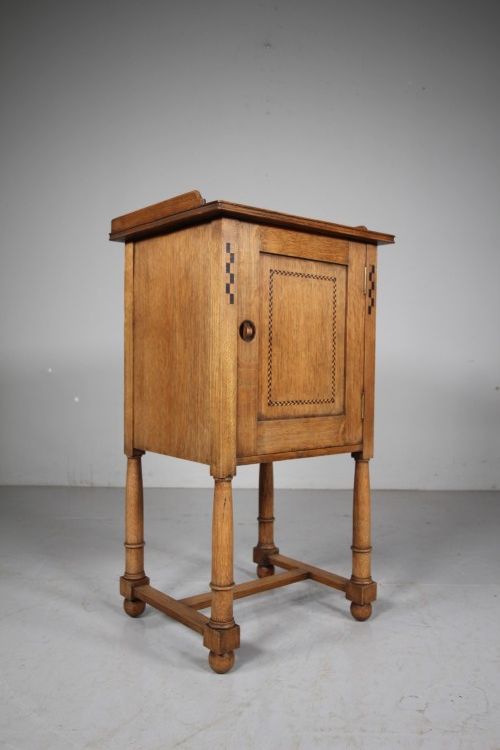
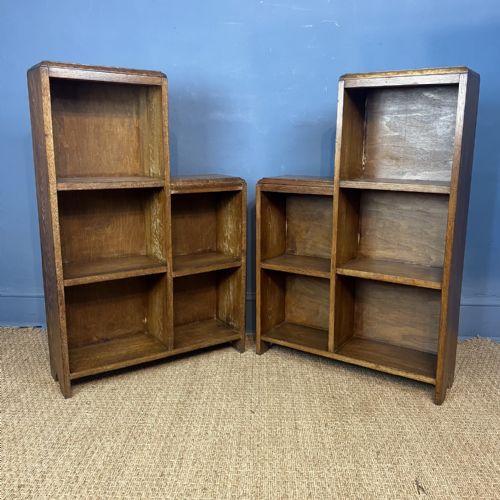
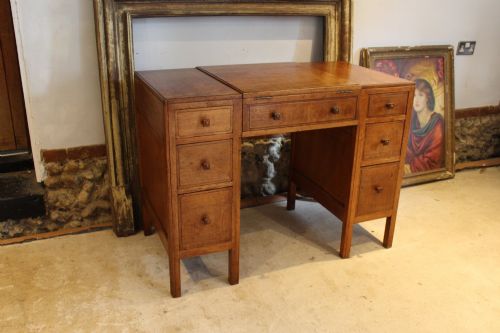
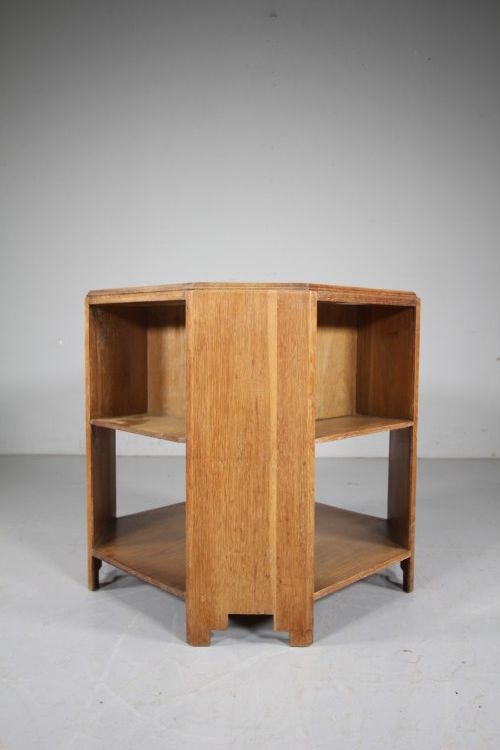
Forms range from large bedroom suites, wardrobes, and chests of drawers to smaller functional items such as bookcases, side tables, desks, and single beds. Many examples originate from Heal and Son or carry attribution to the London maker, often featuring maker's labels or stamps embedded within the timber.
Alongside pieces securely attributed to the maker, the selection includes items described in the style of Heal's or manufactured by contemporary workshops. These alternative pieces share the architectural simplicity and functional integrity that defined the firm's retail catalogue during the Edwardian era and interwar years.
Assessing quality and authenticity
Quality rests upon the integrity of the timber, the retention of original maker's labels, and the crispness of the joinery. Pieces that retain their factory marks command greater attention from collectors seeking documented provenance.
Surface treatments also dictate worth, with original limed oak or polished walnut finishes showing superior desirability compared to later alterations or heavy refinishing. The presence of matching bedroom suite components elevates the standing of individual wardrobes and dressing chests.
Vintage Heals Furniture Retail Price Guide 2026
Typical asking prices for vintage heals furniture among the pieces listed under this phrase on Sellingantiques today, from the lower quarter to the upper quarter. They describe what is for sale here now, not the wider market.
A solitary Victorian rattan caned rocking crib proves that even grown-up modernist retailers once catered to very junior occupants.
Heals of London·Heal and Son
The Vintage Heals Furniture Glossary
- Limed oak
- A wood finishing technique that creates a pale, whitened grain effect on oak timber. This finish gained immense popularity in 1930s modernist furniture design.
- Quartered oak
- Timber sawn radially from the log to expose the medullary rays in the grain. This method produces a decorative figure and structural stability.
- Bentwood
- Wood softened by steam or moisture and bent into curved shapes. It appears frequently in chair frames and structural details.
- Refectory table
- A long dining table traditionally used in communal halls. Examples retailed by London makers adopt sturdy timber construction suitable for domestic use.
- Tallboy
- A tall chest of drawers standing higher than a standard chest. It offers substantial vertical storage capacity with a compact floor footprint.
Vintage Heals Furniture: Frequently Asked Questions
How do I spot a genuine piece?
Look for paper labels, inset metal plaques, or drawer stamps bearing the maker's name. Construction methods should match the clean, unpretentious standards associated with the London retailer.
Examine the timber quality and interior secondary woods, as these provide additional clues regarding the manufacturing period and workshop origin.
How do I care for my items?
Maintain timber surfaces by applying natural beeswax sparingly and buffing with a soft cloth. Keep pieces away from direct heat sources and strong sunlight to prevent the wood from drying or fading.
Avoid using silicone-based polishes that can degrade historical finishes over time.
Are these pieces suitable for modern homes?
Their restrained proportions and functional designs allow them to integrate smoothly into contemporary living spaces. Wardrobes, desks, and bedside cabinets offer practical daily utility without dominating a room.
Mixing these items with modern decor creates a layered interior that highlights the enduring utility of early twentieth-century design.