


Vintage Glass Panel
Vintage glass panel works bring colour and light into a room, spanning Edwardian shop windows and Art Deco mirrors.
Vintage Glass Panel
When you search for vintage glass panel, you find architectural elements, wall mirrors, shop signs, and decorative screens made from glass framed in wood or metal.
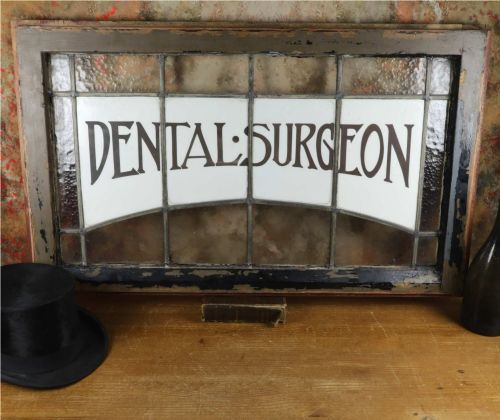
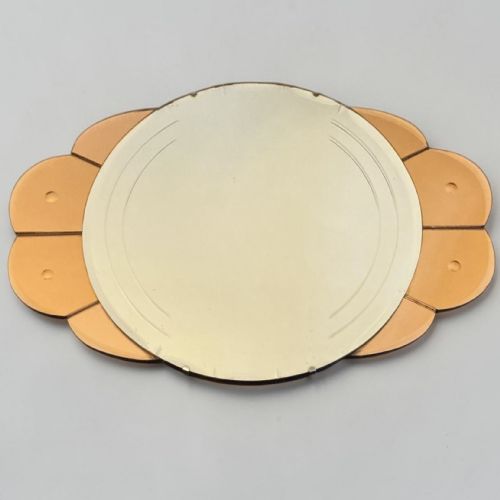
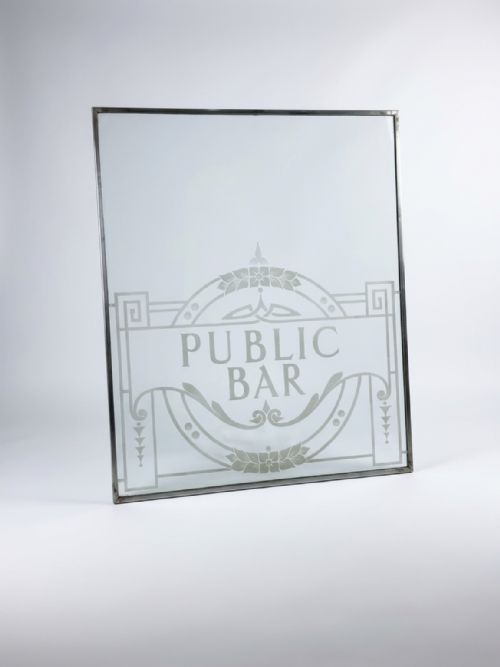
The selections on this page range from Victorian etched pub windows and Edwardian trade signs to Art Deco bevelled mirrors with coloured sections.
Many items derive from commercial or domestic settings, including leaded windows with hand-painted scenes and reverse-painted shop displays.
Materials and construction methods
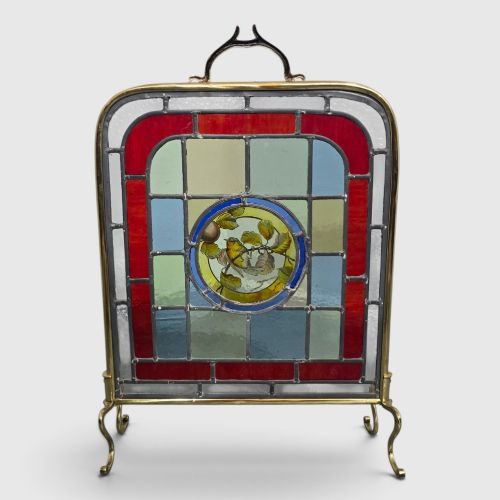
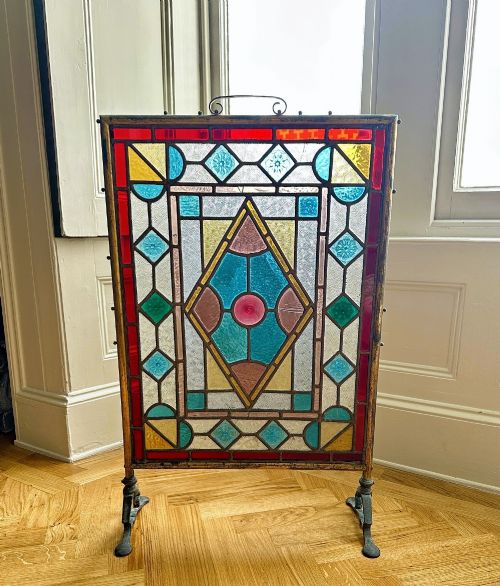
Makers utilised sheet glass, lead cames, and brass or oak frames to construct windows, firescreens, and architectural salvage pieces.
Techniques include acid etching, hand painting, leaded assembly, and reverse glass painting, paired with wooden cabinetry or metal stands.
Differences in finish and execution
The standard of a vintage glass panel depends on the complexity of the painted or etched imagery and the integrity of the leadwork and framing.
Pieces featuring detailed hand-painted countryside scenes or multi-coloured Art Deco glass segments stand apart from simpler utilitarian glazing.
The Vintage Glass Panel Glossary
- Came
- A grooved strip of lead used to hold pieces of glass together in a window or panel. These strips form the structural grid of stained or leaded glass works.
- Etched glass
- Glass treated with acid to create opaque patterns or lettering. This technique appears frequently on Victorian pub windows and trade signs.
- Reverse glass painting
- An artwork painted on the back side of a piece of glass to be viewed from the front. This method protects the pigment and produces a glossy finish.
- Leaded glass
- Individual panes of glass joined together by lead cames. It forms the basis of many windows and decorative screens from the nineteenth and twentieth centuries.
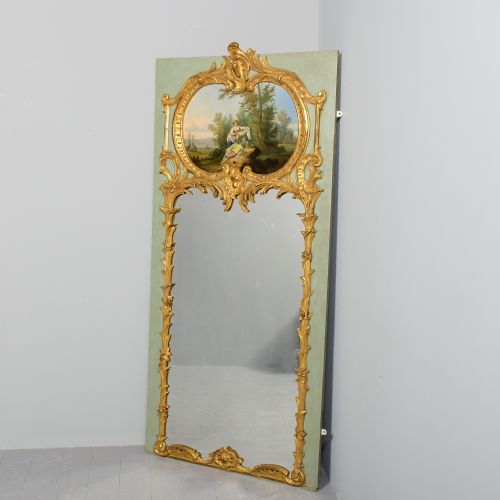
- Trumeau mirror
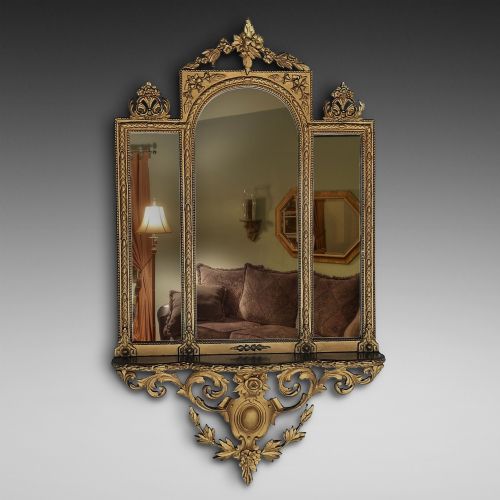
- A decorative wall mirror fitted with a panel above or beside the glass, often painted or carved. Examples span the nineteenth and early twentieth centuries.
Vintage Glass Panel: Frequently Asked Questions
How were glass panels used originally?
Many glass panels served as trade signs, pub windows, or interior doors in commercial buildings during the Victorian and Edwardian eras. They provided privacy while allowing light to pass between spaces.
Others functioned as decorative firescreens or architectural salvage within domestic interiors, combining practical protection with artistic display.
How do I clean an antique glass panel?
Clean the glass surface gently with a soft cloth and a mild, ammonia-free solution to protect aged paint or foil. Avoid harsh scrubbing around lead cames or painted areas.
Inspect the frame material, whether oak, brass, or giltwood, and use appropriate cleaning methods suited to wood or metal without dampening vulnerable joints.
Are these panels suitable for exterior use?
Most antique glass panels are intended for interior display, interior partition walls, or secondary glazing behind protective exterior glass. Exposure to harsh weather can damage historic leadwork, paint, and wooden frames.
If placed near a window, ensure proper internal support is installed to bear the weight safely.
How can I date a glass panel?
Dating relies on stylistic clues such as lettering fonts, framing materials, and manufacturing techniques. Art Deco pieces often feature geometric symmetry and coloured segments, while Victorian items show heavy lead cames and etched floral motifs.
Examine the construction of the surrounding woodwork or metal stand for period-specific joinery and fixings.