
Antique Leaded Glass
When you search for antique leaded glass, you enter a world of architectural salvage and fitted cabinetry framed by soldered joints.
Antique Leaded Glass
When you search for antique leaded glass, you encounter everything from architectural panels and doors to large storage furniture. The pieces span the Victorian and Edwardian eras, stretching from the late nineteenth century into the early decades of the twentieth.
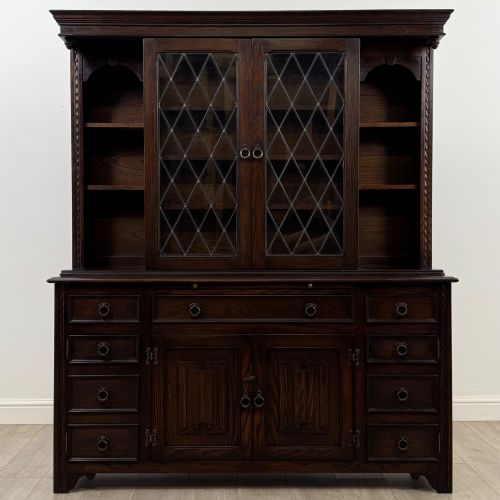
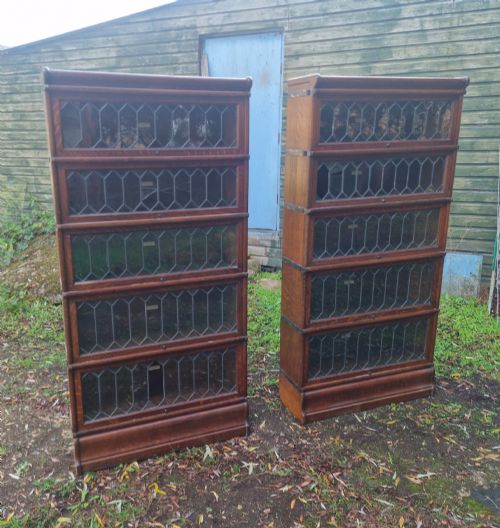
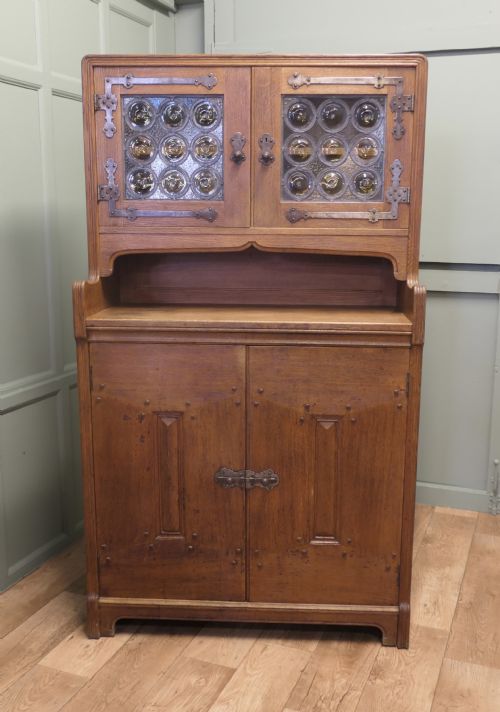
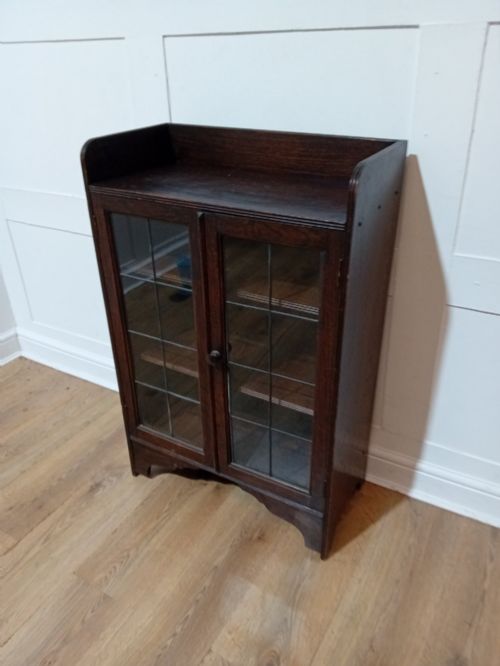
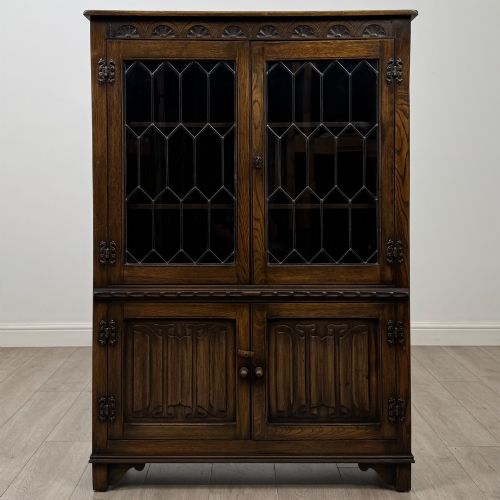
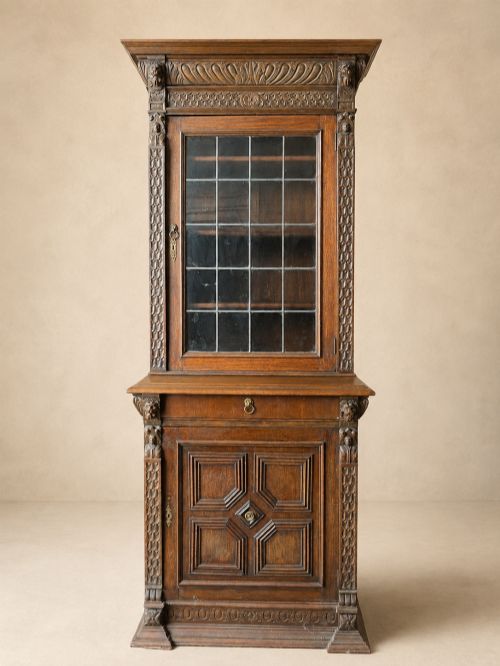
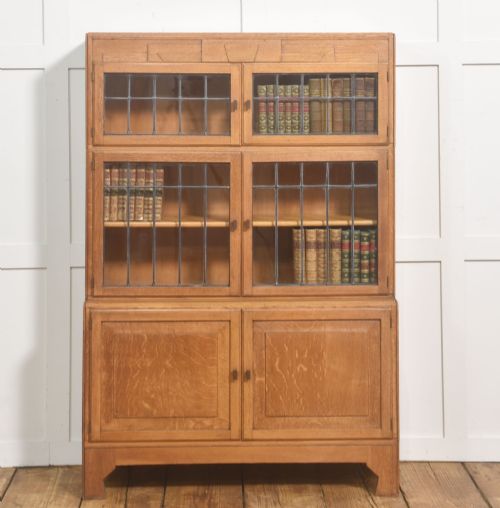
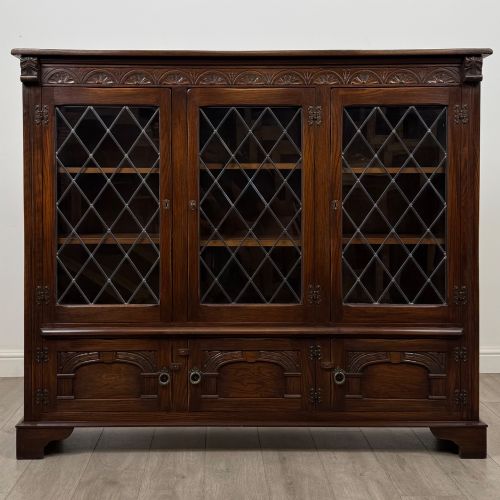
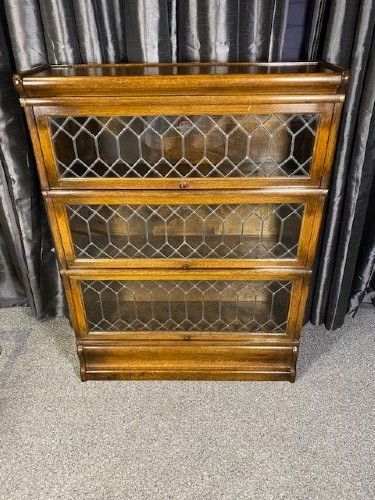
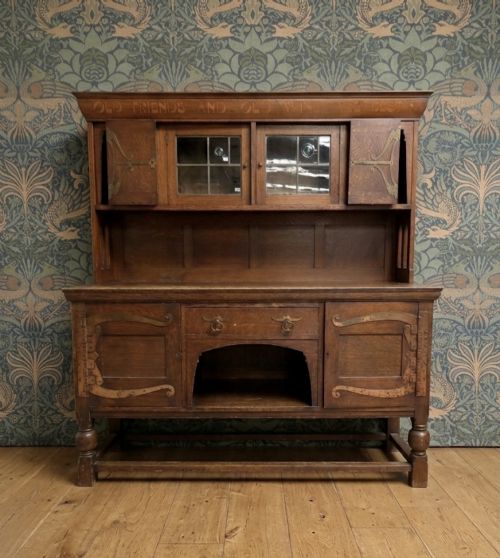
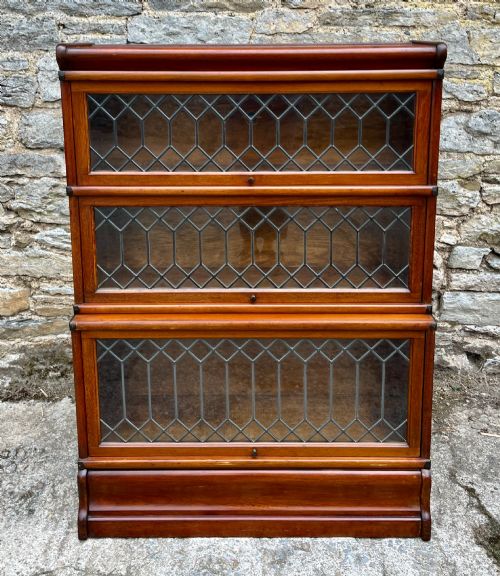
Display cabinets, sectional barrister bookcases, and sideboards form the backbone of the furniture selection on this page. These storage pieces predominantly utilise oak and mahogany, often featuring geometric or stylised glazing bars that hold the individual panes together.
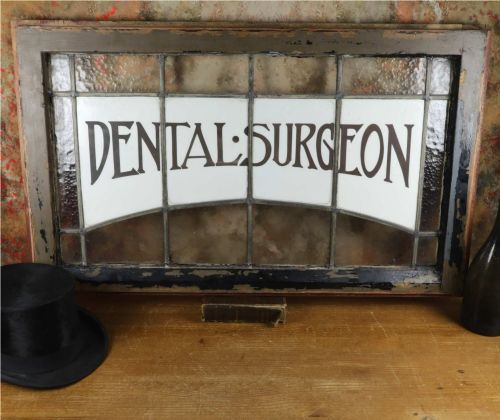
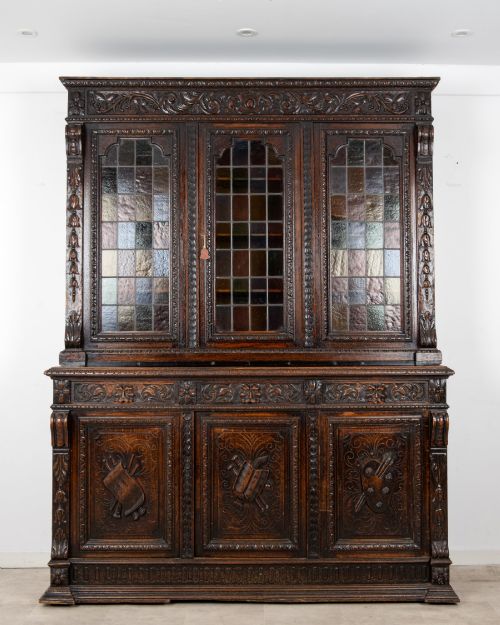
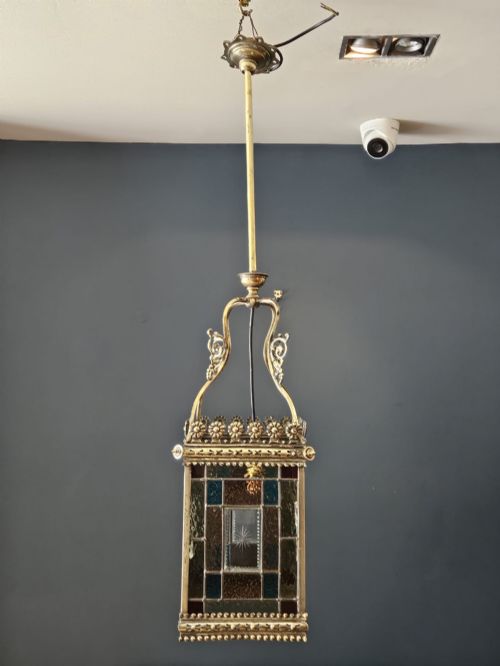
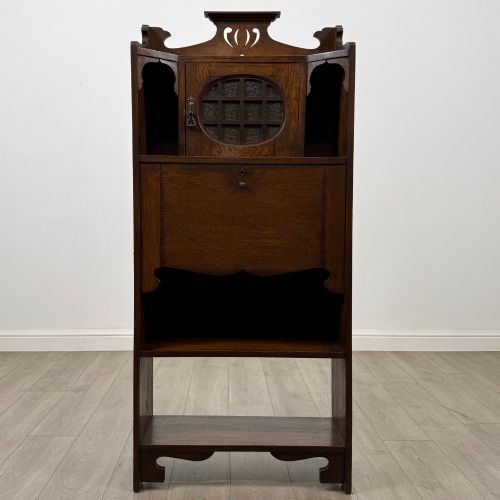
Beyond cabinetry, the selection includes architectural elements such as hanging lanterns, windows, and interior doors. These items frequently incorporate stained glass alongside clear leaded panels, reflecting the decorative tastes of the Arts and Crafts and Art Nouveau movements.
Materials and Technique
Makers constructed these pieces by securing individual panes of glass within flexible cames made of lead. Craftsmen then soldered the intersecting joints by hand, creating a sturdy matrix capable of supporting intricate geometric or figurative patterns.
Solid hardwoods such as oak and mahogany provide the structural framework for the cabinetry and doors. Brass and iron hardware, from hinges to hanging chains on ceiling lanterns, offer robust support while complementing the metallic grey of the lead work.
Listings feature oak and mahogany storage furniture, including sectional barrister bookcases and display cabinets fitted with leaded glass.
Design and Execution
The distinction between standard utility items and finer examples often rests on the complexity of the glass design and the execution of the woodwork. Superior pieces integrate bevelled panes, painted details, or coloured bullseyes that require advanced glass-working skill.
In cabinetry and sectional bookcases, the quality is evident in the selection of figured timber grains, such as golden oak or rich mahogany. Sound joinery and original brass fittings elevate a piece above simpler production runs of the period.
Globe Wernicke·Heal & Son·Liberty & Co.·Maple & Co.·Shapland and Petter
The Antique Leaded Glass Glossary
- Came
- The H-section lead strip used to hold individual pieces of glass together in a window or door panel. These strips are soldered at the joints to form a rigid network.
- Barrister bookcase
- A sectional wooden bookcase featuring stacking glazed doors that lift and slide inward above the shelf. These units often utilise leaded glass to showcase the collection within.
- Stained glass
- Glass that has been coloured by the addition of metallic salts during its manufacture, or painted and fired in a kiln. It frequently appears alongside leaded clear panes in Edwardian and Victorian designs.
- Architectural salvage
- Building components rescued from demolition or renovation, including doors, windows, and lanterns. These items retain their original leaded glazing and hardware.
- Bullseye
- A small, circular centre piece of blown glass with a thickened lump in the middle where the punty rod was attached. They add texture and colour variation to leaded window panels.
Antique Leaded Glass: Frequently Asked Questions
What is leaded glass?
Leaded glass consists of small panes held together by lead cames and soldered at the intersections. This technique allows makers to create intricate geometric or pictorial windows and cabinet doors.
Unlike stained glass, which refers specifically to coloured or painted material, leaded glass describes the construction method itself. Many surviving examples combine both clear and coloured glass within the same panel.
How do I date these pieces?
Dating relies heavily on the overarching style, timber choice, and construction methods. Victorian pieces often display heavier carvings and Gothic influences, whereas Edwardian and later examples lean towards lighter Arts and Crafts or Art Nouveau aesthetics.
Sectional bookcases and display cabinets also carry hardware clues, such as brass maker plaques and specific stacking mechanisms patented around the turn of the twentieth century.
How were barrister bookcases used?
Barrister bookcases were designed to protect professional libraries from dust and moisture using stacking compartments with retractable glass doors. The leaded panels allowed owners to view book titles while keeping the shelves enclosed.
Today, these modular oak and mahogany units serve as versatile display cases for books and decorative objects in domestic interiors.