


Painted Glass Window
When you search for a painted glass window, you uncover architectural panels that bring historic light, figurative hand-painted scenes and rich leaded glazing into modern interiors.
Painted Glass Window
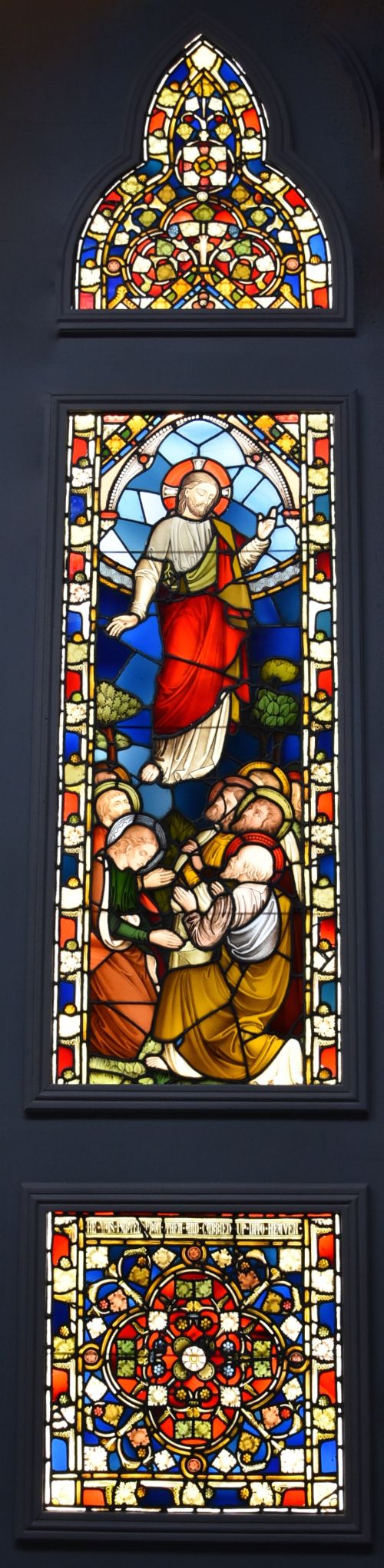
When searching for a painted glass window, buyers encounter architectural salvage and decorative panels originating predominantly from the Victorian, Edwardian and late nineteenth-century periods. These pieces range from domestic shop signage and residential transoms to large church triptychs and Gothic revival mirrors.
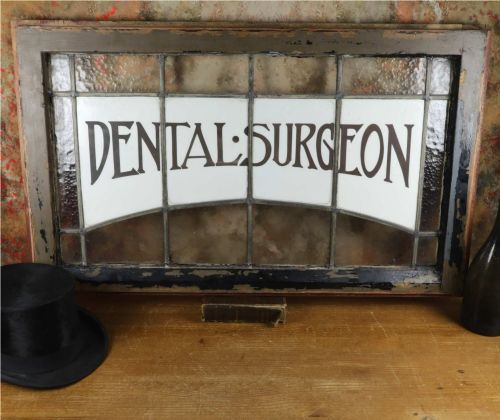
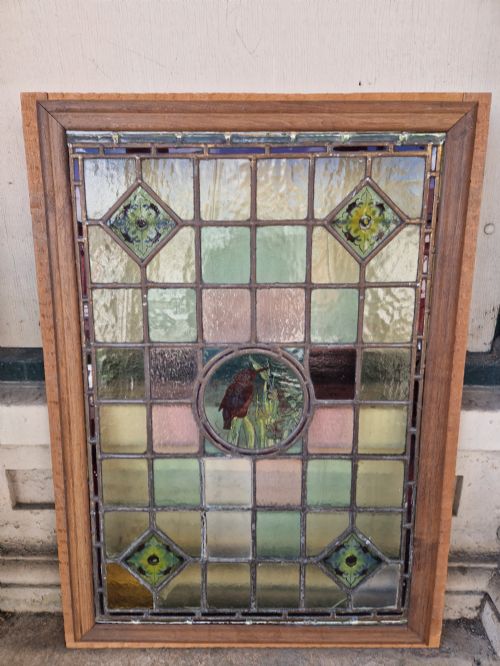
The most common iterations on this page feature hand-painted pictorial centres depicting birds, countryside scenes, fruit and floral designs embedded within leaded glass frameworks. Collectors also find specialised commercial items such as dental surgeon signs and tobacco shop panels.
Originating from British domestic and ecclesiastical settings, these architectural elements serve equally as wall-hung artworks or fitted window replacements. The historical styles span Arts and Crafts, Art Nouveau, Gothic Revival and Art Deco influences.
How They Were Made
The construction of a painted glass window relies on joining individual pieces of coloured or clear glass with flexible lead cames to form a rigid structural matrix. Artisans applied pigment directly onto the glass surface, often firing the panels in kilns to permanently bond the painted details before assembly.
Timber frames constructed from pine or standard wood frequently house these leaded and stained glass panels for architectural installation. Etching techniques were additionally employed alongside paint to create textural contrast and depth within the glass composition.
A painted knight in armour silently keeps watch among the flora, bringing an unexpected touch of medieval chivalry to the window glass.
What Varies in Quality
The distinction between tiers of quality rests heavily on the intricacy and artistic execution of the hand-painted imagery, such as detailed avian or landscape scenes versus simpler geometric bullseyes. Superior examples display refined brushwork and careful shading that elevate the panel beyond standard production.
The Painted Glass Window Glossary
- Lead cames
- Flexible grooved strips of lead used to hold individual pieces of glass together in a window panel. These metal channels form the structural grid that supports the entire pictorial design.
- Bullseyes
- Circular pieces of glass featuring a prominent central protrusion, formed during traditional glassblowing processes. They frequently appear as decorative accents alongside painted motifs in windows.
- Triptych
- A picture or relief carving on three panels, hinged or displayed together as a single composition. In architectural glass, this refers to large multi-panel church windows.
- Architectural salvage
- Building materials rescued from demolition or renovation for reuse in interior design. This category includes church windows, shop signs and domestic glass panels.
- Transom
- A horizontal structural beam or bar dividing a door from a window above it, often filled with decorative leaded glass. These fixtures provided natural light to interior hallways.
Painted Glass Window: Frequently Asked Questions
How are painted glass windows installed?
These panels can be hung directly on walls in front of light sources or fitted securely into existing interior window openings by professionals.
Securing the wooden or pine frames properly ensures the heavy leaded glass remains stable and supported.
Can these windows be used outdoors?
Most antique panels were designed for interior display or protected architectural settings rather than external weathering.
Exposing historic lead and painted glass to harsh outdoor elements requires specialist external secondary glazing for protection.
How do I date a glass window?
Dating relies on stylistic clues such as Arts and Crafts, Gothic Revival, or Art Deco design characteristics and framing materials.
Victorian and Edwardian pieces often incorporate specific maker techniques, amber bullseyes, and characteristic lead work typical of those decades.