


Decorative Glass Insert
A decorative glass insert brings colour and light into a room, taking the form of architectural salvage, windows, panels, and centrepieces.
Decorative Glass Insert
A decorative glass insert functions as a panel, window, or centrepiece designed to catch the light and alter the interior atmosphere of a room. When you search for a decorative glass insert, you find architectural elements originating from the nineteenth and twentieth centuries, spanning periods from Victorian and Edwardian to Art Nouveau and 1930s Dutch Folk Art.
The objects appearing on this page take several distinct forms, most notably stained glass windows, panels, architectural salvage, and gilt bronze centrepieces. You are likely to meet leaded glass windows featuring hand-painted scenes alongside framed stained glass panels.
Makers and creators utilised varied iconography, producing pieces decorated with countryside views, lakes, farmhouses, swans, and literary emblems like Shakespeare. Others display figural designs such as a Dutch boy and girl or exotic subjects like a parrot and fox.
How they were made
The construction of these pieces relies on glass, lead, and wood or timber frames, bringing together structural stability and translucent artistry. Artisans joined individual pieces of cut glass using lead cording to form intricate geometric or pictorial arrangements.
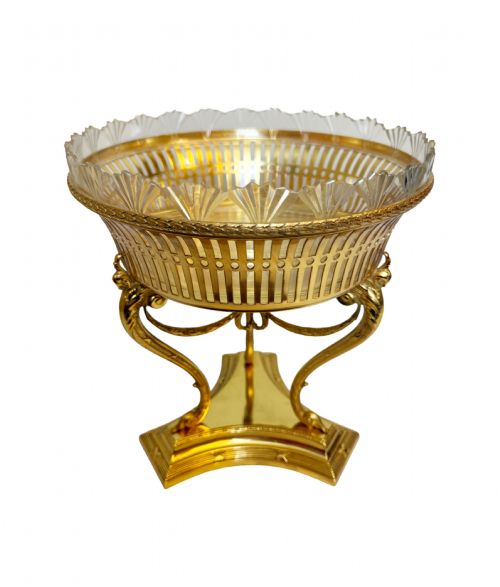
Many examples incorporate hand-painted and etched details directly onto the glass surface, depicting landscapes, figures, and animals with fine brushwork. In other categories, such as centrepieces, glass inserts sit securely within moulded gilt bronze mounts.
Surrounding timber structures, including pine wood, provide the necessary support for heavier architectural panels and windows intended for insertion into walls or doors.
A Dutch boy and girl share window space with hand-painted countrysides, lakes, swans, and a Shakespeare emblem.
What varies in quality
The distinction between a standard panel and an exceptional piece rests on the complexity and execution of the painted and etched imagery. Hand-painted scenes showing detailed countrysides, lakes, and wildlife demonstrate a higher level of artistic skill than repetitive geometric leads.
Material integration also dictates overall merit, particularly the weight and stability of the lead cording and the quality of the surrounding timber or gilt bronze frames. Intact leadwork and well-preserved paint pigments maintain the structural integrity and visual impact of the glass.
The Decorative Glass Insert Glossary
- Leaded glass
- Glass panels held together by strips of lead came, forming patterns or pictorial designs. This technique provides both the structural framework and the dark dividing lines characteristic of traditional windows.
- Architectural salvage
- Building components rescued from older structures for reuse in interior design or restoration. These pieces often include windows and panels removed during property alterations.
- Gilt bronze
- Metal objects cast in bronze and coated with a thin layer of gold or gold-coloured finish. This material frequently frames glass centrepieces from the nineteenth century.
- Etched glass
- Glass treated with acid, abrasives, or other agents to remove portions of the surface and create opaque designs. The process allows for detailed decorative motifs without the use of pigments.
- Centrepiece
- A decorative object placed in the middle of a table or room as a focal point. In this context, it refers to bronze framework holding a removable glass insert.
Decorative Glass Insert: Frequently Asked Questions
What is a decorative glass insert?
A decorative glass insert is an architectural or decorative panel made of glass, lead, and metal or wood. These pieces include windows, stained glass panels, and centrepieces designed for interior display.
Originating from the nineteenth and early twentieth centuries, they often feature hand-painted scenes, etched details, or figural subjects.
How do I install an architectural glass panel?
Architectural glass panels and windows require secure framing within interior walls, doors, or partitions to support their weight. Timber surrounds provide a sturdy mounting point for integration into existing structures.
Professional installation ensures that leaded joints and painted surfaces remain free from stress during placement.
How do I identify Edwardian glass?
Edwardian glass pieces date from the early twentieth century, typically around nineteen ten, and often reflect Arts and Crafts or Art Nouveau influences. They frequently utilise stained glass, leaded construction, and naturalistic motifs.
Examining the style of the frame and the subject matter helps distinguish this period from earlier Victorian or later nineteen thirties designs.
How do I care for antique painted glass?
Careful handling protects fragile painted surfaces and lead cording from physical damage. Cleaning requires gentle dusting and non-abrasive solutions to preserve hand-painted countryside scenes and etched details.
Keeping pieces away from direct structural stress prevents the lead came from bending or separating over time.