


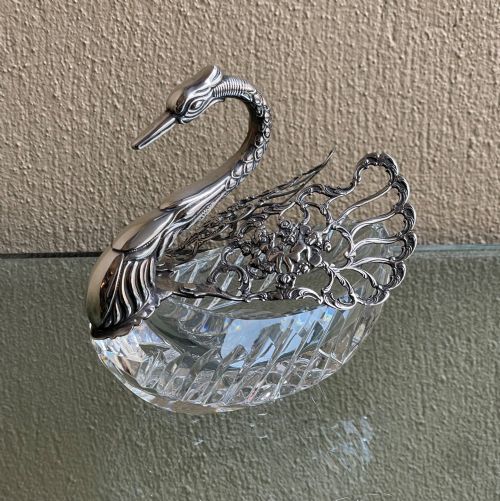

Vintage Glass Centrepiece Bowl
A vintage glass centrepiece bowl anchors a dining table or sideboard with presence, bringing light and colour through heavy pressed or cut forms.
Vintage Glass Centrepiece Bowl
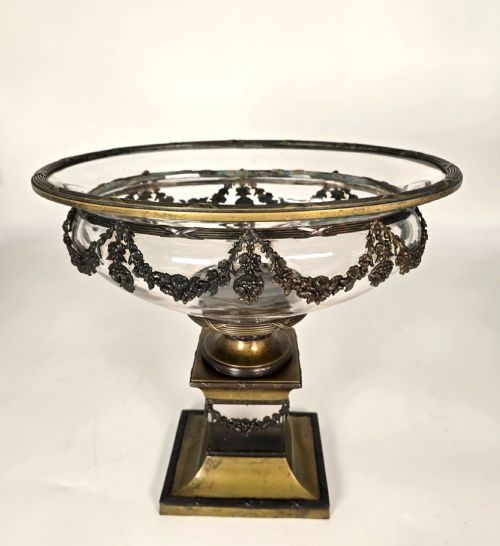
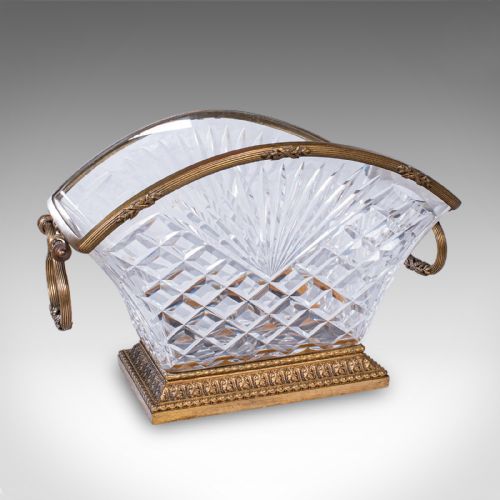
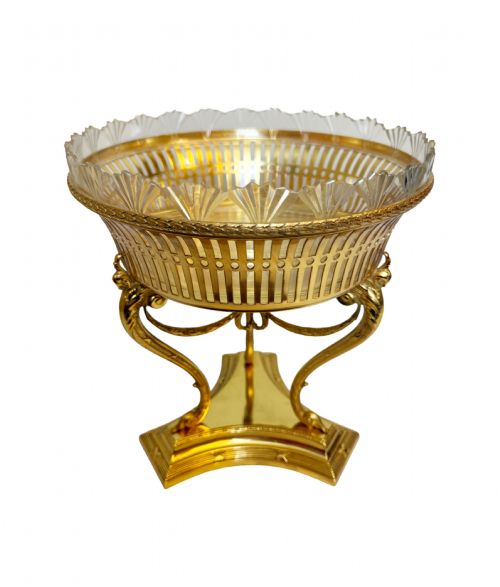
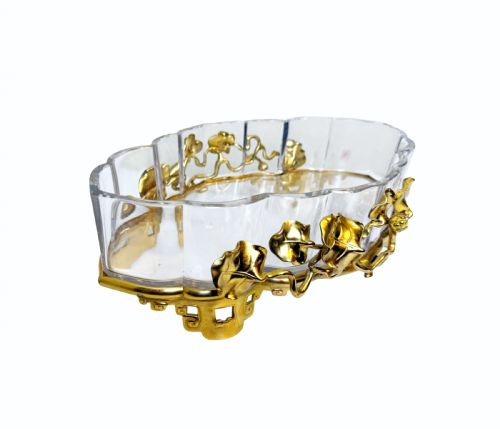
A vintage glass centrepiece bowl is a substantial decorative vessel designed to sit in the middle of a table, often pairing heavy lead crystal or opalescent glass with metal mounts in bronze, ormolu or silver.
These pieces emerge across the nineteenth and twentieth centuries, spanning periods from Victorian and Edwardian manufacturing through to Art Nouveau and Art Deco designs.
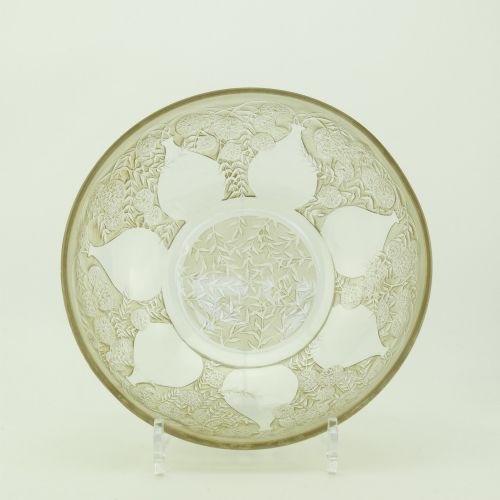
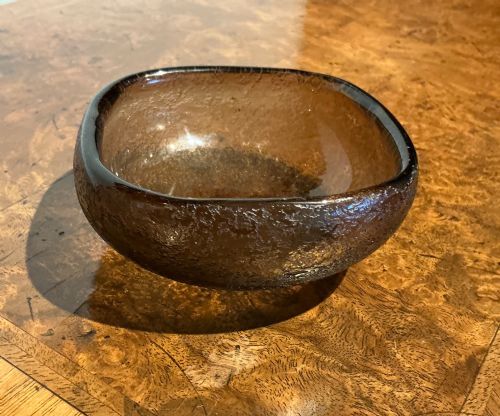
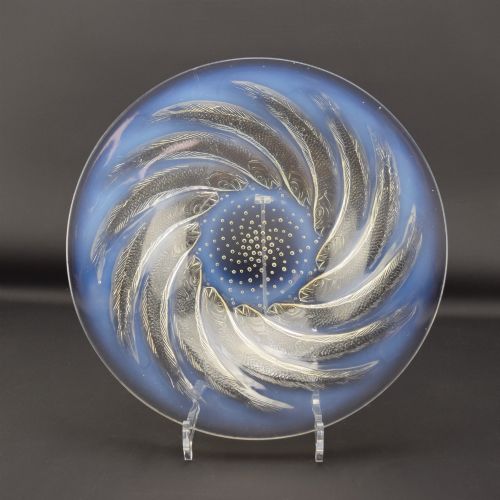
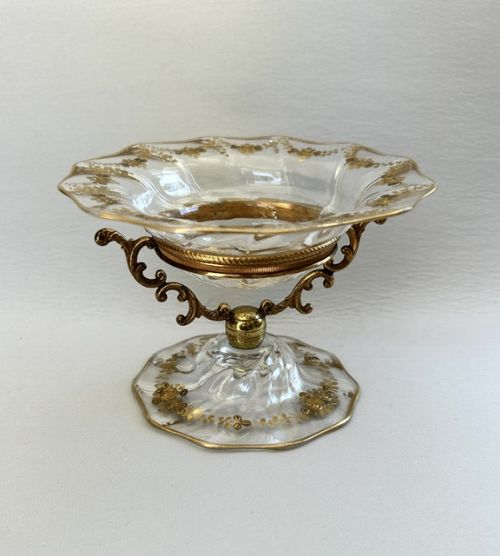
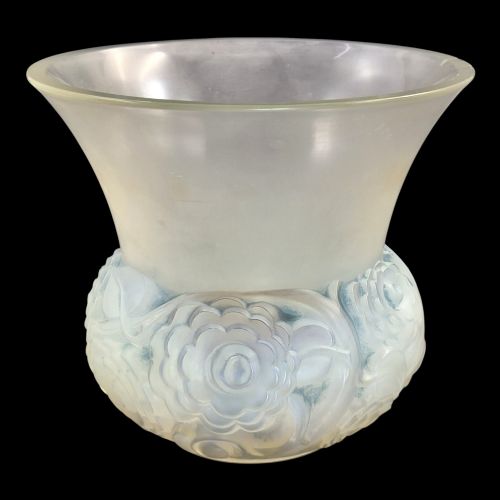
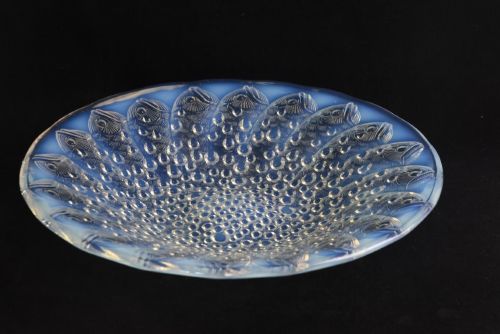
The selections on this page range from pressed opalescent French bowls and weighty cut glass table pieces to coloured crystal creations from Belgian and Italian workshops.
How they were made
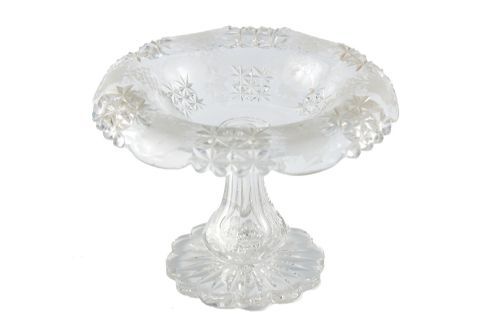
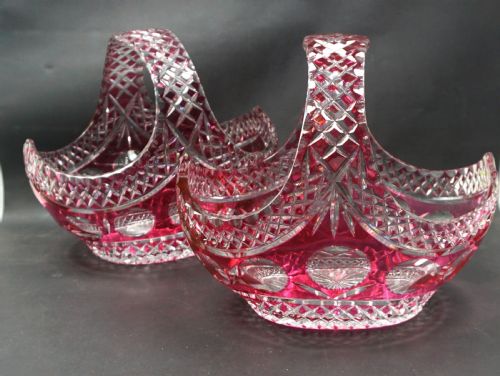
Makers shaped these vessels using hot glass techniques, including blowing, moulding and pressing, frequently layering coloured glass over clear crystal before wheel-cutting or etching the surface.
Many heavy pieces incorporate metalwork components, securing the glass inserts within cast gilt bronze, silver plate or ormolu frames and pedestal mounts.
Listings span the Victorian era, Art Nouveau period and Art Deco movement, utilising opalescent glass, cut lead crystal and gilt bronze mounts.
What varies in quality
The standard of a centrepiece rests on the depth of the glass cutting, the clarity of the crystal and the crispness of moulded details in opalescent or frosted surfaces.
Integration between the glass body and its metal mount distinguishes superior examples, where the bronze or silver frame fits the contours of the bowl precisely.
Rene Lalique·Val St Lambert·St Louis glassworks·Graystan
The Vintage Glass Centrepiece Bowl Glossary
- Opalescent glass
- Glass that displays a milky, translucent quality with iridescent highlights, scattering blue and amber tones under changing light. This technique gained prominence during the early twentieth century.
- Ormolu
- Gilded bronze mounts applied to furniture and decorative objects to frame or support glass vessels. The technique involves a mercury-gilding process common in nineteenth-century French manufacturing.
- Cut glass
- Glass decorated by grinding facets or patterns into the surface using rotating wheels. Deeper cuts produce sharper refractions of light.
- Millefiori
- A glasswork technique producing multicoloured mosaic patterns by bundling glass rods together and fusing them. The resulting canes are sliced and embedded within the bowl.
- Pâte de verre
- A glass-casting method where crushed glass is packed into a mould and fused in a kiln. This process creates a dense texture with subtle colour gradations.
Vintage Glass Centrepiece Bowl: Frequently Asked Questions
How were these bowls used historically?
These large vessels served primarily as decorative table centrepieces during formal dining, often holding fruit, flowers or floating water displays.
Wealthy households used them to catch candlelight and reflect the polished surfaces of dining tables during long evening meals.
How do I identify an Art Deco piece?
Art Deco centrepieces typically display geometric moulding, stylised floral motifs and heavy opalescent or frosted glass bodies produced around the 1920s and 1930s.
These designs often feature symmetrical patterns and stark contrasts between clear crystal and coloured glass layers.
Can I use these bowls for serving food?
Most vintage glass centrepieces function primarily as decorative objects rather than tableware, though thick crystal and lead glass bowls can accommodate dry fruit or display items safely.
Care must be taken with antique pieces that feature metal mounts, silver plating or delicate acid-etched surfaces.
How do I clean an antique glass bowl with metal mounts?
Cleaning requires separating the glass from metal mounts if the construction allows, using mild soap and lukewarm water for the glass itself.
Harsh chemical polishes should stay away from gilt bronze or ormolu frames to preserve the original antique finish.