




Clear Crystal Fruit Bowl
A clear crystal fruit bowl is a heavy, light-catching centrepiece that anchors a dining table and displays fruit with traditional elegance.
Clear Crystal Fruit Bowl
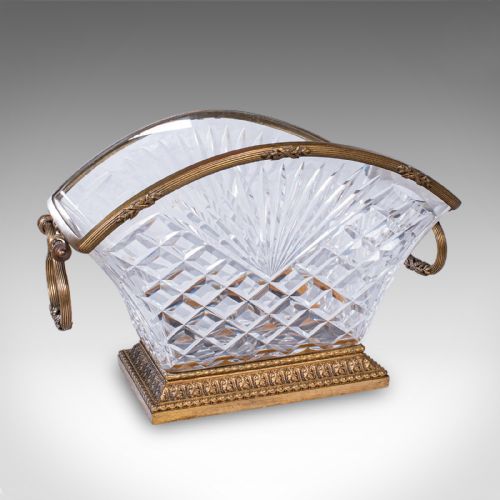
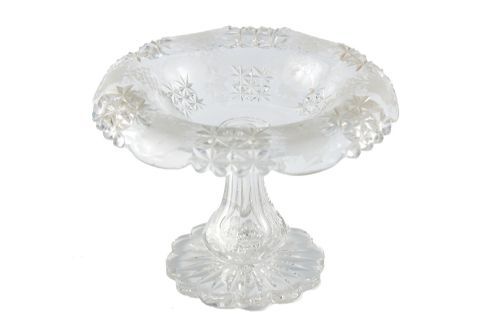
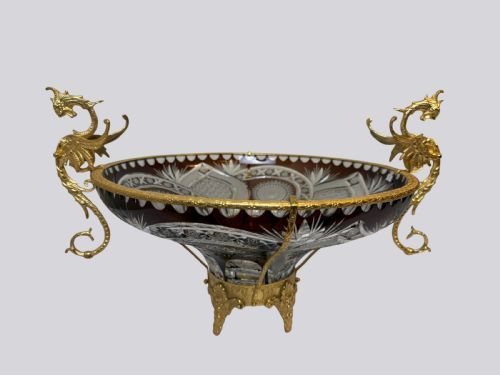
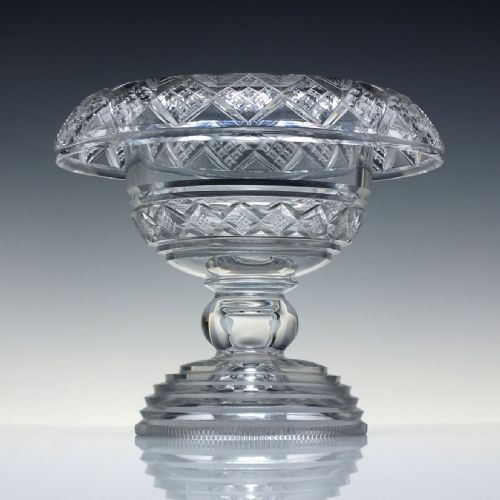
A clear crystal fruit bowl sits at the heart of period tables, taking the form of deep bowls, footed pedestals, tazze, and elaborate centrepieces. When looking for a clear crystal fruit bowl, buyers encounter styles stretching from Georgian and Victorian heavy-cut designs through to Edwardian pieces and Art Deco creations.
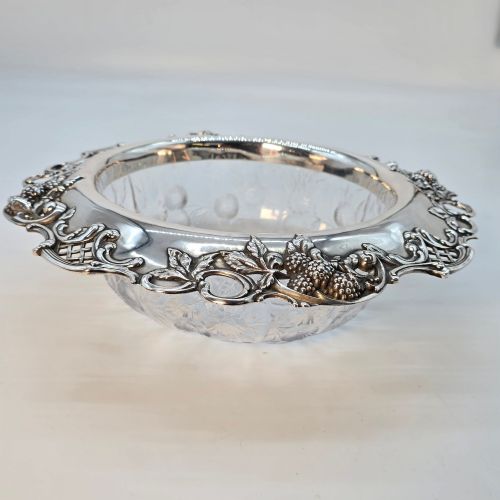
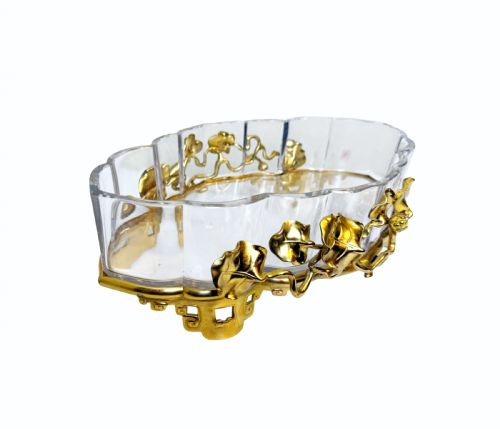
The selection ranges from simple cut glass dishes to monumental vessels mounted in gilt bronze or ormolu, alongside coloured overlays and signed works by makers like Tiffany and Lalique. These vessels serve both decorative and functional roles in dining spaces, combining utility with ornamental glasswork.
Materials and construction
Makers utilised lead crystal, cut glass, and standard glass, often mouth-blown and shaped by hand into heavy vessels. The glass was then subjected to wheel-cutting, engraving, or etching to create deep facets and patterns that refract light.
Many of the finer examples incorporate metal mounts such as ormolu, gilt bronze, and sterling silver, securing the glass bowl within an architectural or floral frame. Some pieces also feature enamel decoration or coloured glass layers applied over a clear crystal core.
Some Victorian households used heavy cut glass bowls as elaborate finger bowls, requiring diners to wash their hands in an ocean of sharp facets.
Factors of quality
Quality rests heavily on the crispness and depth of the glass cutting, where sharp, clean facets demonstrate superior craftsmanship compared to soft or shallow grinding. The weight and clarity of the crystal itself, free from excessive bubbles or cloudiness, separate standard production items from masterworks.
The integration of metal elements, such as cast ormolu frames and sterling silver rims, further distinguishes the tier of a piece. Finer vessels display tight assembly and detailed chasing on their metal mounts, matching the high standard of the glass.
Tiffany and Co·Rene Lalique·St Louis glassworks·Val St Lambert·Waterford
The Clear Crystal Fruit Bowl Glossary
- Cut glass
- Glass decorated by grinding facets and patterns into the surface using a rotating wheel. This technique creates sharp edges and brilliant light refraction.
- Tazza
- A shallow bowl or dish mounted on a central foot or pedestal. It is traditionally used for serving fruit or sweetmeats.
- Ormolu
- Gilded bronze used for mounts and decorative frames on furniture and glassware. It provides a rich, gold-coloured metallic contrast to clear crystal.
- Hobnail pattern
- A raised, faceted surface design resembling the heads of old hobnail boots. It creates deep texture and catches light from multiple angles.
- Comport
- A standing dish or pedestal bowl used on the dining table for fruit or dessert. These elevated vessels add height and visual weight to a table setting.
Clear Crystal Fruit Bowl: Frequently Asked Questions
How do I date a crystal bowl?
Dating relies on identifying the cutting style, the composition of the glass, and any accompanying metal mounts. Georgian and Victorian pieces often feature heavier lead crystal with distinct hand-cut facets, while Edwardian and later pieces may incorporate refined moulding or specific maker signatures.
Assessing the wear on the base, known as shelf wear, also helps determine age. Older pieces typically show fine, irregular scratches from decades of movement on wooden tables.
Were these bowls used for fruit?
These vessels were designed primarily for serving and displaying fresh fruit on large dining tables. Their generous proportions and elevated pedestals allowed them to act as visual anchors during formal meals.
Over time, many of these bowls transitioned into purely decorative objects. Today, owners frequently display them empty to showcase the clarity and cutting of the crystal.
What is the difference between glass and crystal?
Crystal contains added minerals, typically lead oxide, which increases the weight, brilliance, and refractive index of the material. This composition allows artisans to cut deeper, sharper patterns into the surface without fracturing the vessel.
Standard glass is lighter and lacks the same resonance when struck. The presence of lead crystal gives antique centrepieces their characteristic heft and sparkle.