





Vintage Glass Cabinet Display
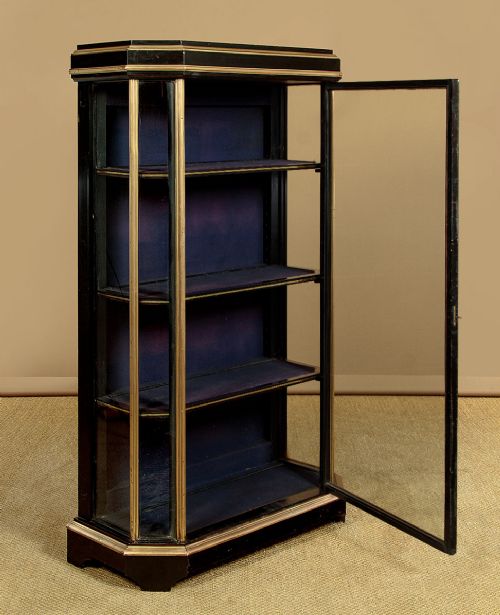
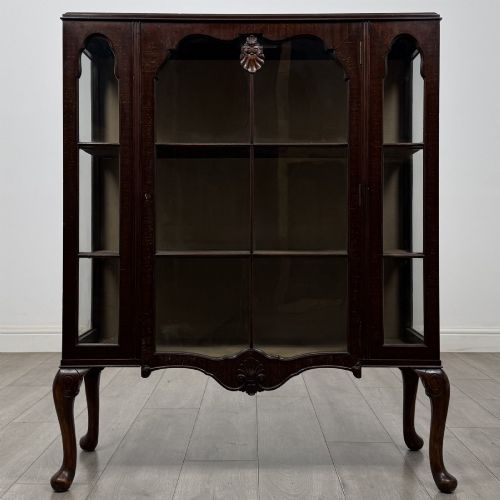
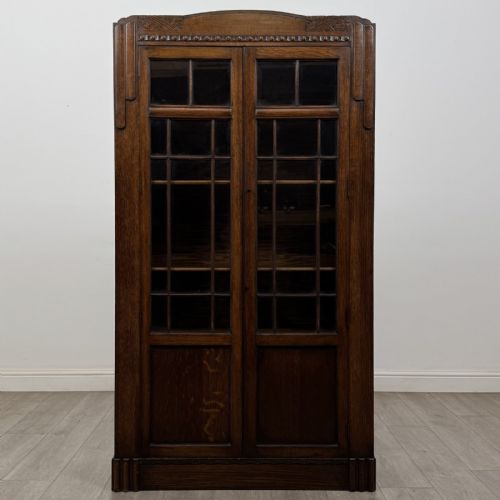
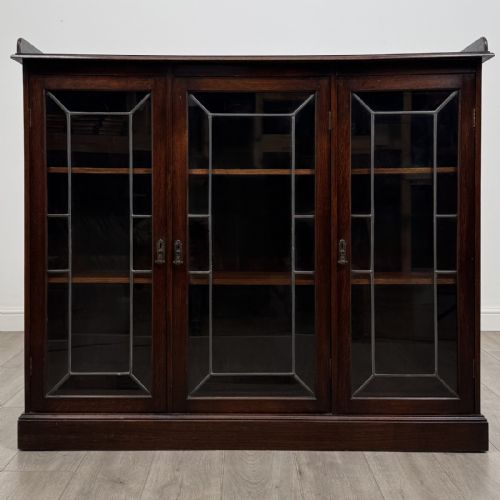
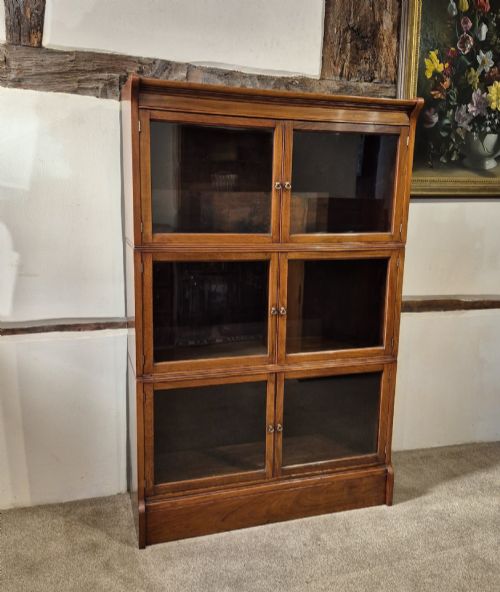
These vintage glass cabinet display pieces range from Edwardian mahogany vitrines to Art Deco oak china cabinets, designed to showcase precious belongings behind glass.
Vintage Glass Cabinet Display
A vintage glass cabinet display encompasses a wide variety of furniture forms designed for showing and storing items, ranging from tall freestanding bookcases to small tabletop shop cases. The examples encountered on this page stretch from nineteenth-century Victorian pieces to twentieth-century Art Deco and mid-century modern designs.
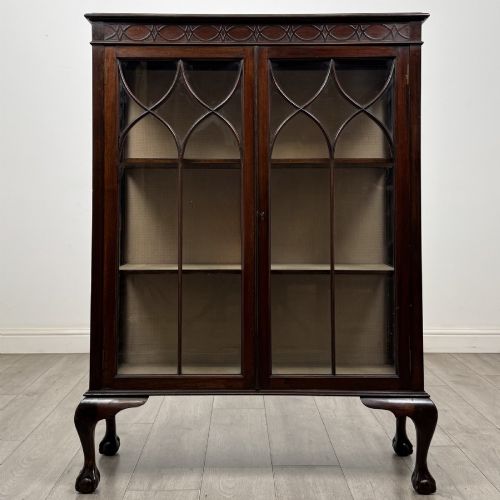
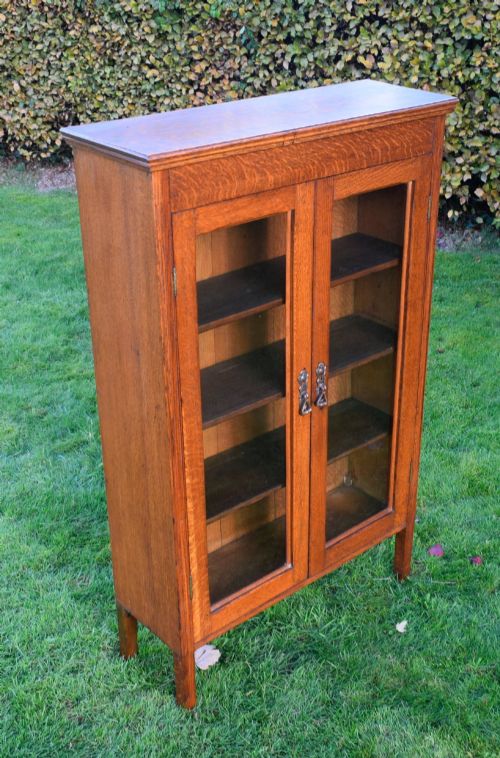
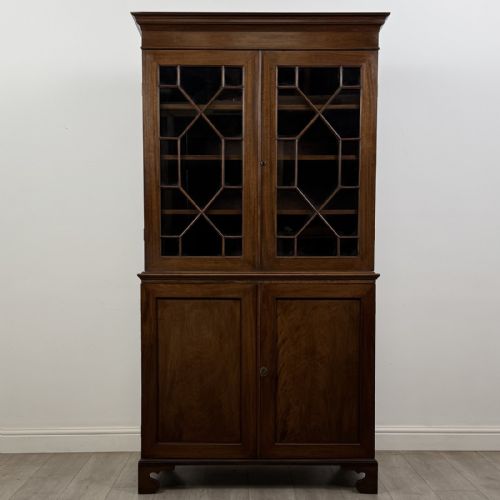
Buyers will frequently find Edwardian mahogany vitrines alongside oak display cabinets featuring leaded glass doors or astragal glazing. Form follows function closely across these pieces, with kitchen dressers, bureau bookcases, and specialised taxidermy cases all serving to protect contents while keeping them visible.
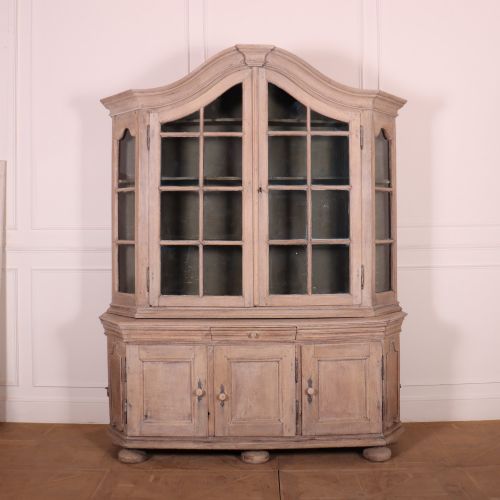
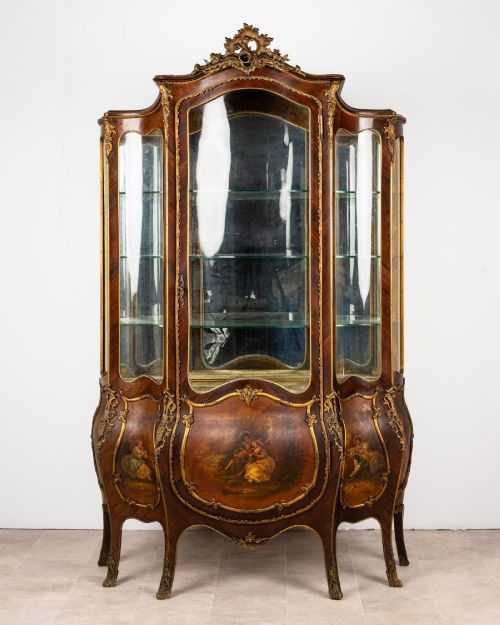
Origins vary from English workshops and large department stores to continental pieces such as French Louis XV kingwood vitrines and Dutch bleached oak cabinets. Each period brings distinct proportions and stylistic markers, from Georgian mahogany frames to streamlined nineteen-thirties cocktail cabinets.
Materials and construction methods
Makers utilised a core palette of hardwoods such as mahogany, oak, walnut, and kingwood, frequently pairing them with structural pine or ebonised timber. Glazing is central to the construction, utilising leaded glass, astragal bars, and flat panes held securely within wooden rebates.
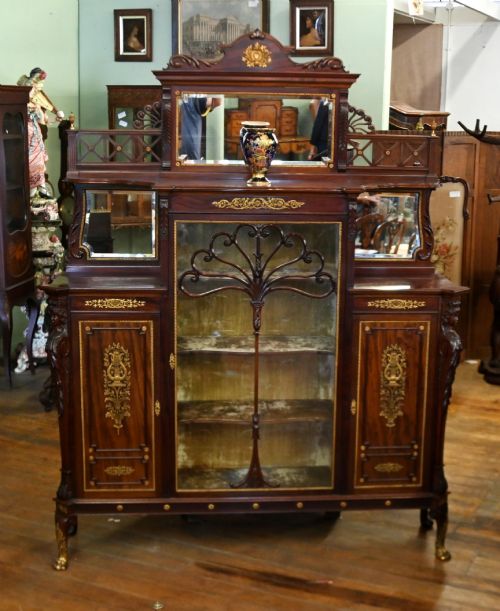
Cabinetmakers incorporated brass mounts, handles, and fabric linings to accent the timber frames and cushion displayed items. Details like inlaid mahogany, carved arched tops, and claw feet demonstrate the specific woodworking techniques applied during periods from the Victorian era through the nineteen-twenties.
Vintage Glass Cabinet Display Retail Price Guide 2026
Typical asking prices for vintage glass cabinet display among the pieces listed under this phrase on Sellingantiques today, from the lower quarter to the upper quarter. They describe what is for sale here now, not the wider market.
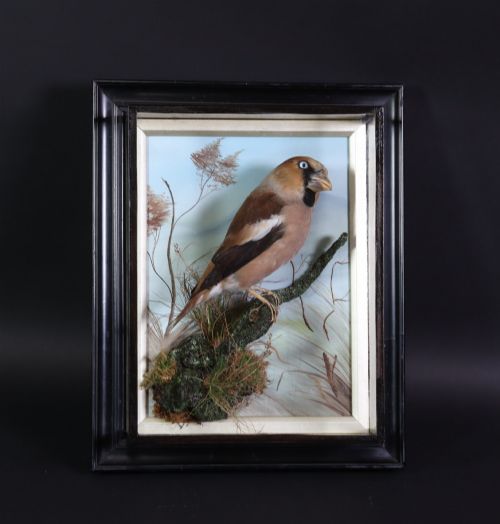
Hawfinch and peregrine falcon taxidermy cases share shelf space with tea room cabinets and cocktail units.
Differentiating quality across the range
The standard of a vintage glass cabinet display rests upon the precision of its joinery, the choice of timber veneers, and the integrity of the glazing bars. Superior examples display carefully matched wood grain, tight mitre joints, and original brass hardware that operates smoothly.
Finer pieces often bear maker signatures or retailer stamps from established firms, indicating higher workshop standards. The intricacy of hand-carved elements, leaded stained glass panels, and well-executed inlaid work separate standard utility items from master-built cabinetwork.
Bill Cox of Liverpool·Cullingford of Durham·Heals of London·William Baker and Co Ltd·Herbert Gibbs·Minty of Oxford·Harry and Lou Epstein·Maple and Co·Gunn
The Vintage Glass Cabinet Display Glossary
- Vitrine
- A glass-fronted cabinet designed specifically for displaying fine objects or china. These pieces typically feature glass on multiple sides to maximise light penetration.
- Astragal glazing
- A method of dividing a glass window or door into smaller panes using narrow wooden mouldings called astragals. This technique is common on Georgian and Edwardian bookcases.
- Leaded glass
- Individual panes of glass joined together with strips of lead cames. This method allows for decorative geometric or floral patterns, frequently seen in Edwardian and Art Deco cabinet doors.
- Bombe
- A furniture form characterised by outward-curving, convex sides and fronts. It appears most notably in continental European cabinetwork.
- Vernis Martin
- A type of fine furniture varnish and decorative finishing technique developed in eighteenth-century France. It imitates Asian lacquerwork with translucent painted layers.
Vintage Glass Cabinet Display: Frequently Asked Questions
What is a vitrine?
A vitrine is a specialised display cabinet featuring glass panels on the front and often the sides. It was originally built to exhibit valuable porcelain, curiosities, and decorative art objects.
These pieces rely on natural light passing through the glass to illuminate the contents within. They stand out from standard bookcases through their primary focus on exhibition rather than book storage.
How do I date a cabinet?
Dating a cabinet involves examining the timber types, construction methods, and stylistic decorative motifs present on the piece. Edwardian items frequently show Sheraton revival mahogany inlay, while nineteen-thirties pieces often embrace geometric Art Deco lines.
Hardware, hinge types, and glass characteristics also offer reliable clues to the era of manufacture. Consulting maker signatures or stamps provides a direct link to the workshop or retailer.
Where were these cabinets used?
These cabinets served multiple functions across domestic and commercial spaces, from holding family silver in Edwardian dining rooms to displaying tea in cafes and tea rooms. Bookcases and bureau bookcases furnished libraries and studies.
Specialised cases also housed natural history specimens, such as taxidermy birds in ebonised frames. Shop display cabinets sat on tabletops to showcase retail goods to the public.
What is astragal glazing?
Astragal glazing refers to the wooden framework that divides a large glass opening into smaller geometric panes. This technique provides structural support while adding a refined decorative grid to the door front.
It is a defining characteristic of Georgian and Edwardian mahogany bookcases and display cabinets. The thin wooden bars help frame the view of the contents stored inside.