




Vintage Curiosity Cabinet
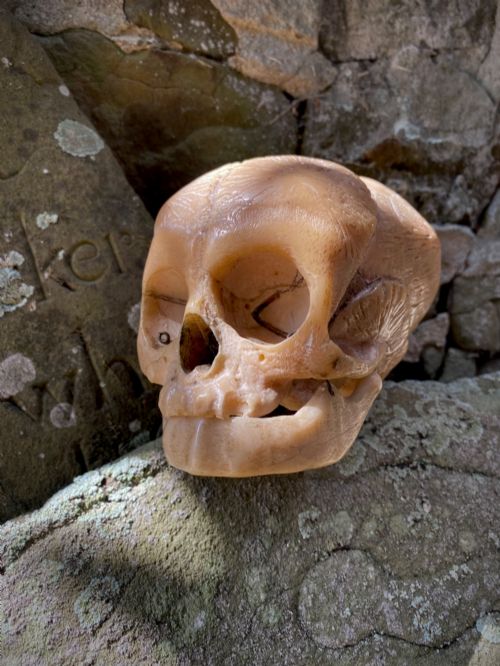
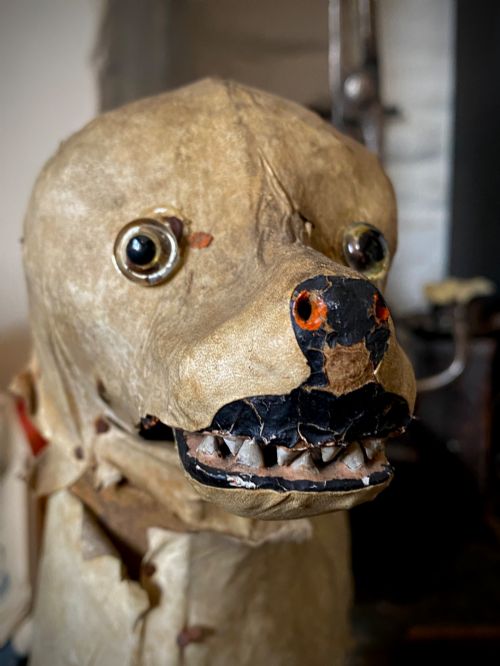
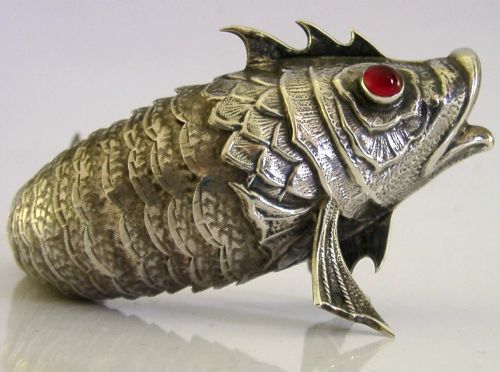
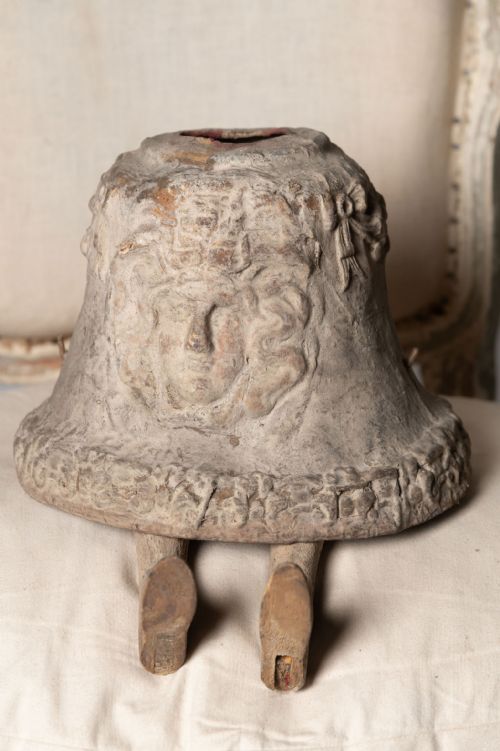
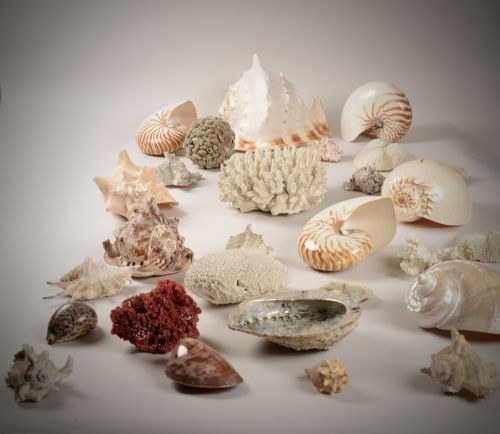
A vintage curiosity cabinet gathers strange natural specimens, anatomical models and scientific artefacts from the nineteenth and early twentieth centuries.
Vintage Curiosity Cabinet
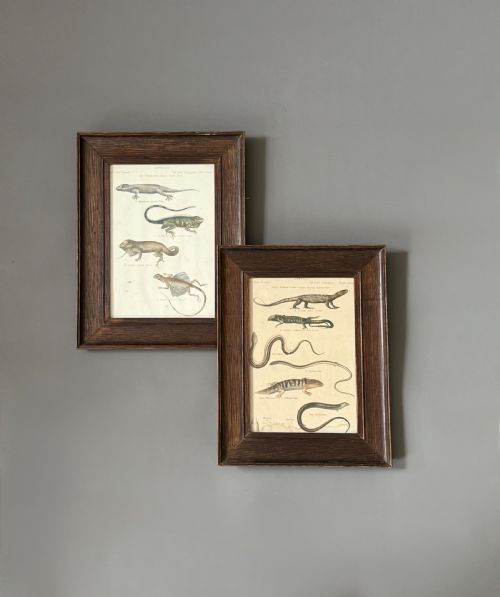
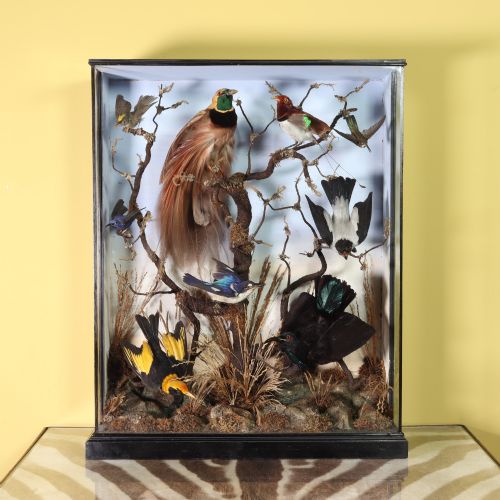
A vintage curiosity cabinet encompasses diverse forms, from taxidermy specimens and glass display domes to anatomical teaching models and framed engravings. Pieces emerge principally from Victorian, Edwardian and early twentieth-century contexts, reflecting a historical fascination with natural history and science.
The objects span varied materials and object types, including display cabinets, sculptures, decorative objects and preserved fauna. Many items originate from notable practitioners and firms of their day, bridging domestic interior decoration and academic study.
How they were made
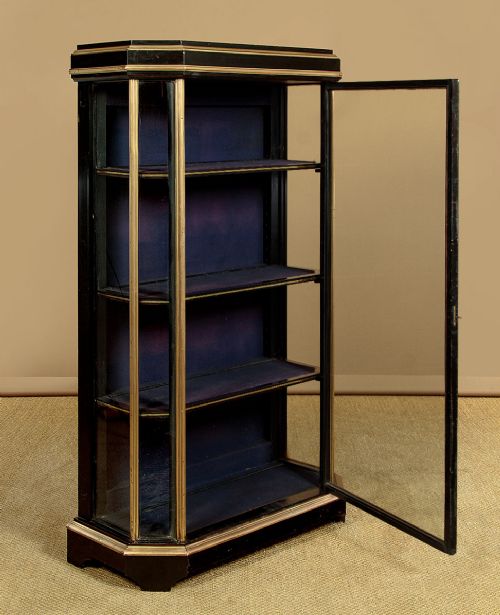
Makers utilised traditional craftsmanship combining wood, ebonised wood, mahogany, glass and brass to construct vitrines, display cases and mounting stands. Delicate materials such as paper, bone, iron and steel support anatomical models, teaching aids and scientific instruments.
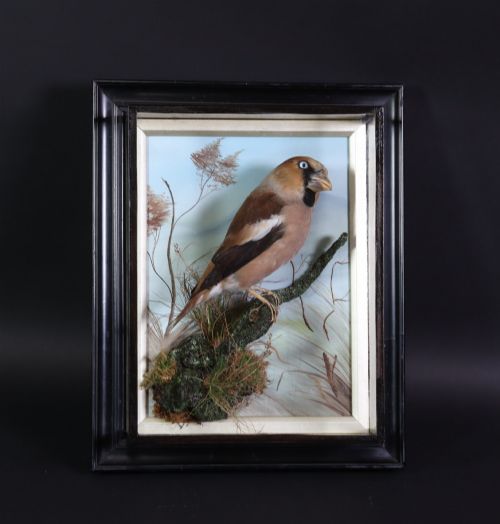
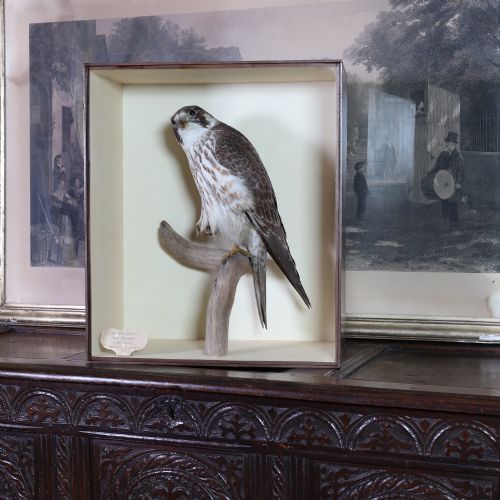
Taxidermy specimens and natural history items required meticulous preservation techniques, often housed within bespoke glass domes or framed picture cases to protect fragile organic structures from deterioration.
Vintage Curiosity Cabinet Retail Price Guide 2026
Typical asking prices for vintage curiosity cabinet among the pieces listed under this phrase on Sellingantiques today, from the lower quarter to the upper quarter. They describe what is for sale here now, not the wider market.
Materials across these listings include glass, ebonised wood, brass, iron, paper, bone and silver.
What varies in quality
Quality rests upon the precision of execution, particularly in anatomical models, teaching charts and taxidermy specimens where anatomical accuracy dictates historical and decorative merit. Finer pieces demonstrate superior taxidermy mounting and meticulous hand-colouring on engravings.
Materials and framing elevate certain objects, distinguishing standard production items from pieces bearing maker signatures, specialised ebonised woodwork, or substantial silver and brass mounts.
Bill Cox of Liverpool·Cullingford of Durham·Hutchings of Aberystwyth·James Gardner·W and A K Johnston
The Vintage Curiosity Cabinet Glossary
- Vitrine
- A glass-panelled display cabinet designed for showcasing objets d'art, curiosities or precious specimens.
- Taxidermy
- The art of preserving, stuffing and mounting animal skins for permanent display in realistic postures.
- Bijouterie table
- A shallow glass-topped table specifically built for displaying small trinkets, medals and curiosities.
- Ebonised
- Wood finished with a dark stain or polish to imitate costly ebony timber.
- Memento mori
- An artistic or symbolic reminder of the inevitability of death, frequently taking skeletal forms.
Vintage Curiosity Cabinet: Frequently Asked Questions
What items belong in a vintage curiosity cabinet?
A vintage curiosity cabinet traditionally houses eclectic natural history specimens, taxidermy, anatomical models, scientific instruments and unusual decorative artefacts. These collections reflect historical pursuits in science, exploration and natural philosophy.
Items range from framed botanical and zoological engravings to glass domes enclosing stuffed birds, shells and skeletal teaching aids.
How do I display these pieces at home?
Displaying these items relies on creating focal points within a room, utilising glass vitrines, display tables or wall-mounted cabinets to group related specimens together. Mixing organic forms with polished wood and brass elements enhances visual depth.
Keeping fragile paper prints and organic taxidermy away from direct sunlight protects them from fading while maintaining their historical integrity.
How do I identify Victorian pieces?
Victorian pieces frequently feature dark ebonised wood, heavy mahogany, elaborate brass mountings and protective glass display domes. The craftsmanship often emphasises dense ornamentation or strict scientific utility associated with the nineteenth century.
Signature styles include Gothic influences, detailed natural history taxidermy cases, and hand-coloured copperplate anatomical engravings.
Are anatomical models original teaching aids?
Anatomical models from this era served as functional educational equipment in medical schools, universities and classrooms. They were constructed from materials like wax, papier-mâché or plaster to demonstrate human and animal anatomy.
Their value lies in their anatomical accuracy, hand-painted details and survival through decades of academic use.