




Antique Ebonised Vitrine
An antique ebonised vitrine is a glazed display piece that frames collections behind dark wood, offering both protection and visual theatre.
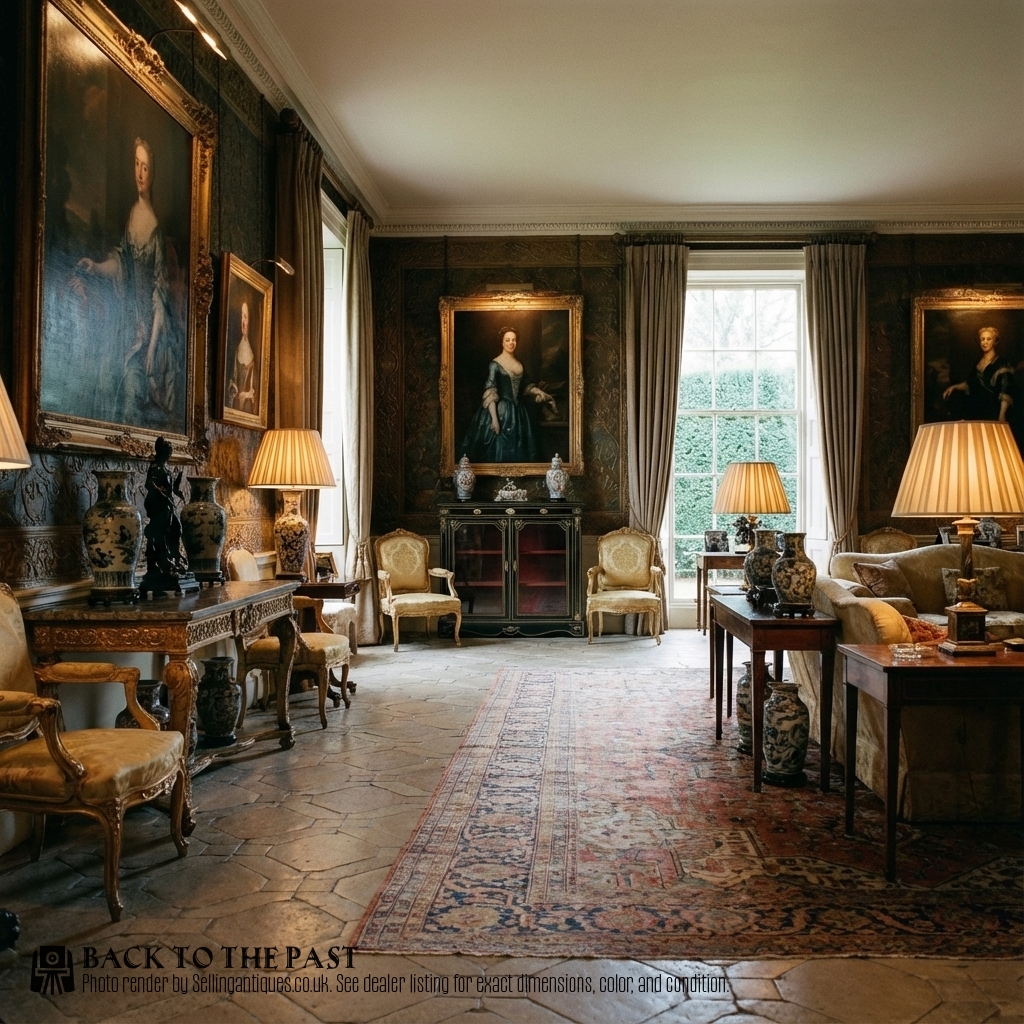
Antique Ebonised Vitrine
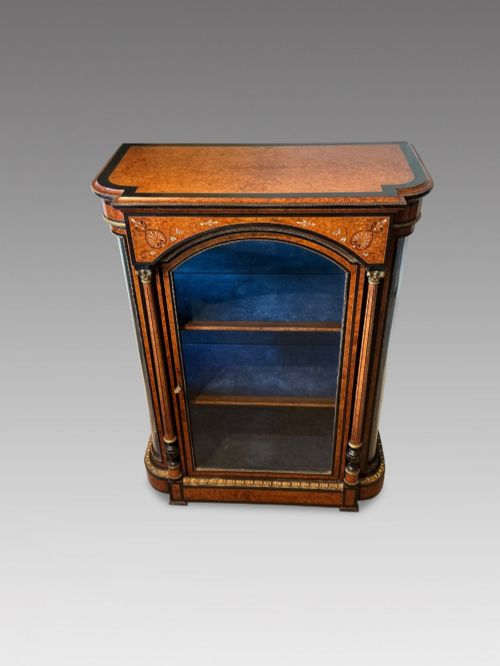
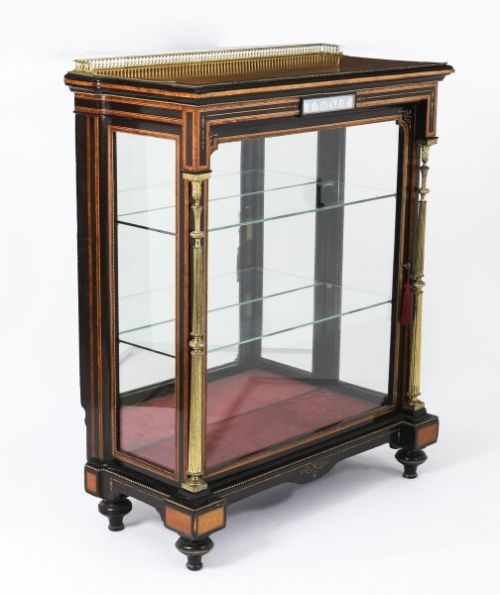
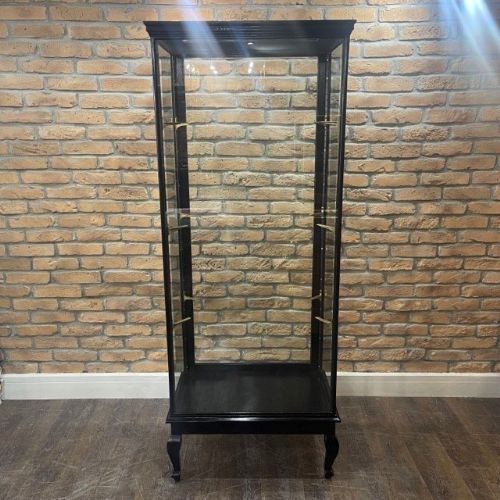
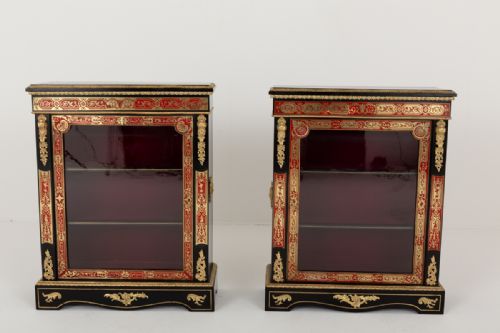
When you search for an antique ebonised vitrine, you encounter dark-finished timber display furniture designed to showcase porcelain, curiosities and books. The selection spans compact pier cabinets intended for drawing rooms to large French Boulle-inlaid cases and upright tower units.
Most examples hail from the nineteenth century, including Victorian English pieces and French Napoleon III designs, alongside early twentieth-century shop counters and countertop display units. Forms range from glazed bookcases and marble-topped china cabinets to low bijouterie tables with glass lids.
Makers and workshops from Britain, France and America contributed to this tradition, utilising contrasting veneers and metallic mounts. These cabinets served primarily to display prized possessions while protecting them from dust in formal reception rooms and commercial interiors.
How they were made
Cabinetmakers constructed these pieces using solid timbers and secondary woods, applying an ebonised finish to simulate expensive ebony. Surfaces often incorporate intricate brass marquetry, tortoiseshell inlay in the Boulle manner, and parcel-gilt details that gleam against the dark background.
Glazing takes the form of large single panes or smaller framed glass panels held within wooden lattice doors, allowing light to illuminate the interior shelves. Cast ormolu mounts, brass banding and marble tops complete the construction, securing structural joints while adding ornamental contrast.
Listings span the nineteenth century to the 1920s, featuring materials such as tortoiseshell, burr walnut, ormolu, and velvet linings.
What varies in quality
The sophistication of the brass inlay and the precision of the Boulle work distinguish standard production from exceptional examples. Finer cabinets display crisp metalwork, subtle engraving within the tortoiseshell, and secondary timbers like amboyna or burr walnut used for internal highlights.
Proportion and hardware also separate pieces, with superior cabinets featuring heavier cast ormolu mounts, thick marble slabs, and original glass panes. The depth of the ebonised finish and the integration of fine parquetry reveal the skill invested by the original workshop.
Quincy Showcase Works Illinois·Sage And Co
The Antique Ebonised Vitrine Glossary
- Ebonised
- Timber treated with stain or paint to achieve the deep black appearance of ebony. This finish was widely favoured in Victorian and Aesthetic Movement design.
- Boulle
- A form of marquetry employing brass and tortoiseshell inlaid in contrasting patterns. It is named after the French cabinetmaker André-Charles Boulle.
- Vitrine
- A glass-fronted cabinet designed for the display of curiosities or fine porcelain. The term derives from the French word for glass.
- Ormolu
- Gilt-bronze ornaments mounted onto furniture for decorative effect. These cast metallic mounts accent corners, key escutcheons and cornices.
- Pier Cabinet
- A low display cabinet designed to fit against the wall space between windows. These narrow pieces were staples of Victorian drawing rooms.
Antique Ebonised Vitrine: Frequently Asked Questions
What is an ebonised vitrine?
An ebonised vitrine is a display cabinet finished in dark, black-stained wood designed to showcase collections behind glass doors. These pieces often feature contrasting brass inlays or gilt mounts.
Originating largely in the nineteenth and early twentieth centuries, they served to protect delicate objects from dust while displaying them in formal rooms.
How do I clean an ebonised cabinet?
Dust surfaces gently with a soft, dry cloth to prevent scratching the dark ebonised finish. Avoid harsh chemical polishes that can degrade nineteenth-century polishes and lacquers.
For glass panels, use a mild glass cleaner applied to a cloth rather than sprayed directly onto the wood or ormolu mounts.
Where were vitrines placed?
Victorian homes placed these cabinets in drawing rooms and parlours where guests could view displayed porcelain and curiosities. Narrow pier cabinets specifically occupied wall spaces between windows.
Later commercial variants, such as countertop display units and tower cabinets, functioned within shops and showrooms.
How do I date a Boulle vitrine?
Dating relies on examining the construction methods, carcass timbers, and the style of the brass and tortoiseshell marquetry. Napoleon III examples from the mid-nineteenth century frequently revive earlier French court aesthetics.
Hardware details, lock mechanisms, and the secondary woods inside the cabinet also provide clear chronological indicators.